Where Was Jesus Crucified? 5 Must-Know Facts Revealed

Respuesta Rápida
Jesus was crucified at Golgotha (also known as Calvary), a site just outside the walls of ancient Jerusalem. This location was a public place of execution under Roman authority.
Key facts about the site include:
- Meaning of Name: “Golgotha” means “place of the skull,” possibly due to its appearance or its use as a burial ground.
- Traditional Site: The Church of the Holy Sepulchre in Jerusalem is the most widely accepted traditional site for both the crucifixion and Jesus’s tomb.
- Public Spectacle: Its location along a major road ensured the execution was a public deterrent.
- Archaeological Support: Excavations around Jerusalem offer insights into Roman crucifixion practices and support for traditional sites.
It’s the single most pivotal event in Christian history. The moment that changed everything. The crucifixion of Jesus Christ. ✝️
But when you think about it, do you ever wonder: “Where exactly was Jesus crucified?” Was it on a distant, isolated hill? Or right in the bustling heart of the city? The location isn’t just a historical detail; it’s a profound piece of the puzzle that deepens our understanding of Jesus’s sacrifice, the Roman Empire’s power, and the very foundation of our faith.
The site of the crucifixion, known as Golgotha, is a place steeped in immense spiritual meaning. It’s where immense suffering met divine love, and where the world witnessed a death that would bring life to billions.
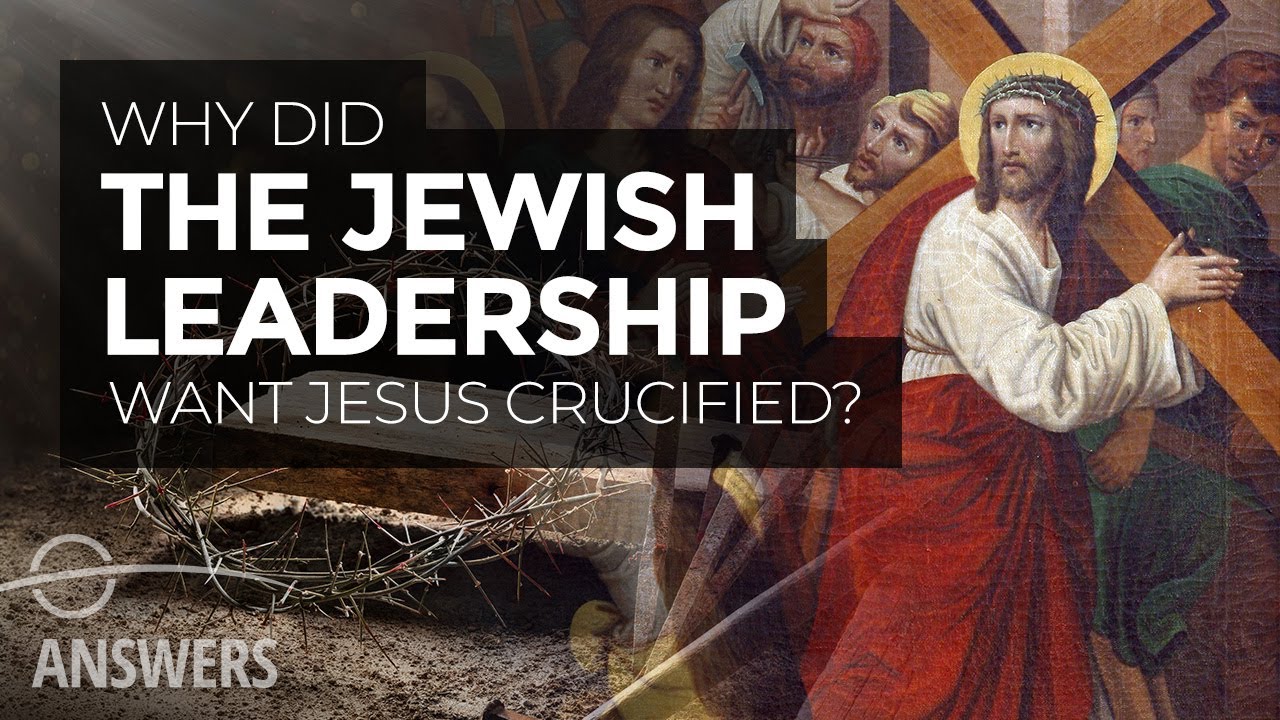

So, let’s journey back to first-century Jerusalem. Here at oracioncristiana.org, we believe that exploring these sacred historical sites helps us connect more deeply with the Gospel story. Let’s uncover the 5 must-know facts about where Jesus was crucified, and why that location still matters so much today.
1. The Location: Golgotha, the “Place of the Skull”
Let’s start with the name. Jesus was crucified at a place called Golgotha, which is an Aramaic word meaning “the place of the skull.” It was located just outside the walls of ancient Jerusalem.
All four Gospels mention this name:
- “And when they had come to a place called Golgotha, that is to say, a Place of a Skull.” (Matthew 27:33)
- “And they brought Him to the place Golgotha, which is translated, Place of a Skull.” (Mark 15:22)
- “And when they had come to the place called Calvary, there they crucified Him.” (Luke 23:33) (Note: “Calvary” comes from the Latin calvaria, also meaning “skull.”)
- “And He, bearing His cross, went out to a place called the Place of a Skull, which is called in Hebrew, Golgotha.” (John 19:17)
So, why “Place of the Skull”? There are a few theories:
- Its Shape: The hill may have resembled the top of a human skull.
- A Burial Site: It might have been a common place for executions and burials, hence a place of skulls.
- Symbolic Meaning: It could have been a symbolic reference to death, a “place of the condemned.”
The key detail is that it was outside the city walls. Jewish law prohibited executions within the city. But it was also close enough to be visible to many, allowing the Roman authorities to make a very public example of those they crucified.
2. The Traditional Site: The Church of the Holy Sepulchre
If you visit Jerusalem today, there is one place that has been continuously venerated as the site of Jesus’s crucifixion and burial for nearly 1,700 years. The traditional site of Golgotha and Jesus’s tomb is enshrined within the magnificent Church of the Holy Sepulchre. ⛪
This incredible church, located in the Christian Quarter of the Old City of Jerusalem, is built over two of the holiest sites in Christianity:
- Golgotha (Calvary): A small rocky outcrop inside the church, on the right side immediately as you enter, is believed to be the very spot where Jesus’s cross stood. Pilgrims can kneel and touch the rock beneath the altar.
- The Aedicule (The Tomb): Just steps away, under a large dome, is a small chapel built over the rock-cut tomb where Jesus’s body was laid and from which he rose.
How do we know? The site was definitively identified in the 4th century by Saint Helena, the mother of Emperor Constantine. Archaeological excavations at that time (and more recent ones in 2016) have supported the authenticity of the site. It was deliberately outside the city walls in Jesus’s time, but later city expansion brought it within the new walls. The National Geographic has covered the extensive restoration work on the Aedicule, confirming its ancient origins.
3. Other Theories: Gordon’s Calvary and the Garden Tomb
While the Church of the Holy Sepulchre is the widely accepted traditional site, it’s worth knowing that other theories and sites exist. In the 19th century, an alternative site known as “Gordon’s Calvary” or “Skull Hill,” along with the Garden Tomb, was proposed.
This alternative site is located outside the Damascus Gate, to the north of the Old City. It was championed by General Charles Gordon in 1883. His arguments included:
- Skull-Like Appearance: A prominent rock formation on the hill has a distinct skull-like appearance, seemingly fitting the name “Golgotha.”
- Proximity to a Garden and Tomb: Nearby, a beautiful garden and an ancient rock-cut tomb were discovered, which was seen as a more picturesque and biblical-sounding location for Jesus’s burial and resurrection.
However, modern archaeology strongly favors the Church of the Holy Sepulchre site. Excavations around Gordon’s Calvary show that the tomb there dates to an earlier period (Iron Age) and was likely reused. While a beautiful and reverent site for prayer for many Protestants, it is not the historical Golgotha. Most scholars believe the arguments for the Church of the Holy Sepulchre are far stronger from an archaeological and historical perspective. You can explore these debates in depth from sources like Biblical Archaeology Review.
4. The Roman Method: Crucifixion as Public Spectacle
Understanding where Jesus was crucified also means understanding how he was crucified within the Roman context. Crucifixion was not just an execution; it was a brutal, public spectacle designed by the Romans to deter rebellion and assert their absolute authority.
Golgotha’s location just outside the city walls, along a major road, was no accident. It maximized visibility for passersby and those entering and leaving Jerusalem. It was a terrifying billboard: “This is what happens to those who challenge Rome.”
The details of Roman crucifixion were horrific:
- Scourging: Victims were often severely flogged before crucifixion, leaving them weak and bleeding.
- Carrying the Crossbeam: The condemned would carry the horizontal beam of the cross (the patibulum) through the streets to the execution site, a journey of public humiliation.
- Nailing/Tying: The victim’s hands and feet were nailed or tied to the cross.
- Slow Death: Death was typically slow and agonizing, often from asphyxiation, shock, or exhaustion, lasting for hours or even days.
This was a punishment designed not just to kill, but to terrorize. The very public nature of Golgotha amplified this brutal message.
5. The Significance: Where Suffering Met Salvation
Ultimately, the exact coordinates of Golgotha are less important than its profound theological significance. The site where Jesus was crucified is where the greatest suffering met the greatest act of love, redeeming humanity from sin and death.
This location, the “Place of the Skull,” became the place where the ultimate “skull” (death, sin, Adam’s fall) was conquered. It’s where the “curse” of the cross was transformed into a “blessing.”
For Christians, Golgotha is:
- The Site of Atonement: Where Jesus, the innocent Lamb of God, willingly took on the sins of the world and paid the ultimate price.
- The Ultimate Act of Love: “Greater love has no one than this: to lay down one’s life for one’s friends.” (John 15:13)
- The Beginning of Hope: Though it was a place of death, it was immediately followed by the empty tomb and the resurrection, turning despair into eternal hope.
It is the sacred ground where Jesus, the Son of God, willingly embraced the humiliation and suffering of humanity, to offer us freedom, forgiveness, and new life. Its very name, “Place of the Skull,” echoes the dark reality of sin, but its purpose is the radiant light of salvation. It is where our faith finds its deepest roots.
What Does Golgotha Mean to You?
The place where Jesus was crucified is not just a dusty archaeological site. It is a powerful reminder of God’s immense love and the extraordinary sacrifice of His Son. It’s a call to reflect on the depth of our sin and the even greater depth of God’s mercy.
Whether you visit the physical site in Jerusalem or meditate on it in your heart, Golgotha invites us to contemplate the profound mystery of suffering and redemption. It’s where everything truly changed.
Now, I’d love to hear your thoughts. The comments section is open!
→ Does knowing the historical and archaeological details of Golgotha change how you picture the crucifixion?
→ What is the most powerful spiritual truth that Golgotha represents for you personally?
→ If you could ask Jesus one question about his experience on Golgotha, what would it be?
Let’s discuss this sacred and sobering topic with our oracioncristiana.org community.
