When Was the Vatican Built? 4 Fascinating Facts Uncovered
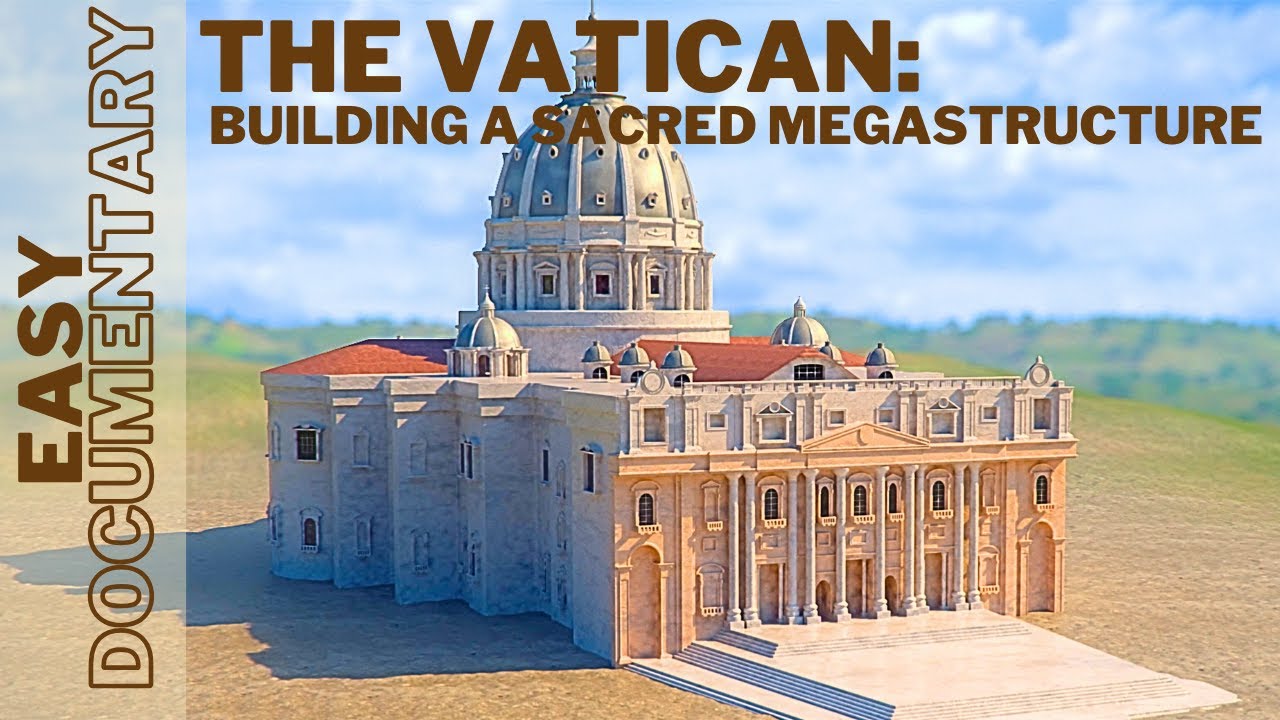
When Was the Vatican Built: A Historical Overview
The Vatican, a symbol of the Roman Catholic Church, stands as a testament to architectural prowess and deep spiritual significance. 🕊️ But when was the Vatican built? To answer that question, we need to explore its complex history, development, and the myriad of structures that make up this independent city-state.
The Origins of the Vatican
The roots of the Vatican can be traced back to the early days of Christianity. Initially, the area was a marshland and a burial ground in ancient Rome. It wasn’t until the 4th century that significant developments began. The construction of the original St. Peter’s Basilica was commissioned by Emperor Constantine I in AD 326, marking the site’s significance as a pilgrimage destination. This early church was built over the tomb of Saint Peter, one of Christ’s apostles and the first Pope, solidifying its religious importance.
Construction and Development of St. Peter’s Basilica
Fast forward to the early 16th century, and you encounter one of the most famous architectural projects in history—the rebuilding of St. Peter’s Basilica. The construction began in 1506 under the direction of Pope Julius II and continued until its completion in 1626. Featuring designs from renowned architects like Donato Bramante, Michelangelo, and Gian Lorenzo Bernini, the new basilica showcased the evolving grandeur of Renaissance architecture.
Key Dates in Vatican Architecture
- AD 326: Construction of the first St. Peter’s Basilica begins
- 1506: Rebuilding of St. Peter’s Basilica starts under Pope Julius II
- 1626: Completion of the new St. Peter’s Basilica
The Vatican Museums and Their Timeline
In addition to the basilica, the Vatican Museums were established by Pope Julius II in the early 16th century. Over the years, they have expanded significantly, showcasing hundreds of years of art. The museums contain an array of invaluable works, including Michelangelo’s Sistine Chapel ceiling, completed in 1512, which highlights the Vatican’s dedication to preserving culture and knowledge.


The Vatican as a City-State
In 1929, the Lateran Treaty was signed, establishing the Vatican City as an independent sovereign state. This historic treaty solidified the Vatican’s political and spiritual authority in the world, officially recognizing its status. Unlike many other city-states which evolved differently throughout Europe, the Vatican’s development has always been intrinsically linked to religious governance.
Architectural Wonders of the Vatican
The Vatican is not just a spiritual center; it’s a treasure trove of architecture. Each structure has its own story and significance, reflecting various periods of artistic advancement. Below are a few notable buildings:
The Apostolic Palace
The Apostolic Palace serves as the Pope’s residence and the administrative center of the Church. Originally constructed in the 15th century, it has undergone numerous renovations and expansions, making it an eclectic mix of styles. You can find rooms decorated by famous artists, including the famed Raphael Rooms that captivate visitors.
St. Peter’s Square
Before entering St. Peter’s Basilica, visitors are welcomed by the awe-inspiring St. Peter’s Square, designed by Bernini in the 17th century. The square can hold over 300,000 people and is characterized by its majestic colonnades that embrace visitors, representing the Church’s arms.
Importance of the Vatican Today
Today, the Vatican plays a crucial role in global Christianity and serves as an essential hub for millions of Catholic pilgrims who visit annually. The question of when was the Vatican built showcases not just the architectural timeline but also its evolution into a spiritual and diplomatic entity that fosters interfaith dialogues and humanitarian efforts worldwide.
Modern Developments and Preservation Efforts
The Vatican has also embraced modern technology and conservation efforts to maintain its priceless artifacts and artworks. For example, the introduction of advanced climate control systems in the Vatican Museums ensures the longevity of historical pieces.
Complementary Tools to Enhance Your Visit to the Vatican
When planning a visit to the Vatican, numerous resources can enhance your experience, making your exploration even richer. Here are some tools and services that, when combined with your knowledge of when the Vatican was built, can create an unforgettable experience:
- Audio Guides: Utilize audio guides available through the official Vatican website to gain deeper insights into the artwork and architecture.
- Official Vatican App: Download the [Vatican City App](https://www.vaticanstate.va/en.html) for information on tours and current events.
- Virtual Tours: Experience the Vatican from home through [virtual tours](https://www.vaticanmuseum.va) offered by the Vatican Museums.
- Language Translation Apps: Use tools like Google Translate to bridge communication gaps while interacting with guides.
- Travel Blogs: Refer to trusted travel blogs for personal accounts and practical tips about visiting the Vatican.
- Booking Services: Consider services like [Viator](https://www.viator.com) to book guided tours for optimal experiences.
- Photography Services: Capture the beauty of the Vatican with professional photography services available in the area.
Using Audio Guides Effectively
- Enhanced Understanding: Get in-depth descriptions of key artworks and their historical context.
- Self-paced Exploration: Move at your own pace, pausing to absorb information at each point of interest.
- Language Options: Many audio guides are available in multiple languages, catering to diverse visitors.
- User-friendly Interface: Intuitive navigation allows for easy access to specific information.
The Official Vatican App
- Event Information: Stay updated on special events, papal audiences, and mass schedules.
- Interactive Map: Navigate the Vatican with an interactive map, ensuring you don’t miss any attractions.
- Booking Services: Reserve your tickets for museums and events in advance to avoid long lines.
- Current News: Access the latest news from the Vatican, keeping you informed on global Catholic initiatives.
Conclusion: The Multifaceted Legacy of the Vatican
The Vatican’s rich history, from its ancient beginnings to its pivotal role in modern society, reflects its spiritual and cultural importance. Understanding when the Vatican was built is merely the tip of the iceberg. By combining your knowledge with various tools and services, you can create a deeper connection to this remarkable landmark, ensuring that your experience is both educational and memorable.
The Development of St. Peter’s Basilica
When we talk about when was the Vatican built, it is essential to touch on St. Peter’s Basilica, one of the most renowned landmarks within the Vatican City. While the site of St. Peter’s Basilica has a rich history dating back to the early Christian community, the current structure was built using Renaissance and Baroque styles, showcasing architectural grandeur.
Construction commenced on April 18, 1506, and the basilica was officially consecrated on November 18, 1626. This monumental church stands over the tomb of Saint Peter, one of Jesus Christ’s apostles and the first pope. The development of St. Peter’s is not merely an architectural journey but also a story of faith, politics, and art that has unfolded over centuries.
The Historical Context of the Vatican’s Establishment
The Vatican as a political entity was officially recognized in 1929 with the Lateran Treaty, but its spiritual roots run deeper. The Vatican was built primarily as a result of the need for a central location for the Catholic Church, mirroring its gradual emergence as the dominant religious authority in Europe. Have you ever wondered how pivotal events shaped this development?
The Vatican’s infrastructure began with the early Christians searching for a location to honor St. Peter after his martyrdom. This initial effort led to the construction of the original St. Peter’s Basilica between 324 and 329 AD. From these modest beginnings, growth accelerated into the magnificent structure we see today.
The Architectural Evolution
The construction of the Vatican has evolved dramatically over time, marked by influences from various architects and artists. Initially designed by Bramante, the basilica underwent numerous changes guided by renowned names such as Michelangelo, who contributed the iconic dome, and Bernini, who designed the grand piazza.
Each architect brought their artistry, redefining the project scope and enriching the overall experience of visiting the Vatican. The architectural evolution reflects the spiritual ambition of the Catholic Church and symbolizes the power it wielded across Europe.
Architectural Highlights of St. Peter’s Basilica
Both the interior and exterior of St. Peter’s Basilica are treasures of art and architecture. Here are some highlights that exemplify its cultural significance:
- The Dome: Designed by Michelangelo, it stands at 136 meters high, symbolizing heaven’s grandeur.
- Saint Peter’s Square: A grand entrance framed by impressive colonnades designed by Gian Lorenzo Bernini.
- The Papal Altar: Surrounded by stunning mosaics, it is situated directly above St. Peter’s tomb.
- Christian Symbols: The basilica is adorned with powerful Christian symbols that reflect its religious purpose.
When was the Vatican Built – Key Historical Dates
To fully understand when was the Vatican built, it helps to outline significant dates:
- Early Christian Community (1st Century AD): The tomb of St. Peter is established.
- First Basilica Construction (324 AD): Emperor Constantine commissioned the first basilica.
- Renaissance Era (1506–1626): St. Peter’s Basilica was reconstructed from the ground up.
- Lateran Treaty (1929): The Vatican was officially recognized as an independent state.
The Significance of the Lateran Treaty
This agreement between the Holy See and Italy not only provided the Vatican its sovereignty but also solidified its global influence as the central hub for the Catholic Church. Understanding this treaty is vital for comprehending the Vatican’s modern-day operations and its historical context.
Visiting the Vatican: Tips and Recommendations
If you’re considering a visit, knowing when was the Vatican built can add depth to your experience. Here are some tips to maximize your visit:
- Plan Ahead: Be mindful of peak visiting times and book your tickets in advance to avoid long queues.
- Guided Tours: Consider joining a guided tour that delves deeper into the Vatican’s history and architecture.
- Dress Code: Remember that the Vatican has a strict dress code. Ensure you’re appropriately dressed before entering.
- Multimedia Technologies: Utilize tools such as an audio guide app to enhance your experience. For audio guides, download the [Vatican Museums App](https://www.museivaticani.va/content/museivaticani/en.html) to explore the extensive art collections at your own pace.
Enhancing Your Visit with Technology
Incorporating technology can significantly elevate your Vatican experience. For example, make use of the Vatican Museums app to navigate and learn more about the artworks, as it enables an immersive exploration that traditional guidebooks can’t provide.
Combining Tools to Enhance Your Historical Knowledge
Here are some beneficial tools and services to complement your understanding and experience of when was the Vatican built:
- Vatican Museums Official App: Engage with detailed multimedia guides that bring the Vatican’s history to life.
- St. Peter’s Basilica Virtual Tour: These virtual experiences allow you to explore the basilica from the comfort of your home. [Visit VirtualTour](https://www.vaticanvirtualtour.com).
- Travel Blogs and Guides: Websites such as [Rick Steves’ Italy](https://www.ricksteves.com) offer invaluable tips and insights for understanding the Vatican.
- Augmented Reality (AR) Experiences: Tools that provide AR experiences enhancing your onsite exploration.
Detailed Breakdown of Complementary Tools
Vatican Museums Official App
- Rich Multimedia Content: Offers videos and audio descriptions that enhance your understanding of various artworks.
- Easy Navigation: Allows you to navigate through the Vatican Museums seamlessly.
- Personalized Experience: Tailor your visit depending on your interests and time available.
- Regular Updates: Stay informed about current exhibitions and guided tours through the app.
St. Peter’s Basilica Virtual Tour
- Accessible Experience: Perfect for those unable to visit, offering an impressive online alternative.
- Detailed Exploration: Engage with interactive elements that highlight key artwork and architectural features.
- Around-the-Clock Availability: Access anytime without needing to make travel arrangements.
- Educational Resources: Supplement your knowledge with detailed descriptions and historical context.
Conclusion
The story of when was the Vatican built combines religious devotion, historical significance, and architectural brilliance. Through its iconic structures and rich traditions, the Vatican stands as a testament to centuries of faith and dedication. By integrating complementary tools like the Vatican Museums app or virtual tours, you can deepen your understanding and appreciation for this remarkable site. Embrace the journey of discovering not just when the Vatican was built, but the extensive history that continues to shape its legacy in today’s world.
### External Links:
This article references several external sources that readers may find informative:
The Vatican’s Architectural and Cultural Significance
When Was the Vatican Built? 🏛️
Have you ever pondered the magnificent history behind the Vatican? This iconic site is not just a centerpiece of Catholicism but also a marvel of architecture and history. In this article, we explore when the Vatican was built and the timeline that shaped its incredible structures.
A Brief Overview of the Vatican’s History
The Vatican, formally known as the Vatican City State, serves as the spiritual and administrative center of the Roman Catholic Church. The history of its construction dates back several centuries, with roots in early Christian traditions. Key events in its establishment set the stage for the vast architectural wonders it encompasses today.
The Origin of St. Peter’s Basilica
The original St. Peter’s Basilica was built over the gravesite of St. Peter, an apostle of Jesus Christ. This structure was commissioned by Emperor Constantine in the 4th century AD. This remarkable decision marked the beginning of what would become a significant religious site.
Key Milestones in the Construction of the Vatican
Understanding when the Vatican was built involves looking at several critical phases:
- 4th Century: The construction of the original St. Peter’s Basilica began around 326 AD.
- 15th Century: During the Renaissance, Pope Nicholas V initiated significant renovations.
- 1547: Construction of the new St. Peter’s Basilica began under Michelangelo’s guidance.
- 1626: St. Peter’s Basilica was consecrated, marking its completion.
The Renaissance Influence
The Renaissance period was pivotal in reshaping the Vatican. Influential architects like Bramante, Michelangelo, and Bernini contributed to its grandeur. The architectural style during this time emphasized symmetry, proportion, and harmony—foundational elements that still define the Vatican’s aesthetic today.
The Architectural Marvels of the Vatican
Exploring when the Vatican was built unveils a tapestry of artistic brilliance encapsulated within its structures. For example, the iconic dome of St. Peter’s Basilica, designed by Michelangelo, is a testament to innovative architectural techniques of its time. This structure dominates the skyline and symbolizes the Church’s prominence.
The Vatican Museums
But that’s not all… The Vatican also houses the Vatican Museums, established in the early 16th century. They contain an extensive collection of art and historical artifacts, enriching the cultural narrative of the Vatican. Here, visitors encounter masterpieces by artists such as Raphael and Caravaggio.
Complementary Tools to Enhance Understanding of the Vatican’s Construction
Understanding the complexities of the Vatican’s history can be augmented with various tools. Here are some valuable resources:
- Historical Documentation: Use databases like JSTOR for scholarly articles surrounding the history of Vatican architecture.
- Virtual Tours: Platforms like the Vatican Virtual Tour provide immersive experiences of St. Peter’s Basilica and the Vatican Museums.
- Educational Apps: Download the Vatican Tour App for guided audio tours that delve into the Vatican’s significance.
- Documentaries and Podcasts: Explore platforms such as YouTube and Spotify for documentaries that narrate the Vatican’s architectural journey.
Internal Resources
For additional insights, check out our article on The Role of the Papacy in Shaping Vatican History for a deeper understanding of the Vatican’s political influences throughout its construction.
How to Effectively Use Complementary Tools with Vatican History
By leveraging these complementary tools, you can gain a richer understanding of the aspects related to when the Vatican was built. Here’s how these tools enhance your experience:
- Historical webinars: Participate in online webinars that analyze architectural techniques used in constructions like St. Peter’s Basilica.
- Interactive timelines: Utilize interactive timelines available on educational websites to visualize key events in the Vatican’s architectural history.
- Augmented Reality Applications: Use AR-enabled apps to experience the Vatican in real-time, giving a spatial understanding of its grandiosity.
- Discussion Forums: Engage in discussions on platforms like Reddit for broader insights and diverse opinions on the Vatican’s construction history.
Breakdown of Complementary Tools
1. Vatican Tour App
- Comprehensive audio guides, enhancing your visit with historical context.
- Offline access to content, ensuring you won’t miss information during your visit.
- Regular updates on events and exhibitions within the Vatican.
- User-friendly interface allows for easy navigation and quick learning.
2. Virtual Tour Platforms
- Immersive experiences that let you explore the Vatican from anywhere in the world.
- Detailed 360-degree views of significant areas like the Sistine Chapel.
- Availability of guided tours to provide in-depth knowledge of artworks and structures.
- Interactive features that enhance engagement with the art’s history.
Engaging with the Vatican’s History Today
Today, the Vatican remains a symbol of religious and cultural significance. Understanding when the Vatican was built not only gives you insight into its history but also enriches your personal experiences when visiting. By utilizing complementary tools and resources, you can maximize the impact of your exploration.
Strategic Comparisons and Insights
Compared to a simple guidebook, the Vatican Tour App offers a dynamic way to engage with history and architecture in a much more interactive format. Unlike conventional resources, the app’s multimedia features enrich your understanding of the Vatican’s artistic layers.
Connecting with Your Audience Through Vatican History
When discussing the Vatican, remember that different segments may have varying interests. By adapting your discussions on when the Vatican was built, you can cater to art enthusiasts or history buffs, providing valuable insights that enhance their understanding and appreciation.
Concluding Thoughts on Vatican’s Construction
As you reflect on when the Vatican was built, consider the profound influence that architectural evolution has over cultural identity. Engaging with the various resources mentioned will provide more than just knowledge; it will cultivate a deeper appreciation for this monumental site and its narratives that withstand the test of time.
Whether you’re a visitor or a history enthusiast, the Vatican’s rich past promises ongoing revelations that are captivating. Stay curious, and continue to explore the layers of history surrounding this iconic site!
