When was Jesus killed: 7 key facts you must know
When Was Jesus Killed?
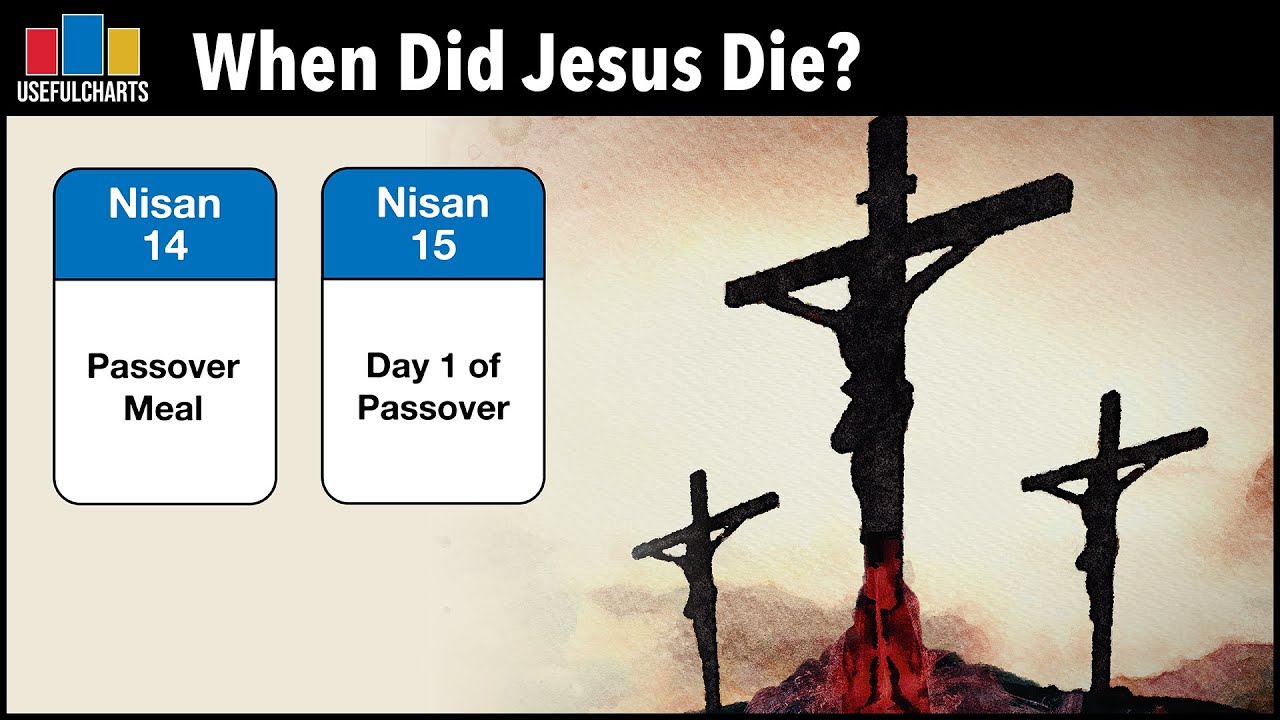
Understanding the timeline of Jesus Christ’s crucifixion is a pivotal aspect of Christian history and theology. Crucifixion is believed to have occurred on the 14th of Nisan in the Jewish calendar, which corresponds to April 7, 30 A.D. in the Gregorian calendar. However, some scholars suggest a date of April 3, 33 A.D. as an alternative. This discussion is not just academic; it shapes how millions perceive Easter and the significance of Jesus’ death and resurrection. 🕊️
Historical Context
To fully grasp the timing of Jesus’ death, it’s essential to appreciate the historical and cultural context of the era. The Roman Empire ruled during this period, with local governance provided by the Jewish authorities in Jerusalem. Jesus was arrested and tried under the Roman governor Pontius Pilate, alongside prominent Jewish officials who accused him of blasphemy and claiming to be the King of the Jews. This political climate was ripe for conflict and misunderstanding.
The Passover Connection
The timing of Jesus’ death coincides with Passover, a significant Jewish festival commemorating the Exodus from Egypt. According to the Gospels, he was crucified shortly after the Last Supper, which was also a Passover meal. This connection is crucial, as it symbolizes Jesus as the ultimate Paschal Lamb, fulfilling Old Testament prophecies. The intertwining of these events emphasizes the idea of sacrifice and redemption.
The Crucifixion Story in the Gospels
The details surrounding when Jesus was killed are chronicled in the four Gospels: Matthew, Mark, Luke, and John. They each narrate the events leading up to the crucifixion with slight variations, offering different perspectives that enrich our understanding. Here are some essential points from each Gospel:


Matthew 27:38-50
In Matthew’s account, two robbers were crucified alongside Jesus. His last words were a poignant cry, “My God, my God, why have you forsaken me?” This emphasizes his suffering and abandonment. Matthew also notes the remarkable events that followed his death, including an earthquake and the tearing of the temple veil, signifying a dramatic shift in the spiritual fabric of society.
Mark 15:27-37
Mark’s Gospel presents a straightforward narrative about the mocking Jesus endured and the darkness that covered the land from noon until 3 PM. His final cry of “It is finished” resonates powerfully, indicating the completion of his mission. This succinct portrayal beckons readers to reflect on the profound implications of his death.
Luke 23:32-46
Luke places an emphasis on Jesus’ mercy even in his final moments, recording his words to the repentant criminal: “Today you will be with me in paradise.” This aligns with the overarching theme of forgiveness in Luke’s narrative, showcasing Jesus’ nature as a savior to all, regardless of past sins.
John 19:16-30
John’s Gospel focuses on the depth of Jesus’ passion. His last words, “It is finished,” signify the achievement of his earthly mission. John also emphasizes the fulfillment of Old Testament prophecies throughout his account, portraying Jesus as the divine Messiah who came to save humanity.
The Significance of Jesus’ Death
The impact of Jesus’ crucifixion extends far beyond its historical moment. Traditionally, it is considered a pivotal event in Christianity, leading to the concept of atonement. This idea posits that Jesus’ sacrificial death reconciled humanity with God, offering redemption and forgiveness of sins.
Theological Implications
Christian theology posits that Jesus’ death was a necessary sacrifice. This belief can be explored further in key concepts such as:
- Atonement: The belief that Jesus died to atone for humanity’s sins.
- Resurrection: The cornerstone of Christian faith, emphasizing victory over sin and death.
- Salvation: The pathway opened by Jesus’ sacrifice, offering eternal life to believers.
Interpreting the Timing
The debate surrounding the precise date of Jesus’ crucifixion reflects deeper theological discussions. The varying interpretations stem from differences in calendar systems, the synoptic Gospels’ accounts, and historical context. For example, some theologians reference Wikipedia to draw comparisons of biblical events and establish a timeline for Jesus’ life and crucifixion.
Complementary Tools for Enhanced Understanding
Understanding when Jesus was killed can be enriched with various tools and resources. These complementary services can help deepen one’s insight, clarify historical contexts, and enhance the learning experience:
1. Online Bible Studies
Utilizing platforms like Bible Gateway allows users to read various translations and compare scripture passages. This can lead to more profound insights into the crucifixion accounts.
2. Historical Documentaries
Watching documentaries can provide a visual context. Consider using platforms like History.com for well-researched specials on Jesus’ life and death. Key advantages include:
- Visual Learning: Engaging visuals present historical information effectively.
- Expert Commentary: Insights from historians lend credibility to the narratives.
- Cultural Context: Documentaries often explore the social frameworks of the time.
- Accessibility: View on-demand for flexible learning opportunities.
3. Podcast Discussions
Several theological podcasts dive into the events surrounding Jesus’ death. Engaging with these discussions can provide varying interpretations and provoke thoughtful reflection on the subject.
4. Interactive Timeline Tools
Services like Tiki-Toki can be used to create timelines of Jesus’ life, including his crucifixion. This is helpful for visual learners wishing to see the progression of events.
5. Church Community Group Studies
Joining groups that focus on the historical aspects of the Bible can create enlightening discussions and foster a deeper understanding through shared interpretations and scripture studies.
6. Academic Journals and Articles
Accessing scholarly works through platforms like JSTOR can provide in-depth analysis and research surrounding Jesus’ death and historical accuracy.
7. Online Courses
Enrolling in courses that focus on biblical history and theology can yield expert knowledge and structured learning experiences, enhancing understanding of Jesus’ crucifixion within a broader historical framework.
8. Church History Books
Reading books that focus on the early Christian church can contextualize Jesus’ death within the evolution of Christian thought. Some recommended readings include:
- Cultural Context: Understanding the environment where early Christianity developed.
- Historical Records: Insights from early church leaders can illuminate theological positions.
- Scholarly Perspectives: Various interpretations offer a balanced view of the events.
- Application: Insights into how these events shaped modern faith practices.
9. Theological Seminars
Attending seminars can provide access to reputable scholars and theologians who can present nuanced views on when Jesus was killed, often followed by interactive question and answer sessions.
10. Mobile Apps for Scripture Study
Apps like YouVersion come equipped with study resources and devotional plans. These tools encourage users to explore scripture daily, reinforcing learning about Jesus’ life and death.
Understanding Audience Segmentation
When educating others about when Jesus was killed, understanding audience segmentation proves vital. Tailoring discussions to different demographics can enhance engagement. For instance:
- Children: Simplifying language and using visual aids.
- Teenagers: Integrating media and contemporary relevancy.
- Adults: Focusing on theological implications and historical accuracy.
- Scholars: Engaging in in-depth discussions and referencing academic texts.
By considering these variations, the information surrounding Jesus’ death can be presented in ways that resonate more effectively with different audience segments, fostering clarity and deeper understanding.
Final Thoughts
Exploring the timing of Jesus’ death is far more than a historical inquiry; it is a journey through faith, sacrifice, and redemption. Utilizing the various tools and resources discussed enhances this exploration, making it more engaging and insightful. By effectively combining these insights with supplementary tools, individuals can achieve a deeper appreciation for this pivotal moment in history.
Significance of the Crucifixion Date
When Was Jesus Killed? Understanding the Crucifixion Date
Throughout history, the question of when was Jesus killed has intrigued scholars, theologians, and laypeople alike. The crucifixion of Jesus Christ is a pivotal moment in Christian tradition and history. 🕊️ So, when exactly did this significant event occur? Let’s explore this topic in detail.
The Historical Context of Jesus’ Death
To understand when was Jesus killed, we must first examine the historical context. Most scholars agree that Jesus was crucified in the early first century CE, specifically around AD 30 to 33. The lands of Judea and Galilee were under Roman control, and this backdrop significantly influenced the events leading to His crucifixion. During this time, tensions were high between the Jewish population and Roman authorities, which created a volatile environment.
Key Events Leading to the Crucifixion
Several critical events culminated in the momentous decision to crucify Jesus:
- The Trial Before Pontius Pilate: Jesus was brought before the Roman governor Pontius Pilate, where He faced accusations from religious leaders.
- Public Sentiment: The manipulation of public opinion played a significant role, as various groups influenced the crowd to call for His execution.
- The Last Supper: This final meal with His disciples instilled a sense of urgency and foreshadowing of the events to come.
The Date of the Crucifixion
While the exact date remains debated, many scholars suggest that the crucifixion likely occurred on a Friday during Passover week. The synoptic gospels (Matthew, Mark, and Luke) place Jesus’ death on the eve of the Sabbath, which would be in the early 30s CE. This timeframe aligns with the Jewish calendar, making the event deeply significant to the culture and religious practices of the time.
Complementary Tools to Enhance Understanding
When studying the history of when was Jesus killed, several complementary tools can enrich your exploration. Here are some strong suggestions for enhancing your research:
1. Bible Study Apps
Using Bible study tools like YouVersion can offer insights into historical context through various translations and commentaries.
2. Chronological Study Guides
Guides that illustrate the timeline of Jesus’ life, such as Historical Jesus Multimedia, can provide clarity on events leading to the crucifixion.
- Illustrates the timeline of Jesus’ life accurately.
- Offers educational multimedia to enhance learning.
- Provides maps to visualize historic locations related to the events.
- Breaks down key events, highlighting significant moments.
3. Online Courses and Lectures
If you’re interested in deepening your understanding further, consider enrolling in history courses on platforms like Coursera that focus on ancient history or biblical studies.
4. Documentaries and Films
Watch documentaries available on platforms such as Netflix to visually experience the historical context of Jesus’ death.
5. Academic Journals
Access scholarly publications through resources like JSTOR for peer-reviewed articles that discuss the crucifixion’s significance in detail.
6. Religious History Podcasts
Tune into podcasts focusing on Jesus’ life and crucifixion, which can provide a modern discussion around these ancient events.
7. Interactive Timelines
Use sites like TimeToast to visualize significant dates and events in Jesus’ life, enhancing your comprehension of the chronology.
8. Study Groups
Join local or online Bible study groups. Engaging with others can offer new perspectives on the events surrounding when was Jesus killed.
- Fosters discussion and debate on interpretations.
- Allows sharing of resources and insights.
- Encourages deeper reflection through group dynamics.
- Creates opportunities for guided learning from knowledgeable members.
Conclusion: The Enduring Legacy of Jesus’ Crucifixion
The question of when was Jesus killed remains a timeless and profound inquiry. By understanding the context surrounding His death and utilizing complementary tools for research, you can gain a multifaceted perspective on this critical moment. Whether you approach the subject from a historical, theological, or personal standpoint, the implications resonate through centuries to inspire countless discussions and reflections.
So, what will your exploration of this pivotal moment uncover? Dive deeper, and discover the profound impact this event has had on history and faith.
Celebration of Easter and Its Historical Roots
When Was Jesus Killed? Historical Insights and Significance
Have you ever wondered about the exact timeline of the events surrounding the death of Jesus Christ? 🌟 This pivotal moment in history, which is widely commemorated during Easter, is shrouded in mystery and varying interpretations. In this article, we will explore when Jesus was killed, the historical context of this event, and its profound implications for Christianity and the world at large.
Understanding the Context: The Timeline of Events
The question of when Jesus was killed is anchored in a historical timeline that scholars have analyzed for centuries. Most historians agree that Jesus was crucified during the Roman occupation of Judea.
Specifically, the dates most often cited are between AD 30 and AD 36. Among the Gospels, the Gospel of John provides a timeline that suggests Jesus’ death occurred around Passover, which occurs in the spring. Historical records indicate that the Passover festival was a vital time for Jewish communities, as it commemorates their liberation from slavery in Egypt.
Key Historical Evidence Surrounding the Date
Several factors contribute to the determination of the date of Jesus’ crucifixion:
- The writings of early historians like Josephus and Tacitus offer insight into the socio-political environment of the time.
- The synoptic gospels (Matthew, Mark, and Luke) describe events leading up to Jesus’ death, helping to establish a broader chronological framework.
- Archaeological findings in Jerusalem also shed light on the customs and historical markers of the period.
By considering these pieces of evidence, scholars can surmise that Jesus was likely killed around AD 33 during the reign of Roman Governor Pontius Pilate.
The Crucifixion: An Instrument of Execution
Crucifixion was an infamous means of execution used by the Romans, designed to be a public spectacle meant to deter rebellion. When we explore when Jesus was killed, we must consider not just the date, but also the *method of execution* and its significance.
Jesus’ crucifixion was marked by extraordinary events, including darkness covering the land and an earthquake, as recorded in the Gospels. These events amplify the narrative, emphasizing the pivotal nature of Jesus’ death in Christian belief.
Complementary Historical Insights: Biblical Verses and Modern Studies
To provide a rounded understanding, let’s examine some biblical verses that recount the death of Jesus:
- Matthew 27:35 – “And when they had crucified him, they divided his garments among them by casting lots.” This phrase highlights the cruel reality of the execution process.
- Luke 23:33 – “And when they came to the place that is called The Skull, there they crucified him.” This location is crucial for understanding the event’s historical and geographical context.
Contemporary studies, such as those found in the Wikipedia entry on Jesus’ crucifixion, review the evolving interpretations of these biblical accounts across centuries.
Modern Significance of Jesus’ Death
The death of Jesus holds profound theological significance within Christianity. Often referred to as the *ultimate sacrifice*, it is believed that his death and subsequent resurrection offer a pathway to salvation for believers. This pivotal belief offers hope and redemption, affecting billions around the world.
How to Use Historical Contextualization Tools
To deepen your understanding of the historical context surrounding Jesus’ crucifixion, it can be beneficial to leverage certain tools that enrich your study:
- Historical Maps: Utilize map resources like Historical Maps to visualize geographical locations relevant to Jesus’ life, including Jerusalem and the surrounding regions.
- Bible Study Software: Programs like Bible Gateway allow for deeper exploration of scripture relevant to his death.
- Online Courses: Platforms like Coursera provide theological courses that can offer insights into Jesus’ life and death.
- Documentary Films: Explore documentaries on Jesus’ life, available on streaming platforms, for a visual storytelling of these events.
Using Bible Study Tools for Enhanced Understanding
Complement your readings by using Bible study tools to gain a deeper understanding of the scriptures relevant to when Jesus was killed:
- Verse Comparisons: Easily compare translations and interpretations of pivotal scripture passages.
- Commentaries: Access theological commentaries that delve into the meaning of Jesus’ death.
- Multi-Media Resources: Experiment with audio explanations that clarify complex theological discussions.
- Community Forums: Engage with others in online forums to discuss interpretations and insights about this crucial event.
Why the Date Matters: Theological Interpretations
The significance of when Jesus was killed transcends mere chronology. Many believers view this date as emblematic of divine intervention in human affairs. The Lenten season culminating in Easter serves as a reminder of the hope that arose from Jesus’ death.
This perspective underscores the belief that understanding the specific timing of Jesus’ death can enhance one’s faith and appreciation for the foundations of Christianity.
Ongoing Discussions in Historical Scholarship
Scholars continue to debate certain aspects of this topic, including:
- The potential historical inaccuracies of certain gospel accounts.
- Different interpretations based on the calendar used during the Roman Empire.
Engaging with varied scholarly works and historical discourses enables one to form a well-rounded view on when Jesus was killed and its implications.
Conclusion: The Eternal Impact of Jesus’ Death
The date of Jesus’ crucifixion is not merely a historical footnote; it’s a profound event that has shaped theology, history, and culture for over two millennia. As you further explore this topic, consider how diverse perspectives can enrich your understanding of faith and spirituality. Remember, the essence of this date goes beyond numbers—it’s about the message of sacrifice and hope that continues to resonate worldwide.
When Was Jesus Killed? 📅
Have you ever pondered the historical significance of the question, when was Jesus killed? This profound inquiry not only delves into the timeline of one of history’s most pivotal events but also touches upon the cultural and theological implications that resonate to this day. As you read on, prepare to explore a comprehensive timeline, contextual discussions, and complementary insights that enhance your understanding.
The Historical Context
To understand when Jesus was killed, we must first place the event within its historical context. Jesus Christ, a central figure in Christianity, was believed to have been crucified during the Roman Empire’s governance over Judea. Most scholars agree that the year was around 30-36 CE, with the majority suggesting around 33 CE as the date of his crucifixion.
Political Climate of the Time
At the time of Jesus’ crucifixion, the political landscape in Judea was fraught with tension. The Jewish populace was under Roman rule, and there was a rising sentiment against the occupying forces. This environment not only influenced Jesus’ ministry but also the manner in which he was killed. His teachings posed a challenge to both Roman authority and Jewish traditions.
The Trial and Crucifixion
Jesus was arrested and brought to trial before the Jewish Sanhedrin and later to Pontius Pilate, the Roman governor. The Gospels indicate that he was sentenced to death, leading to his crucifixion—a method of execution reserved for the most serious criminals. The exact timeline of these events has been analyzed extensively, with various historical accounts providing insights into the specifics.
Crucifixion: The Definitive Moment
The moment when Jesus was crucified is not merely a historical fact; it carries significant meaning within the Christian faith. According to Christian belief, his death was a **sacrifice** for humanity’s sins. The crucifixion is commemorated by Christians worldwide, especially during Holy Week and Good Friday.
The Date: April 3rd or 7th?🤔
While most scholars advocate for the year 33 CE, some propose specific dates, such as April 3rd. This assertion is based on various astronomical calculations and interpretations of the Passover calendar. By contrast, others lean towards April 7th, emphasizing variations in calendar interpretations.
Comparative Analysis of Historical Sources
The study of when Jesus was killed is enriched by various historical sources, including the Gospels, Roman records, and Jewish texts. Each offers a unique perspective. For example, the Gospel of Matthew provides the most detailed account, while the Roman historian Tacitus references Jesus’ death around 115 CE. Analyzing these texts gives a broader understanding of the event.
Modern Tools to Enhance Research
When studying when Jesus was killed, complementing your research with modern tools can be incredibly beneficial. Here are a few ideas on how you can enhance your study:
- Historical Databases: Utilize academic databases like JSTOR for peer-reviewed articles and rich historical context.
- Digital Archiving Tools: Trawling through digitized historical texts can unveil unique insights.
- Online Forums: Engage with communities on platforms like Reddit to discuss interpretations and findings.
- Documentary Streaming Services: Check out documentaries focusing on Biblical history for a visual understanding.
Complementary Tools and Their Benefits
Using complementary tools alongside your research on when Jesus was killed can provide richer insights. Here are eight such tools that can enhance your engaging study experience:
1. JSTOR
2. Modern Bible Commentary Services
Using a reputable Bible commentary can clarify various interpretations of Jesus’ crucifixion:
- Provides context for different Gospel accounts
- Highlights historically contested viewpoints
- Enhances theological understanding
- Connects scripture with historical events to provide clarity
3. Google Scholar
This powerful tool allows you to search for academic papers. Using Google Scholar can greatly streamline your research process: Explore Google Scholar.
4. History Podcasts
Listening to history podcasts focused on this era can offer relatable insights and discussions on Jesus’ life and death, enriching your research.
5. Online Religious Dictionaries
These dictionaries provide clear definitions and explanations of terms, symbols, and events surrounding Jesus’ crucifixion.
6. Documentaries
Utilizing services like Netflix or YouTube to view documentaries focusing on Jesus’s life can visually augment your understanding.
7. Academic Journals
Subscribing to journals reviewing Biblical studies can keep you updated with the latest scholarly debates concerning Jesus’ death.
8. Online Discussion Forums
Participating in forums such as Quora can allow you to pose questions or share insights with like-minded individuals exploring these topics.
Legacy and Ongoing Significance
The question of when Jesus was killed continues to inspire debates and discussions. The ramifications of his death extend beyond history into theology, philosophy, and ethics. The essence of his sacrifice and the narratives surrounding it serve as a cornerstone for Christian beliefs and practices.
Philosophical Implications
Many contemporary discussions revolve around the ethical implications of sacrifice and redemption. Such themes echo through literature, art, and social movements, suggesting that the events surrounding Jesus’s death are as relevant now as ever.
Interfaith Perspectives
Jesus’ crucifixion is also a point of discussion among various world religions. Understanding these perspectives can contribute to a more comprehensive view of history and its impact on modern religious discourse.
Additional Resources and Further Reading
If you are keen on exploring more about when Jesus was killed, consider checking out Wikipedia’s entry on the Crucifixion of Jesus for a broad overview and additional sources. For those interested in deeper religious discussions, the Bible Gateway can provide various translations and commentaries that give deeper insights into the context and implications of Jesus’ death.
