What is a Seraphim: 7 Fascinating Facts You Need to Know
Respuesta Rápida
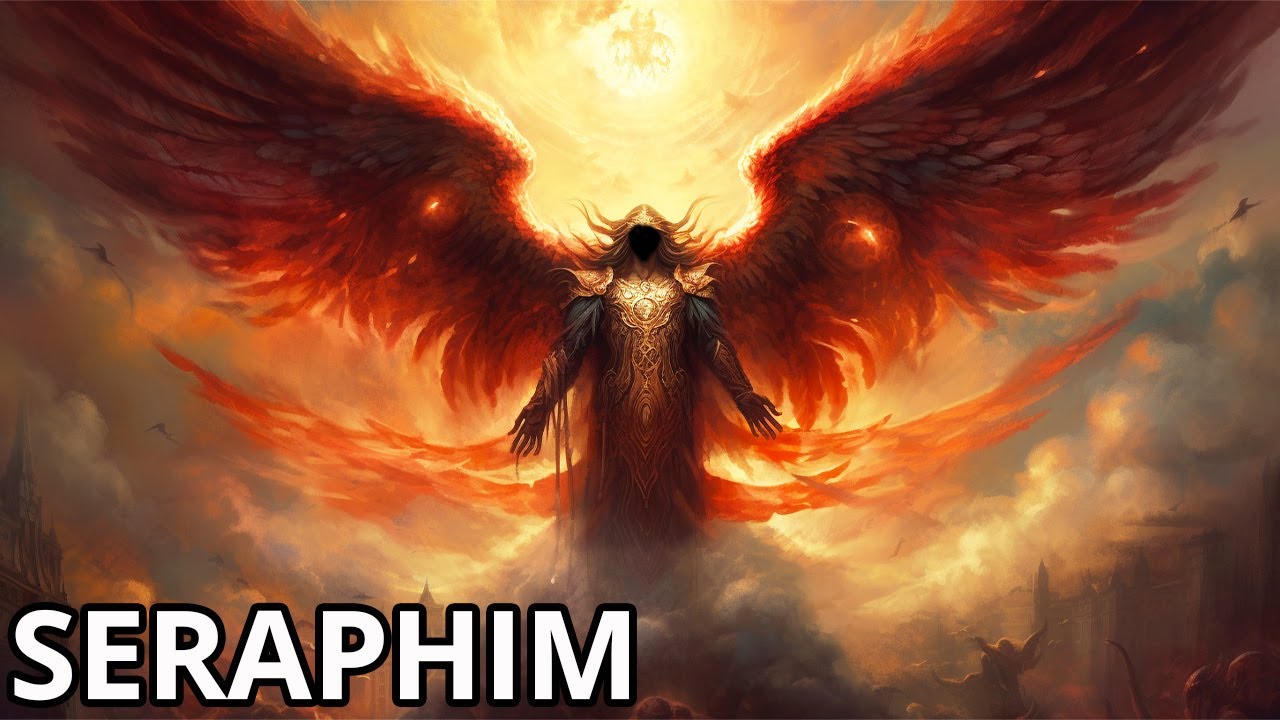
A seraphim (plural: seraphim) is a class of powerful angelic beings described in the Bible, particularly in Isaiah’s vision. They are often associated with the presence of God, serving as ardent worshippers and symbols of divine love, light, and purity, distinguished by their six wings.
Key facts about seraphim include:
- Highest Rank: Considered the closest angels to God’s throne.
- Fiery Nature: Their name means “the burning ones,” symbolizing intense zeal and purity.
- Six Wings: Used for flight, covering their faces (humility), and covering their feet (reverence).
- Continuous Worship: Constantly praise God, proclaiming His holiness.
Have you ever pondered the majestic beings that occupy the highest ranks of celestial hierarchy? One term that often arises in religious and theological discussions is seraphim. But what is a seraphim, and why do they hold such a significant place in various belief systems? Are they just ethereal figures, or do they have a more tangible role in the grand tapestry of the divine?
The truth about seraphim is far more profound and awe-inspiring than a casual glance might suggest. These aren’t just any angels; they are the “burning ones,” creatures of intense love, light, and purity, described as being in the closest proximity to God Himself. Their very existence speaks volumes about the glory and holiness of our Creator, and their role is one of continuous, passionate worship.

Understanding what a seraphim is allows us to glimpse a dimension of divine splendor that pushes the boundaries of human imagination. It challenges us to think beyond earthly hierarchies and appreciate the meticulous order of God’s heavenly court. For us here at oracioncristiana.org, exploring these celestial wonders deepens our awe and reverence for the Almighty.
So, let’s step into the highest heavens. Let’s delve into the 7 fascinating facts you need to know about what a seraphim truly is, and why these divine beings are so captivating.
1. What Is a Seraphim? (The Fiery “Burning Ones”)
Let’s begin with the most direct explanation. A seraphim (plural: seraphim) is a class of high-ranking angelic beings, described primarily in the Book of Isaiah, whose name means “the burning ones” or “fiery ones,” symbolizing their intense love, purity, and proximity to God.
The word “seraphim” comes from the Hebrew root saraph (שָׂרָף), which means “to burn” or “fiery serpent.” This isn’t just poetic license; it reflects their radiant, glowing, and purifying nature. They are beings of pure, intense light and heat, symbolizing God’s own holiness and consuming love (Hebrews 12:29, “Our God is a consuming fire”).
Their role is utterly crucial: they are attendants to God’s throne, intimately involved in heavenly worship. Unlike other angelic beings who might have broader functions as messengers or guardians, the primary purpose of the seraphim is uninterrupted adoration of God. They exist to glorify Him. As the Encyclopedia Britannica notes, seraphim are depicted as “burning, fiery beings.”
2. Their Appearance: Six Wings, Fire, and Proclamation of Holiness
When you encounter a seraphim in scripture, prepare to be awestruck. The Bible, specifically the prophet Isaiah, describes seraphim as having six wings, a fiery appearance, and a voice that incessantly proclaims God’s perfect holiness.
Isaiah’s famous vision (Isaiah 6:1-7) gives us the most vivid description:
“Above him were seraphim, each with six wings: With two wings they covered their faces, with two they covered their feet, and with two they were flying. And they were calling to one another: ‘Holy, holy, holy is the LORD Almighty; the whole earth is full of his glory.'” (Isaiah 6:2-3)
Let’s break down these striking features:
- Six Wings: This is a hallmark feature. The usage of their wings is deeply symbolic:
- Two for Covering Face: Symbolizes humility and reverence in the face of God’s blinding glory. Even these highest angels cannot fully gaze upon God’s majesty.
- Two for Covering Feet: Symbolizes humility and purity, as feet were often considered unclean. It also signifies their readiness to act in service.
- Two for Flying: Symbolizes their swift obedience and readiness to carry out God’s commands.
- Fiery Nature: As “burning ones,” their essence radiates with divine light and purity.
- Proclamation of Holiness: Their continuous cry of “Holy, holy, holy” underscores God’s absolute moral perfection and purity. This “Trisagion” (thrice holy) hymn is an ancient act of worship, still used in Christian liturgies today.
This appearance is designed to evoke a profound sense of awe, reverence, and the utterly transcendent nature of God. They are beings of pure, intense devotion.
3. Their Rank: The Highest in the Celestial Hierarchy
In the vast, unseen realm of angels, there’s an order, and the seraphim are at the very top. In traditional Christian and Jewish angelology, the seraphim are considered the highest choir or order of angels, positioned closest to the throne of God.
While the Bible itself doesn’t provide a rigid, explicit hierarchy, later theologians (most notably Pseudo-Dionysius the Areopagite in the 5th century CE) developed systems to categorize the various angelic beings mentioned in scripture. In these systems, seraphim occupy the First Triad (or Sphere), closest to the divine.
Their high rank is reflected in their primary duty: to eternally praise and adore God directly. They are the “inner circle” of heavenly beings, constantly bathed in God’s glory and radiating His love and light. This position emphasizes their unique role in understanding and reflecting the very essence of God’s being.
The proximity of seraphim to God’s throne highlights their profound importance in the heavenly court, underscoring their unwavering devotion and purity in worship. You can find more on the broader Hierarchy of Angels on Wikipedia.
4. Their Purpose: Purification and Prophetic Commission
Beyond eternal worship, the seraphim also have specific roles in God’s divine economy, particularly related to cleansing and commissioning. One of the key purposes of the seraphim, as seen in Isaiah’s vision, is to purify individuals for sacred service and to assist in prophetic commissioning.
In Isaiah 6, after proclaiming God’s holiness, Isaiah cries out, “Woe to me! …I am a man of unclean lips, and I live among a people of unclean lips; and my eyes have seen the King, the LORD Almighty” (Isaiah 6:5).
Then, a seraphim performs a remarkable act:
> “Then one of the seraphim flew to me with a live coal in his hand, which he had taken with tongs from the altar. With it he touched my mouth and said, ‘See, this has touched your lips; your guilt is taken away and your sin atoned for.'” (Isaiah 6:6-7)
This act of ritual purification, using a fiery coal from God’s altar, prepared Isaiah to receive his prophetic commission: “Then I heard the voice of the Lord saying, ‘Whom shall I send? And who will go for us?’ And I said, ‘Here am I. Send me!'” (Isaiah 6:8). The seraphim acted as an agent of God’s cleansing and enabling grace, allowing Isaiah to stand in God’s presence and receive His message.
5. Distinction from Cherubim: Wisdom vs. Adoration
It’s easy to confuse different types of angels, but seraphim have unique characteristics that set them apart, even from their high-ranking peers. While both are high-ranking angels, seraphim (the “burning ones” focused on adoration) are distinct from cherubim (the “guardians of holiness and knowledge” with multiple faces).
Here’s a quick comparison:
| Aspect | Seraphim | Cherubim |
|---|---|---|
| Biblical Appearance | Fiery, six wings, human-like form. | Complex, multiple faces (human, lion, ox, eagle), four wings, often with wheels (Ophanim). |
| Primary Role | Adoration, worship, proclaiming God’s holiness, purification. | Guardians of sacred spaces and divine knowledge, throne bearers. |
| Symbolism | Burning love, purity, zeal, humility. | Wisdom, knowledge, majesty, protection, omniscience. |
Both are incredibly powerful and awe-inspiring, but their specific functions and symbolic representations highlight the intricate diversity within God’s angelic host. Understanding these distinctions helps create a richer, more accurate picture of the celestial order.
6. Seraphim in Other Faiths and Modern Culture (A Lingering Awe)
While primarily rooted in Judeo-Christian theology, the concept of seraphim and similar fiery angelic beings has resonated in other traditions and continues to inspire modern culture. The awe-inspiring nature of seraphim has influenced Islamic traditions and contemporary artistic and literary interpretations, albeit with varying nuances.
- Islamic Tradition: In Islam, while the term “seraphim” isn’t directly used in the Quran, some Islamic scholars and traditions recognize angels with attributes similar to seraphim, such as their role in praising Allah and their close proximity to the divine throne. Angels (Malaika) are a core article of faith in Islam, with specific roles and duties.
- Art and Literature: From medieval illuminated manuscripts to Dante Alighieri’s Divine Comedy (where seraphim are depicted in the highest sphere of heaven, burning with divine love), seraphim have captivated artists and writers. Their imagery, often emphasizing their fiery nature and six wings, symbolizes purity, love, and divine intervention.
- Modern Interpretations: Contemporary fantasy and spiritual literature sometimes draw inspiration from biblical seraphim, portraying them as powerful, majestic beings of light and fire. Their enduring presence in human imagination speaks to a universal fascination with celestial beings.
7. Connecting with Seraphim Today: Lessons in Worship and Purity
While we don’t worship angels (all worship is for God alone through Christ), reflecting on the seraphim can deeply enrich our personal faith and inspire us to a more fervent devotion. Understanding seraphim can challenge us to cultivate a deeper sense of God’s holiness, to pursue personal purity, and to engage in more passionate and humble worship.
Here are some “lessons from the burning ones”:
- Cultivate a Sense of Awe: The seraphim’s continuous cry of “Holy, holy, holy” reminds us of God’s infinite majesty. Take time to simply stand in awe of God’s greatness, especially in creation or during worship.
- Pursue Purity: Just as a seraphim purified Isaiah, we are called to cleanse our own lives from sin. Repentance and seeking God’s forgiveness are essential for a life of holiness.
- Worship with Fervor: Let the seraphim’s fiery adoration inspire your own worship. Engage passionately in prayer, praise, and singing, giving God your best.
- Practice Humility: Their covering of faces and feet reminds us of the humility required in God’s presence. Recognize that all our gifts and abilities come from God, and approach Him with a humble heart.
- Respond to God’s Call: Like Isaiah, when we are purified and sense God’s call, be ready to say, “Here am I. Send me!” for whatever purpose He has for us.
Reflecting on the seraphim calls us to a higher standard of spiritual life—a life ablaze with love for God, characterized by purity, humility, and unwavering worship. They are a powerful mirror reflecting the glory of the God we serve.
What Does the Vision of the Seraphim Inspire in You?
The seraphim are far more than quaint artistic embellishments; they are majestic beings of fire, love, and worship, existing in the closest presence of God. Their biblical description challenges our limited imagination and invites us into a deeper understanding of divine holiness and glory. They are a powerful testament to the incredible, multi-dimensional nature of God’s creation, and a call to a more fervent, purer worship in our own lives.
May this exploration ignite a fresh passion for God’s glory in your heart, transforming your perception of the angelic realm and inspiring you to live a life that truly reflects His burning love.
Now, I’d love to hear from you. The comments section is open!
→ Which of these 7 fascinating facts about seraphim surprised you the most, or deepened your sense of awe for God?
→ How does picturing a biblically accurate seraphim (with six wings and fire!) change how you imagine heaven or angels?
→ What’s one practical way you feel inspired to cultivate a more “fiery” and pure worship of God in your daily life?
Let’s share our insights and encourage one another in our oracioncristiana.org community!
