What is a Catholic: 7 key beliefs you should know

Respuesta Rápida
A Catholic is a Christian who is a member of the Roman Catholic Church, the largest denomination in Christianity. Catholics follow the teachings of Jesus Christ and are led by the Pope, whom they see as the successor to the Apostle Peter.
Key beliefs that distinguish Catholicism include:
- Authority: Belief in the authority of the Bible, Sacred Tradition, and the teaching office of the Church (the Magisterium).
- The Sacraments: Recognition of seven sacraments as channels of God’s grace.
- The Eucharist: Belief in the Real Presence of Jesus in the Eucharist.
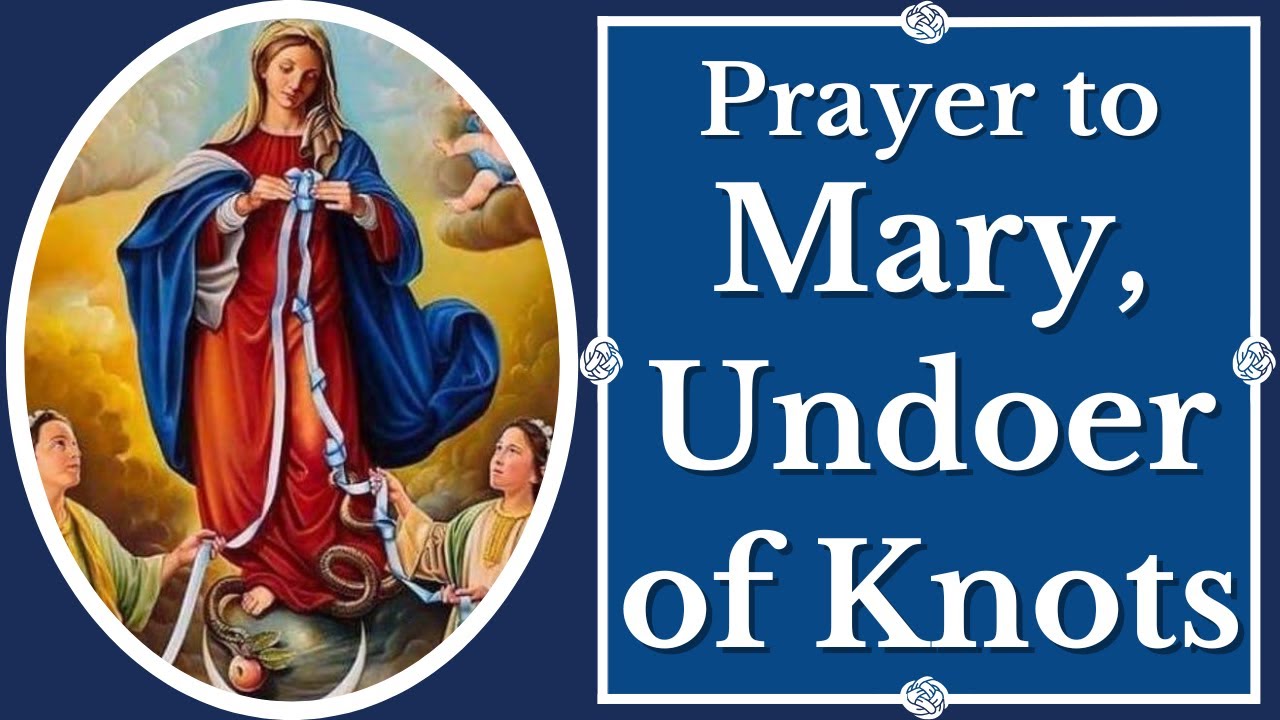
- Mary and the Saints: Veneration of the Virgin Mary and the saints as intercessors.
Have you ever heard someone say, “I’m not just a Christian, I’m a Catholic”? It’s a common phrase, but it can be a little confusing, right? What’s the difference? Isn’t being Catholic the same as being Christian? 🤔
It’s a great question, and the answer is both simple and incredibly deep. Think of Christianity as a massive, ancient family tree. Catholicism is the original, main trunk of that tree, from which other branches have grown over the centuries. So, all Catholics are Christians, but not all Christians are Catholic.

The Catholic Church is the largest Christian denomination in the world, with over 1.3 billion members. It’s a faith rich with 2,000 years of history, tradition, art, and a profound understanding of God. But what does it actually mean to be a Catholic? What are the core beliefs that shape the lives of more than a billion people on this planet?
Whether you’re exploring your own faith, curious about your Catholic friends and neighbors, or seeking answers for your spiritual journey here at oracioncristiana.org, you’ve come to the right place. Let’s dive into the 7 key beliefs that define what it means to be a Catholic.
1. The Bedrock of Faith: The Holy Trinity
Let’s start with the absolute foundation, the belief that unites Catholics with almost all other Christians. Catholics believe in one God who exists as three divine Persons: the Father, the Son (Jesus Christ), and the Holy Spirit. This is the mystery of the Holy Trinity.
This isn’t a belief in three different gods. It’s a belief in one God who is a perfect communion of love. Think of it like a shamrock ☘️, a famous analogy used by St. Patrick. The shamrock is one leaf, but it has three distinct parts. In the same way, God is one divine being, but He exists as three co-equal, co-eternal Persons.
- The Father: The Creator of all things, the loving origin of all life.
- The Son (Jesus Christ): The Father’s Word made flesh, who came to earth to save humanity.
- The Holy Spirit: The love that flows between the Father and the Son, who lives in our hearts and guides the Church.
This belief is the central mystery of the Christian faith. It tells us that, at His very core, God is not a solitary, distant being. God is a relationship. God is love.
2. The “Three-Legged Stool”: Bible, Tradition, and the Magisterium
This is where we see the first major difference between Catholics and many Protestant Christians. If you ask, “Where does a belief come from?” the answer is a bit more complex for a Catholic. Catholics believe that God’s revelation comes to us through both the Bible and Sacred Tradition, and that both are authentically interpreted by the Magisterium (the teaching authority of the Church).
Think of it as a “three-legged stool.” You need all three legs for it to be stable.
-
- The Bible (Sacred Scripture): Catholics have a deep reverence for the Bible as the inspired, inerrant Word of God.
- Sacred Tradition: This refers to the teachings that Jesus passed down orally to his apostles, which they, in turn, passed down through their successors (the bishops). It’s the “living memory” of the Church. It’s not a separate set of truths, but the context within which the Bible was written and is to be understood.
- The Magisterium: This is the Pope and the bishops in union with him. Catholics believe Jesus gave the apostles a special authority to “bind and loose”—to teach in his name (Matthew 16:18-19). This teaching authority, guided by the Holy Spirit, ensures that the faith is passed down correctly from one generation to the next.
Many Protestant denominations believe in Sola Scriptura (“Scripture Alone”). For Catholics, the Bible is the heart of the faith, but it’s part of a living, breathing tradition that has been guided by the Holy Spirit for 2,000 years.
3. The Papacy: A Successor to Saint Peter
This is one of the most visible and defining features of Catholicism. Catholics believe that the Pope, the Bishop of Rome, is the spiritual successor to the Apostle Peter, whom Jesus chose to be the leader of his Church on earth.
This belief is rooted in the powerful words Jesus spoke to Peter in the Gospel of Matthew:
> “And I tell you that you are Peter (which means ‘rock’), and on this rock I will build my church, and the gates of Hades will not overcome it. I will give you the keys of the kingdom of heaven…” (Matthew 16:18-19)
Catholics see this as Jesus establishing a real, visible office of leadership. The Pope’s job is to be the “Vicar of Christ”—his representative on Earth—and to serve as the ultimate sign of unity for the global Church. This passing down of authority from the apostles to their successors (the bishops) is called apostolic succession.
This is why the Catholic Church is “Roman” Catholic. Its earthly headquarters are in Rome, the city where St. Peter was martyred, and its leader is the successor to Peter himself.
4. The Sacraments: Physical Signs of Invisible Grace
Catholics have a deeply physical and tangible faith. They believe that God, who created a physical world, loves to reach us through physical things. A sacrament is an outward, visible sign, instituted by Christ, that gives us God’s grace.
The Catholic Church teaches there are seven sacraments, seven special moments where we can be certain God is pouring out His divine life into our souls.
| Sacrament | What It Is | Outward Sign |
|---|---|---|
| Baptism | Our spiritual birth, washing away sin. | Water |
| Confirmation | Strengthening with the Holy Spirit. | Anointing with Chrism Oil |
| Eucharist (Communion) | Receiving the Body and Blood of Christ. | Bread and Wine |
| Reconciliation (Confession) | Forgiveness of sins committed after Baptism. | Words of Absolution |
| Anointing of the Sick | Spiritual and physical healing. | Anointing with Oil |
| Matrimony | The union of a man and a woman. | The Vows of the Couple |
| Holy Orders | The ordination of deacons, priests, and bishops. | Laying on of Hands |
For Catholics, these aren’t just empty symbols. They are real, powerful encounters with Jesus himself, who works through these signs to give us his life and his grace.
5. The Real Presence: The Eucharist is Truly Jesus
Of all the sacraments, one is the “source and summit” of the Catholic faith: the Holy Eucharist. Catholics believe that the bread and wine consecrated at Mass are not just symbols of Jesus; they truly and substantially become his Body, Blood, Soul, and Divinity. This is the doctrine of the Real Presence.
This belief comes directly from the words of Jesus at the Last Supper:
> “While they were eating, Jesus took bread, and when he had given thanks, he broke it and gave it to his disciples, saying, ‘Take and eat; this is my body.’ Then he took a cup, and when he had given thanks, he gave it to them, saying, ‘Drink from it, all of you. This is my blood of the covenant…'” (Matthew 26:26-28)
Catholics take these words literally. Through the power of the Holy Spirit, in a process called transubstantiation, the bread and wine are changed in their deepest substance into Christ himself. The appearance of bread and wine remains, but the reality is Jesus. This is why Catholics have such a profound reverence for the Eucharist, genuflecting before the tabernacle and holding Eucharistic Adoration. It is a direct, physical communion with their Lord.
6. The Communion of Saints: A Family in Heaven and on Earth
Catholics have a powerful sense of being part of a vast, cosmic family that transcends time and space. They believe in the “communion of saints,” which is the spiritual union of all Christians—those on earth, those being purified in Purgatory, and those already in heaven.
This means that death does not break our family bonds. We are still connected to those who have gone before us. This belief leads to two key Catholic practices:
-
-
- Veneration of the Saints: Catholics do not worship saints. Worship is for God alone. They venerate (show great honor and respect to) the saints as heroes of the faith and as role models. They are seen as the “Church Triumphant” in heaven, who are cheering us on.
- Intercession of the Saints: Because we are all still connected in one family, Catholics believe we can ask the saints in heaven to pray for us, just as we would ask a friend on earth to pray for us. And they believe we can ask Mary, the Mother of God and the greatest of all saints, for her powerful intercession most of all.
-
This is a beautiful belief in a family that is bigger than death, a great “cloud of witnesses” (Hebrews 12:1) supporting us on our journey.
7. Social Justice: A Faith That Must Be Lived
Finally, being a Catholic isn’t just about personal piety. Catholicism has a rich and profound tradition of Catholic Social Teaching, which is the belief that our faith must be put into action to transform the world.
This “social Gospel” is based on the teachings of Jesus and the prophets, who constantly called for justice for the poor, the widow, the orphan, and the stranger. The Church has developed a powerful set of principles to guide Catholics in building a just and moral society. These include:
-
-
- The Life and Dignity of the Human Person: This is the bedrock. Every single human life, from conception to natural death, is sacred and has immeasurable dignity.
- A Preferential Option for the Poor and Vulnerable: In our decisions and policies, we must always put the needs of the poorest and most vulnerable members of society first.
- Care for God’s Creation: We have a moral duty to be good stewards of the earth and to protect the environment for future generations.
-
This teaching, powerfully articulated by popes from Leo XIII to Pope Francis, means that being a good Catholic involves working for justice, serving the poor, and protecting the vulnerable. It’s a faith that must be lived out in the public square. You can explore these teachings in depth on the USCCB website.
What Does It Mean to You to Be Catholic?
Being a Catholic is a deep, rich, and challenging journey. It’s a faith that engages the head and the heart, the soul and the senses. It’s a belief in a God who is both transcendent and intimately present in the sacraments. It’s a call to be part of a 2,000-year-old family and to work for a more just and loving world.
It is a universal (“catholic”) faith, with a home for every person, in every nation, from every walk of life.
Now, I’d love to hear from you. The comments section is ready for your thoughts!
→ If you are Catholic, what is the most beautiful or meaningful part of your faith?
→ Which of these 7 key beliefs surprised you or made you think the most?
→ What’s one thing you think people often misunderstand about Catholicism?
Let’s share our experiences and learn from one another with our oracioncristiana.org community!
