What Happens on the Days of Holy Week: 7 Traditions Explored

Respuesta Rápida
Holy Week is the most sacred time in the Christian calendar, commemorating the final week of Jesus’s earthly life, his death, and his resurrection. It is a journey from the highest highs to the lowest lows, all in the span of eight days.
The week unfolds through a series of deeply symbolic days and traditions:
- Palm Sunday: Jesus’s triumphant entry into Jerusalem.
- Holy Monday, Tuesday & Wednesday: Days of teaching, parables, and rising conflict.
- Maundy Thursday: The Last Supper and the command to “love one another.”
- Good Friday: The crucifixion and death of Jesus.
- Holy Saturday: A day of quiet waiting and anticipation.
- Easter Sunday: The glorious resurrection.
Have you ever felt the incredible buildup of emotion in a great story? The excitement, the tension, the sorrow, and then the triumphant, joyful ending? That is the journey of Holy Week. ✝️
It’s the most important and sacred week in the entire Christian year. It’s not just one holiday; it’s an eight-day, immersive experience that walks us through the final, dramatic days of Jesus’s life on earth. It’s a spiritual pilgrimage that takes us from the cheering crowds of Jerusalem to the quiet sorrow of the tomb, and finally, to the explosive joy of the resurrection.

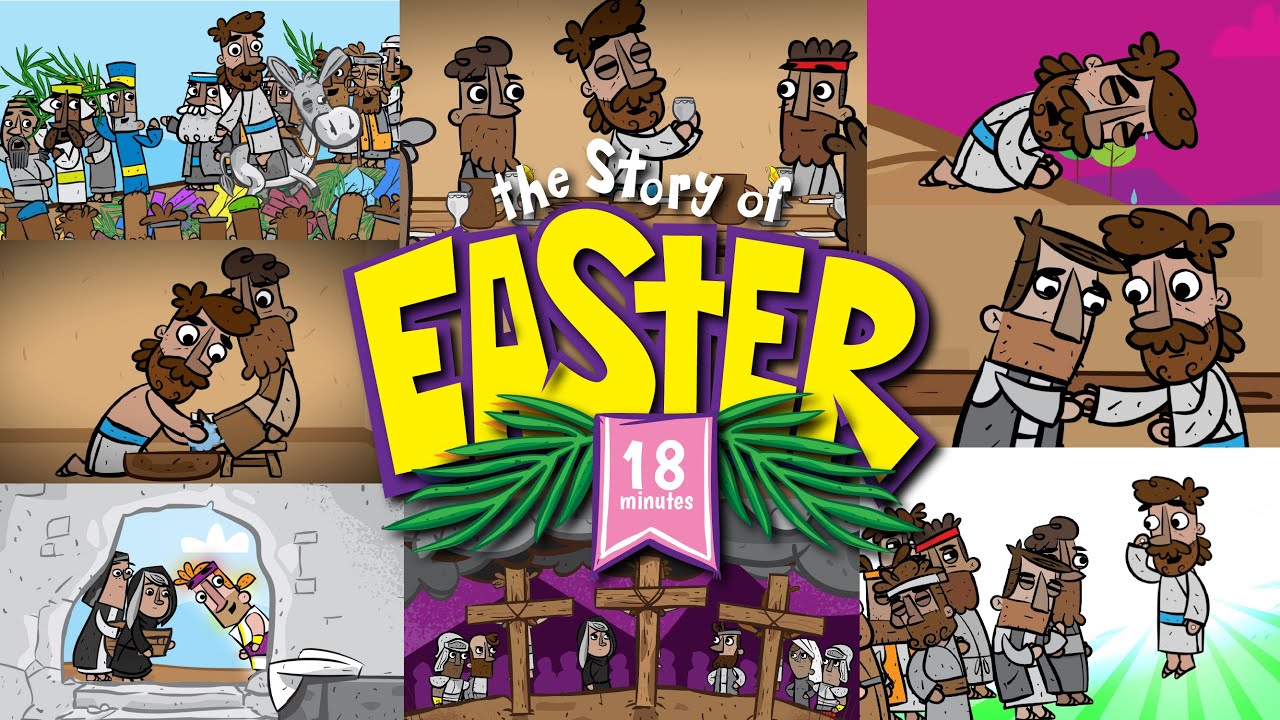
Each day of Holy Week has its own name, its own story, and its own beautiful traditions. Understanding what happens on these days is like getting a backstage pass to the heart of our faith. It transforms Easter from a single Sunday into a profound, week-long journey.
So, whether you’re a lifelong Christian wanting to deepen your appreciation, or just curious about what this time is all about, you’ve come to the right place. Here at oracioncristiana.org, we believe that walking this path together makes the journey richer. Let’s explore the 7 key traditions and events that define the days of Holy Week.
1. Palm Sunday: The Triumphant (and Tragic) Welcome
Holy Week kicks off with a parade. Palm Sunday commemorates Jesus’s triumphant entry into Jerusalem. This is the moment Jesus, for the first time, allows the crowds to worship him as the long-awaited King.
The story, found in all four Gospels (e.g., Matthew 21:1-11), is full of royal symbolism. Jesus rides into the city on a humble donkey, fulfilling an ancient prophecy from Zechariah 9:9 about a gentle and peaceful king. The crowds go wild, spreading their cloaks and palm branches on the road—an ancient sign of honor reserved for royalty. They shout, “Hosanna to the Son of David! Blessed is he who comes in the name of the Lord!”
The Tradition: In churches all over the world, this day is celebrated with processions of palms. Worshippers are given palm fronds, often woven into the shape of crosses, which they hold during the service. It’s a moment of joy and celebration, but it’s a joy tinged with sadness. We know that the same crowds shouting “Hosanna!” (“Save us!”) on Sunday will be shouting “Crucify him!” just a few days later. This dramatic irony sets the stage for the entire week.
2. Holy Monday, Tuesday, and Wednesday: The Final Teachings and Rising Tension
After the parade, the mood shifts. These next three days are the “calm before the storm,” but they are filled with some of Jesus’s most intense and final teachings. These are the days Jesus cleanses the Temple, debates with the religious leaders, and tells his final parables.
- Holy Monday: This day is traditionally associated with Jesus cleansing the Temple (Mark 11:15-19). He drives out the money changers and merchants, declaring, “My house shall be called a house of prayer for all nations, but you have made it a ‘den of robbers.'” This act of righteous anger is a direct challenge to the corrupt religious authorities and seals his fate.
- Holy Tuesday: This is a day of powerful teaching. Jesus tells parables about the end times (like the Parable of the Ten Virgins and the Parable of the Talents) and gives his famous Olivet Discourse (Matthew 24-25), a detailed prophecy about the destruction of Jerusalem and his Second Coming.
- Spy Wednesday: The mood turns dark. This day is named for the event that sets the crucifixion in motion. It is the day that Judas Iscariot goes to the chief priests and agrees to betray Jesus for 30 pieces of silver (Matthew 26:14-16). It is a solemn day of reflection on betrayal and sin.
The Tradition: Many churches hold special services on these days, often focusing on scripture reading and quiet reflection. It’s a time to sit with Jesus’s final words and to feel the tension building as the forces of darkness gather against him.
3. Maundy Thursday: A New Commandment of Love (and a Last Supper)
This is the day of the Last Supper. Maundy Thursday commemorates the final meal Jesus shared with his disciples in the Upper Room, the night before he was arrested.
The name “Maundy” comes from the Latin word mandatum, which means “commandment.” It refers to the new commandment Jesus gave his disciples that night:
> “A new command I give you: Love one another. As I have loved you, so you must love one another.” (John 13:34)
This was a night of incredibly profound events:
- The Washing of the Feet: In a stunning act of humility, Jesus, the master, washes his disciples’ feet, teaching them that leadership in his kingdom is about service (John 13:1-17).
- The Institution of the Eucharist: Jesus takes the bread and wine of the Passover meal and institutes the sacrament of Holy Communion, giving the Church his Body and Blood for all time (Matthew 26:26-28).
- The Agony in the Garden: After the supper, Jesus goes to the Garden of Gethsemane to pray, where he sweats drops of blood in anguish as he accepts his Father’s will. This is where he is betrayed by Judas and arrested.
The Tradition: Maundy Thursday services are some of the most beautiful of the year. They often include the Washing of the Feet ceremony, the celebration of the Lord’s Supper, and the “stripping of the altar,” where all decorations are removed from the church, leaving it bare and empty for the sorrow of Good Friday.
4. Good Friday: The Day the World Went Dark
This is the most solemn and sorrowful day of the Christian year. Good Friday is the day we commemorate the crucifixion and death of Jesus Christ on the cross at Calvary.
Why do we call such a dark day “Good”? Because, in the mystery of faith, this horrific event is the source of our greatest good. It was through his suffering and death that Jesus paid the price for our sins and achieved our salvation. The Encyclopedia Britannica notes that the name may be a corruption of “God’s Friday.”
On this day, we reflect on the “Passion” of Christ—the story of his suffering and death. This includes his trial before Pontius Pilate, his scourging, his carrying of the cross, the “Seven Last Words” he spoke from the cross, and his death at around 3:00 in the afternoon.
The Tradition: Good Friday services are somber and reflective. There is no music, the church is bare, and the tabernacle is empty. Key traditions include:
- The Stations of the Cross: A devotion where believers walk a path of 14 “stations,” meditating on the key moments of Jesus’s journey to the cross.
- Veneration of the Cross: A powerful moment where the faithful come forward to kneel before and kiss a simple wooden cross.
- Fasting and Prayer: It is traditionally a day of strict fasting and abstinence.
It is a day to sit at the foot of the cross and contemplate the immense love and sacrifice of our Savior.
5. Holy Saturday: The Stillness and the Waiting
If Good Friday is the day of intense sorrow, Holy Saturday is the day of profound silence. Holy Saturday is the day Jesus’s body lay in the tomb. It is a day of waiting, of stillness, of the “in-between.”
The Gospels tell us very little about this day. The disciples were hidden away in fear and grief. The world was quiet. But theologically, it is a day of immense significance. The Apostles’ Creed says that on this day, Jesus “descended into hell” (or, more accurately, the “abode of the dead”). The Church teaches that he went to the realm of the dead to bring the good news of salvation to all the righteous souls who had died before him, like Adam and Eve, Abraham, and Moses.
The Tradition: During the daytime on Holy Saturday, there are no Masses or services. It is a time for quiet reflection and anticipation. But that silence is broken on Saturday night with the most glorious and important liturgy of the entire year: the Easter Vigil.
6. The Easter Vigil: The Night of Light and Resurrection
The waiting is over. The Easter Vigil, held on the night of Holy Saturday, is the first official celebration of the Resurrection of Jesus.
It is a stunning and dramatic service that moves from darkness to light. It typically begins after sunset outside the darkened church.
The Vigil has four main parts:
- The Service of Light: The service starts with the blessing of a new fire and the lighting of the large Paschal Candle (the Easter Candle). This single flame is then passed from person to person, filling the dark church with candlelight, symbolizing Christ as the Light of the World.
- The Liturgy of the Word: There are numerous readings from the Old Testament, recounting the entire story of salvation history, from creation to the prophets.
- The Liturgy of Baptism: This is the traditional time for new members of the Church (catechumens) to be baptized and confirmed, welcomed into the faith at the very moment the Church celebrates its new life. The congregation also renews their own baptismal promises.
- The Liturgy of the Eucharist: For the first time since Maundy Thursday, the church joyfully proclaims “Alleluia!” and celebrates the Eucharist.
The Easter Vigil is the “mother of all vigils,” a powerful and beautiful celebration of our faith’s central mystery.
7. Easter Sunday: The Feast of Feasts!
The journey is complete. The tomb is empty. Easter Sunday is the joyful celebration of the resurrection of Jesus Christ from the dead. It is the single most important day in the Christian faith.
As the Apostle Paul wrote, “And if Christ has not been raised, our preaching is useless and so is your faith” (1 Corinthians 15:14). The Resurrection is the ultimate proof of Jesus’s divinity. It is the victory over sin and death. It is the foundation of our hope for eternal life.
The Tradition: Easter Sunday is a day of pure joy. Churches are filled with flowers (especially Easter lilies), glorious music, and cries of “Alleluia! Christ is Risen!” It is a day for feasting and celebrating with family and friends. Traditions like sunrise services, Easter egg hunts (a symbol of new life), and family dinners are all ways we celebrate this “Feast of Feasts.” It is the joyful climax to the epic journey of Holy Week.
What Part of the Holy Week Journey Speaks to You?
As you can see, Holy Week is so much more than just a single day. It’s a rich, emotional, and deeply spiritual journey that invites us to walk alongside Jesus in his final days. It allows us to experience the full spectrum of our faith—the joy, the sorrow, the waiting, and the ultimate triumph.
I hope this guide helps you enter into this sacred time with a new and deeper understanding.
Now, I’d love to hear from you in the comments below!
→ What is your favorite tradition or service during Holy Week?
→ Which day of Holy Week do you find most spiritually powerful in your own life?
→ What’s one way you plan to make this Holy Week more meaningful for you and your family?
Let’s share our experiences and traditions with our oracioncristiana.org community!
