What Happened on Palm Sunday: 5 Key Events to Remember
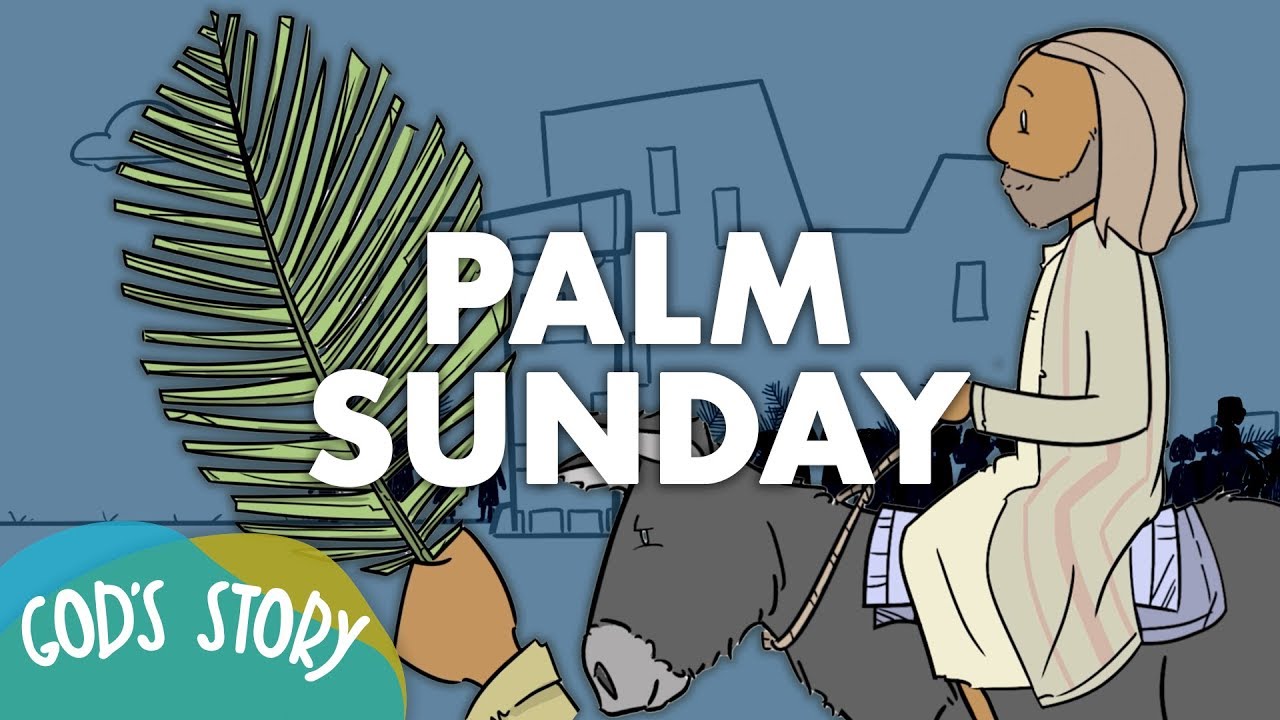
What Happened on Palm Sunday: A Historical Overview
🌿 Palm Sunday marks a significant event in the Christian calendar, commemorating the triumphant entry of Jesus Christ into Jerusalem. This moment, celebrated on the Sunday before Easter, sets the stage for the Passion Week, ultimately culminating in the resurrection of Jesus. The event is not only a pivotal moment in the New Testament but also a profound symbol of faith, hope, and the fulfillment of prophecy.
The Scriptural Basis for Palm Sunday
According to the Gospels of Matthew, Mark, Luke, and John, Jesus’s entry into Jerusalem was heralded by crowds waving palm branches and laying them along his path, symbolizing victory and peace. These actions fulfilled the ancient prophecy found in Zechariah 9:9, which states, “Rejoice greatly, O daughter of Zion! Shout, daughter of Jerusalem! See, your king comes to you, righteous and having salvation, gentle and riding on a donkey.”
The Significance of Palm Branches
In the context of ancient Jewish culture, palm branches were a symbol of victory and triumph. By waving them and placing them at Jesus’s feet, the crowd was acknowledging him as their anticipated Messiah. This act was filled with meaning, representing not only joy but also the deep-rooted desire for liberation from Roman oppression and the inauguration of a new era of peace.
The Role of the Crowd and the Praise of Jesus
The reactions of the crowd further emphasize the excitement surrounding Jesus’s arrival. As he entered Jerusalem, many spread their cloaks on the ground and cried out, “Hosanna! Blessed is he who comes in the name of the Lord!” This shout of “Hosanna” translates to “save us,” reflecting the people’s hopes for immediate rescue and deliverance.


Theological Reflections on Palm Sunday
Understanding what happened on Palm Sunday also involves engaging with its theological implications. It invites believers to reflect on the nature of Jesus’s kingship, contrasting the expectations of the crowd with the reality of his imminent suffering and death.
Expectation vs. Reality
Many in the crowd anticipated a political savior who would overthrow the Roman authorities and restore Israel’s sovereignty. Instead, Jesus exemplified a different kind of leadership—one marked by humility, sacrificial love, and a path to spiritual redemption. This contrast poses profound questions about the nature of power and the kingdom of God.
The Humble King
Jesus’s choice to ride on a donkey, rather than a warhorse, symbolizes peace rather than conflict. This aspect of his arrival profoundly highlights the characteristics of his kingdom, which is built on love, forgiveness, and reconciliation rather than earthly power.
Celebrating Palm Sunday Today
For contemporary Christians, Palm Sunday continues to be a vital time of reflection and celebration within their communities. Many churches hold special services, processions, and rituals that reenact this biblical event.
Symbols and Traditions
During Palm Sunday services, congregants often receive palm branches, which they may take home and display as a reminder of Jesus’s triumphal entry. In some traditions, these palm branches are later burned to create ashes for the following year’s Ash Wednesday services, continuing the cycle of reflection and repentance.
Connecting to Global Practices
In various cultures, the observance of Palm Sunday is accompanied by unique traditions. For instance, in Spain and Latin America, elaborate processions take place, showcasing the deep sense of community and spiritual connection among believers. Celebrating Palm Sunday in these diverse forms underscores the universality of Jesus’s message.
The Hope and Anticipation of Holy Week
As Palm Sunday marks the beginning of Holy Week, it serves as a bridge to upcoming events that lead to Easter. Each day of this week holds profound meaning, inviting introspection regarding Jesus’s teachings and the significance of his sacrifice.
Reflecting on Suffering and Sacrifice
Following Palm Sunday, Christians remember the Last Supper, the betrayal of Judas, and the agony of Gethsemane, ultimately leading to the crucifixion. The day’s joyful celebration is soon contrasted with the somber realities of Jesus’s journey toward the cross, highlighting the depth of God’s love.
Applying the Lessons of Palm Sunday to Daily Life
Understanding what happened on Palm Sunday can also inform how believers engage with their faith and communities. Here are several practical ideas to integrate the day’s learnings into life:
- Engage in Community Service: Just as Jesus came to serve, consider initiating or participating in local charitable acts that reflect his love and humility.
- Host a Reflection Gathering: Organizing a small group to discuss the significance of Palm Sunday and the events of Holy Week can bring deeper understanding and unity within your community.
- Start a Tradition: Create a family tradition around Palm Sunday, such as making palm crosses or sharing stories about the meaning of sacrifice and service.
- Incorporate Prayer and Reflection: Use this time to deepen your spiritual practices by incorporating prayer or meditation focused on Jesus’s mission and what it means for your life.
- Volunteer at a Local Church: Offer assistance during Holy Week services. Being part of the preparations can help you connect with others who share your faith.
Conclusion
What happened on Palm Sunday holds great significance for Christians around the world. It not only commemorates the entry of Jesus but also invites believers to reflect on their faith, responsibilities, and the nature of Christ’s kingdom. The day serves as a reminder of hope, humility, and the true essence of leadership. As we move into Holy Week, may we carry forward the lessons learned from this pivotal moment, embracing the spirit of Palm Sunday in our daily lives.
For further reading on Palm Sunday and its importance, check out these Wikipedia and learn how various cultures celebrate this day.
Additionally, you’ll find more insights on Christianity Today, which offers stories and traditions surrounding Palm Sunday.
For a deeper exploration of the theological implications, visit The Gospel Coalition.
By understanding these dimensions of Palm Sunday, you can deepen your appreciation and connection to this important Christian observance.
Theological Significance of Palm Sunday
Every year, millions of Christians around the globe observe Palm Sunday, marking the beginning of Holy Week. This important day commemorates the triumphant entry of Jesus Christ into Jerusalem, a moment steeped in theological significance and rich with symbolism. On this day, crowds laid palm branches and their cloaks on the ground, welcoming Jesus as a king and fulfilling ancient prophecies about the Messiah.
Understanding the theological implications of Palm Sunday helps deepen our appreciation for the events that transpired leading up to the crucifixion and resurrection of Jesus. The palm branches symbolize victory and peace, reflecting the nature of Jesus’s kingship—not as a political ruler, but as the Savior who would ultimately offer salvation through His sacrifice.
The Prophecy Fulfilled
Many see Palm Sunday as the fulfillment of Zechariah 9:9, which foretold the coming of a humble king riding on a donkey. The choice of a donkey rather than a warhorse signifies peace rather than conquest. Observing these elements helps believers appreciate the profound message Jesus conveyed about His kingdom—one that prioritizes love, humility, and grace over political power or military might.
What Happened on Palm Sunday: A Detailed Account
To understand what happened on Palm Sunday, we must explore the events leading up to that momentous occasion. Jesus’s journey to Jerusalem was a significant part of His ministry, showcasing His miracles and teachings that attracted large crowds. The excitement around His arrival grew as people began to believe He was the Messiah they had long awaited.
The Gathering of the Crowds
As Jesus approached Jerusalem, the crowds began to gather. Many were familiar with His miracles, such as raising Lazarus from the dead, which further stirred the anticipation. The enthusiasm of the crowd reached a peak as they shouted “Hosanna!”—a plea for salvation and an acknowledgment of Jesus’s authority as they recognized Him as king.
The Entrance into Jerusalem
On that fateful day, Jesus entered Jerusalem riding on a donkey, and the crowds responded with exuberance. They waved palm branches, symbolizing victory, and laid them on His path as an act of homage. The joy in the air was palpable, which made this event a stark contrast to the sorrow and despair that would follow in the coming days.
Unlike other celebrations where political figures might enter on grand horses or floating on luxury carriages, Jesus’s humble entry carried a deeper significance, embodying the essence of His mission on Earth: to serve and to save.
The Reactions to Palm Sunday Events
The reactions to what happened on Palm Sunday were varied. While the crowds celebrated and glorified Jesus, the religious leaders of the time looked upon the event with disdain. They feared the growing influence Jesus had on the masses, believing it threatened their power and authority.
The Pharisees’ Discontent
The Gospel of Luke recounts a fascinating moment where some of the Pharisees in the crowd urged Jesus to rebuke His followers for their enthusiasm. In response, Jesus replied, “If they keep quiet, the stones will cry out,” suggesting that the truth of His identity could not be contained. This underscores an essential point: the acknowledgment of Jesus as the Messiah was not merely a human perception, but a truth rooted in divine prophecy and fulfillment.
Traditions Associated with Palm Sunday
Over time, various traditions have emerged surrounding Palm Sunday that help commemorate the events of that day. Churches around the world have developed rituals that not only celebrate the triumphal entry but also serve as a reminder of the passion of Christ that follows.
Processions and Blessings
Many congregations hold processions on Palm Sunday where palms are blessed and distributed. This tradition is a way for believers to actively participate in the re-enactment of the events as they walk in remembrance of Jesus’s entry into Jerusalem. The palms are often kept at home as a symbol of faith throughout the year.
Personal Reflection and Preparation
Palm Sunday is not only a celebration, but also a time for personal reflection. It marks the beginning of Holy Week, a period of preparation leading up to Easter. Many Christians take this time to engage in prayer, fasting, and self-examination, assessing their spiritual walk and relationship with Christ.
How to Incorporate Palm Sunday into Your Practice
Consider incorporating the lessons and themes of Palm Sunday into your spiritual practice. Here are some actionable ideas that can enrich your observance of this pivotal day:
1. Participate in a Local Palm Sunday Service
Joining your local congregation for Palm Sunday services not only enriches your spiritual journey but also strengthens your sense of community. Engage with the worshipers and reflect on the scriptures shared during the service to deepen your understanding.
2. Create a Home Altar with Palm Branches
Keeping palm branches at home as a decorative symbol during Holy Week allows you to create a personal altar. Use this space for daily prayers, reflecting on Jesus’s journey toward the Cross and what His sacrifice means to you.
3. Organize a Community Walk
Like the processions traditionally held in churches, organizing a community walk can be a meaningful activity to celebrate Palm Sunday. Walk through your neighborhood while praying or singing hymns, sharing the message of Jesus and connecting with others may empower your local community.
4. Engage in Acts of Service
In the spirit of humility that Jesus demonstrated, consider engaging in acts of service or charity on Palm Sunday. This could be volunteering at a local shelter or helping those in need within your community. Reflecting on the blessings you can share helps embody the message of love and compassion Jesus brought to the world.
5. Start a Lenten Reflection Journal
As Palm Sunday marks the beginning of Holy Week, start a reflection journal to document your thoughts and prayers. Engage with daily readings and consider how each day leads to Jesus’s journey through suffering and sacrifice, enhancing your connection to the Easter story.
Cultural Impact of Palm Sunday
The cultural impact of Palm Sunday extends beyond religious observance. Within the arts, music, and literature, representations of Palm Sunday can be seen, deepening the understanding of its significance in the life of the Christian community.
Artistic Representations
Throughout history, artists have been inspired by the events of Palm Sunday. Paintings depicting the triumphant entry of Jesus are common, often highlighting the joy and worship of the crowds. These artistic expressions serve as a visual reminder of the importance of the day and ignite the viewer’s imagination regarding the events that would unfold thereafter.
Musical Celebrations
Church music also reflects the themes of Palm Sunday, featuring hymns and songs that celebrate Christ’s kingship and the joy of the people. Engaging in congregational singing on this day not only uplifts the spirit, but also reinforces the community’s bond through worship.
Conclusion
As you navigate through the events and significance of Palm Sunday, you see that it encapsulates a profound message about Jesus’s mission and His heart for humanity. The humble entry into Jerusalem, the joyous shouts of the crowd, and the subsequent events of Holy Week highlight the essence of God’s love manifested through Jesus. Engaging with Palm Sunday invites believers into a reflective state, preparing their hearts for the deeper meanings of the days to come.
Whether you observe Palm Sunday through traditional rituals, personal reflections, or community involvement, remember that this pivotal day sets the tone for a significant week in the Christian calendar. Embrace the journey ahead with open hearts and minds, allowing the events of Palm Sunday to inspire and guide your spiritual walk.
For authoritative insights on the theological significance of Palm Sunday, you can visit Wikipedia. For liturgical practices, check out resources from The Episcopal Church, or explore Christianity.com for a broader understanding. You may also find scholarly discussions on the implications of Palm Sunday in works like Bible Study Tools and explore Christian-themed traditions discussed on History.com.
Cultural Celebrations and Palm Sunday Traditions
What Happened on Palm Sunday 🌿
Have you ever wondered about the significance of Palm Sunday? This sacred day is a remarkable event in the Christian calendar, filled with rich symbolism, cultural traditions, and profound meanings. As we delve into what happened on Palm Sunday, we’ll also explore its historical context and how it shapes contemporary religious practices.
Historical Background of Palm Sunday
To fully appreciate what happened on Palm Sunday, we need to revisit ancient history. The event is connected to Jesus’ triumphant entry into Jerusalem, which is documented in the New Testament Gospels. This occurred shortly before His crucifixion, commemorating His role as a central figure in Christianity.
According to the Gospels, Jesus rode into Jerusalem on a donkey, fulfilling a prophecy from Zechariah 9:9. The crowd welcomed Him by laying down palm branches—which symbolize victory and peace—on the ground. This moment has come to represent Jesus as the Messiah and King, an idea that resonates strongly in various Christian traditions today.
The Significance of Palm Branches
Why palm branches, you may ask? The use of palms dates back to ancient cultures, representing triumph, victory, and peace. When the people greeted Jesus with palms, it conveyed their hopes for a political savior, one who would liberate them from Roman oppression. This mirrors historical symbolic uses in cultures worldwide, such as in ancient Greece, where palm branches were used to honor victors in athletic competitions.
Thus, the gesture of waving palm branches signifies not just a celebration but an acknowledgment of Jesus’ divine mission. This symbolism sets the tone for the events that unfold in Holy Week, leading to His passion and resurrection.
Cultural and Religious Observances
Different denominations celebrate Palm Sunday in various ways. Many Christian communities commemorate the day with special liturgies that include the distribution of palm leaves. These palms are often blessed and then taken home by parishioners to decorate their houses or be used in future religious ceremonies.
Did you know that in some cultures, such as in Italy, palms are intertwined with various decorative items, creating intricate symbols? This is said to serve as a reminder of the sacred importance of Palm Sunday, reinforcing the connection between tradition and belief.
The Gospel Accounts of Palm Sunday
The accounts of Palm Sunday are found in all four Gospels: Matthew, Mark, Luke, and John. Each narrative adds its unique angle and emphasis. For instance, the Gospel of Matthew emphasizes the fulfillment of prophecy, whereas Luke focuses on the compassion of Jesus as He approaches Jerusalem.
These varied perspectives illustrate the depth of the event. They show us that what happened on Palm Sunday was not merely a historical event, but a moment steeped in spirituality, teaching us about faith, humility, and the significance of recognizing a leader guided by moral principles.
Contemporary Practices and Celebrations
In modern times, Palm Sunday has become a significant day in the Christian liturgical calendar. It marks the beginning of Holy Week, which culminates in Easter Sunday. Many congregations hold processions, often mimicking the entry of Jesus into Jerusalem. Participants might carry palm fronds or branches, creating a living reenactment of the biblical story.
Interestingly, compared to other religious observances, Palm Sunday stands out for its vibrant celebrations and community involvement. Unlike some more solemn rites that focus on introspection, Palm Sunday is marked by joy and communal participation, bridging tradition with modern expressions of faith.
Practical and Actionable Ideas for Celebrating Palm Sunday
Here are a few actionable ideas to enrich your Palm Sunday experience:
- Community Processions: Organize or participate in a Palm Sunday procession. This can be especially meaningful and fosters a sense of community.
- DIY Palm Crafts: Create decorative items using palm fronds. This not only reinforces the symbolism but also provides a hands-on way to engage with the tradition.
- Reflection and Prayer: Take time on Palm Sunday to reflect on its spiritual significance. Consider incorporating specific prayers or readings that resonate with the themes of triumph and humility.
- Family Teachings: Use Palm Sunday as an opportunity to teach children about its significance. Engage them with storytelling or art projects centered around the event.
- Virtual Celebrations: For those unable to attend services physically, creating a virtual gathering can ensure everyone remains connected during this holy time.
Comparing Palm Sunday Celebrations
Compared to other significant days within the Christian calendar, such as Ash Wednesday or Easter, Palm Sunday provides a unique opportunity for joyous expression. While Ash Wednesday is characterized by solemnity and reflection, Palm Sunday embraces celebration and community engagement. This distinctiveness creates a vibrant atmosphere that engages both the faithful and the curious.
Unlike the more individualized practices seen during Lent, Palm Sunday emphasizes collective worship, making it an ideal time for congregations to reinforce community bonds and celebrate their shared faith.
Symbolism Beyond the Branches
The palm branches serve as more than just a physical representation. They evoke reflections on peace, sacrifice, and the nature of leadership. As you consider what happened on Palm Sunday, think about these layers of meaning that extend far beyond the historical events.
What you’ll discover next may surprise you: the palm branches were not simply a tool for celebration, but a call to action for those who believe in peace and justice, echoing throughout Christian teaching and community interactions.
Linking Palm Sunday with Broader Themes
It’s compelling to see how Palm Sunday relates to broader themes of hope and renewal, especially when considering it alongside the concept of resurrection celebrated during Easter. By using the contrasting elements of victory and sacrifice, Palm Sunday lays the groundwork for understanding the eventual sacrifice of Jesus.
This interconnection invites deeper exploration of these themes in various contexts, helping individuals relate more personally to both the historical and spiritual implications of the events.
External Resources For Further Learning
To deepen your understanding of Palm Sunday, consider exploring the following resources:
- Wikipedia: Palm Sunday
- History.com: Palm Sunday
- Catholic Online: Palm Sunday
- Encyclopedia Britannica: Palm Sunday
- Christianity.com: What is Palm Sunday?
Conclusion
In exploring what happened on Palm Sunday, we traverse a rich tapestry of history, culture, and spirituality. From its roots in ancient practices to contemporary celebrations, the significance of this day transcends mere historical facts, inviting each of us to embrace its powerful messages of hope, community, and faith. This vibrant day not only marks the beginning of Holy Week but also inspires a greater understanding of our shared beliefs and the paths we take in life.
