Was there an earthquake when Jesus died? 7 astonishing facts
Respuesta Rápida
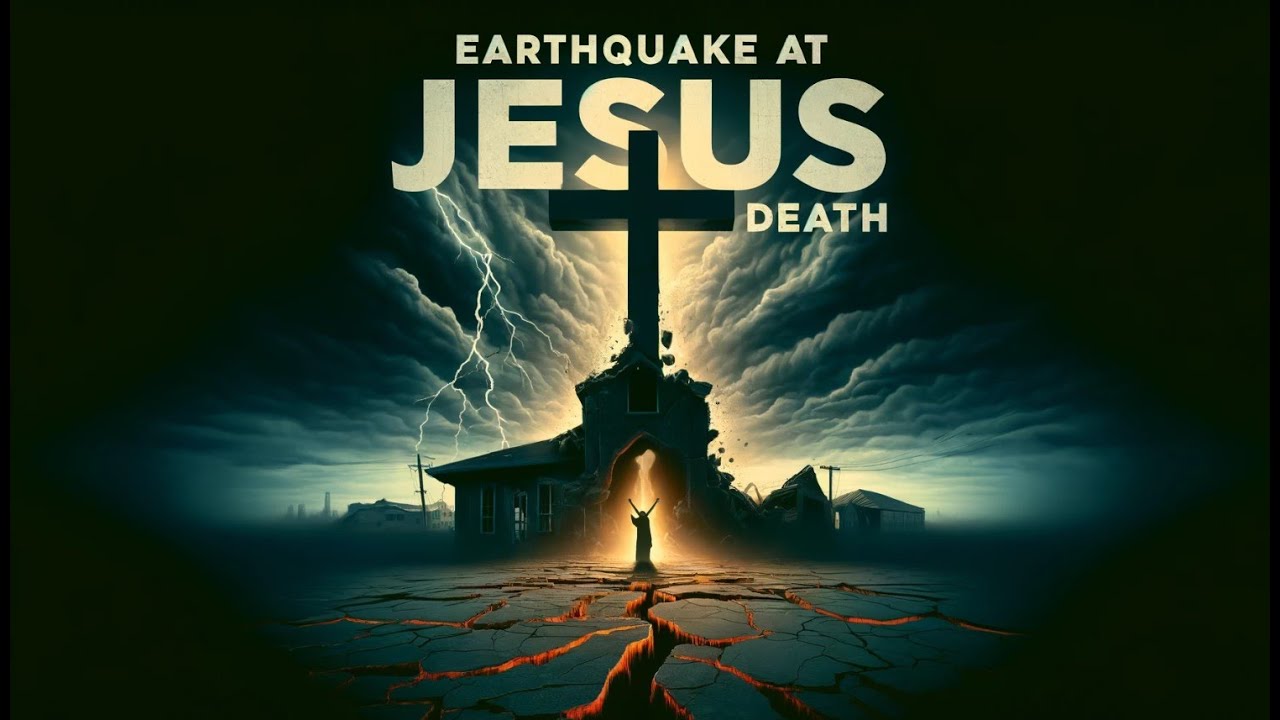
Yes, the Bible states there was an earthquake when Jesus died. The Gospel of Matthew (27:51-54) explicitly records that “the earth shook, the rocks split and the tombs broke open” at the moment of Christ’s death. This powerful event is presented as a supernatural sign of the cosmic significance of His sacrifice.
Seven key insights into this astonishing event include:
- Biblical Account: Matthew is the only Gospel that explicitly mentions the earthquake at Jesus’s death.
- Torn Temple Curtain: The earthquake coincided with the tearing of the Temple veil.
- Resurrection of Saints: Matthew records that tombs opened and holy people were resurrected.
- Centurion’s Confession: The event led a Roman centurion to declare, “Surely he was the Son of God!”
- Geological Possibility: The region is seismically active, lending geological plausibility.
- Symbolic Meaning: It symbolizes God’s judgment and the shaking of old orders.
- A Divine Sign: It serves as a miraculous sign of the power and significance of Christ’s death.
Have you ever pictured the scene of the crucifixion, a moment steeped in sorrow and divine sacrifice, and wondered about the dramatic events that the Bible says accompanied it? Beyond the darkness that fell over the land, the Gospels speak of a truly earth-shattering event. This raises the profound question: “Was there an earthquake when Jesus died?” This isn’t just a matter of historical curiosity; it’s an exploration into a moment where the natural world itself seemed to cry out in response to a cosmic, spiritual event.
Understanding the biblical account of this earthquake, and the scientific and historical evidence that may support it, isn’t just for theologians or geologists. It’s about grasping a foundational concept that empowers personal faith, deepens our appreciation for the Gospels’ testimony, and clarifies the awesome power of Christ’s sacrifice. For us here at oracioncristiana.org, exploring such timeless truths strengthens our faith and illuminates our path. You are invited to uncover the 7 astonishing facts surrounding the earthquake when Jesus died!


1. The Biblical Account: Matthew’s Explicit Testimony
First, it is crucial to turn to the primary source for this claim. Yes, the Bible explicitly states that there was an earthquake at the moment Jesus died, a powerful testimony recorded in the Gospel of Matthew.
While the other Gospels (Mark, Luke, and John) mention the tearing of the Temple curtain, only Matthew includes the detail of the earthquake, connecting it directly to Jesus’s death and other supernatural occurrences.
“And when Jesus had cried out again in a loud voice, he gave up his spirit. At that moment the curtain of the temple was torn in two from top to bottom. The earth shook, the rocks split and the tombs broke open.” (Matthew 27:50-52)
This account is not presented as a metaphor, but as a literal series of events that occurred simultaneously with Christ’s death. The specificity of the description—”the earth shook, the rocks split”—suggests a real, physical seismic event. This biblical testimony is the foundational reason for the belief in the crucifixion earthquake.
2. A Divine Sign: The Tearing of the Temple Curtain
The earthquake was not an isolated event; it was accompanied by another profound miracle inside the Temple. The earthquake at Jesus’s death coincided with the tearing of the massive curtain in the Temple that separated the Holy of Holies (God’s dwelling place) from the rest of the Temple, symbolizing that Christ’s sacrifice had opened direct access to God for all humanity.
The Temple curtain was a thick, heavy veil, reportedly 60 feet high. Its tearing was a powerful divine sign.
- Torn from Top to Bottom: Matthew 27:51 specifies it was torn “from top to bottom,” signifying an act of God, not of man.
- End of the Old Covenant: The curtain symbolized the separation between a holy God and sinful humanity, a separation maintained by the Old Covenant’s sacrificial system.
- New Access to God: Its tearing at the moment of Christ’s death dramatically symbolized that the barrier was removed. Through Jesus’s sacrifice, all people could now approach God directly (Hebrews 10:19-22).
The earthquake served as the physical, earth-shattering exclamation point to this profound spiritual event. It’s like a royal decree being announced, and at the same moment, a bolt of lightning strikes the palace, confirming the decree’s divine authority. The two events, together, form a powerful testament to the meaning of Jesus’s death.
3. The Resurrection of the Saints: Tombs Broke Open
Matthew’s account includes another astonishing detail connected to the earthquake. Matthew records that the earthquake caused tombs to break open, and that after Jesus’s resurrection, “many holy people who had died were raised to life” and appeared to many in Jerusalem.
This is one of the most mysterious and miraculous passages in the Gospels:
“The tombs also were opened. And many bodies of the saints who had fallen asleep were raised, and coming out of the tombs after his resurrection they went into the holy city and appeared to many.” (Matthew 27:52-53, ESV)
This incredible event highlights:
- Christ’s Victory Over Death: The earthquake, a sign of His death, paradoxically opened the way for life. It was a preview of the power of His own resurrection.
- The Firstfruits of the Resurrection: The resurrection of these “saints” (righteous Old Testament believers) is seen as the “firstfruits” of the great resurrection that Christ’s victory secured for all believers.
This is a powerful, though mysterious, sign that Jesus’s death was not just an end, but the beginning of a new creation, a new life that triumphs over the grave. It’s like a powerful earthquake that, instead of just causing destruction, miraculously unearths a hidden treasure of life. You can explore more on the resurrection of the saints from GotQuestions.org.
4. The Centurion’s Confession: A Catalyst for Faith
The combined effect of the earthquake and the other supernatural events had a profound and immediate impact on the Roman soldiers overseeing the crucifixion. The Roman centurion and his soldiers, witnessing the earthquake and the other events surrounding Jesus’s death, were filled with awe and made a powerful confession of faith, declaring, “Surely he was the Son of God!”
This is a climactic moment in the Passion narrative:
“When the centurion and those with him who were guarding Jesus saw the earthquake and all that had happened, they were terrified, and exclaimed, ‘Surely he was the Son of God!'” (Matthew 27:54)
This confession is incredibly significant:
- A Gentile’s Faith: It is a powerful declaration of faith from a pagan Roman soldier, a representative of the very empire that executed Jesus.
- A Direct Response to the Signs: Their faith was a direct response to the supernatural signs—the earthquake and the manner of Jesus’s death—that confirmed His divine identity.
- Fulfillment of Purpose: It shows that even in His death, Jesus was drawing all people, including Gentiles, to Himself.
The earthquake was not just a random natural event; it was a divine sign so powerful that it compelled a hardened Roman soldier to recognize the divinity of the man he had just executed. It’s like a skeptic witnessing an undeniable miracle that shatters their worldview and forces them to acknowledge a higher power.
5. Geological Plausibility: Seismic Activity in the Region
Beyond the biblical account, does science offer any clues? Geological studies confirm that Jerusalem is located in a seismically active region along the Dead Sea Transform fault system, making the occurrence of an earthquake during the time of Jesus’s crucifixion historically and geologically plausible.
While direct archaeological proof of one specific earthquake on one specific day 2,000 years ago is difficult to obtain, geologists have found evidence of significant seismic activity in the region around that time period.
- Dead Sea Transform Fault: This major fault line runs through the region, and has been the source of many historical earthquakes.
- Sediment Core Studies: Some geological studies of sediment layers from the Dead Sea have identified evidence of a widespread earthquake around 31 BC and another distinct seismic event occurring sometime between 26 and 36 AD—a timeframe that aligns with Pontius Pilate’s governorship and the likely date of the crucifixion.
6. The Symbolic Meaning: The Shaking of Foundations
In addition to its literal impact, the earthquake carries profound symbolic and theological meaning. The earthquake at Jesus’s death symbolizes God’s judgment against the sin that crucified His Son and the violent shaking of the old religious and worldly orders, paving the way for the new creation and the Kingdom of God.
Throughout the Bible, earthquakes are often associated with divine presence, power, and judgment (the “theophany”):
- At Mount Sinai: The mountain trembled violently when God descended to give the Law (Exodus 19:18).
- Prophetic Judgment: Prophets often used earthquake imagery to describe God’s coming judgment on the nations (Isaiah 29:6; Haggai 2:6).
- A New Creation: The author of Hebrews speaks of a future “shaking” that will remove the created order to make way for an unshakeable kingdom (Hebrews 12:26-27).
The earthquake at the cross is a powerful symbol of this cosmic shift. It represents the foundation of the old world, built on sin and death, being violently shaken to its core to make way for the new, unshakeable kingdom inaugurated by Christ’s victory. It’s like a controlled demolition of an old, condemned building, clearing the ground for a magnificent new structure to be built in its place.
7. An Enduring Testimony: A Historical and Spiritual Anchor
Ultimately, the story of the earthquake at the crucifixion serves as an enduring testimony to the reality and significance of Jesus’s death. The biblical account of the earthquake, supported by geological plausibility and its profound theological symbolism, serves as a powerful historical and spiritual anchor, affirming the cosmic importance of Christ’s sacrifice and its power to inspire faith.
The story is a powerful reminder that:
- The Gospels are Eyewitness Accounts: Matthew includes a specific, verifiable detail that grounds his narrative in historical reality.
- God’s Power is Real: The event demonstrates God’s sovereign power over creation and His ability to use natural phenomena to reveal spiritual truths.
- Christ’s Death Changed Everything: The death of Jesus was not an ordinary event. It was a moment of such profound significance that the very earth trembled, the heavens darkened, and the veil separating God and humanity was torn apart.
The earthquake is a dramatic, awe-inspiring testament to the fact that on that Friday afternoon, the world was forever changed. It’s like a permanent, indelible mark on the timeline of history, forever testifying to the day that the Son of God gave His life for the world. This enduring testimony continues to inspire awe and faith in countless believers today.
What Does This Earth-Shattering Event Mean for You Today?
The exploration of was there an earthquake when Jesus died unveils a profound and dramatic event, rich with biblical testimony, historical plausibility, and deep theological meaning. It was a moment when creation itself seemed to groan in agony at the death of its Creator, a powerful sign that broke through the skepticism of Roman soldiers and continues to inspire awe today.
May this understanding deepen your appreciation for the immense significance of Christ’s sacrifice and fill you with reverence for the God who can shake the very foundations of the earth with His power and love. What an incredible testament to the day that changed everything!
Now, your thoughts are welcome. The comments section is open!
→ Which of these 7 astonishing facts about the crucifixion earthquake resonated most deeply with your faith or surprised you the most?
→ How does the image of the earth shaking at the moment of Jesus’s death impact your personal understanding of the power of His sacrifice?
→ What’s one practical way you feel inspired to share the “earth-shattering” truth of the Gospel with someone in your life this week, inspired by the centurion’s confession?
Sharing insights can encourage one another in our oracioncristiana.org community, as we stand in awe of Christ’s power together!
