Vincentian family prayer: complete, practical guide – 7 key steps
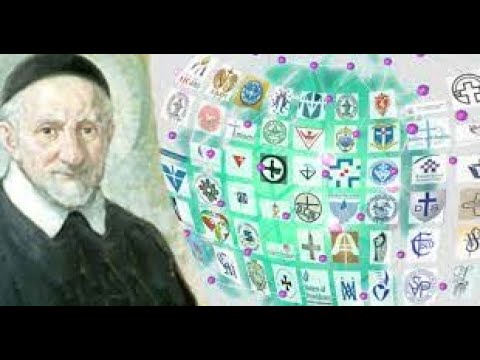
Vincentian family prayer: meaning, practice, and inspiration for everyday life
Vincentian family prayer is a simple yet profound way of praying that flows from the charism of Saint Vincent de Paul and Saint Louise de Marillac. Rooted in compassion, community, and practical love for those in need, it helps ordinary people connect their inner life with their outward service. Whether you belong to a Vincentian group or simply admire its spirit, this guide explains what Vincentian family prayer is, how to practise it, and how it can gently shape daily choices towards mercy and justice.
By exploring the principles, patterns, and examples below, you will learn how Vincentian family prayer can be adapted for individuals, families, and parish groups. You will also find common pitfalls to avoid, simple outlines to follow, and links to trustworthy resources that support this prayerful, service-centred spirituality.
What is vincentian family prayer?
At its heart, Vincentian family prayer is conversation with God that is intentionally oriented towards the poor and those on the margins. It is prayed by the “Vincentian Family”: a worldwide network that includes the Daughters of Charity, the Congregation of the Mission (Vincentian priests and brothers), the Society of St Vincent de Paul, and many lay associations inspired by Saint Vincent de Paul. Yet the spirit of this prayer is open to everyone who wants to connect faith with practical charity.
Unlike a strictly monastic pattern, Vincentian family prayer encourages a rhythm of contemplation in action. We pause to listen to God, reflect on Scripture, and then ask for the grace to serve. In that sense, Vincentian prayer is both mystical and very concrete: it seeks Christ in the person in front of us, especially the person who is suffering. As Saint Vincent taught, prayer without charity becomes dry, but service without prayer loses its heart. Vincentian family prayer holds both together.


Origins and spirit: from Vincent and Louise to today
Saint Vincent de Paul (1581–1660) and Saint Louise de Marillac (1591–1660) responded to the extreme poverty of their time with practical compassion. They organised lay volunteers, founded religious communities, and pioneered new forms of social and spiritual support. Their approach was grounded in the Gospel and characterised by humility, simplicity, and charity.
Vincentian family prayer reflects that heritage. It emphasises seeing Christ in the poor, bringing them respectfully into our intercessions, and allowing prayer to shape concrete action. The Vincentian charism is shared today by many groups working in homes, parishes, prisons, schools, and streets across the world. In every context, Vincentian family prayer helps people align their hearts with God’s love so that service becomes more than a task—it becomes a vocation.
Core themes of vincentian family prayer
Seeing Christ in the person who suffers
Vincentian spirituality invites us to identify the face of Christ in people experiencing poverty, loneliness, or exclusion. In prayer, we ask for eyes to see with compassion and words to speak with dignity, so that no one becomes an issue rather than a person.
Contemplation in action
Prayer and service nourish each other. Vincentian family prayer places Scripture and silence alongside practical planning for outreach. We receive grace in prayer and carry it into the world; then we bring the world’s wounds back into prayer for deeper healing.
Humility, simplicity, and charity
These classic Vincentian virtues keep prayer grounded and honest. Humility acknowledges our limits and God’s primacy. Simplicity helps us speak plainly to God and one another. Charity guides motives and methods, ensuring we work for the genuine good of the person in need.
Community and collaboration
While you can pray alone, Vincentian family prayer flourishes in small groups or teams. Praying together builds unity, clarifies purpose, and sustains hope during demanding work. It reminds us that charity is most effective when shared.
How to practise vincentian family prayer: a simple outline
There’s no single template, but the following pattern suits families, small groups, or ministry teams. Adapt the length and elements as needed, especially if you are including children or newcomers.
- Gather and become present: Sit quietly for a minute. Ask the Holy Spirit to guide your time together.
- Opening words: A brief sentence such as “Lord, open our hearts to see you in our neighbour.” A simple hymn or a short prayer can also help.
- Scripture reading: Choose a short passage that highlights mercy, justice, or hope. Allow a moment of silence afterwards.
- Reflection: Share a sentence or two about what touched you. Keep it gentle and brief; listening is key.
- Intercessions: Pray for specific people you serve, for volunteers and partners, for systemic justice, and for personal conversion.
- Resolution: Each person names a concrete step for the week—something small but real.
- Closing prayer: Offer thanks and ask for courage to put love into action.
Used regularly, this simple flow makes Vincentian family prayer a steady rhythm that shapes daily habits and group culture. If time is short, keep the Scripture reading and one or two intercessions; if you have more time, add a short shared meditation or a decade of the Rosary.
Sample texts you can use in vincentian family prayer
Simple opening prayer
“God of mercy, teach us to recognise you in those who are poor and overlooked. Calm our hearts, focus our minds, and send us where love is needed today. Through Christ our Lord. Amen.”
Intercessions for service and justice
- For people facing hunger, homelessness, or debt: may they find help, dignity, and lasting solutions.
- For our volunteers and partners: grant us patience, humility, and unity of purpose.
- For leaders and policymakers: inspire choices that protect the vulnerable and promote the common good.
- For our own conversion: keep us faithful in small things, attentive to your prompting, and generous in action.
Closing prayer of commitment
“Lord Jesus, you became poor for our sake. As we leave this time of prayer, give us eyes to see, ears to hear, and hands ready to serve. May our words be kind and our deeds be just. Amen.”
Praying alone and in groups
Praying alone
When praying on your own, keep it short and steady. Read a few verses of Scripture, name one person or situation before God, and ask for one concrete grace for the day. Over time, this simple habit becomes a deep well. Vincentian family prayer does not require elaborate forms, only a sincere heart.
Praying as a group
In a group, let the structure carry you. Rotate who reads Scripture or leads the intercessions. Keep sharing brief so everyone has space to contribute. If you serve together afterwards—visiting a neighbour, preparing food, or organising donations—pause for a moment of gratitude when the task ends. That closing pause is part of Vincentian family prayer: it turns service back into prayerful thanksgiving.
Scripture in the Vincentian tradition
Scripture is central to Vincentian prayer. Passages that affirm God’s tender care and call to justice are especially helpful: Isaiah 58 (true fasting), Matthew 25 (the least of these), and Luke 4 (good news to the poor). For personal prayer, a reassuring line like Zephaniah can be a steady companion. You may appreciate this reflection on God’s delight in his people: insight on Zephaniah 3:17. Let one verse stay with you through the day, silently repeated in busy moments.
If your group prays with the weekly lectionary, consider a brief time after Mass to review the readings and draw out one practical resolution for the week. Small, specific steps keep Vincentian family prayer grounded in real life.
Devotions and seasons that enrich vincentian family prayer
Many Vincentians cherish Marian devotion, notably the Miraculous Medal revealed to Saint Catherine Labouré of the Daughters of Charity. A short decade of the Rosary or a Marian antiphon can beautifully close a gathering. Likewise, the Divine Mercy devotion resonates with the Vincentian heart for compassion; if you want a structured way to intercede for the world, explore this helpful guide: how to pray the Divine Mercy Chaplet.
Seasonal rhythms also matter. In Advent, intercede for families under pressure; in Lent, review habits and give alms; in Eastertide, practise joy and hospitality. Feast days of Saint Vincent (27 September) and Saint Louise (9 May) are natural times to renew commitments as part of your Vincentian family prayer.
Common mistakes to avoid
- Speaking about people rather than to God: Keep intercessions as genuine prayer, not planning meetings in disguise.
- Doing everything yourself: Invite quiet voices to lead small parts. Vincentian family prayer grows when many share responsibility.
- Being vague: Name specific people or needs, with respect for confidentiality. Specific intercession shapes specific action.
- Forgetting follow-up: If your prayer includes a resolution, revisit it next time. Accountability strengthens charity.
- Overloading the agenda: Keep it simple. Five to fifteen minutes well prayed is better than a long, weary session.
Leading a session with confidence
You do not need to be an expert. Prepare a short Scripture, a couple of intercessions, and a simple closing prayer. Practise reading slowly. Allow silence. If conversation wanders, thank people and gently return to prayer. Over time, rotate leadership so the habit grows beyond one person. This is the quiet strength of Vincentian family prayer: it forms a community that prays and serves together without fuss.
Adapting vincentian family prayer for different contexts
Families at home
Keep it short and tangible. Let children name someone to pray for, draw a picture for a neighbour, or choose an item for the food bank. Use plain language and celebrate small acts of kindness.
Parish groups and ministries
Before meetings, begin with Scripture and a moment of silence, then intercede for current outreach. Close by naming one next step. If you minister across traditions, keep prayers simple and inclusive while staying faithful to the Vincentian ethos.
Workplaces and public settings
Not every context permits communal prayer. In such cases, a moment of quiet reflection, a value-based opening (humility, compassion), or a non-religious reading aligned with dignity and service can honour the Vincentian spirit while respecting boundaries. Many still sustain their own Vincentian family prayer privately before and after work.
Building resilience through vincentian family prayer
Service can be demanding. Burnout is less likely when teams pray together, share responsibility, and celebrate small wins. Regular Vincentian family prayer nurtures hope, fosters mutual care, and reminds everyone why the work matters. Even brief pauses—thirty seconds of shared silence—can restore perspective and kindness.
Recommended external resources
For trusted guidance, these organisations offer background, prayers, and formation materials that align closely with Vincentian spirit and practice.
- Famvin: international Vincentian Family network – News, formation, and prayer resources from the global Vincentian Family.
- Society of St Vincent de Paul (England & Wales) – Information on volunteering, spirituality, and parish-based service.
- Congregation of the Mission (Vincentians) – Resources and updates from Vincentian priests and brothers worldwide.
- Daughters of Charity of St Vincent de Paul (Great Britain) – Insights on service, prayer, and community life.
Frequently asked questions about vincentian family prayer
Is vincentian family prayer only for members of Vincentian organisations?
No. While it is shaped by the Vincentian Family’s heritage, anyone can adopt its spirit: a simple, Scripture-centred prayer that leads to practical love of neighbour. If you feel drawn to compassion, humility, and justice, you will find a home in this way of praying.
How long should a typical vincentian family prayer session last?
For groups, ten to twenty minutes is usually enough. For individuals, five minutes can be fruitful. The key is consistency and sincerity, not length. A small, well-kept habit warms the heart and steadies service.
What Scriptures work best for this style of prayer?
Short passages that highlight mercy and hope: Isaiah 58, Psalm 34, Matthew 5–7, Matthew 25, Luke 4, and Luke 10 (the Good Samaritan). Rotate a few favourites and let them take root. The gentle repetition suits Vincentian family prayer.
How can we involve newcomers or people who are nervous about praying aloud?
Offer roles that do not require speaking: lighting a candle, reading a single line, or simply sitting in silence together. Make sharing optional and keep responses unpressured. Over time, familiarity grows.
How does vincentian family prayer relate to social action?
It keeps social action grounded in faith and compassion. Intercession shapes intention; silence clarifies motives; Scripture broadens vision. Then action becomes more than a project—it becomes service offered to Christ present in the poor.
Can this prayer be used across Christian traditions?
Yes. While rooted in a Catholic tradition, its core elements—Scripture, silence, intercession, and commitment to the poor—are widely shared. Keep language simple and focus on common ground, and Vincentian family prayer can enrich ecumenical settings.
Conclusion on vincentian family prayer
Vincentian family prayer brings together contemplation and action in a way that is both humble and transformative. Shaped by the legacy of Saint Vincent de Paul and Saint Louise de Marillac, it turns our attention to Christ present in those who suffer and to the practical steps we can take in love. Whether used by individuals, families, or community groups, this prayer nurtures compassion, steadies courage, and keeps service firmly rooted in faith.
By choosing a simple structure—Scripture, silence, intercession, and a concrete resolution—you can practise Vincentian family prayer with ease and sincerity. Over time, small faithful habits reshape the heart and the neighbourhood alike. If you are seeking a way to link your inner life to your daily choices, Vincentian family prayer offers a tried and trustworthy path.
As you explore this approach, draw on the wisdom of the wider Vincentian Family, learn from Scripture, and be patient with yourself. Above all, let Vincentian family prayer lead you gently from prayer to action, and from action back into prayer, until service becomes the natural language of love.
