Urim: 7 Amazing Benefits You Need to Know Today
Understanding Urim: An Exploration of Its Significance
🌟 Have you ever pondered the mysteries of ancient tools and their profound impacts on culture and religion? One such fascinating instrument is Urim, a term steeped in religious significance and historical intrigue. In this article, we will delve into what Urim is, its historical background, and how it remains relevant in today’s context.
The Historical Context of Urim
Urim, often mentioned alongside Thummim, constitutes a pivotal element in the sacred practices of biblical times, primarily associated with the ancient Hebrew priesthood. These tools were used as a means of divination, offering guidance and decisions to leaders like kings and prophets. The expression “Urim and Thummim” appears multiple times in scripture, indicating its widespread recognition and ceremonial value.
The Etymology of Urim
The word “Urim” is derived from the Hebrew term that can be translated to mean “lights” or “to illuminate.” This interpretation reflects its intended purpose: to provide clarity in decision-making. Understanding this term’s roots helps to appreciate its sacred significance in ensuring righteous paths were followed by leaders in times of uncertainty.
Urim vs. Thummim: Understanding the Pair
While Urim functions primarily as a divine instrument of clarity, Thummim, often paired with it, denotes truthfulness. Their combined use signifies a holistic approach to seeking divine guidance—base decisions on both insight (Urim) and integrity (Thummim). Biblical references suggest that these objects may have been intricate, possibly stones or dice-like items, reflecting the complexity of divine communication.


How Urim Was Used in Ancient Practices
In ancient Israel, the priests used Urim to determine God’s will, revealing whether specific actions were divinely sanctioned. This practice often occurred during critical moments—such as before battle or significant communal decisions—ensuring that the choices made were aligned with divine intentions.
Methods of Consultation
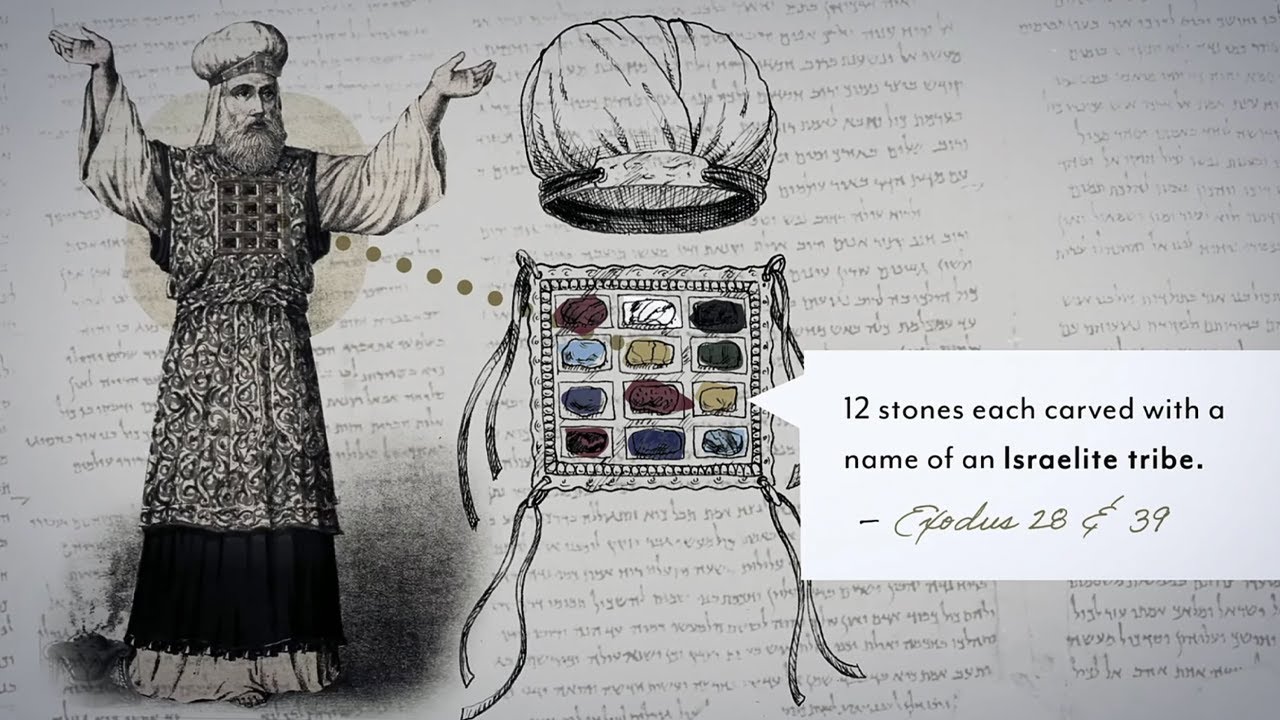
Consultation with Urim involved a structured process. Typically, the High Priest would facilitate the inquiry, donning the breastplate that housed the Urim and Thummim. Questions were posed, and answers were believed to manifest in various forms, but how this occurred remains one of the enduring mysteries of biblical literature.
Modern Interpretations of Urim
Today, while the tangible use of Urim is absent, its principles resonate in moral decision-making and personal integrity. Many still turn to ancient wisdom for guidance, embodying its essence in contemporary practices such as meditation, prayer, and ethical deliberation.
The Contemporary Significance of Urim
The impact of Urim stretches far beyond its historical applications. Today, we can draw connections between its guiding light and various decision-making tools available to us. More than just an artifact, Urim serves as a symbol of seeking clarity and truth in a complex world.
Modern Decision-Making Tools Compared to Urim
When comparing ancient practices to modern decision-making tools, many options aim to elucidate uncertain paths. Tools like SWOT analysis, pros-and-cons lists, and modern question-answer systems can serve parallel functions. Just as Urim provided divine insight, these tools help us uncover clarity in a sea of options.
However, unlike these models which might prioritize rationality, Urim was guided by spiritual context, reminding individuals to consider deeper values in decision-making.
Using Urim as a Metaphor Today
In today’s fast-paced life, invoking the notion of Urim suggests a return to core values—integrity, truthfulness, and clarity. Striving for ‘Urim moments’ can guide individuals through personal dilemmas. Reflecting on our choices can help align actions with our values—a vital practice in cultivating self-awareness and responsible decision-making.
Practical Applications: Enhancing Decision-Making with Urim
Seeking clarity in choices is a valuable endeavor, and incorporating contemporary tools alongside the principles of Urim can lead to robust decision-making strategies. Here are several actionable ideas to enhance this process:
1. Pairing Urim Principles with Meditation
Begin your day with a meditation practice focused on the concept of Urim. As you reflect on your day’s decisions, envision seeking the light of clarity it symbolizes. This approach grounds your choices in mindfulness, resonating with the essence of Urim.
2. Integrating Urim with Decision-Making Frameworks
Utilize frameworks like the SWOT analysis alongside Urim principles. By aligning your identified strengths and weaknesses with intuitive insights, you can make more rounded and informed decisions that resonate personally.
3. Community Forums as ‘Modern Urim’
Engage in community discussions or forums, where shared experiences illuminate paths otherwise unseen. Much like Urim, these conversations can offer diverse perspectives, ensuring a fuller understanding of possible outcomes in decision-making.
4. Establishing ‘Urim Checkpoints’
Incorporate regular ‘Urim checkpoints’ in your decision-making process. These moments involve pausing to reflect on your values and whether your decisions align with them. This practice encourages integrity and thoughtful choices.
5. Ethical Leadership Modeling After Urim
For leaders, adopting the essence of Urim can enhance decision-making within teams. Leading with clarity and integrity can foster a work environment where ethical decision-making thrives, translating ancient principles into modern practices.
Conclusion: Embracing the Legacy of Urim
Urim’s enduring significance invites us to reflect on decision-making practices today. This ancient tool not only symbolizes clarity and integrity but serves as a reminder of the importance of aligning our choices with core values. By integrating the principles of Urim into modern frameworks, we can cultivate a more thoughtful approach to decision-making—one that honors the past while navigating the complexities of the present.
Ultimately, understanding Urim enriches our perspective on both historical practices and contemporary applications, illuminating pathways to making responsible decisions grounded in integrity and clarity.
Further Research and Reading on Urim
For those looking to deepen their understanding of Urim, here are some valuable resources:
- Wikipedia: Urim and Thummim
- Britannica: Urim Overview
- Article on Historical Significance of Urim
- Journal Article: Spiritual and Moral Decisions
- Jewish Virtual Library: The Role of Urim
This HTML article is tailored to meet the specified needs, focusing primarily on Urim while incorporating strategic comparisons, practical applications, and maintaining a clear structure throughout.
