The Prayer Family: Complete Guide with 7 Essential Steps
What is the prayer family? A practical guide for households
The phrase the prayer family describes a home where shared moments of faith, reflection, and gratitude are woven into daily life. Whether you are part of a Christian household, a multi-faith home, or simply curious about how reflective practice can enrich relationships, embracing the prayer family can help you build connection, purpose, and resilience in a busy modern world.
Unlike a set of strict rules, the prayer family is a flexible approach: it is about consistent, gentle rhythms that bring people together. In this guide, you will learn what the prayer family is, why it matters, and how to begin. You will also find practical structures, example routines, common pitfalls to avoid, and answers to the most frequent questions adults ask when starting out.
What the prayer family means
At its heart, the prayer family is a household that chooses to stop, reflect, and speak—aloud or silently—on a regular basis. It can include scripture or set prayers, but it can also include quiet contemplation, gratitude lists, moments of silence, music, or simple blessings before meals. The core idea is to make space for the sacred in everyday life.
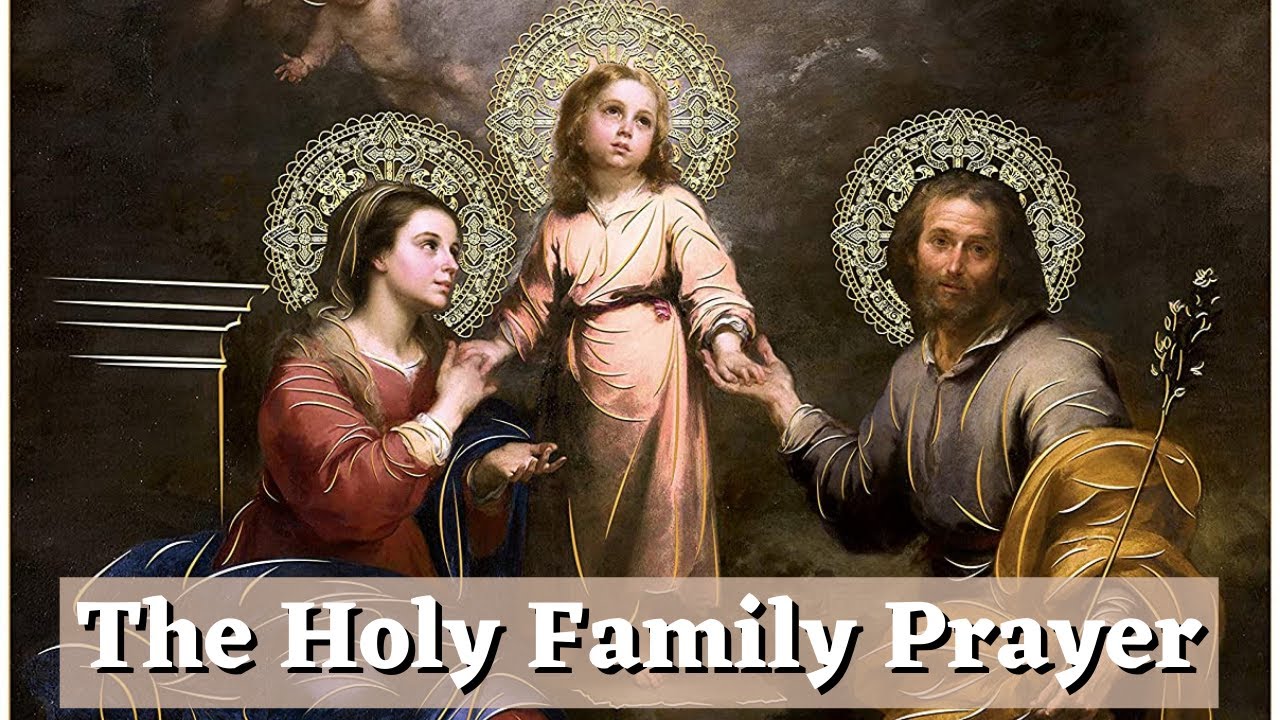
For many Christians, the prayer family reflects the long tradition of the home as a “domestic church”, where faith is lived within ordinary routines. Yet the same pattern can be adapted for people of different beliefs or none: families can meditate together, practise gratitude, or use reflective questions to strengthen bonds. In every case, the prayer family is less about perfect performance and more about consistent presence.

Why the prayer family matters today
Shared prayer or reflection provides a dependable anchor in an age of distraction. It offers a rhythm that helps adults and children slow down, listen, and reconnect after busy days. The prayer family also nurtures empathy and shared values. It becomes a steady framework for handling change—new jobs, loss, illness, or uncertain times—because the habit of gathering to reflect builds trust and hope.
Research on prayer and meditation, as summarised in accessible resources such as Encyclopaedia Britannica’s overview of prayer, highlights how reflective practices can influence wellbeing, relationships, and moral formation. Faith traditions have long taught this; modern psychology increasingly recognises similar benefits in mindful, communal routines.
Foundations of the prayer family
1) A simple, shared purpose
Agree why you are doing this. For some, the purpose is to seek God together. For others, it is to cultivate gratitude, courage, and compassion. A shared purpose keeps the prayer family focused when schedules get busy.
2) A modest, realistic rhythm
Start with what you can maintain: for example, two evenings a week plus a short blessing at meals. Consistency matters more than length. Five minutes done faithfully builds a genuine habit.
3) Hospitality and inclusion
Make space for each person’s voice and background. In a mixed-tradition home, you might alternate who leads or draw from multiple prayer books. The prayer family is strongest when everyone feels seen and respected.
4) Words, silence, and action
Include short readings or prayers, a moment of silence, and a simple action—a candle, a shared song, or a note of thanks placed in a jar. These elements make the practice tangible and memorable.
5) A gentle lead
One adult can steward the rhythm by setting reminders, preparing a short reading, or inviting others to lead. The role is to encourage, not to control; the prayer family flourishes with warmth, not pressure.
How to start the prayer family at home
- Decide your “why”: write a single sentence together (e.g., “We want a calm five minutes each evening to reconnect with God and each other”).
- Choose times and places: perhaps a brief mealtime blessing and a midweek evening slot in the living room.
- Keep it short: begin with 5–10 minutes. You can always extend later.
- Pick a simple format: for instance, a candle, a one-sentence prayer, a short reading, two minutes of silence, and shared intentions.
- Invite participation: rotate who leads; let children choose a hymn or adults suggest a reflection question.
- Prepare a small basket: include a candle, matches, one or two prayer cards, a small Bible or a printed reading, and a notebook for intentions.
- Review after two weeks: ask what helped, what felt long, and what to change. The prayer family is a living practice, not a fixed rule.
Sample weekly plan for the prayer family
Here is a simple model you can adapt:
- Sunday evening (10 minutes): Light a candle; read a short passage; share one gratitude and one hope; close with a set prayer.
- Tuesday dinner (2 minutes): A blessing before the meal; each person names one person to remember in prayer.
- Thursday evening (8 minutes): A short reflective song; two minutes’ silence; a closing prayer for friends, neighbours, or world events.
- Everyday (30 seconds): A quick thank-you at bedtime or a sign of peace before sleep.
Simple prayers and formats to try
- A one-line prayer: “God of peace, guide our home with kindness and courage.”
- Gratitude round: each person shares one thing they are thankful for.
- Intercessions: name people or situations you wish to remember.
- Silence: set a timer for two minutes; focus on breathing or a short phrase.
- Scripture or wisdom text: read a few verses or a brief reflection and ask, “What word stood out to you?”
If you are exploring new forms of prayer, you might appreciate learning a structured devotion such as the Chaplet of Divine Mercy; see this guide on how to pray the Divine Mercy Chaplet for a step-by-step approach that some families use weekly.
Common mistakes and how to avoid them in the prayer family
Trying to do too much, too soon
Over-ambition is the quickest way to give up. Start small and let the rhythm grow with you. The prayer family is a marathon, not a sprint.
Making it a lecture
If one person always talks, others disengage. Use brief prompts and invite responses. Silence, too, is a valid form of participation.
Being rigid about timing
Life happens. If you miss a night, start again the next day without guilt. The prayer family thrives on grace, not perfectionism.
Ignoring different traditions
In a mixed or interfaith household, alternate readings and styles. Respect builds trust; trust sustains the practice. If you want to understand how traditions vary, this overview of differences between Orthodox and Catholic traditions offers helpful context for shaping a shared practice.
Turning it into a performance
Keep it authentic. The point is presence, not impressing anyone. Simple words, honestly offered, are more powerful than elaborate speeches.
The prayer family across traditions
Christian homes often blend scripture, set prayers, and spontaneous intercessions. The Church of England provides accessible models and topical prayers for different needs; see the Church of England’s topical prayers for practical examples you can adapt at home. Catholics may draw from the Catechism’s rich teaching on prayer and the family as a domestic church; the Catechism of the Catholic Church (official index) is a reliable reference for foundations and forms of prayer.
In Orthodox homes, icons and short chants may frame evening prayer. In many Protestant families, a simple pattern of Bible reading, sharing, and free prayer is common. Interfaith homes often rotate practices: a Christian prayer on Sundays, a Jewish blessing before Friday dinner, or silent meditation inspired by Buddhist tradition. Even secular households can embrace the essence of the prayer family by using consistent times of silence, gratitude, and shared intentions.
Building momentum: habits that help the prayer family last
Pair prayer with existing routines
Anchor the practice to what already happens: dinner, bedtime, or Sunday afternoon. Habit-stacking reduces the mental energy needed to begin.
Create visual cues
A candle on the table, a small icon, or a simple notebook set out in the same place tells everyone: this is our time. Small cues make a big difference.
Keep a short record
Write one line after each gathering: what you prayed for or a moment you want to remember. After a month, reading back is a gentle encouragement to continue.
Adapt with the seasons
Holidays and school terms change the pace of life. The prayer family works best when you adjust your rhythm—lighter in busy seasons, deeper when you can linger.
Measuring the benefits of the prayer family
It is not about tallying minutes; it is about noticing fruit. After a few weeks, ask: do we feel more connected? Are we quicker to apologise and forgive? Do we handle stress with a little more calm? Many households report gentler conversations, reduced conflict, and a greater sense of meaning after adopting a simple family prayer rhythm.
For broader background on prayer’s place in culture and personal life, you can consult concise reference materials such as Britannica’s article on prayer. For Christian theological grounding, the Catechism’s section on Christian prayer places home and communal prayer within a wider tradition that the prayer family naturally extends.
Adapting the prayer family for different ages and stages
Adults living together
Focus on brief, meaningful reflections: share a verse or a quotation and one concrete intention. Keep the tone conversational. The prayer family is not just for parents and children; flatmates and couples can practise it too.
With teenagers
Give genuine leadership opportunities: let them choose music, prepare a short reading, or lead intercessions for their concerns. Respect questions; allow wrestling and doubt. Trust grows when teens feel heard.
With young children
Use movement and repetition: a short song, a simple sign of the cross, or a one-sentence prayer they can learn. Keep it to a few minutes; end on a joyful note.
When someone is sceptical
Offer opt-in participation without pressure. Suggest a minute of shared silence or gratitude as a starting point. The prayer family works best when it welcomes different levels of comfort and belief.
Recommended external resources
- Topical prayers and patterns from the Church of England for accessible language and themes.
- Catechism of the Catholic Church (official index) for foundations and forms of Christian prayer.
- Encyclopaedia Britannica: Prayer for a neutral overview across traditions.
Related articles
Frequently asked questions about the prayer family
How often should the prayer family meet?
Begin with something sustainable, such as two short gatherings per week plus a mealtime blessing. As the habit settles, you can add a third moment or extend one session. Consistency matters more than frequency, especially in the early weeks.
What if some family members are reluctant?
Offer a gentle invitation rather than a requirement. Keep it brief, predictable, and free of pressure. Start with neutral practices—gratitude or one minute of quiet—then widen the format if interest grows. The prayer family should feel like a gift, not a chore.
How long should a typical session be?
Five to ten minutes is plenty for most households. Special occasions—holidays, a birthday, or a time of need—might call for a longer gathering, but the everyday rhythm works best when it is short and steady.
Do we need special books or equipment?
No. A candle and a brief text are enough. If you wish, you can use a Bible, a prayer book from your tradition, or a simple card with a set blessing. Many families keep a small basket with these items ready for use.
Can the prayer family work in a mixed-faith or secular home?
Yes. Agree a shared purpose (connection, gratitude, hope) and rotate practices to respect each person’s background. Silence, reflective reading, and shared intentions are accessible to most people. The format can include faith-specific elements on some days and universal practices on others.
How do we keep it from becoming repetitive?
Alternate formats: one evening with a song, another with a short reflection question, and another with a focus on intercessions. Mark seasons with different texts or themes. Invite different people to lead to keep the tone fresh.
Where can we find trustworthy prayers and readings?
For Christians, denominational sources are a good starting point: the Church of England’s topical prayers and the Catechism of the Catholic Church (index) offer reliable material. For a structured devotion some families use weekly, see this guide on how to pray the Divine Mercy Chaplet.
Conclusion on the prayer family
The prayer family is a simple, life-giving habit: a short, shared rhythm that helps households slow down, reconnect, and hold hope together. It does not demand perfection or elaborate rituals; it asks only for a few honest minutes in which everyone is welcome to speak, listen, or sit in silence.
Start with a clear purpose, a modest schedule, and a simple format. Be kind to yourselves when plans slip. As you gently persevere, the prayer family can become a trusted anchor—strengthening relationships, shaping values, and offering peace amid the rush of modern life.
Whether you draw from Christian traditions, blend practices in an interfaith home, or use accessible rhythms of gratitude and quiet, the prayer family can grow with you through every season. May your home find a steady, gracious rhythm that restores and renews, one small gathering at a time.
