The National Shrine of Our Lady of Czestochowa: Complete Guide
Exploring the national shrine of our lady of czestochowa
Set on a tree-lined hillside in Doylestown, Pennsylvania, the national shrine of our lady of czestochowa is a place of prayer, heritage and welcome. Often called “American Czestochowa”, it honours the beloved Black Madonna icon and serves as a living bridge between Poland’s spiritual heart at Jasna Góra and Catholic communities across North America. Whether you are a pilgrim seeking quiet reflection, a visitor interested in Polish culture, or a traveller curious about sacred art and architecture, this sanctuary offers space, beauty and a rich story to explore.
In this guide, you will find a clear overview of what the shrine is, why it is important, and how to make the most of a visit. You will also learn about the traditions connected to Our Lady of Czestochowa, the practicalities of attending Mass or a festival, and the respectful etiquette that helps everyone experience a peaceful time on the grounds. Along the way, we point to reliable resources for further reading and planning.
What is the national shrine of our lady of czestochowa?
In essence, the national shrine of our lady of czestochowa is a Catholic Marian sanctuary built to honour the Virgin Mary under the title “Our Lady of Czestochowa”, also known as the Black Madonna. It is entrusted to the Pauline Fathers and Brothers—the same religious community that cares for the original icon at Jasna Góra in Częstochowa, Poland. The Doylestown shrine welcomes people of all backgrounds to pray, attend liturgy, walk the grounds, visit chapels and memorials, and discover a living expression of Polish-American faith and culture.
A Marian sanctuary with Polish roots
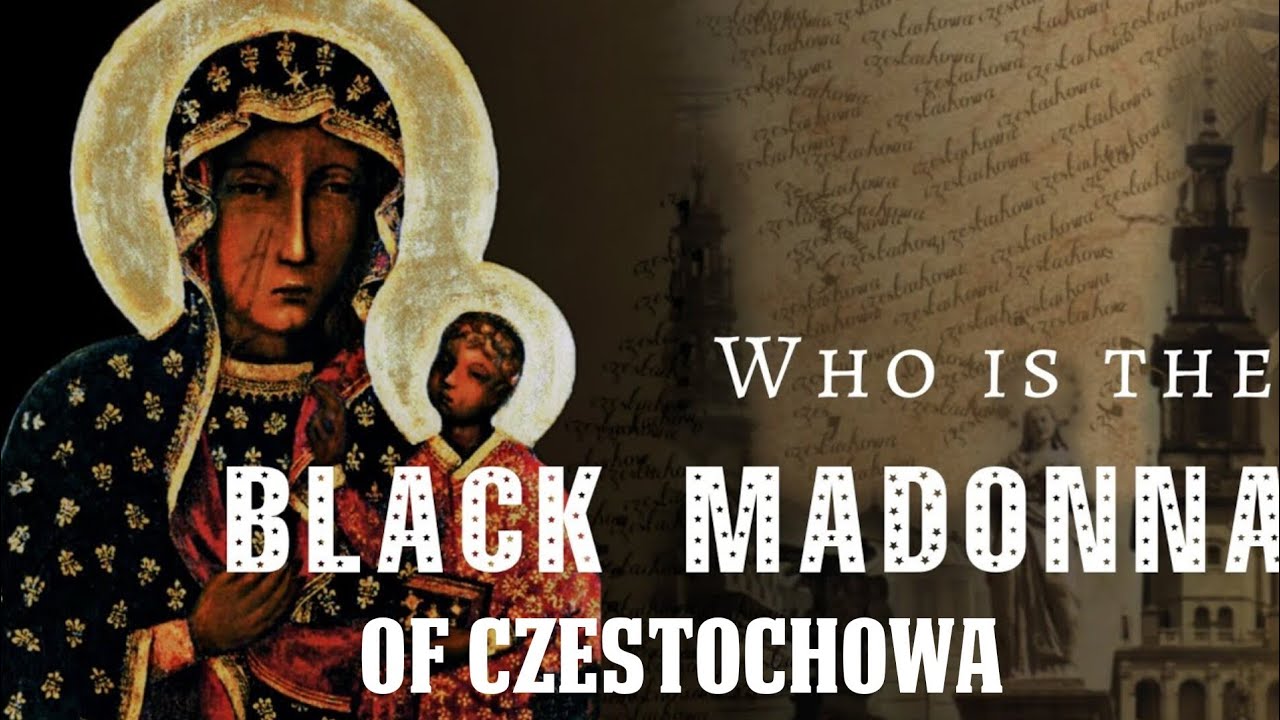
Our Lady of Czestochowa is one of the most venerated Marian titles in the Catholic world, associated with a centuries-old icon believed to be a source of spiritual consolation and courage. The Black Madonna has journeyed with generations of Poles through moments of hardship and hope; her image features characteristic darkened skin tones, with scars on the cheek that tradition links to historical attempts at desecration. The Doylestown shrine reflects this heritage while opening its doors to everyone who seeks peace and prayer.


A home for pilgrims in America
From weekend churchgoers to long-distance pilgrims, the national shrine of our lady of czestochowa offers a place to pause and reconnect with what matters. Visitors may attend Mass, go to confession, pray the Rosary, light a candle, or simply sit quietly. Others come to learn about Polish spirituality, enjoy a family day on the expansive grounds, or take part in the renowned Polish-American Festival held on site each year.
A short history from Jasna Góra to “American Czestochowa”
The story of the national shrine of our lady of czestochowa is inseparable from Jasna Góra, the fortified monastery that houses the original Black Madonna icon and has been a destination for pilgrims since the Middle Ages. The Pauline Fathers brought this devotion to the United States in the twentieth century, responding to the spiritual needs of Polish immigrants and their descendants, and to the many others drawn to Mary’s maternal intercession.
The Black Madonna and Jasna Góra
Jasna Góra’s resilience—surviving sieges and standing as a symbol of national identity—helped to shape the wider devotion to Our Lady of Czestochowa. To learn more about those origins and the icon’s role in Polish history and prayer, see the well-documented overview on Jasna Góra Monastery (Wikipedia). Understanding this background enriches a visit to the American shrine, where the same spiritual thread continues in a new context.
Founding the Doylestown shrine
In the 1950s and 60s, the Pauline Fathers established the Doylestown site, creating a place that could hold large liturgical gatherings and serve as a focal point for Polish-American Catholic life. Over time, the complex grew to include an upper and lower church, numerous chapels, a monastery and retreat facilities, along with outdoor devotional areas. The aim has remained consistent: to offer a welcoming, prayerful environment centred on Our Lady and her Son.
Architecture, chapels and sacred art
Architecturally, the shrine combines modernist lines with devotional detail. The upper church is spacious and bright, designed for large congregations and major feasts, while the lower church provides a more intimate environment with chapels dedicated to various saints and aspects of Marian devotion. A prominent copy of the Black Madonna is the spiritual focus, set within an arrangement that invites both reverence and reflection.
You will often find intricate stained glass, carved altars, memorial plaques, and galleries of votive offerings—tokens of gratitude left by those who believe they received help through prayer. Outdoors, the Stations of the Cross, a Rosary pathway, statues, and memorials create a natural extension of the prayer experience, allowing visitors to move between contemplation and gentle exercise in the fresh air.
Planning your visit to the national shrine of our lady of czestochowa
Before you set out, consider whether you wish to attend a liturgy, join a festival, or simply stroll the grounds. Opening times, Mass schedules and special events can vary throughout the year, so it is best to consult the shrine’s official website; the calendar and practical information pages on the official website of the National Shrine (czestochowa.us) are kept up to date and include contact details for specific questions.
Best times to go
- Weekdays offer a quieter atmosphere for prayer and reflection.
- Weekends typically bring more visitors; arrive early for popular Mass times.
- Major feasts—especially the August celebration of Our Lady of Czestochowa—draw larger crowds and a festive spirit.
- During the Polish-American Festival (usually late summer), expect more activity, food, music and cultural exhibits alongside regular devotional life.
What to see on site
- The upper church for major liturgies and panoramic views of the main sanctuary.
- The lower church and chapels for quiet prayer and varied sacred art.
- Outdoor devotional paths, memorials and the Stations of the Cross on the hillside.
- Gift shop and information areas, where you can find rosaries, devotional books, and guides to the grounds.
Attending liturgy with ease
If you plan to attend Mass or Benediction, arrive a little early to find seating and settle. The national shrine of our lady of czestochowa often provides services in English and, at times, in Polish, reflecting its cultural roots. If you wish to go to confession, check the posted hours or ask a sacristan or volunteer for help finding a confessor.
Accessibility and facilities
The shrine aims to be welcoming to all. If you need assistance—such as wheelchair access or help navigating the grounds—ask at the information desk. Families with young children will find ample space to walk outdoors, though it is courteous to step outside briefly if a little one needs a break during services.
Pilgrimage traditions and events
A pilgrimage is more than a trip; it is a simple journey in faith. At the national shrine of our lady of czestochowa, pilgrims often combine practical steps (like scheduling, transport and accommodation) with prayerful intentions. Many choose to say the Rosary while walking the grounds or to light a candle in honour of a loved one. Major events include the feast day in August and the Polish-American Festival, which blends devotional life and cultural celebration. For dates and programme details, the events pages at the shrine’s overview on Wikipedia and the calendar on the official shrine website are useful starting points.
Spiritual practices to deepen your visit
Many visitors appreciate a simple spiritual plan: attend Mass if possible, pause for quiet prayer before the icon, take a gentle walk along the Stations of the Cross, and spend a few minutes journalling or offering prayers of gratitude. You might also pray the Divine Mercy Chaplet, a devotion with deep roots in Polish spirituality; if you are new to it, see this concise guide to the Divine Mercy Chaplet prayer.
Other practices include lighting a candle for peace, praying for family members by name, or reading a short scripture passage before touring the chapels. If you travel with a group, agree to a few minutes of silence to centre your time.
Understanding the Black Madonna icon
Icons are “windows” into divine mysteries: their style is meant to draw you into prayer rather than to mimic photographic realism. In the Black Madonna, Mary is depicted pointing to Jesus, showing that her role is to lead us to her Son. The darker tones of the icon and the scars on Mary’s cheek carry centuries of veneration and folklore. When you kneel or stand before a copy of the icon at the shrine, a simple prayer such as “Mother of Jesus, help me to do whatever He tells me” can be a meaningful starting point.
While the original icon remains in Poland, copies—called “canonical copies” in certain contexts—are venerated throughout the world. The devotion expressed at the national shrine of our lady of czestochowa unites with that of pilgrims who gather daily at Jasna Góra and countless other communities who look to Mary in times of need.
Etiquette at a Catholic shrine: simple courtesies that help everyone
- Dress modestly and comfortably; remove hats when appropriate inside the church.
- Keep voices low; silence helps others pray.
- Photography is usually allowed outside; inside, avoid flash and be respectful during services.
- Food and drink are for designated areas, not the church interior.
- If you are unfamiliar with Catholic practices, feel free to observe during Communion; you can remain seated and pray quietly.
- Ask volunteers for guidance—most are happy to help you find chapels, facilities or schedules.
Comparing Jasna Góra and the American shrine
Jasna Góra in Poland is the historic home of the Black Madonna, with centuries of national pilgrimage and unique monastic traditions. The Doylestown sanctuary is younger and set in a different cultural landscape, yet faithfully sustained by the same Pauline Fathers and Brothers. Both places offer liturgy, confession, and Marian devotion; both welcome pilgrims in large numbers. If you are curious to compare histories and artworks, the article on Jasna Góra Monastery (Wikipedia) and the summary on the National Shrine of Our Lady of Czestochowa (Wikipedia) provide complementary overviews.
Practical tips for families and first-time pilgrims at the national shrine of our lady of czestochowa
- Bring a small bag with water, a lightweight jacket, and a simple prayer book or Rosary.
- Plan a balanced schedule: aim for one liturgy, a walk outdoors, and time in the chapels.
- Set a meeting point in case your group becomes separated during events.
- Consider a donation or purchase from the gift shop; it supports the shrine’s mission.
- Allow for unplanned moments—unexpected quiet can be the most meaningful part of the day.
For those new to Catholic churches, volunteers and signage make it easy to find your way. The staff are accustomed to receiving visitors of many faiths and none, and the entire site is designed to make the sacred accessible—without pressure or pretence.
Getting there and nearby ideas
Located in Bucks County, the site is reachable by car from Philadelphia and New York regions. If you are coming from farther away, consider combining your visit with other regional attractions, such as parks, historic towns and museums. Plan your travel time so that you arrive with a gentle buffer before any scheduled service. If your primary aim is a quiet visit to the national shrine of our lady of
