The king of kings: essential, definitive guide with 10 key insights
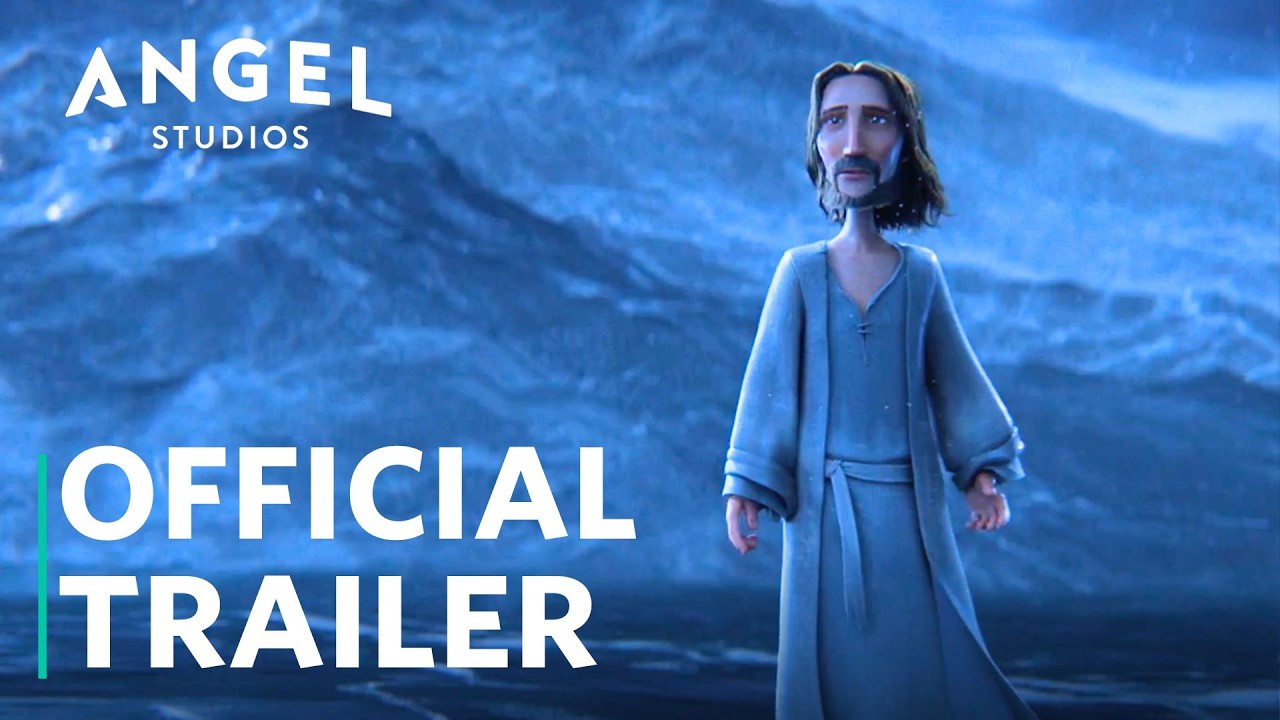
The meaning and legacy of the king of kings
Across history and faith, the phrase the king of kings has signalled ultimate sovereignty. It is a superlative title applied to emperors who ruled other monarchs, and in Christian theology it proclaims Christ’s supreme authority. Understanding how, where, and why the title has been used helps us read history more accurately, interpret sacred texts more confidently, and recognise the deep cultural resonance that a simple sequence of words can still carry today.
This article explores what the king of kings means, how it arose in ancient empires, how it functions in the Bible and Christian tradition, and how we can use the term clearly and respectfully in modern writing and conversation. You’ll find practical guidance, examples, common pitfalls to avoid, and trustworthy resources for deeper study.
What does the king of kings mean?
At its core, the king of kings is a way of saying “the sovereign above all sovereigns.” In languages of the ancient Near East, repetition often signalled an intensified or superlative sense. Calling someone the king of kings made a claim about their supremacy, not merely their ordinary kingship. Over time, the phrase came to carry political, religious, and poetic weight.
In ancient empires
The most famous political use comes from the Persian imperial title “shahanshah,” literally “king of kings.” Rulers such as Darius I and Xerxes used it to express their authority over a mosaic of subject kings throughout the Achaemenid Empire. Greek writers mirrored this with “basileus basileon,” and the term migrated across languages as a recognisable badge of empire. For a concise background on the Persian title, see Britannica’s overview of shahanshah as an imperial title.

The title also appears in Ethiopian tradition. Emperors of Ethiopia bore the designation “nəgusä nägäst,” commonly translated as “King of Kings,” signalling their position over regional rulers. The phrase indicated a layered political structure and a unifying centre of authority. For historical context, the article on the Emperor of Ethiopia and the title “King of Kings” surveys its long, distinctive usage.
In all these cases, the king of kings did not necessarily claim divinity, but rather an elevated political status. It was a way to speak about hierarchy: a king who ruled other kings, embodying a pinnacle of secular power.
In the Bible and Christian tradition
In the Hebrew Bible, related superlative titles appear such as “God of gods” and “Lord of lords.” The phrase “king of kings” arises in a few striking contexts: for example, the prophet Ezekiel calls Nebuchadnezzar “king of kings” as an acknowledgement of his imperial might (Ezekiel 26:7), and Daniel addresses the Babylonian monarch with the same phrase (Daniel 2:37). Here it functions as political description rather than worship.
In the New Testament, the phrase is transformed into a proclamation of Christ’s supreme authority. First Timothy 6:15 describes God as the “blessed and only Ruler, the King of kings and Lord of lords.” Revelation 17:14 announces that the Lamb will triumph because he is “Lord of lords and King of kings,” and Revelation 19:16 pictures the rider on the white horse with the title on his robe and thigh. For the verse in full, read Revelation 19:16 on Bible Gateway. Within Christianity, therefore, the king of kings refers to Christ’s unique and final sovereignty—his authority over every earthly power.
Across Christian traditions, the phrase appears in liturgy, hymnody, and art. The “Hallelujah” chorus from Handel’s Messiah famously celebrates Christ as “King of Kings, and Lord of Lords,” cementing the phrase in the Western ear. For context about the work, see Handel’s Messiah: background and structure.
Why the title matters today
Modern readers encounter the king of kings in scriptures, histories, museum labels, and musical programmes. Understanding it prevents confusion. In some contexts, it is a political title; in others, it is a theological confession. Recognising which context you are in—Persian, Ethiopian, biblical narrative, or Christian worship—clarifies meaning and avoids unhelpful conflations.
For communities of faith, the title points to ultimate allegiance and hope. For historians, it signals the structure of empires and the language of sovereignty. For writers and communicators, it offers a potent phrase—but one that must be used carefully and accurately.
Key points at a glance
- The phrase the king of kings is a superlative title meaning “the sovereign above all sovereigns.”
- In ancient Persia and Ethiopia it primarily signalled political supremacy over other monarchs.
- In Christian scripture and theology it proclaims Christ’s ultimate authority over all earthly powers.
- Context determines meaning; the same words function differently in imperial inscriptions and in worship.
- Careful capitalisation and clear attribution help readers distinguish historical description from theological declaration.
How to interpret and use the king of kings with care
For readers and students
- Identify the context. Is the text describing an emperor or making a theological claim? Check the surrounding paragraphs and historical period.
- Pay attention to capitalisation. Some editions capitalise the title when it refers to Christ; historical references often retain lower case.
- Consult multiple translations. Different Bible translations may place the phrase differently or render related superlatives with variation.
- Compare sources. A Persian inscription, a biblical passage, and a hymn are distinct genres; let each speak in its own register.
- Respect interfaith usage. The title appears across cultures; avoid assuming a single faith “owns” the phrase.
For writers and speakers
- Be precise with attribution. If you’re referring to Darius or Nebuchadnezzar, say so; if you’re proclaiming a Christian confession, be explicit.
- Use the king of kings sparingly for rhetorical effect. Overuse can dull its impact and blur meaning.
- Provide a brief gloss for general audiences. A short phrase such as “a superlative imperial title” or “a Christian title for Christ” can prevent confusion.
- Maintain consistent style. Decide on capitalisation rules that match your context and apply them throughout.
For faith and devotion
Many Christians use the king of kings in prayer and song to focus on Christ’s sovereignty and goodness. If you are looking for structured ways to pray, the Divine Mercy Chaplet prayer offers a simple, repeated form that some find helpful for daily devotion, complementing scriptural titles such as this one.
Examples in history, scripture and culture
Imperial inscriptions and titles
Persian rulers inscribed their claims on monuments and tablets, weaving the title into the state’s self-understanding. “Shahanshah” stressed not only rank but responsibility: to govern a diverse empire whose subject kings owed allegiance to a central, commanding figure. To explore the imperial dimension, consult Britannica’s discussion of shahanshah, which outlines how and why the title crystallised in Persia.
Ethiopia’s royal usage
In Ethiopia, the phrase pointed to a multi-layered polity. Regional rulers maintained local authority, while the emperor—the king of kings—claimed a unifying supremacy reinforced by ceremony, chronicle, and faith. Historical overviews, such as this treatment of the Ethiopian emperors, add texture to the title’s longstanding African context.
Biblical proclamation
In the Christian New Testament, the title becomes a statement of hope and victory. “KING OF KINGS AND LORD OF LORDS” in Revelation 19:16 envisions Christ’s final triumph, not a worldly imperial programme. For direct study of the text, see Revelation 19:16. In this context, the king of kings counters despair with the assurance that no power stands above the authority of Christ.
Music, liturgy and art
From Eastern icons to Western oratorios, the king of kings has shaped religious imagination. Handel’s Messiah, frequently performed in Advent and Easter seasons, amplifies the phrase’s cadence and splendour, helping generations feel its weight. For background, consult Messiah (Handel), which charts how the work pairs scriptural titles with musical architecture.
Common misconceptions about the king of kings
- It is only a Christian title. Incorrect. While central in Christian confession, the phrase predates the New Testament and appears in Persian and Ethiopian political contexts.
- It always implies divinity. Not necessarily. In Ezekiel and Daniel it describes imperial power, not a divine being.
- It is interchangeable with any grandiose phrase. Careful: terms like “emperor of emperors” or “lord of lords” carry different shades in different traditions. Precision matters.
- It endorses monarchy as a political system. The theological use makes a claim about Christ’s authority, not a blueprint for modern government.
- All references mean the same thing. The same words do different work in inscriptions, narratives, hymns, and doctrinal statements.
Related theological themes and debates
Because the king of kings touches both history and theology, it naturally intersects with broader Christian discussions. In Christology, the title helps articulate how believers understand Jesus’ authority and kingship, especially in relation to earthly powers. Differences in emphasis can appear across traditions, influencing iconography, liturgy, and devotional language. For example, exploring Orthodox vs Catholic traditions reveals contrasting styles of depicting Christ’s kingship while affirming a shared belief in his ultimate sovereignty.
Theologically related titles—“Lord of Lords,” “Prince of Peace,” “Son of David”—enrich the picture. Each carries a specific history and set of associations, so reading them together, rather than as interchangeable labels, produces a fuller understanding of how scripture speaks about authority and hope. In public discourse, the phrase also raises questions about power and humility: the one who is the king of kings is also portrayed as servant, shepherd, and sufferer, reframing leadership as self-giving love rather than domination.
Practical guidelines for study and discussion
Compare contexts side by side
Try placing a Persian inscription (political title), a passage from Daniel (narrative description of imperial power), and Revelation 19:16 (theological proclamation) next to each other. Noting genre, date, and purpose will make the distinctions clear—and stop misunderstandings before they start.
Mind your audience
When writing for a general audience, define the term the first time it appears. When addressing a faith community, connect the title with its scriptural roots and pastoral implications. In interfaith settings, acknowledge its usage across cultures and avoid assuming a single meaning.
Use capitals consistently
Style guides differ. Some reserve capitals for divine titles (“King of Kings”), others prefer lower case unless quoting a specific translation. Whatever you choose, stay consistent and explain your approach if confusion is possible.
Connect title and character
In Christian reflection, the king of kings is not a licence for triumphalism; it is a confession that true authority serves, heals, and saves. That emphasis shapes tone and application, especially in pastoral writing, preaching, and prayer.
Recommended external resources
- Shahanshah: Britannica’s overview of the imperial title “king of kings” for historical background in Persia.
- Emperor of Ethiopia and the title “King of Kings” for the Ethiopian royal context.
- Revelation 19:16 on Bible Gateway for the New Testament usage and wording in translation.
- Handel’s Messiah: structure, history, and famous “King of Kings” chorus for cultural and musical resonance.
Related articles
Frequently asked questions about the king of kings
Is the title unique to Christianity?
No. Long before Christian usage, ancient empires used the phrase politically to assert supremacy over subject monarchs. Christian tradition later adopted the phrase to confess Christ’s supreme authority, giving it a distinct theological meaning.
Where does the Bible use the phrase?
In the Old Testament, it is applied to powerful rulers such as Nebuchadnezzar (e.g., Ezekiel 26:7; Daniel 2:37). In the New Testament, 1 Timothy 6:15 and Revelation 17:14; 19:16 proclaim Christ as “King of kings and Lord of lords,” transforming the term into a declaration of divine sovereignty.
Should I capitalise “King of Kings”?
It depends on context and style guide. Many writers capitalise when the title refers to Christ or appears as part of a formal liturgical phrase, and use lower case for historical descriptions of human rulers. Choose one approach and apply it consistently.
Does the phrase endorse monarchy in modern politics?
Not necessarily. In historical contexts it describes imperial hierarchy; in Christian usage it is a theological claim about Christ’s authority. It is not, by itself, a statement for or against any contemporary political system.
How did Persian usage influence later traditions?
The Persian “shahanshah” (king of kings) provided a recognisable model of imperial language that spread through contact, conquest, and translation. Greek, Latin, and later cultures echoed the superlative structure, which Christian scripture then recast in a theological key.
Is “Lord of Lords” the same as the king of kings?
They are closely related and often paired, especially in Revelation. Both are superlative titles indicating supremacy. In Christian theology, they are complementary ways to express the same claim about Christ’s ultimate authority.
Conclusion on the king of kings
From imperial inscriptions to choral triumphs and devotional whispers, the king of kings has travelled a long road through human history. In ancient Persia and Ethiopia it framed political supremacy; in the New Testament and Christian worship it proclaims the final and benevolent authority of Christ. The phrase is elastic enough to cross cultures, yet focused enough to carry deep meaning within each one.
For modern readers and writers, the key is context. Ask whether the king of kings is naming a historical monarch or articulating a theological confession. Attend to capitalisation and attribution, and let each source—inscription, scripture, or song—speak in its own voice. Done well, our usage preserves the dignity of the past and the clarity of the present.
Ultimately, the title points beyond itself. When Christians say the king of kings, they do more than echo an ancient formula; they affirm that no earthly power has the last word. When historians read the phrase in Persian or Ethiopian settings, they gain a lens on how empires imagined themselves. Held together, these perspectives show why the words still matter: they help us see how authority can be wielded, and, in the Christian claim, how authority can serve.
Used with care and insight, the king of kings becomes not a cliché, but a bridge—between past and present, between politics and faith, and between words on a page and the realities they seek to name.
