St. virgin mary: essential complete guide with 12 key facts

st. virgin mary: history, beliefs and devotions
For more than two millennia, Christians have looked to st. virgin mary as the mother of Jesus, a model of faith, and a sign of hope. While beliefs and practices vary across traditions, her story connects scripture, worship, art, and everyday spirituality. This friendly guide explains who st. virgin mary is, why she matters to millions, and how her example can enrich life today.
Whether you come from a Catholic, Orthodox, Anglican or Protestant background—or none at all—understanding st. virgin mary can deepen your grasp of Christian history and belief. We will explore titles and doctrines, biblical foundations, key feasts and devotions, and the respectful line between veneration and worship.
Along the way you will find practical tips, common mistakes to avoid, and trusted resources for further reading. If you are just getting started, or you are revisiting familiar ground with fresh eyes, st. virgin mary offers a gentle, human doorway into the heart of the Christian story.
Who is st. virgin mary?
In the New Testament, st. virgin mary is the young woman of Nazareth who receives the angel’s message that she will bear Jesus, “Son of the Most High.” Christians have honoured her for her free and courageous “yes”, her faithfulness through Jesus’ ministry, and her presence at the cross and among the first disciples. Across the centuries, she has been called the Blessed Virgin Mary, Saint Mary, Theotokos (Greek for “God-bearer”), and Mother of God—titles that point to who Christ is as much as to who she is.
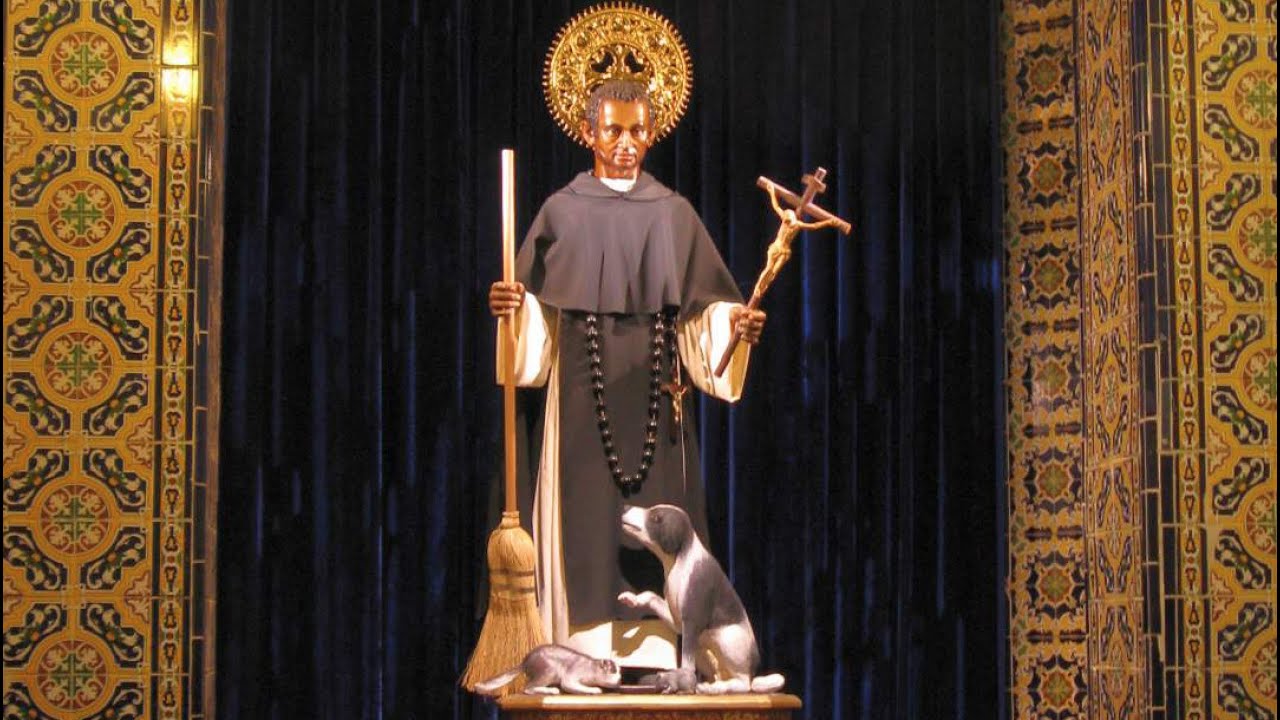

Christians do not worship Mary. Instead, many venerate or honour her as the first and greatest disciple, the one who listened, believed and stayed true even when life was incomprehensibly hard. In this sense, st. virgin mary is not distant or abstract; she is a profoundly human figure whose faith speaks to ordinary people and their struggles.
Key titles and doctrines about st. virgin mary
Theotokos (Mother of God)
The title Theotokos was affirmed at the Council of Ephesus (431). It safeguards the belief that Jesus is one person who is fully God and fully human. Calling st. virgin mary “Mother of God” does not mean she is older than or greater than God; it means the child she bore is truly God incarnate.
Perpetual Virginity
Many Christians—especially in Catholic and Orthodox traditions—believe that st. virgin mary remained a virgin before, during and after the birth of Jesus. This teaching highlights the unique role of Mary in salvation history and the totality of her self-giving to God, while recognising that the Gospels’ references to Jesus’ “brothers and sisters” can be understood as extended family or close kin in the culture of the time.
Immaculate Conception
In Catholic teaching, the Immaculate Conception refers to the belief that st. virgin mary was preserved from original sin from the first moment of her conception, by a singular grace of God in view of Christ’s merits. This doctrine, defined in 1854, aims to underline God’s preparation of Mary for her unique vocation as the Mother of the Saviour.
Assumption (Dormition in the East)
The Catholic Church teaches that st. virgin mary, at the end of her earthly life, was taken body and soul into heavenly glory (the Assumption, defined in 1950). In Orthodox Christianity, the Dormition commemorates her falling asleep and being received by her Son. Both traditions express deep hope in the resurrection and the dignity of the human body redeemed by Christ.
Biblical foundations and early traditions
The Gospels provide the foundation for Christian reflection on Mary. Luke’s account of the Annunciation presents her open-hearted consent; the Visitation shows her joy and solidarity; the Nativity places her at the centre of the Incarnation. John’s Gospel highlights her quiet intercession at Cana and her steadfast presence at the foot of the cross. For many believers, these scenes reveal how st. virgin mary models trust, courage and compassionate attention to others.
The Magnificat: a song of faith and justice
Mary’s hymn in Luke 1:46–55—known as the Magnificat—celebrates God’s mercy, lifts up the poor, and challenges pride. It is a prayer that unites contemplation with social concern, making Mary a powerful figure for those who seek a faith that is both grounded and generous. In countless churches and monasteries, the Magnificat is prayed every evening, echoing her voice through the centuries.
st. virgin mary across Christian traditions
Catholic perspectives
In Catholic life, Mary is honoured in scripture, liturgy and devotion. Her feasts, prayers and images lead the faithful to Christ. The Rosary, the Angelus, and the month of May as a time of Marian prayer are familiar practices. While dogmas such as the Immaculate Conception and Assumption are distinctive, the heart of Catholic Marian devotion is simple: st. virgin mary points to Jesus and teaches trust.
Orthodox perspectives
Orthodox Christians call Mary Theotokos and place her at the heart of liturgical life. Icons of the Mother of God are deeply revered, emphasising the mystery of the Incarnation. Hymns such as the Akathist honour her unique role. Devotion is rich yet theologically balanced, always Christ-centred; in this way, Orthodoxy offers a luminous vision of st. virgin mary as the bridge between heaven and earth.
Anglican and Protestant views
Anglicanism generally holds Mary in respect, commemorating her in the calendar and encouraging biblical reflection on her faith. Many Protestants honour Mary as the mother of Jesus and a courageous disciple, while being cautious about practices they see as lacking clear biblical warrant. Dialogue has helped clarify that honouring Mary need not eclipse Christ, and that the best Marian devotion is always a path to a deeper love of the Lord.
Mary in Islam
Mary (Maryam) is also revered in Islam as the mother of Prophet Isa (Jesus). The Qur’an presents her as a woman of exemplary purity and devotion, and an entire chapter (Sura Maryam) is named after her. While beliefs differ significantly from Christian doctrine, the respect shown to Mary in Islam is notable and can encourage mutual understanding.
Devotions associated with st. virgin mary
Prayers and practices
Common devotions include the Hail Mary, the Rosary (meditating on the mysteries of Christ’s life), the Angelus (recalling the Incarnation), and the Litanies of Loreto. In the Eastern tradition, the Akathist Hymn is a beloved poetic prayer. Many people find these practices gentle, rhythmic and consoling. Because the Rosary centres on the life of Christ, it offers a calm, structured way to ponder the Gospel with st. virgin mary as guide.
Feasts and seasons
Across Christian calendars, key Marian feasts include the Annunciation (25 March), the Nativity of the Theotokos (8 September), the Immaculate Conception (8 December, in the Catholic calendar), and the Assumption or Dormition (15 August). These feasts situate Mary’s life within the larger story of salvation, inviting believers to celebrate God’s faithfulness.
Pilgrimage and discernment
Sites such as Lourdes (France), Fatima (Portugal), Guadalupe (Mexico) and Walsingham (England) draw pilgrims seeking prayer and healing. Apparitions, when reported, are carefully discerned by church authorities. Even when a site is approved for devotion, no Christian is obliged to believe in private revelations. What matters is that any pilgrimage fosters faith, charity and a deeper following of Christ alongside st. virgin mary.
Art, culture and everyday life
From Byzantine icons to Renaissance masterpieces, from folk hymns to contemporary poetry, Mary has inspired creativity in every age. In the UK, the shrine of Our Lady of Walsingham and countless parish statues or icons remind worshippers that the Word became flesh in a real family. At home, a simple image or candle can create a quiet corner for reflection—no frills required, only a willingness to pause.
Simple ways to bring a Marian focus to daily life
- Read and ponder Luke 1–2 and John 2; let the scenes breathe.
- Pray a decade of the Rosary while walking, commuting or sitting quietly.
- Pause at midday to recall the Angel’s message and Mary’s “yes”.
- Keep a small prayer card or icon near your bedside or desk.
- Let Mary’s Magnificat inspire an act of practical kindness each week.
Common mistakes to avoid
- Confusing veneration with worship. Christians worship God alone; honouring Mary points to God’s work.
- Treating devotion as superstition. Authentic devotion is anchored in scripture, liturgy and charity.
- Focusing only on apparitions. The Gospels and the Church’s prayer are the sure foundation.
- Using Mary to divide. She is a motherly figure; devotion should build bridges, not barriers.
- Overlooking the poor. Mary’s Magnificat challenges believers to care for those in need.
Recommended external resources
- Catechism of the Catholic Church on Mary (paras. 487–511) – official teaching on her role, titles and doctrines.
- Encyclopaedia Britannica: Mary, mother of Jesus – a balanced, historical overview.
- Greek Orthodox Archdiocese: The Theotokos – an accessible introduction to Mary in the Orthodox tradition.
- Wikipedia: Mary, mother of Jesus – a broad survey with references for further study.
Related articles
Frequently asked questions about st. virgin mary
Do Christians worship Mary?
No. In mainstream Christian teaching, worship (adoration) is due to God alone. Honouring Mary—through prayers, feasts or images—is a way of recognising God’s work in her and asking her prayers, much as you might ask a trusted friend to pray for you.
Why is Mary called “Mother of God”?
This title safeguards belief that Jesus is one person who is both fully God and fully human. If Jesus is God incarnate, then the woman who gave birth to him is rightly called Mother of God (Theotokos). The title honours Christ’s identity more than Mary’s status.
Is there biblical support for Marian devotion?
The Gospels present Mary’s role in the Incarnation, her faith, and her presence at pivotal moments in Jesus’ life. Devotions such as the Rosary are meditations on those scriptural mysteries. While the Bible does not prescribe specific Marian prayers, Christians see scriptural warrant for honouring those who are exemplars of faith.
What is the difference between Assumption and Dormition?
In Catholic teaching, the Assumption refers to Mary being taken body and soul into heavenly glory. Orthodox Christians celebrate the Dormition, emphasising her falling asleep in the Lord and being received by her Son. The language and theological emphases differ, but both point to resurrection hope.
How can I start a simple Marian devotion?
Begin with the Bible: read Luke 1–2 slowly. Try a decade of the Rosary focusing on a Gospel scene. Pray the Angelus at midday. Keep it simple and Christ-centred, letting Mary’s faith encourage your own.
Conclusion on st. virgin mary
Approached with clarity and balance, st. virgin mary becomes not a stumbling block but a companion: a woman of listening heart, a disciple who stayed near when others fled, and a mother who points beyond herself
