Saint Rita prayer: essential guide with 5 simple, effective steps
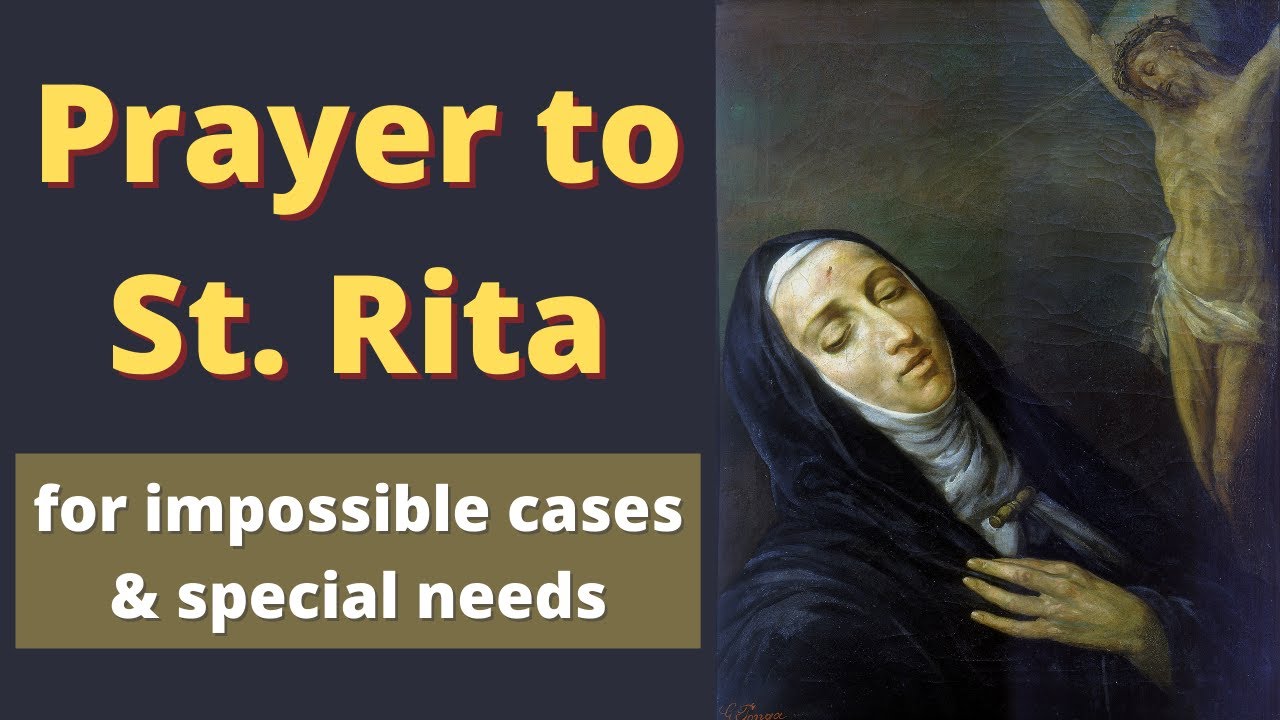
saint rita prayer: meaning, origins, and how to pray with confidence
The phrase saint rita prayer refers to a set of devotional prayers addressed to Saint Rita of Cascia, a beloved Catholic saint often invoked in difficult or “impossible” situations. People turn to her for help with family tensions, health challenges, and moments when peace and reconciliation seem out of reach. In this guide you’ll learn what the saint rita prayer is, how to pray it meaningfully, and practical tips for weaving it into daily life, whether you’re new to Christian prayer or refreshing a long-standing devotion.
Rooted in a centuries‑old tradition, a saint rita prayer is not a magic formula but a way to seek God’s help through the intercession of a saint who herself endured suffering with patience, courage, and hope. As you explore, you’ll find straightforward steps, examples, and gentle cautions so your practice stays grounded, balanced, and genuinely prayerful.
Who was Saint Rita of Cascia?
Saint Rita of Cascia (c. 1381–1457) was an Italian Augustinian nun known for her steadfast faith across difficult circumstances. As a young woman she entered an arranged marriage, endured domestic trials with patience, later lost her husband and sons, and eventually joined a convent in Cascia. She is often depicted with a rose and a thorn, reflecting both sweetness and sacrifice, and is associated with a forehead wound—an emblem of sharing in Christ’s suffering.
Rita’s legacy is one of reconciliation and perseverance. She is widely called upon as a patron of impossible causes, peacemakers, and those seeking healing in family relationships. Her feast day is celebrated on 22 May each year. For more background on her life and the growth of her devotion, you can read the biography of Saint Rita of Cascia on Wikipedia and visit the official Sanctuary of Saint Rita of Cascia in Italy for historical details and current devotional practices.


What people seek in a saint rita prayer
Most people turn to a saint rita prayer when they feel stuck: a relationship at breaking point, a work situation that seems unfixable, a health concern weighing heavily, or a personal struggle requiring hope beyond human solutions. The saint rita prayer offers a framework to bring these concerns to God through the intercession of a saint who intimately understood loss, conflict, and the slow work of healing.
Common intentions include:
- Reconciliation within families, marriages, and friendships.
- Healing from illness or emotional wounds.
- Strength to navigate difficult decisions or prolonged trials.
- Peace amid grief or unresolved conflict.
- Guidance when facing “impossible” or deadlocked situations.
Core themes of a saint rita prayer
While the wording of any saint rita prayer varies, the themes are remarkably consistent:
- Trust in God’s providence: Acknowledging God as the source of every good gift and ultimate healing.
- Intercession: Asking Saint Rita to pray with and for you—not as a replacement for God, but as a companion in faith.
- Patience and perseverance: Requesting the grace to endure with hope and to keep moving in love, even when progress is slow.
- Reconciliation and forgiveness: Seeking the courage to forgive, apologise, and pursue peace.
- Transformation: Inviting change not only in circumstances but within your heart, habits, and reactions.
Because of these themes, a saint rita prayer suits anyone longing for interior peace and the courage to act wisely. Even if your situation doesn’t immediately change, the prayer can transform the way you meet it.
How to pray the saint rita prayer step by step
There’s no single “official” text to a saint rita prayer. The steps below are a simple way to pray with intention and calm:
- Begin with quiet. Find a peaceful place. Settle your breathing. You might light a candle or simply sit in stillness for a moment.
- Invoke God. Start with a short invocation such as: “Lord God, I come before you seeking your mercy, wisdom, and peace.”
- Ask Saint Rita’s intercession. Speak to her in your own words, or pray a traditional line like: “Saint Rita, faithful servant of Christ, please pray for me.”
- State your intention. Name your need honestly and simply. Avoid needless detail; focus on the heart of the matter.
- Ask for specific graces. For example: patience, clarity, courage to reconcile, or strength to persevere.
- Close with gratitude and trust. Thank God for hearing your prayer and entrust the outcome to His loving care.
Short daily saint rita prayer
If you prefer a brief format, try this simple daily saint rita prayer:
“God of compassion, in every difficulty be my light and peace. Saint Rita, example of steadfast love, pray with me for [name your intention]. Ask the Lord to grant me patience, courage, and a reconciled heart. I trust in His timing and mercy. Amen.”
Novena to Saint Rita: the essentials
Many people like to deepen their devotion with a nine‑day sequence called a novena. A saint rita prayer novena typically includes a short opening prayer, a daily reflection (often on a virtue such as patience or forgiveness), a petition, and a closing prayer. It can be prayed on nine consecutive days or Fridays leading up to her feast day (22 May). Keep a small journal of graces noticed along the way.
Weaving Scripture and silence into a saint rita prayer
Including Scripture can anchor your saint rita prayer in God’s word. Suitable passages include Psalms of trust (e.g., Psalm 27; Psalm 46), the Beatitudes (Matthew 5:1–12), and verses on reconciliation (Colossians 3:12–15). After reading, sit in silence for a minute or two, then return to your intention. Silence allows space for God’s comfort and for your own heart to settle.
Variations: novena, litany, and chaplet
Depending on your tradition, you may encounter different forms of saint rita prayer:
- Novena: A nine‑day cycle of prayer and reflection focused on a particular intention.
- Litany: A structured prayer with invocations and responses, emphasising Saint Rita’s virtues and asking her intercession.
- Chaplet: A sequence of prayers counted on beads, similar to a rosary, often tailored to themes of hope, patience, and reconciliation.
Any of these can be prayed privately, with family, or in a community. Choose the form that helps you remain attentive and sincere; that is what matters most in a saint rita prayer.
Etiquette and common mistakes with the saint rita prayer
A few gentle pointers can help you avoid frustration or misunderstanding:
- Don’t treat prayer as a transaction. The saint rita prayer is an act of trust, not a bargain. Avoid “if you do X, I’ll do Y” mindsets.
- Be honest but concise. God already knows your situation. State your intention clearly without spiralling into anxiety or rehearsing every detail.
- Stay open to God’s timing. Answers may come slowly or differently than expected. Perseverance is a hallmark of this devotion.
- Let prayer influence action. If your saint rita prayer inspires you to apologise, seek counsel, or make a small step towards peace, do it.
- Avoid superstition. Objects such as candles or medals can help focus your mind, but they are not talismans. The heart of prayer is faith, not ritual mechanics.
When and where to use the saint rita prayer
There’s no wrong time to pray. Many people pray a saint rita prayer each morning or evening, or whenever anxiety peaks. Others connect it to specific dates, such as nine days before 22 May or at an anniversary tied to their intention. Some visit a church or quiet chapel; others pray at home with a simple image of Saint Rita and a small candle.
If you’re facing a family dispute, you might pray a saint rita prayer before a difficult conversation, asking for calm speech and a forgiving heart. Those caring for a sick loved one might use the prayer to seek endurance and gentleness. The key is consistency: returning day by day to God’s presence and to the example of Saint Rita’s trust.
Integrating the saint rita prayer with broader Christian devotion
A balanced spiritual life blends personal prayer, Scripture, community worship, and service. Many find that the saint rita prayer sits well alongside the rosary, morning and evening prayers, and structured devotions centred on God’s mercy. If you are interested in another accessible devotion focused on trusting God in trials, see the Divine Mercy Chaplet prayer, which complements a saint rita prayer by emphasising trust, surrender, and compassion.
Christians from different traditions approach saints in distinct ways. If you’re exploring how the practice of asking for a saint’s intercession relates to different branches of Christianity, this overview of differences between Orthodox and Catholic practice offers useful context. Understanding the “why” behind a devotion can help you pray with greater confidence and respect for others’ beliefs.
For a concise overview of Saint Rita’s life and historical context, the Britannica overview of Saint Rita of Cascia is reliable, while the sanctuary in Italy provides practical information about pilgrimages, liturgies, and popular devotions in her honour at the Sanctuary of Saint Rita of Cascia (official site). Including informed background reading can deepen the quality of your saint rita prayer by connecting it to living tradition.
Practical prompts to deepen your saint rita prayer
If you’re ready to go deeper, try one prompt each week:
- Reconciliation prompt: “Lord, who could I approach with a small step towards peace this week?” Let your saint rita prayer guide your next action.
- Patience prompt: “Where am I resisting your timing?” Notice reactions and ask for grace to wait with hope.
- Forgiveness prompt: “Whose name brings tension to mind?” Ask Saint Rita’s intercession for the strength to forgive, even if the relationship remains imperfect.
- Gratitude prompt: End each saint rita prayer naming one sign of God’s presence you noticed, however small.
Signs your saint rita prayer is bearing fruit
While we can’t measure grace, you may notice:
- Less reactivity and more calm in tense situations.
- Greater willingness to apologise, listen, and reconcile.
- Clarity about your next wise step, even if the big picture is unresolved.
- A quieter confidence in God’s care, despite ongoing challenges.
These changes are often subtle. Record them in a notebook to encourage perseverance in your saint rita prayer, especially on slow days.
Recommended external resources
- Official Sanctuary of Saint Rita of Cascia: history, devotions, and pilgrimage information
- Britannica article on Saint Rita of Cascia: concise biography and significance
- Wikipedia: Rita of Cascia, detailed background and iconography
- Franciscan Media’s Saint of the Day: Saint Rita of Cascia
Related articles
Frequently asked questions about saint rita prayer
What is the best time of day to say a saint rita prayer?
Any time you can be calm and attentive works. Many prefer morning for focus or evening for reflection. If you’re praying a novena, choose a time you can keep consistently for nine days, even if it’s only five minutes. Regularity matters more than length.
How long should a saint rita prayer be?
There’s no required length. A heartfelt two‑minute prayer can be powerful. On days with more time, you might include a short Scripture reading, a reflection, and closer attention to your intention. On busy days, a brief saint rita prayer with a quiet pause can sustain your trust.
Can I write my own saint rita prayer?
Yes. Using your own words can help you pray with sincerity. Keep the core elements: turn to God first, ask Saint Rita’s intercession, name your intention, request specific graces (patience, courage, reconciliation), and close with gratitude and trust.
What if my situation doesn’t change after praying?
Prayer is not a guarantee of a specific outcome. Often, the first change is within us: greater patience, clarity, and courage to act wisely. Keep praying steadily. Consider seeking practical help (pastoral support, counselling, or mediation) alongside your saint rita prayer when needed.
Is a saint rita prayer only for Catholics?
While devotion to Saint Rita is rooted in Catholic practice, people from various Christian backgrounds appreciate her witness to forgiveness and perseverance. If you’re from another tradition, you might frame the prayer as asking a faithful Christian from history to “pray with you,” keeping the focus on God as the source of help.
Should I use candles, medals, or an image while praying?
Use them if they help you focus, but they’re not required. The essence of a saint rita prayer is faith expressed through honest words and attentive silence. A simple image or a lit candle can be a gentle aid to concentration.
What’s the difference between a novena and a litany to Saint Rita?
A novena is prayed over nine days and often includes daily reflections; a litany is a set of invocations and responses usually prayed in one sitting. Both are forms of saint rita prayer aimed at deepening trust and perseverance.
Conclusion on saint rita prayer
The saint rita prayer invites you into a time‑tested path of trust, patience, and reconciliation. Whether you pray a short daily intention, a nine‑day novena, or a litany, its heart is the same: asking God for help through the intercession of a saint who knew suffering and chose steadfast love. In moments that feel impossible, this simple devotion can restore hope and guide practical next steps.
As you begin or renew your saint rita prayer, start small, be consistent, and let your prayer shape your actions—apology, forgiveness, a phone call, or the courage to seek wise support. Combine it with Scripture, silence, and, when helpful, complementary devotions. The fruit you’re looking for—peace of heart, steadiness in trials, and a merciful outlook—often grows quietly.
Above all, remember that a saint rita prayer is not about perfect words; it’s about bringing your real life before God with honesty and trust. In doing so, you’ll walk in the company of Saint Rita—and discover new resilience, compassion, and hope for whatever lies ahead.
