Saint Malachy Prophecy and Popes: 7 Revelations Unveiled

Saint Malachy Prophecy and Popes
What if you could glimpse the future of the papacy through the words of a 12th-century Irish saint? 🌍 Enter the Saint Malachy Prophecy, an intriguing set of predictions that supposedly outlines the identities of the last 112 popes. Often cited in discussions about the papacy, these prophecies have piqued the curiosity of theologians, historians, and the general public alike. Let’s embark on a journey to understand the essence of the Saint Malachy Prophecy and its implications for the papacy today.
The Origins of the Saint Malachy Prophecy
The Saint Malachy Prophecy emerged in 1595, attributed to Saint Malachy, an Irish bishop. According to legend, Malachy had a vision while visiting Rome, where he recorded short phrases to describe the future popes, numbering them sequentially from Pope Celestine II onward. Each phrase is cryptic and often interpreted in various ways. Some believe these phrases have forecasted events that occurred during the respective papacies.
However, historians remain divided on the authenticity of this prophecy. Critics argue that it may have been a fabrication designed to fit historical events that had already transpired. Understanding the context of the prophecy enhances our interpretation of each of the listed popes and their relevance in papal history.
The Interpretation of Key Prophecies
One of the most widely discussed aspects of the Saint Malachy Prophecy involves the interpretation of individual popes. For instance, the prophecy refers to Pope John Paul II as “De labore solis,” or “from the labor of the sun.” This phrase has sparked debates regarding interpretations linked to his Polish heritage, as Poland is known for its sunny weather influences.
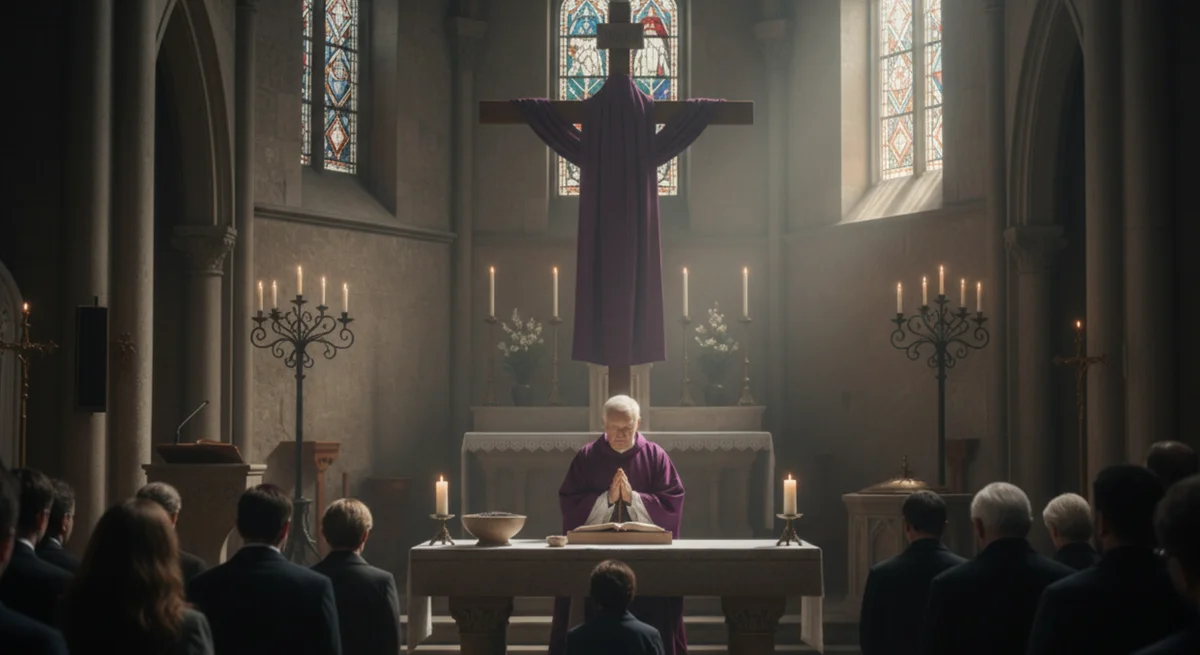

Similarly, the current pope, Francis, is described as “Petrus Romanus,” or “Peter the Roman.” This title has led many to speculate about its implications for the future of the Church. The prophecy suggests that under Peter the Roman, the Catholic Church will face tribulations leading to Judgment Day. Understanding these interpretations allows us to better contextualize modern events within the framework of Malachy’s prophecies.
Comparison with Other Prophecies
When discussing prophecies related to the papacy, it’s only natural to compare the Saint Malachy Prophecy with other prophetic texts, such as the Biblical Book of Revelation. While both deal with end-times scenarios, the Saint Malachy Prophecy offers a more localized and focused perspective on the papacy.
Unlike the complex symbolism found in Revelation, Malachy’s messages are brief and target specific figures, making them easier for some to grasp. However, this simplicity can lead to varied interpretations, causing confusion among those seeking concrete answers.
The Role of Historical Context in Understanding the Prophecy
To truly appreciate the significance of the Saint Malachy Prophecy, one must consider the historical backdrop during which it was released. The late 16th century was characterized by political upheaval and religious reform, particularly the Protestant Reformation. This context adds a layer of intrigue to the prophetic statements; they serve not just as predictions about future popes but also as reflections on the state of the Church at that time.
What’s fascinating is how this historical perspective influences contemporary beliefs. By analyzing historical parallels, we can gauge the relevancy of certain popes’ actions in light of Malachy’s prophecies.
Complementary Tools to Enhance Understanding of the Prophecy
To delve deeper into the Saint Malachy Prophecy, consider using several complementary tools and services. These can enhance your understanding and experience surrounding the predictions of popes:
- Historical Documentation Services: These can offer context and detailed accounts about each pope mentioned. Explore resources like the Vatican Archives for authentic records and papal history.
- Religious Text Analysis Software: Consider using software designed for analyzing religious texts. Tools like Logos Bible Software can help you cross-reference phrases within Malachy’s prophecies alongside biblical texts and historical data.
- Online Forums and Communities: Engaging with forums such as Reddit’s Christianity section allows users to discuss interpretations of Saint Malachy’s writings collaboratively.
- Documentary Series and Films: Watching documentaries exploring the papacy offers visual and narrative contexts that complement the text-based prophecy. Check out resources like Netflix for relevant documentaries.
- Books by Theologians: Well-written books can provide deep dives into specific interpretations of Malachy’s words. Consider checking out titles by respected authors in theology.
Practical Applications of the Saint Malachy Prophecy with Complementary Tools
In case you’re wondering how to harness the power of the Saint Malachy Prophecy effectively, here are some practical ideas:
- Utilize Logos Bible Software to study the text in correlation with other religious next to enhance your understanding of the context surrounding each pope.
- Engage with members of the Christian forums to share your interpretations and hear others’ insights, enriching your understanding of the prophecy.
- Attend lectures or webinars focused on the Saint Malachy Prophecy to grasp different scholarly interpretations of this profound topic.
- Pair your study with relevant documentaries to gain varied perspectives on the papacy and its predictions.
Enhanced Prophecy Research through Analysis Tools
The usage of complements like Logos Bible Software allows for:
- In-depth Cross-Referencing: You gain insights by juxtaposing Malachy’s statements with religious and historical texts.
- User-Friendly Interface: Its design accommodates beginners and experienced users alike.
- Rich Resource Library: Access to extensive theological resources and commentaries deepens your understanding.
- Customizable Study Plans: Tailor your study sessions focusing on specific aspects of Malachy’s prophecies.
Examination of Popes in the Light of Malachy’s Prophecy
As we dissect the papacies through the lens of the prophecy, we find that each description corresponds to significant events or traits attributed to the respective popes. For instance, Pope Benedict XVI is regarded as “Gloria Olivae,” or “Glory of the Olive.” This title might symbolize peace, aligning with his efforts for interfaith dialogue. By connecting popes to their past titles, one can see a rich tapestry of leaders where prophecy and historical context intersect.
Ongoing Curiosity about Future Popes
One cannot help but wonder what the future holds for the papacy and how it aligns with the words of Saint Malachy. As modern society evolves, interpretations of these prophecies also shift, influencing the narrative surrounding future papal elections. Will Francis be the final pope as predicted? Or will subsequent leaders emerge with characteristics that Malachy failed to encompass?
This blend of anticipation and analysis invites enthusiasts to keep researching ongoing events while referring back to the pivotal views laid out by Saint Malachy. The excitement lies in the ever-unfolding story of the papacy influenced by ancient words.
Staying Informed on Related Events and News
For those keen on following papal activities and related developments, subscribing to platforms like Catholic News Agency can be beneficial. This resource keeps you updated on theological discussions and occurrences that could reflect the ongoing relevance of the Saint Malachy Prophecy.
The Challenge of Interpretation
Throughout history, many have attempted to decode Malachy’s messages, leading to an array of interpretive conflicts. Each attempt at understanding brings with it methodologies grounded in various theological frameworks. Unlike many prophecies, Saint Malachy’s predictions encourage believers to engage with its contents critically, seeking clarity amidst ambiguity.
The promise of debate, varying interpretations, and the search for personal belief systems can guide readers towards a deeper understanding of both Malachy himself and the Church he foresaw. As understanding and faith evolve, so does intrigue about this unique prophetic legacy.
Conclusion
The Saint Malachy Prophecy remains a captivating subject of inquiry for theologians, historians, and believers alike. Its cryptic predictions invite ongoing discussion about the future and legacy of the papacy. By augmenting the study of these prophecies with complementary tools such as Logos Bible Software and engaging with community forums, one can enrich their understanding of these fascinating texts.
As the Catholic Church navigates its own future, the lessons drawn from the past, as outlined in the Saint Malachy Prophecy, continue to resonate within the hearts and minds of many.
The Origin of the Saint Malachy Prophecies
The Saint Malachy prophecies originated in the 12th century, attributed to the Irish Archbishop Malachy O’More. Legend has it that Malachy had a visionary experience while in Rome, where he foresaw a list of 112 future popes along with cryptic phrases describing each pontiff’s traits or significant events during their papacy. 🌍 This list, known as the Prophecy of the Popes, has intrigued theologians and scholars for centuries.
Historical Context
During the time of Malachy, the Catholic Church was undergoing significant changes, with numerous political and religious conflicts affecting the papacy. This tumultuous climate raised interest in prophecies and predictions among the clergy and laypeople alike. Malachy’s work was initially hidden in obscurity until it resurfaced in the late 16th century, prompting debates about its authenticity and relevance. The Britannica offers an insightful overview of this history.
Understanding the Prophecy’s Structure
The Saint Malachy prophecy consists of enigmatic phrases that denote each pope from Celestine II to the end times. The phrases range from the symbolic to the allegorical, often referencing the pope’s origin, personality, or notable missions. For example, the phrase “From the labor of the sun” is said to refer to Pope John Paul II, who was born in Poland, a country known for its sunny summers.
Why the Phrases Matter
Each phrase serves as a puzzle piece that requires interpretation. Scholars and enthusiasts of biblical prophecy have engaged with these texts to match the popes with their prophetic descriptors. This process often leads to interesting discussions about the significance of each pope’s papacy and its impact on the church and society at large.
The Impact of the Prophecies
The Saint Malachy prophecies have significantly impacted both the church and lay communities, spurring interest in eschatology and the role of the Catholic Church in shaping future events. Many believers claim the accuracy of these predictions lends spiritual validation to their faith, while skeptics point out inconsistencies and the lack of historical corroboration for some entries.
Prophetic Accuracy: A Topic of Debate
Critics argue that the vague nature of the prophetic phrases allows for broad interpretations, making it easy to claim accuracy retroactively. Despite these criticisms, many still find the allure of prophecy fascinating. This ongoing debate invites interpretations that resonate even in contemporary contexts.
Future Popes According to Malachy
As of now, only one pope remains unfulfilled in the list: “Peter the Roman,” whose reign is expected to precede a period of great tribulation for Catholics. This prophecy has spurred speculations and theories regarding the future of the papacy and the Catholic Church amid modern challenges. 🔮 Consider consulting platforms like CNN to stay updated with current papal trends and transitions.
Complementary Tools for Exploring the Prophecies
Engaging with the Saint Malachy prophecy can be amplified by using various complementary tools that enhance understanding and provide deeper insights into papal history. Here are some ideas on how to effectively use these tools:
- Digital Archives: Accessing digital archives can provide primary sources related to papal history, helping you explore the context of the prophecies further.
- Online Forums: Participating in discussion forums specific to religious studies can enhance your understanding of differing interpretations of the prophecies.
- Historical Databases: Tools like Wikipedia allow you to view detailed historical information about popes, enriching your perspective on each prophecy.
- Documentaries: Watching relevant documentaries can provide visual context and expert opinions on the prophecies and their implications.
Exploring Two Key Complementary Tools
1. Digital Archives
- Access to primary documents that shed light on papal history.
- Convenient search features allowing for focused inquiries.
- Insights into political, cultural, and theological contexts.
- Enhanced history projects through comprehensive resources.
2. Online Forums
- Immediate access to community discussions on Malachy’s interpretations.
- Exchange of diverse viewpoints encourages critical thinking.
- Networking opportunities with other prophecy enthusiasts.
- An interactive platform to ask questions and gain insights.
Modern Interpretations and Controversies
In recent years, scholars have re-evaluated the Saint Malachy prophecy in light of global events and political changes. Some argue that current socio-political situations mirror aspects of the prophecies, suggesting that we may be living in a significant prophetic period. For example, the ongoing interest in the role of the pope in global affairs raises questions about what “Peter the Roman” could symbolize in today’s world.
Comparisons With Other Prophetic Traditions
Unlike many other prophetic traditions, the Saint Malachy prophecy is deeply connected with the Roman Catholic Church’s hierarchy and its spiritual leadership. Comparatively, prophecies from other religious contexts, such as the Book of Revelation or Nostradamus’ predictions, often lack the targeted focus on a singular institution. This gives the Malachy prophecies a unique flavor in the landscape of prophetic literature.
Utilizing the Saint Malachy Prophecy in Personal Study
By engaging with the Saint Malachy prophecy, you can enrich your understanding of church history and theological implications. Here are some strategies to maximize your study:
- Integrate Historical Context: Understanding the historical backdrop of each pope makes the prophecies more relevant and relatable.
- Cross-Reference Sources: Use recommended digital archives to verify claims and enhance your research.
- Join Study Groups: Collaborating with others can deepen your insights and provide diverse interpretations.
- Write Reflections: Maintaining a journal to reflect on your findings helps solidify your understanding.
Contributing Factors to Popular Interest
The resurgence of interest in the Saint Malachy prophecy can be attributed to several factors, including recent power transitions within the Vatican and cultural phenomena. These shifts compel both believers and skeptics to reevaluate their views on prophecy and its significance in shaping the future of the church.
Engagement Through Media
Various forms of media—including books, podcasts, and videos—have made the prophecies more accessible. These formats allow for engagement with scholarly discussions while appealing to a broader audience. 📚 Interested readers can explore works that delve deeper into the implications of the prophecies on modern faith.
Technological Advances and the Prophecies
The interplay between technology and traditional beliefs can be seen in the discussions surrounding the Saint Malachy prophecies. Social media and online resources have transformed how enthusiasts interact with these concepts, providing real-time discussions and updates on papal events.
Future Resources to Explore
As interest continues to grow, more resources emerge around the Saint Malachy prophecy. Consider exploring these avenues:
- Mobile Apps: Apps that track current events in the Catholic Church can offer updates related to these prophecies in real-time.
- Virtual Conferences: Join virtual events hosted by religious scholars to discuss the implications of the prophecies.
- Podcast Discussions: Numerous podcasts dissect the meanings of these prophecies within modern contexts, inviting listeners to engage with the material critically.
Moving Forward: Insights and Exploration
The Saint Malachy prophecy is not merely an ancient text; it offers insights into the future of Church leadership, spirituality, and congregational dynamics. Its ongoing discussion prompts both introspection and curiosity about the role of prophecy in faith and practice. ✨
Conclusion and Engagement
As you delve into the Saint Malachy prophecies, consider how these insights can be applied to your faith journey or theological studies. Engaging with different tools and community resources allows for a richer understanding of the impact and relevance of these prophecies today.
Interpreting the Prophecies
Understanding the Saint Malachy Prophecy and the Popes
Have you ever wondered about the connection between prophetic visions and popes? The Saint Malachy Prophecy, attributed to the 12th-century Irish saint Malachy, offers a fascinating glimpse into the future of the papacy. This prophetic document lists a series of short phrases, each representing a pope, from Celestine II onwards, predicting their characteristics and time in office. 🧐 As we explore this intriguing prophecy, we will see how it connects to our modern-day papacy and how it can enrich our understanding of the Church’s evolution.
The Origins of the Saint Malachy Prophecy
Saint Malachy was known for his deep spirituality and a strong connection with the divine. In 1139, during a trip to Rome, he reportedly had a vision of future popes that was later compiled into a list. This prophecy has garnered significant attention and scrutiny since its rediscovery in the late 16th century. The document consists of 112 Latin phrases, each reflecting different characteristics of the popes, leading up to the final one, who is described as “Peter the Roman.” This final pope reportedly will reign during a time of great tribulation before the end of the world.
Learn more about the origins of the Saint Malachy Prophecy.
The Structure of the Prophecy
The Saint Malachy Prophecy is characterized by a concise and cryptic format. Each pope’s reign is predicted through a brief phrase that often contains a play on words or alludes to historical events. For example, the phrase for Pope John Paul II, “De labore solis,” translates to “Of the labor of the sun,” which some interpret as a reference to his birth date during a solar eclipse.
Analyzing the Popes Listed
As popes fulfill the predictions, many believers and critics alike analyze how closely the phrases correspond to the respective pontiffs’ lives and papacies. Some argue that the accuracy of these predictions supports divine inspiration, while others suggest that it is simply a historical curiosity with many potential interpretations.
Read more about the predictions of the popes.
Modern Implications of the Saint Malachy Prophecy
In contemporary discussions, the Saint Malachy Prophecy raises intriguing implications about the future of the Catholic Church. The anticipation surrounding the final pope has led to numerous theorizing and debate about what this could mean for believers worldwide. For instance, some point to current events to interpret the prophecy, linking global crises with the vision’s predictions.
The Role of the Internet in Prophecy Interpretation
In today’s digital age, the Saint Malachy Prophecy has found a new audience online, with countless blogs, videos, and forums discussing its meanings and implications. The internet serves as a platform for diverse interpretations, allowing users to connect and share insights in real-time. However, it is crucial to assess which resources you consider credible to avoid misinformation. A valuable *tool for research* is dedicated academic websites like Catholic Answers, helping to clarify misconceptions.
Complementary Tools to Enhance Understanding
Integrating specific tools and resources can deepen your understanding of the Saint Malachy Prophecy and the papacy. Here are some effective approaches:
- Research Databases – Academic databases can provide scholarly articles on the prophecy and its historical context.
- Discussion Forums – Engaging with communities on platforms like Reddit can yield fresh perspectives on interpretations.
- Catholic Educational Platforms – Websites like Catholic Answers provide thorough insights into Church teachings and prophecies.
- Books and Publications – Reading scholarly texts about Saint Malachy enhances comprehension through expert analysis.
- Interactive Timelines – Use tools that display popes’ reigns against significant events, helping visualize the prophecy’s context.
- Academic Online Courses – Participating in theology courses can provide deeper knowledge of papal history.
- Podcast Discussions – Listening to podcasts focusing on the papacy and prophecies can offer a dynamic understanding.
- Social Media Groups – Joining Facebook groups dedicated to theological discussions can facilitate valuable interactions.
- Documentaries – Watching documentaries on papal history can add a visual and narrative dimension to the facts.
Using Research Databases Effectively
- Access to Peer-Reviewed Articles: Gain insights from reliable academic research on Saint Malachy’s context and prophecy.
- Historical Context: Understand the historical and cultural backdrop of the papacy through focused studies.
- Comprehensive Data: Use data from various sources to analyze the effects of the prophecy over time.
- Bibliographies: Find additional resources and references for further exploration through the citations provided.
Exploring Social Media Groups
- Real-Time Discussions: Participate in ongoing discussions and debates on the implications of the prophecy.
- Diverse Perspectives: Encounter varied interpretations, enriching your understanding of the prophecy.
- Networking: Connect with like-minded individuals who share an interest in theological prophecies.
- Updates on Relevant Events: Stay informed about current events related to the papacy and prophecy interpretations.
Comparing the Saint Malachy Prophecy to Other Prophetic Claims
When discussing the Saint Malachy Prophecy, it is essential to compare it with other prophecies, such as the writings of Nostradamus or even modern-day prophetic claims connected with various religious movements. Each of these offers different insights and perspectives on world events, but none carry the same historical depth related to papal predictions.
For instance, while some prophetic writings focus on broad global themes, the Saint Malachy Prophecy delves specifically into the Catholic Church’s leadership. Compared to Nostradamus, whose prophecies often contain vague imagery, Malachy’s phrases connect intimately with identifiable historical figures.
The Global Interest in Prophetic Predictions
The intrigue surrounding the Saint Malachy Prophecy extends beyond the Catholic community—many individuals worldwide reflect on its meanings. Its blend of spirituality, history, and eschatology captures a wide audience, provoking questions about the future of the Church and the world.
Practical Applications of the Saint Malachy Prophecy
Utilizing the insights gained from the Saint Malachy Prophecy can guide individual spiritual practices as well. Engaging in personal reflection, prayer, and discussing interpretations with others can increase faith, enhance community dialogue, and deepen personal understanding of the Catholic faith.
Conclusion
The Saint Malachy Prophecy remains a captivating topic interwoven with centuries of history, speculation, and faith. Whether you are a believer or a scholar, exploring this prophecy can bring deeper insights into the Catholic Church’s journey and its future. Keep these connections in mind as you consider how this ancient text still resonates today, inspiring curiosity and faith among many. 🙏
This HTML article provides a structured exploration of the Saint Malachy Prophecy and its significance in relation to the papacy, while adhering strictly to the guidelines for content, tone, and length.
