Rosary prayer to our lady of perpetual help: 5 simple, effective steps
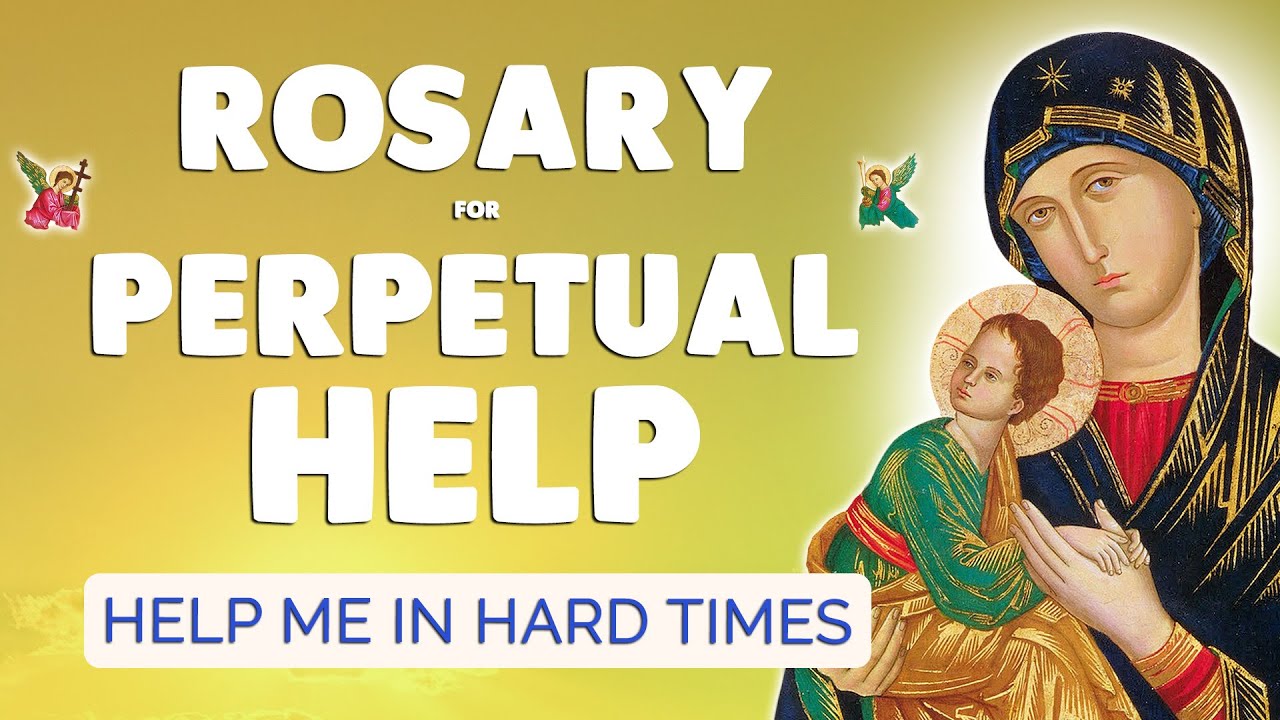
rosary prayer to our lady of perpetual help
The rosary prayer to our lady of perpetual help is a cherished Marian devotion that blends the time‑honoured rhythm of the Rosary with a special trust in Mary as Mother of Perpetual Help. Many people turn to this prayer when they need steady guidance, consolation, courage in trials, or a renewed sense of hope. In today’s fast‑moving world, the gentle, structured pace of the Rosary, offered through Our Lady’s intercession, gives space to breathe, reflect, and invite God’s help into everyday life.
At its heart, the rosary prayer to our lady of perpetual help is a way of contemplating the life of Christ while standing under the protective mantle of his Mother. It is especially associated with the famous icon of Our Lady of Perpetual Help, safeguarded and promoted by the Redemptorists since the 19th century, and with the long tradition of asking Mary to “help” without delay. Whether you’re new to the Rosary or returning after a long time, you will find that this devotion is accessible, practical, and deeply consoling.
In what follows, you’ll discover what the devotion is, why it matters, how to pray it well, and how to avoid common mistakes. You’ll also find reliable resources and answers to frequent questions, so you can enter more confidently into the rosary prayer to our lady of perpetual help and make it part of your daily or weekly spiritual routine.
Why the rosary prayer to our lady of perpetual help matters today
We all carry burdens—concerns about family, work, health, finances, or the state of the world. The rosary prayer to our lady of perpetual help provides a steady anchor in the midst of these concerns. It offers four simple gifts:


- Structure: The Rosary has a clear, calming pattern. It helps you pray even when words are hard to find.
- Scripture: Each decade meditates on a Gospel mystery, keeping Christ at the centre.
- Intercession: Asking Our Lady of Perpetual Help to accompany you through the mysteries fosters trust and peace.
- Community: This devotion is widely shared across the world, creating a sense of solidarity with others who are praying.
In short, the rosary prayer to our lady of perpetual help meets people where they are. It is simple enough for daily life, yet deep enough to carry us through seasons of grief, anxiety, and major decisions.
Origins and meaning of the devotion to Our Lady of Perpetual Help
The devotion to Our Lady of Perpetual Help is linked to a much‑loved Byzantine icon reputed to date from the late 15th century. Since 1866, the Redemptorists have been custodians and promoters of the icon, and they have encouraged confidence in Mary’s swift help for all who call upon her. For a concise historical overview and description of the icon’s influence worldwide, see this background on the image and its veneration: summary history and symbolism of Our Lady of Perpetual Help.
The icon: what it shows and why it matters
The icon portrays the Mother of God holding the Christ Child. The Archangels Michael and Gabriel appear, bearing the instruments of the Passion—reminding us that Mary accompanies her Son’s mission and our sufferings. The tender gestures and expressive eyes communicate both compassion and steadfastness. Many notice the Child’s sandal slipping, an artistic detail often read as a sign of his haste to run to his Mother, or of the vulnerability he assumed in becoming human. This language of symbols teaches us that Mary’s help is both maternal and courageous. Bringing these images to mind as you begin the rosary prayer to our lady of perpetual help can focus your intention and strengthen your confidence.
Redemptorist mission and the spread of devotion
The Redemptorists received the icon from Pope Pius IX with the mandate, “Make her known.” Since then, the devotion has flourished globally through novenas, missions, and pastoral outreach. While the Rosary itself is older and universal, the particular emphasis of asking Mary’s perpetual help infuses the Rosary with a distinctive tone—gentle, urgent, and hopeful. If you want a refresher on the Rosary’s structure from an official source, the Vatican offers a succinct guide to the mysteries and their order: Vatican outline of the Mysteries of the Rosary.
What does the rosary prayer to our lady of perpetual help involve?
In essence, the rosary prayer to our lady of perpetual help uses the same beads, prayers, and mysteries as the standard Dominican Rosary. The distinctiveness is in the intention and optional short invocations said before or after each decade, such as “Mother of Perpetual Help, pray for us,” or “Our Lady of Perpetual Help, be with us.” Some people also add a brief petition tailored to the decade’s theme—asking for courage during Sorrowful Mysteries, joy during the Joyful Mysteries, and so on.
While different communities may have local customs, the centrepiece remains contemplation of Christ’s mysteries through Mary’s eyes, asking her constant care. To learn how to pray the Rosary step by step from a respected catechetical resource, you may find the USCCB’s “How to Pray the Rosary” guide helpful, even if you adapt it for your devotion to Our Lady of Perpetual Help.
How to pray the rosary prayer to our lady of perpetual help
- Begin with the Sign of the Cross. Set a clear intention for this time of prayer, naming any specific needs. You might place an image of the icon nearby.
- On the crucifix, pray the Apostles’ Creed. On the first large bead, pray the Our Father. On the next three beads, pray three Hail Marys (often for faith, hope, and charity). Then pray the Glory Be.
- Before each decade, announce the mystery. Add a brief intention reflecting the mystery, followed by a short invocation, e.g., “Mother of Perpetual Help, stay with us.”
- On the large bead, pray the Our Father. On the ten smaller beads, pray the Hail Mary while gently dwelling on the mystery. After ten Hail Marys, pray the Glory Be. Many also add the Fatima Prayer if that is their custom.
- Conclude each decade with an invocation for this devotion: “Our Lady of Perpetual Help, pray for us,” or a similar phrase.
- After five decades, finish with the Hail Holy Queen (Salve Regina). You may add a specific prayer to Our Mother of Perpetual Help, asking her to help you keep the graces of the Rosary and to assist those for whom you prayed.
- End with the Sign of the Cross. Take a quiet moment to notice any particular grace or insight from the rosary prayer to our lady of perpetual help.
Opening intentions
Before your first decade, state clearly why you are praying. This shapes your focus and helps you return gently to prayer when distractions arise. For example, “I offer this rosary prayer to our lady of perpetual help for my family’s peace, for clarity about work, and for a grateful heart.” Keep intentions simple and honest.
During each decade
Let the mystery guide your thoughts, not as a strict script but as a lens. With the Joyful Mysteries, allow gratitude and wonder to emerge. With the Sorrowful Mysteries, bring your struggles to Christ and ask Mary’s steady presence. The Glorious Mysteries invite hope and perspective, while the Luminous Mysteries (if prayed) highlight Christ’s public ministry. Periodically reaffirm, “Mother of Perpetual Help, pray for us,” or another short phrase that suits your rhythm. This keeps the rosary prayer to our lady of perpetual help grounded in trust.
Closing prayer
After the five decades, a brief prayer to Our Lady is fitting. You might thank her for her care, ask for perseverance, and entrust to her anyone in special need. If you are praying as a family or group, you could conclude with intercessions, each person naming a need, followed by a shared invocation: “Our Lady of Perpetual Help, pray for us.”
Intentions and when to pray
There is no wrong time to pray. Many Christians find the early morning or late evening best for quiet contemplation. Others pray a decade or two while commuting or walking. The rosary prayer to our lady of perpetual help can be prayed daily, weekly, or as part of a nine‑day novena, especially before significant life events like exams, medical procedures, or job interviews.
Common intentions include peace in the home, help with anxious thoughts, reconciliation in relationships, recovery from illness, and guidance in moral decision‑making. You can also dedicate each day’s mysteries to a different intention—for example, Joyful for family life, Luminous for work and public life, Sorrowful for those who suffer, Glorious for hope and the departed.
Tips, common mistakes, and how to deepen your practice
Like any habit, the Rosary becomes easier with practice. Here are practical ways to keep the rosary prayer to our lady of perpetual help fresh and meaningful:
- Start small: If a full Rosary feels daunting, begin with one decade daily and build up.
- Use reminders: A small card with the mysteries or a phone reminder helps you persevere.
- Pray with Scripture: Read a verse or two linked to each mystery before the decade.
- Let repetition steady you: If your mind wanders, gently return to the words without self‑criticism.
- Connect intention and mystery: Ask, “How does this mystery shed light on what I’m facing today?”
- Keep an icon nearby: An image of Our Lady of Perpetual Help can focus attention and inspire trust.
Common mistakes when praying the rosary prayer to our lady of perpetual help
- Rushing: Speed can hollow out meaning. Go at a calm, consistent pace.
- Overloading intentions: Too many petitions can become overwhelming. Choose one or two focal intentions.
- Perfectionism: Distractions happen. What matters is fidelity, not flawless concentration.
- Neglecting the mysteries: The Rosary is not only words; it is a meditation on Christ. Keep the mysteries central.
- Forgetting gratitude: End by thanking God and Our Lady for any grace received during the rosary prayer to our lady of perpetual help.
Variations and communal worship
Parishes and prayer groups may pray the Rosary with short acclimations, hymns, or a brief reflection before each decade. Some incorporate the Perpetual Help novena with the Rosary, especially on Wednesdays, traditionally associated with this devotion in many places. You can join such gatherings at your local church or online. For a succinct devotional overview with traditional prayers and a short history of the icon, see EWTN’s guide to Our Mother of Perpetual Help. If you are interested in the devotion’s historical and global context, the encyclopaedia article on Our Lady of Perpetual Help provides a solid orientation.
If you are exploring other complementary devotions that harmonise with the Rosary, the Chaplet of Divine Mercy offers a beautifully simple way to entrust your needs to God’s mercy. You can learn the structure and prayers here: praying the Divine Mercy Chaplet. And for readers curious about how different Christian traditions understand Mary and her role in prayer, this overview may help: differences between Orthodox and Catholic traditions.
Recommended external resources
- Vatican: The Mysteries of the Rosary (official outline and prayers)
- USCCB: How to Pray the Rosary (step‑by‑step with prayers)
- Our Lady of Perpetual Help (history, iconography, global devotion)
- EWTN: Devotion to Our Mother of Perpetual Help (prayers and background)
Frequently asked questions about rosary prayer to our lady of perpetual help
Is the rosary prayer to our lady of perpetual help different from the standard Rosary?
In structure, no—the beads and basic prayers are the same. The difference is in emphasis and intention. You intentionally entrust each decade to Our Lady of Perpetual Help and may add short invocations reflecting this title. Some communities combine the Rosary with the Perpetual Help novena, but the Rosary’s core remains unchanged.
What if I lose focus or feel nothing during prayer?
This is common and not a failure. Gently return to the words and the mystery whenever you notice drifting attention. The steady rhythm is meant to carry you. Remember: fidelity matters more than feelings. Over time, the habit of the rosary prayer to our lady of perpetual help builds resilience and peace even when emotions are flat.
Can I personalise the invocations or intentions?
Yes. Many people find it helpful to tailor intentions to the day’s mysteries or to current needs—health, family, work, forgiveness, discernment. You can keep
