Role of the camerlengo: 5 key duties and significance
Respuesta Rápida
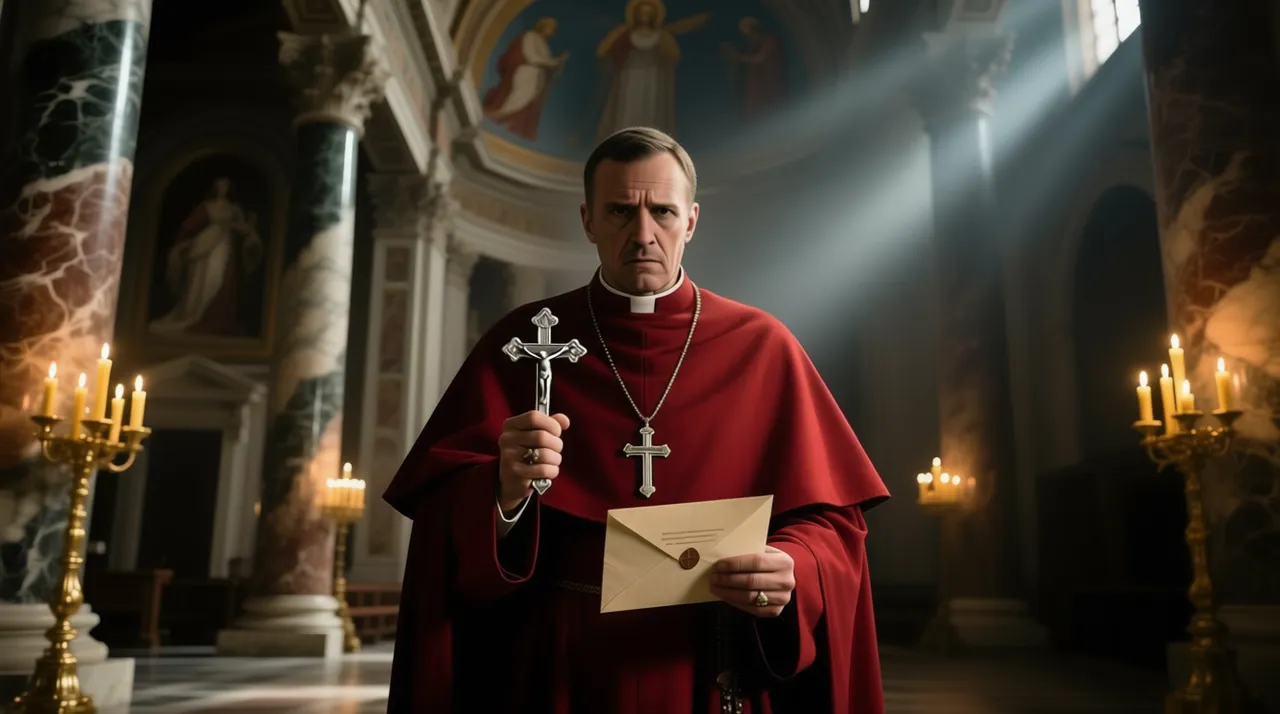
The Camerlengo of the Holy Roman Church is a cardinal who serves as the administrator of the Holy See’s property and finances. His most critical role occurs during a papal vacancy (sede vacante), when he formally verifies the pope’s death, seals the papal apartments, and manages the Vatican’s temporal affairs until a new pope is elected.
Five key duties and aspects of the Camerlengo’s role include:
- Verifying the Pope’s Death: Traditionally performs the rite to officially confirm the pope has died.
- Administrator During Vacancy: Governs the Vatican and manages its finances between pontificates.
- Destroying the Fisherman’s Ring: Symbolically breaks the late pope’s ring to end his authority.
- Arranging the Conclave: Helps organize the papal conclave to elect a new pope.
- Guardian of the Church’s Goods: Acts as the treasurer and steward of the Holy See’s assets.
Have you ever wondered what happens in the Vatican in the critical hours and days after a pope dies or resigns? Who takes charge before a new pope is elected? The answer lies with a figure of immense historical and practical importance, yet one who often operates behind the scenes: the Camerlengo. But what exactly is the role of the Camerlengo, and what are his crucial duties during this pivotal transition of power?
Understanding the role of the Camerlengo isn’t just for experts in canon law. It’s about grasping a foundational aspect of how the Catholic Church ensures continuity, protects its heritage, and navigates one of its most delicate and significant moments. For us here at oracioncristiana.org, exploring such timeless traditions strengthens our appreciation for the Church’s structure and history. You are invited to uncover the 5 key duties and the profound significance of the role of the Camerlengo.


1. Verifying the Pope’s Death: An Ancient and Solemn Rite
The Camerlengo’s first and most solemn duty during a papal vacancy is to officially and formally verify the death of the reigning pontiff. Upon being notified of the pope’s death, the Camerlengo must go to the pontiff’s bedside to formally ascertain and declare his death, a rite steeped in ancient tradition.
Historically, this rite involved several steps, though some have been simplified in modern times:
- Calling the Pope’s Baptismal Name: The Camerlengo would traditionally call the deceased pope by his baptismal name three times, to ensure there was no response.
- Tapping the Forehead: In ancient times, he would gently tap the pope’s forehead with a small silver hammer. This practice is no longer in use.
- Modern Verification: Today, the verification is done in the presence of the Master of Papal Liturgical Celebrations and other officials, with the death certificate signed by the Director of Vatican Health Services. The Camerlengo’s role is to then officially declare the death.
This ancient rite is a powerful and somber moment, marking the official end of one pontificate and the beginning of the sede vacante. It’s like the official act of lowering a kingdom’s flag to half-mast, a formal, public acknowledgment that the throne is now empty.
2. Sealing the Papal Apartments and Destroying the Fisherman’s Ring
Immediately after verifying the death, the Camerlengo takes symbolic actions to signify the end of the pope’s reign. The Camerlengo is responsible for sealing the private papal apartments and, most famously, for destroying the late pope’s Fisherman’s Ring to officially nullify his authority and prevent forgery.
These are powerful symbolic acts:
- Sealing the Apartments: The papal apartments, the pope’s private living quarters in the Apostolic Palace, are sealed. This signifies that the personal space of the late pontiff is now closed, and no one may enter until a new pope is elected.
- Destroying the Fisherman’s Ring: The Pescatorio, or Fisherman’s Ring, is the personal signet ring of the reigning pope, used to seal official documents. The Camerlengo, in the presence of other cardinals, formally defaces or breaks this ring with a hammer. This act symbolically ends the late pope’s authority and prevents any fraudulent use of his seal during the vacancy.
These traditions are not just for show; they are crucial legal and symbolic acts that officially close one chapter of papal history and safeguard the integrity of the transition. It’s like a new CEO officially revoking the security credentials and destroying the official seal of their predecessor to signify a clear and secure transfer of power. You can learn more about these traditions from sources like the Catholic News Agency.
3. Administrator of the Holy See: The Temporary Head of State
With the pope’s authority officially ended, the Camerlengo steps into a crucial leadership role. During the sede vacante, the Camerlengo serves as the acting head of state of Vatican City and the chief administrator of the Holy See’s temporal (worldly) affairs, ensuring the Church continues to function smoothly.
This is his most significant practical duty. While he has no authority over spiritual matters (he cannot issue new doctrines or change Church law), he is responsible for:
- Managing Vatican Finances: He oversees the Church’s financial operations and ensures its assets are properly maintained.
- Governing Vatican City: He acts as the head of the sovereign state of Vatican City, dealing with its day-to-day administration.
- Receiving Dignitaries: He may receive heads of state and other dignitaries who come to pay their respects to the late pope.
- Reporting to the Cardinals: He regularly reports on the financial and administrative state of the Holy See to the College of Cardinals as they gather for the conclave.
The Camerlengo essentially becomes the temporary CEO of the Vatican, ensuring that all the practical, worldly operations of the Church continue without interruption. It’s like a ship’s first mate, who takes command of the vessel to keep it sailing steadily on course after the captain has passed, until a new captain can be appointed.
4. Arranging the Papal Funeral and Conclave
The Camerlengo plays a central organizational role in the two most significant events of the papal transition. The Camerlengo is responsible for overseeing the arrangements for the late pope’s funeral and for preparing and organizing the papal conclave, the assembly of cardinals who will elect the new pope.
This is a massive logistical and ceremonial undertaking:
- Papal Funeral: He works with other officials to plan the nine days of official mourning (Novemdiales) and the funeral Mass for the deceased pope.
- Preparing for the Conclave: He is responsible for preparing the Sistine Chapel for the election, ensuring it is properly sealed off from the outside world (cum clave – “with a key”).
- Managing Logistics: He oversees the logistics for the cardinal electors who travel to Rome, ensuring they are properly housed in the Domus Sanctae Marthae and have what they need for the election process.
The Camerlengo is the master of ceremonies for this sacred and historic transition. It’s like an experienced event planner, tasked with organizing both a solemn state funeral and a highly secure, top-secret leadership election, all at the same time. His organizational role is crucial for ensuring that these sacred traditions are carried out with dignity, reverence, and according to Church law.
5. Guardian of the Church’s Goods: A Legacy of Stewardship
The enduring significance of the role of the Camerlengo is rooted in his function as a faithful steward. The Camerlengo embodies the principle of responsible stewardship, acting as the guardian of the Church’s temporal goods and ensuring the continuity and stability of the Holy See during its most vulnerable moments.
This role is a powerful reminder that:
- The Church is Both Spiritual and Temporal: It has a divine mission, but it also exists in the world with physical properties, finances, and administrative needs that require careful management.
- Continuity is Vital: The Church’s mission does not stop when a pope dies. The Camerlengo ensures that its work continues seamlessly.
- Accountability and Trust: The office is a profound symbol of accountability and trust, as one man is entrusted with the care of the Church’s worldly goods during a critical transition.
The role of the Camerlengo is a testament to the Church’s organizational wisdom, developed over centuries, to ensure its stability and endurance. It’s like a wise and faithful trustee, appointed to protect a vast and precious estate, ensuring it is passed on, intact and well-managed, to the next heir. This legacy of stewardship is the profound and lasting significance of this unique office.
What is a Camerlengo? (The Chamberlain of the Holy Roman Church)
The Camerlengo of the Holy Roman Church is a cardinal appointed by the Pope to serve as the administrator of the property and revenues of the Holy See, with his most significant responsibilities occurring during a papal vacancy (sede vacante).
The title “Camerlengo” comes from the Italian for “Chamberlain,” historically a high-ranking official in charge of managing a royal household. In the Vatican, the Camerlengo is the steward of the Church’s temporal goods.
- An Ancient Office: The role dates back to the 12th century, created to ensure the financial stability and administration of the Papal States.
- Appointed by the Pope: The Pope personally appoints a cardinal to serve as Camerlengo, typically for a five-year term, which can be renewed.
- A Role of Trust: It is a position of immense trust, requiring both administrative skill and unwavering loyalty to the Holy See.
Unlike most other Vatican officials, whose roles cease upon the pope’s death, the Camerlengo’s most important work begins at that moment. It’s like a vice president whose primary constitutional duty is to ensure stability and continuity in the event the presidency becomes vacant. You can find more on this office from Encyclopedia Britannica.
What Does the Role of the Camerlengo Reveal About Church Tradition?
The exploration of the role of the Camerlengo unveils a fascinating and vital office within the Catholic Church. He is the solemn witness to a pope’s passing, the symbolic ender of a pontificate, the temporary administrator of the Holy See, the organizer of the conclave, and the ultimate guardian of the Church’s temporal goods during its most critical moments.
May this understanding deepen your appreciation for the rich history and thoughtful structure of the Church, and inspire you to reflect on the importance of faithful stewardship in your own life and community. What an incredible testament to continuity and tradition!
Now, your thoughts are welcome. The comments section is open!
→ Which of these 5 key duties of the Camerlengo resonated most with your understanding of the Church or surprised you the most?
→ How does the tradition of destroying the Fisherman’s Ring impact your view of papal authority and the transition of power?
→ What’s one practical lesson from the Camerlengo’s role as a “steward” that you feel is most relevant for leadership in any organization today?
Sharing insights can encourage one another in our oracioncristiana.org community, as we explore the rich traditions of our faith together!
