Rhubarb custard pie recipe: complete, easy guide in 6 steps
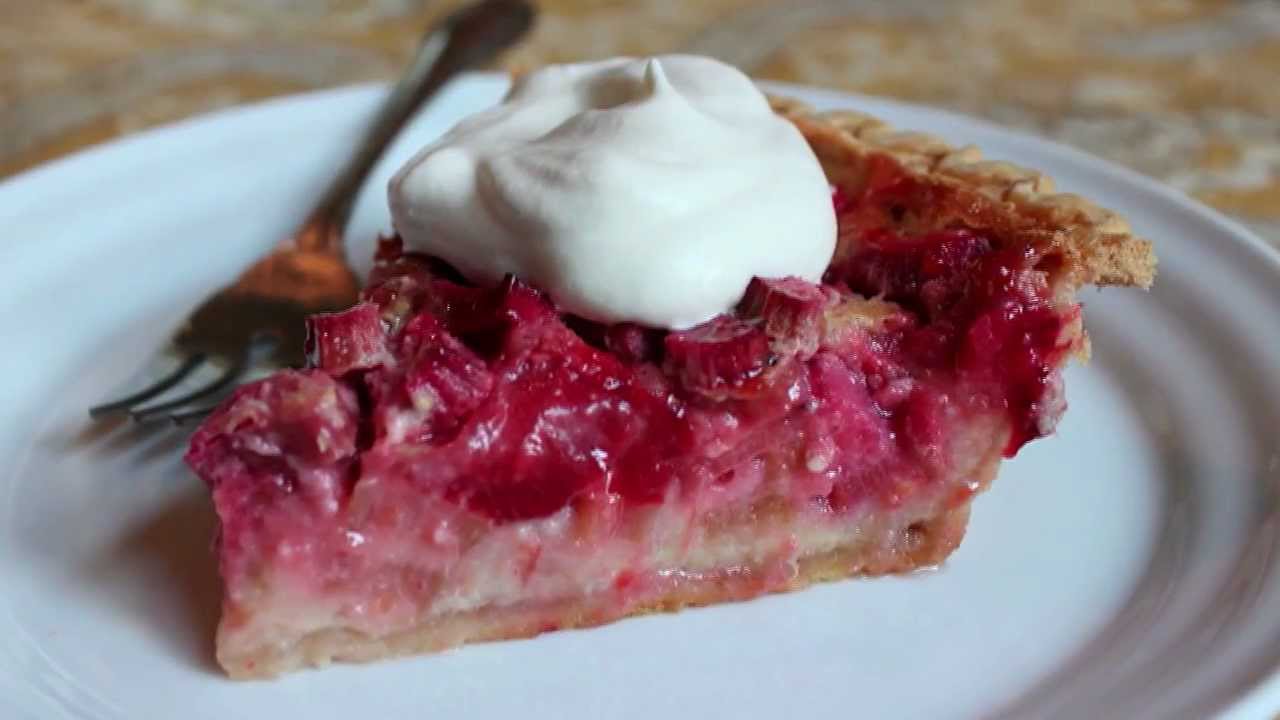
Rhubarb custard pie recipe: the ultimate British spring bake
If you love the contrast of tart fruit and silky sweetness, a rhubarb custard pie recipe is as comforting as it is elegant. This classic brings together buttery pastry, tender rhubarb and a gently set vanilla custard. It’s a nostalgic pudding that feels right at home on a Sunday table, a spring fete or an Easter feast—simple enough for a relaxed afternoon, yet special enough to serve to guests.
With so many approaches circulating online, choosing a rhubarb custard pie recipe can feel confusing. Should you blind bake? Pre-cook the rhubarb? Use cream or milk? In this guide, you’ll get straightforward, tested advice that delivers a crisp base, succulent fruit and a custard that slices cleanly without turning rubbery.
Below you’ll find a complete, step-by-step rhubarb custard pie recipe, plus practical tips, swaps for various diets, common mistakes to avoid, and serving ideas. Whether you’re baking with early forced rhubarb or sturdy field-grown stalks, you’ll finish with a pie that’s beautifully balanced and reliably set.
What makes a great rhubarb custard pie recipe
At its heart, this pudding is about balance: the tartness of rhubarb, the sweetness and richness of custard, and the crispness of pastry. A dependable rhubarb custard pie recipe keeps that trio in harmony. The fruit must be juicy but not soggy, the custard softly set but not runny, and the pastry fully baked—no “soggy bottoms”. The methods below are designed to achieve that balance every time.


Ingredients and equipment for a reliable rhubarb custard pie recipe
These quantities make one 23 cm pie (8–10 slices).
For the sweet shortcrust pastry
- 250 g plain flour
- 125 g cold unsalted butter, cubed
- 30 g icing sugar (optional but helps tenderness)
- 1 medium egg yolk
- 2–3 tbsp ice-cold water
- Pinch of fine salt
For the rhubarb
- 600 g rhubarb, trimmed and cut into 2–3 cm pieces
- 100–140 g caster sugar (adjust to taste and tartness)
- 1 tbsp cornflour (cornstarch), plus extra if your rhubarb is particularly juicy
- Finely grated zest of 1 orange or lemon (optional but lovely)
For the custard
- 300 ml double cream
- 150 ml whole milk
- 3 large eggs + 2 large yolks
- 120 g caster sugar
- 1 tsp vanilla extract or paste
- Pinch of fine salt
- 1–2 tsp cornflour (optional stabiliser)
Equipment
- 23 cm loose-bottomed tart tin or pie dish
- Baking parchment and baking beans (or rice) for blind baking
- Mixing bowls, whisk, sieve
- Small saucepan (to reduce rhubarb juices)
Before you start, read through the method. This rhubarb custard pie recipe benefits from a calm rhythm: make and chill the pastry, macerate the fruit, blind bake the case, then assemble and bake the custard gently.
Step-by-step rhubarb custard pie recipe
1) Make the pastry
- In a bowl, rub the flour, salt and butter together with your fingertips until the mixture resembles breadcrumbs. Stir in the icing sugar.
- Add the egg yolk and 2 tbsp ice water; bring together with a table knife, adding the extra spoon of water only if needed. The dough should just hold when pressed—avoid overworking.
- Flatten into a disc, wrap and chill for 30 minutes.
- Roll out on a lightly floured surface to about 3 mm thick. Line the tin, leaving a slight overhang. Prick the base (dock) with a fork, then chill 20 minutes more.
2) Blind bake the case
- Heat the oven to 200°C/180°C fan/Gas 6.
- Line the pastry with parchment and fill with baking beans. Bake for 15 minutes.
- Remove beans and parchment; return to the oven for 8–10 minutes until the base is dry and just turning golden.
- Optional but recommended: brush the hot pastry with a little beaten egg white and bake 2–3 minutes more to seal. Trim the overhang while warm for a neat edge.
If you’re new to blind baking, this detailed guide is helpful: King Arthur Baking’s guide to blind baking pastry.
3) Prepare the rhubarb
- Toss the chopped rhubarb with 100–140 g sugar (start with 110 g if using forced rhubarb; field-grown often needs closer to 140 g) and the citrus zest if using. Leave to macerate for 20–30 minutes; it will release juices.
- Tip the rhubarb into a sieve set over a bowl to catch the liquid. Transfer the liquid to a small pan and bubble briskly for 3–5 minutes until syrupy and reduced by roughly half. Set aside to cool slightly.
- Pat the rhubarb pieces dry with kitchen paper. Toss with 1 tbsp cornflour and a small pinch of salt. The cornflour helps capture juices during baking and keeps the custard from becoming watery.
This stage is key in any rhubarb custard pie recipe. Macerating draws out excess moisture; reducing those juices concentrates flavour, which you can swirl into the filling later for a beautiful colour and taste.
4) Make the custard
- In a jug, whisk the eggs, yolks, caster sugar, vanilla, salt and the optional 1–2 tsp cornflour (this stabiliser helps prevent curdling and gives a slightly firmer set).
- Warm the cream and milk in a pan until steaming but not boiling. Slowly whisk the hot dairy into the egg mixture to temper it.
- Strain the custard through a sieve into a clean jug for extra smoothness.
5) Assemble and bake
- Lower the oven to 170°C/150°C fan/Gas 3½.
- Scatter the prepared rhubarb into the blind-baked pastry case. Pour in the custard until nearly full.
- Drizzle a few spoonfuls of the reduced rhubarb syrup over the top and marble gently with the tip of a knife (don’t overmix).
- Bake 35–45 minutes until the custard is set around the edges with a gentle wobble in the centre. If the crust browns too quickly, tent loosely with foil.
6) Cool and serve
- Cool on a rack until room temperature, then chill for at least 2 hours before slicing. The set improves on chilling.
- Serve as is, or with a little lightly whipped cream or pouring custard. The pie keeps covered in the fridge for up to 3 days.
Pro tips, variations and swaps for your rhubarb custard pie recipe
Flavour add-ins
- Warm spice: ½ tsp ground ginger or cardamom complements rhubarb without overpowering it.
- Citrus: Orange zest makes the fruit sing; lemon brings sharper freshness.
- Almond: A tablespoon of ground almonds under the fruit helps absorb juices and adds a frangipane-like note.
- Nutmeg: A whisper over the custard before baking lends a classic custard tart aroma.
Pastry options
- All-butter sweet shortcrust gives the best flavour and crunch.
- Shop-bought shortcrust is perfectly fine; just be sure to blind bake until crisp.
- Gluten-free: Use a good GF flour blend and add ½ tsp xanthan gum for structure, or buy a ready-made GF case and focus on the filling.
Custard tweaks
- Richer custard: Replace 50–100 ml of the milk with extra cream.
- Lighter custard: Use all whole milk (expect a slightly softer set) and keep the optional cornflour.
- For a crème pâtissière-style firmness, increase cornflour to 1 tbsp; the texture will be more sliceable and less wobbly.
Fruit variations
- Strawberry-rhubarb: Fold 150 g sliced strawberries through the macerated, dried rhubarb just before baking. Increase cornflour by 1 tsp to account for extra juices.
- Frozen rhubarb: Thaw fully in a sieve, pat very dry, and use an extra teaspoon of cornflour.
- Roasted rhubarb: Pre-roast chunks at 200°C/180°C fan for 10–12 minutes with a sprinkle of sugar for concentrated flavour and vivid colour.
Top and finish
- Crumble topping: Scatter a quick almond crumble over the custard halfway through baking for texture.
- Glaze: Brush warm reduced rhubarb syrup over the cooled pie for a glossy finish.
Make-ahead and storage
- Pastry: Make and chill the dough up to 2 days in advance or freeze for a month.
- Blind-baked case: Keep airtight for 24 hours; refresh for 3–4 minutes at 180°C before filling.
- Fully baked pie: Refrigerate covered for up to 3 days. Custard pies don’t freeze well; the texture can split.
Handled with care, this rhubarb custard pie recipe is both forgiving and flexible. The key is managing moisture from the fruit and not overbaking the custard.
Troubleshooting: common mistakes and quick fixes
Soggy bottom
Cause: The pastry wasn’t fully blind baked, or the fruit released too much liquid. Fix: Extend blind baking until the base is dry and lightly golden; seal with egg white. Macerate, drain and reduce rhubarb juices, and use cornflour or a thin layer of ground almonds under the fruit next time.
Runny custard
Cause: Underbaked centre or insufficient eggs/stabiliser. Fix: Bake until the outer 5 cm is set and the centre has a soft wobble. Add 1–2 tsp cornflour next time, and chill thoroughly before slicing.
Curdled custard
Cause: The oven was too hot or the custard was overheated. Fix: Bake low and slow (around 150–160°C fan-free equivalent). Temper the eggs with warm, not boiling, dairy and strain the custard. If your oven runs hot, lower by 10–15°C.
Watery rhubarb pockets
Cause: Skipping the macerate-and-reduce step. Fix: Always drain and reduce the juices, then fold a tablespoon of cornflour through the fruit before filling.
Over-browned crust
Cover the edges with foil partway through baking or use a pie shield. If it browns too quickly during blind baking, reduce the temperature slightly and extend the time.
Nutrition, seasonality and sourcing rhubarb
Rhubarb is low in calories and rich in fibre and vitamin K. While the custard and pastry turn it into a treat rather than a health food, the fruit’s natural sharpness helps keep the overall sweetness in check. For the best flavour, choose firm stalks with a bright, even colour; avoid any that are limp. Forced rhubarb (often from the famed Yorkshire Triangle) arrives from late winter to early spring and is tender with a pink hue. Field-grown rhubarb follows, usually from April through summer, with a stronger tang. For growing and seasonal guidance, the Royal Horticultural Society’s rhubarb advice is an excellent resource.
When serving to vulnerable groups (pregnant people, very young children, older adults), use quality eggs and follow safe handling. The Food Standards Agency has up-to-date guidance on egg safety here: Food Standards Agency guidance on eggs and egg products.
Serving suggestions and pairings
- Classic: Serve cool or at room temperature with lightly whipped cream.
- British custard-on-custard: A small jug of warm pouring custard alongside the slice—pure comfort.
- Citrus cream: Whip double cream with
