Prayers of healing: 12 essential, practical prayers to say
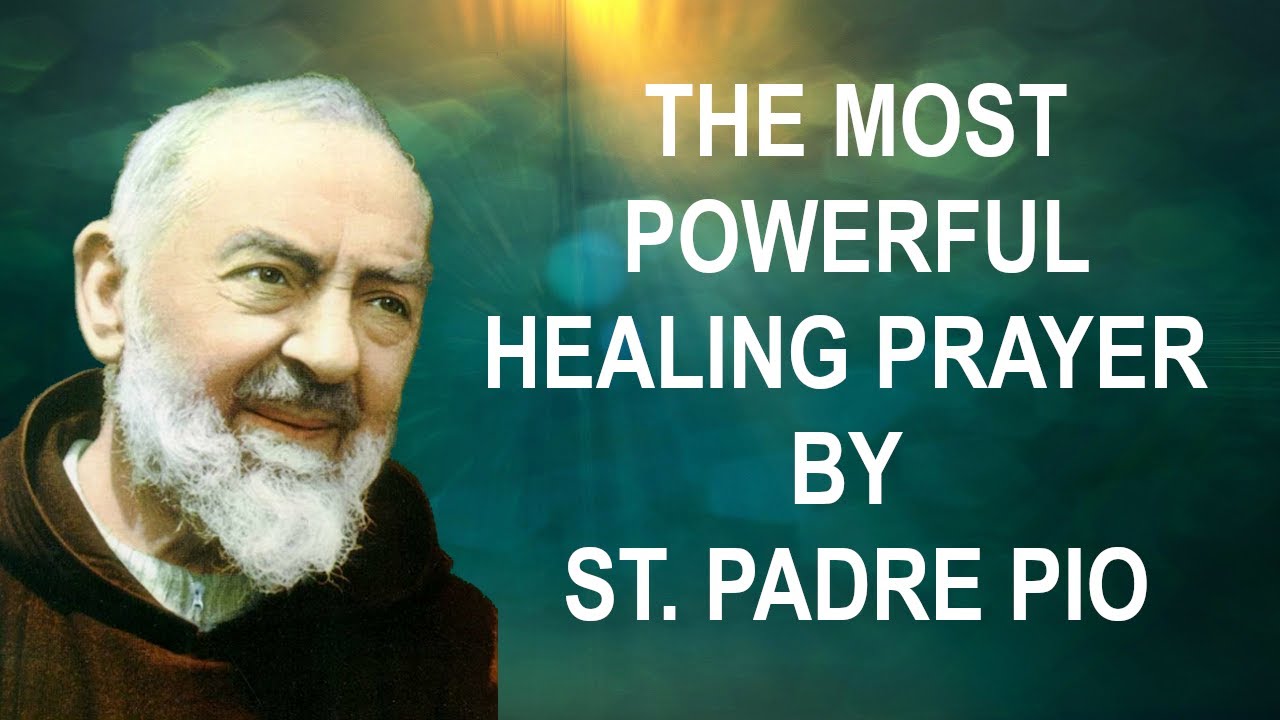
prayers of healing
For many people of faith, prayers of healing offer a gentle yet powerful way to face illness, pain, and emotional distress. Whether whispered in solitude, shared within a family, or spoken in a congregation, they connect us with God’s compassion, invite peace, and help us to persevere. In this guide, we explore what prayers of healing are, how to pray them, what the Bible and Christian tradition say, and practical ways to integrate them into everyday life.
While prayer is not a substitute for medical care, countless believers find that combining professional support with sincere prayer brings comfort, courage, and hope. Used thoughtfully, prayers of healing can become a steady, life-giving rhythm that carries you through uncertainty and towards wholeness.
What do we mean by prayers of healing?
In simple terms, prayers of healing are petitions to God for restoration, relief, and strength—physically, emotionally, spiritually, and relationally. They may be spontaneous or written, individual or communal, brief or extended. Some focus on a specific need (a diagnosis, an operation, anxiety), while others ask for broader graces such as peace, resilience, or forgiveness.
Christians believe God hears every prayer. Sometimes healing is immediate and tangible; often it unfolds gradually, as renewed courage, deeper trust, and practical wisdom. Prayers of healing also shape our perspective: they remind us we are held in God’s love, even when circumstances are hard to change.


Importantly, responsible use of healing prayer goes hand-in-hand with sound medical advice. We pray and we act, seeking competent healthcare, emotional support, and community wisdom alongside our spiritual practices.
How prayers of healing work in practice
Intention, attention, and surrender
Three elements often guide effective prayers of healing:
- Intention: Name clearly for whom and for what you are praying.
- Attention: Bring your whole self to God—words, feelings, silence, even doubts.
- Surrender: Ask boldly, yet entrust the outcome to God’s loving will.
Personal prayer and intercession
Sometimes you pray for your own healing; at other times you intercede for someone else. In intercession, you bring another’s need before God, asking that they be consoled, strengthened, and restored. Churches often set aside time for intercessory prayers of healing, with opportunities to light candles, be anointed, or receive a blessing.
Praying alone, together, and in sacramental settings
Prayers of healing thrive in different settings:
- Alone: A quiet corner at home, a short prayer at bedtime, a few moments in a chapel.
- Together: Small groups, prayer partners, or congregational services that include intentions for the sick.
- Sacramental: In some traditions, the Anointing of the Sick and the laying on of hands are special moments of grace associated with healing.
A simple framework to pray for healing
If you are unsure how to begin, try this gentle structure for private prayers of healing.
1) Prepare
- Find a quiet space. Sit comfortably and breathe slowly.
- Invite God’s presence: “Lord, be with me now.”
- Consider lighting a candle or holding a cross to focus your attention.
2) Pray
- Address God: “Loving Father,” “Lord Jesus,” or “Holy Spirit.”
- Express what is happening: Name symptoms, fears, or the situation.
- Ask clearly: “Please bring healing to my body,” “Grant me peace,” “Guide my medical team.”
- Anchor with Scripture: Speak a verse slowly. For example, “The Lord is my shepherd; I shall not want.”
- Rest in silence: Sit quietly for a minute or two, letting God’s peace settle.
3) Close
- Thank God for being with you—whatever the outcome.
- End with a familiar prayer (e.g., the Lord’s Prayer) or a simple “Amen.”
Example short prayers
- “Lord Jesus, you healed the sick and comforted the weary. Please bring healing to my body, calm my mind, and strengthen my spirit. Guide all who care for me. Amen.”
- “Holy Spirit, be my peace in anxiety, my strength in weakness, and my hope in uncertainty. Surround me with your love. Amen.”
Bible verses and classic prayers of healing
Christians have long turned to Scripture for words that steady the heart. Here are a few that inspire prayers of healing:
- James 5:14–16: Encourages the church to pray for the sick, with anointing and confession.
- Psalm 23: “Even though I walk through the valley of the shadow of death, I fear no evil.” A companion for difficult days.
- Psalm 103:2–4: God “who heals all your diseases… who crowns you with steadfast love.”
- Matthew 11:28–30: “Come to me, all who are weary… and I will give you rest.”
- Exodus 33:14: God’s promise of presence and rest in times of trial; see this gentle reflection on Exodus 33:14.
Classic prayers also enrich our vocabulary of faith. Many find strength in the Jesus Prayer (“Lord Jesus Christ, Son of God, have mercy on me”), the serenity prayer, and short litanies for the sick. In Catholic devotion, the Chaplet of Divine Mercy is often prayed for those in illness and at life’s end; if this devotion is new to you, you might appreciate this practical guide on how to pray the Divine Mercy Chaplet.
You can adapt Scripture into personal prayers of healing. For instance: “Good Shepherd, lead me beside still waters today. Restore my soul and refresh my body. Be my comfort as I wait.” Small, heartfelt phrases prayed consistently are surprisingly powerful.
Praying for different kinds of healing
Physical illness and pain
When health falters, prayers of healing often focus on relief from pain, recovery after surgery, or strength for treatment. It helps to be specific: name the part of the body, the procedure, the medication, or the medical team. Ask for steady sleep, good nutrition, and patience with the process.
Sample prayer: “Lord, bring healing to my [condition]. Steady my body, protect me from complications, and bless the hands and minds of those who care for me. Give me hope for each day.”
Emotional and mental wellbeing
Anxiety, depression, trauma, and grief deserve tender attention. Prayers of healing here may ask for calm, clarity, and safe people to talk to. They should go hand-in-hand with wise support from GPs, counsellors, or therapists. Many believers use breath prayers—brief lines prayed with the inhale and exhale—to settle the nervous system while they seek professional care.
Alongside prayer, structured self-help tools can support your journey; the NHS maintains accessible mental health self-help resources that many find useful.
Relationships, forgiveness, and reconciliation
Not all healing is medical. Broken trust, miscommunication, or long-standing conflict need God’s touch as well. Prayers of healing can ask for humility, courage to apologise, patience to listen, and wisdom to set healthy boundaries.
Community and the wider world
We also pray beyond ourselves—asking God to heal tensions in neighbourhoods, mend divisions in the church, and bring relief where violence, poverty, or disaster cause suffering. These prayers of healing motivate practical action: volunteering, giving, and advocating for justice.
Prayers of healing across Christian traditions
Different Christian traditions highlight distinctive practices, yet all seek the same Lord who heals and saves.
- Anglican tradition: Public liturgies often include intercessions for the sick, and many parishes host services of wholeness and healing. The Church of England offers prayers for the sick and those who care for them.
- Catholic tradition: The Sacrament of the Anointing of the Sick unites the suffering to Christ, seeking strength, peace, and, if God wills, physical healing. See an accessible summary in this overview of the Anointing of the Sick.
- Orthodox tradition: The Mystery of Holy Unction, the Jesus Prayer, and frequent use of psalms are central to prayers of healing.
- Pentecostal and charismatic traditions: Prayer teams may lay hands on the sick, expecting God to act, while emphasising the gifts of the Spirit and testimonies of healing.
Across all traditions, the common thread is trust in God’s loving presence, along with care for the whole person—body, mind, and spirit. Many also practise meditative Scripture reading such as lectio divina; for background on prayer in general, see this concise introduction to prayer.
Common mistakes and helpful corrections
As you develop a habit of prayers of healing, keep these practical points in mind.
- Mistake: Treating prayer like a transaction (“If I say the right words, God must heal now”).
Correction: Pray with faith, but rest in God’s wisdom and timing. - Mistake: Avoiding medical care because you are praying.
Correction: Prayer and medicine are allies. Seek appropriate medical advice and support. - Mistake: Using pressure-filled language (“If you had more faith, you’d be better”).
Correction: Use gentle, compassionate words that affirm God’s love regardless of outcomes. - Mistake: Ignoring the emotional and relational dimensions of illness.
Correction: Pray for peace, patience, and mutual understanding, not only physical outcomes. - Mistake: Praying vaguely.
Correction: Be specific about needs, and keep a simple routine so you can notice small improvements over time.
Building a sustainable rhythm of prayer
Start small and steady
Choose a time of day you can keep—two minutes at breakfast or five minutes before bed. Use a short verse and a simple request. Sustainable habits turn occasional prayers of healing into a supportive daily rhythm.
Use a journal
Write down what you prayed for and any changes you notice—improved sleep, less fear before appointments, a helpful conversation with a doctor. A journal helps you remember God’s faithfulness and clarifies what to keep praying for.
Invite wise companions
Share your intention with a trusted friend or church group. Ask them to join you in prayers of healing for a set period (for example, the days leading up to a procedure). Respect confidentiality and keep updates simple and honest.
Blend prayer with practical care
Eat well, rest, and follow medical guidance. If anxiety is part of your struggle, pairing your prayers of healing with evidence-based supports—like the NHS’ self-help tools and guides—can make a real difference.
Sample outlines for different situations
When awaiting test results
- Scripture: “When I am afraid, I put my trust in you” (Psalm 56:3).
- Prayer: “Lord, hold me in this uncertainty. Guard my thoughts, keep me from spiralling, and prepare me for whatever comes. Strengthen my trust in you.”
Before surgery or treatment
- Scripture: “The LORD is my light and my salvation; whom shall I fear?” (Psalm 27:1).
- Prayer: “Jesus, guide the team, steady my body, and protect me from harm. Let your peace rule my heart and mind.”
For a loved one in chronic pain
- Scripture: “My grace is sufficient for you, for my power is made perfect in weakness” (2 Corinthians 12:9).
- Prayer: “Father, relieve their pain, lift their spirit, and renew their strength day by day. Show me how to support them well.”
When grief overwhelms
- Scripture: “The LORD is near to the brokenhearted” (Psalm 34:18).
- Prayer: “God of comfort, hold me in my sorrow. Heal the wound of loss and lead me gently into hope.”
Recommended external resources
- Church of England prayers for the sick and those who care for them – pastoral texts suitable for personal or group use.
- Overview of the Anointing of the Sick – a clear introduction to this sacrament in Christian tradition.
- NHS mental health self-help resources – practical tools that can complement prayers of healing for anxiety, low mood, and stress.
- What is prayer? – background on prayer across traditions, with links for further reading.
Frequently asked questions about prayers of healing
Do I need special words for prayers of healing?
No. God hears your heart. Simple, honest sentences are enough: “Lord, please heal me,” “Give me peace,” “Help my loved one.” You can also use Scripture or formal prayers if that helps you focus.
What if my prayer is not “answered” quickly?
It’s common to wait. Keep praying with trust, and look for small signs of grace—steadier sleep, a helpful appointment, more patience. God’s healing often comes as strength, wisdom, and companionship on the journey, as well as physical change.
Should I stop medical treatment if I’m praying for healing?
No. Faith and medicine work together. Use prayers of healing alongside medical advice, therapy, and healthy routines. Speak with your GP or specialist about any changes in treatment.
Can I pray for someone who does not share my faith?
Yes, provided you are respectful and avoid pressure. You might say, “I’m praying for your peace and strength—would that be okay?” Even silent intercession, offered in love, matters.
Is it wrong to feel afraid while I pray?
Not at all. Fear is a normal response to illness and uncertainty. Bring it honestly to God. Many find that naming fears during prayers of healing allows them to loosen their grip.
How long should I keep praying?
There is no fixed rule. Some set a specific season (e.g., through a course of treatment). Others keep a short daily practice indefinitely. Let your rhythm be realistic and compassionate.
Conclusion on prayers of healing
In every season of life, prayers of healing invite us to bring our needs to the God who loves, comforts, and restores. They are simple enough for a child to pray and deep enough to carry us through the hardest valleys. Whether you pray alone at home, with a friend, or in church, you can trust that your prayers are heard.
Build a gentle routine: a verse of Scripture, a short request, a moment of silence, and gratitude. Combine prayer with wise medical care and supportive relationships. Over time, the practice of prayers of healing will not only seek change in circumstances but also cultivate peace, patience, and resilient hope.
Lean into the resources of your tradition, draw on the wisdom of Scripture, and let your words be honest and kind. As you persevere in prayers of healing, may you know the Lord’s nearness, strength for each day, and the quiet assurance that you are never alone.
