Prayer to the Most Holy Trinity: Complete, Essential 5-Step Guide
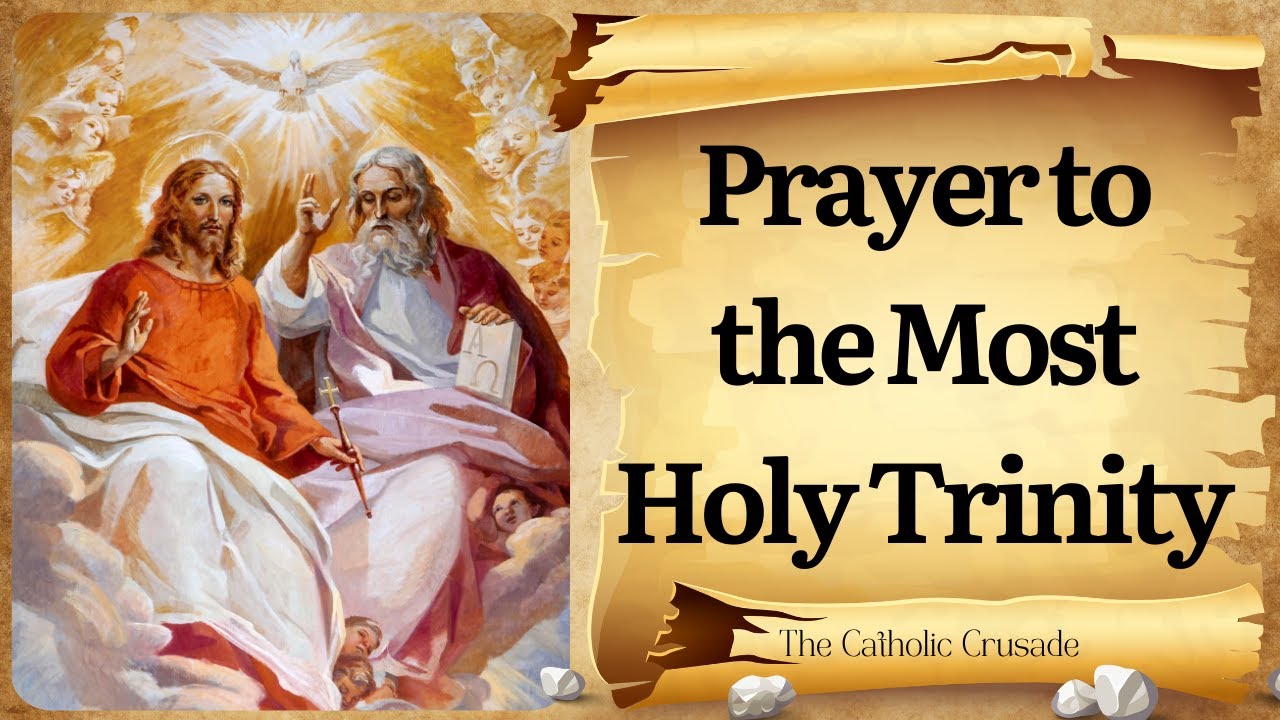
Prayer to the most holy trinity: meaning, practice, and a gentle guide
Prayer to the most holy trinity is a time-honoured Christian way of turning to God as Father, Son, and Holy Spirit in one loving relationship. Whether you come from a Catholic, Orthodox, Anglican, or other Christian background, this devotion can deepen your trust in God, clarify your faith, and bring a sense of unity to your everyday spiritual life. In this guide, you will discover what it is, why it matters, how to begin, and practical tips to make prayer to the most holy trinity part of your daily routine.
Approached with simplicity and reverence, prayer to the most holy trinity helps us adore God, express gratitude, seek forgiveness, and ask for help. It connects the heart of Christian doctrine with lived experience, so that belief in the Trinity becomes not only a concept but a heartfelt conversation with the living God.
What is prayer to the most holy trinity?
At its core, prayer to the most holy trinity is the Christian practice of addressing the one God in three Persons: the Father, the Son (Jesus Christ), and the Holy Spirit. The doctrine of the Trinity affirms that there is one divine nature, fully and equally shared by the three Persons. This belief is central to historical Christianity and shapes how Christians praise, thank, and petition God. For an accessible doctrinal summary, see the Catechism sections on the Trinity in the Vatican’s official text: Catechism of the Catholic Church on the Trinity.
Because the Trinity is a mystery of faith, it cannot be fully grasped by reason alone. Yet prayer allows us to enter this mystery in a personal way. When we make prayer to the most holy trinity, we honour the Father as the source of all, the Son as Redeemer and Lord, and the Holy Spirit as the giver of life and sanctifier. In one movement, we adore God’s unity and rejoice in God’s threefold love.

A brief theological foundation
The Trinity is not three gods, but one God. Christians confess that the Father is God, the Son is God, and the Holy Spirit is God—co-equal and co-eternal, undivided in will and glory. The relationships among the Persons (often described by theologians with terms like “communion” and “mutual indwelling”) express perfect love. Prayer to the most holy trinity, then, is a wholehearted turning towards love itself, confident that God’s life is shared with us by grace.
Why Christians make prayer to the most holy trinity
Christians pray to the Trinity to adore God in God’s fullness, to give thanks for creation and redemption, to seek strength and wisdom, and to intercede for others. As we bring our joys and concerns into prayer to the most holy trinity, we learn to see life through the lens of God’s generous love: created by the Father, redeemed by the Son, and enlivened by the Spirit.
Common intentions and benefits
- Adoration and praise: acknowledging God’s majesty and mercy.
- Thanksgiving: recognising daily gifts and answered prayers.
- Repentance: seeking forgiveness and healing.
- Intercession: praying for family, friends, communities, and the world.
- Discernment: asking for guidance to make wise, compassionate choices.
Over time, prayer to the most holy trinity often brings a warmer relationship with God, a clearer sense of purpose, and a steadier heart in times of difficulty. It gently draws belief and practice together.
How to make a simple prayer to the most holy trinity
You can begin with a straightforward, three-part structure. Many find it helpful to keep their words short and sincere.
- Begin by stilling yourself. Breathe slowly and make the Sign of the Cross if that is part of your tradition.
- Address the Father: offer praise and entrust your day or concern to his providence.
- Address the Son: thank Jesus for his saving love and ask to follow him closely.
- Address the Holy Spirit: invite the Spirit to guide your thoughts, words, and actions.
- Conclude with a brief doxology (word of praise) such as “Glory be…” and a moment of silence.
A beginner-friendly example
Try this short, original prayer to the most holy trinity. Adapt it freely to your needs and voice.
Most Holy Trinity, Father, Son, and Holy Spirit, I adore you and entrust myself to your love. Father, hold me in your care and grant me the grace I need today. Jesus, my Saviour and Lord, teach me to walk in your ways with compassion and courage. Holy Spirit, fill my heart with your light, guide my choices, and strengthen me to do what is right. Glory be to you, O God, now and forever. Amen.
Short traditional triune prayers
Many Christians use brief prayers that honour the Trinity throughout the day. Two common examples include the Sign of the Cross and the “Glory Be” (also called the Gloria Patri). These are excellent anchors for frequent, simple prayer to the most holy trinity, especially when time is short or concentration is difficult.
When and where to pray to the most holy trinity
You can pray anywhere and at any time. Many people set aside quiet moments in the morning and evening. Others build a short prayer to the most holy trinity into daily transitions—before meals, starting work, or commuting. On Sundays and feast days, churches across traditions focus on the Trinity in worship, especially on Trinity Sunday; for an Anglican perspective, you can explore the Church of England’s resources for the season: Common Worship material for Trinity Sunday.
Whether you pray in a chapel, at your desk, on a walk, or at home with your family, the point is not the setting but the heart turned to God. Short, frequent pauses for prayer to the most holy trinity can be as valuable as longer periods of meditation.
Forms across Christian traditions
Because the Trinity is central to Christian faith, most traditions encourage devotion to the triune God, even if styles of prayer differ.
Catholic expressions
In Catholic life, prayer to the most holy trinity flows through the Mass, the Liturgy of the Hours, the Rosary (which repeats the “Glory Be”), and other devotions. The Chaplet of Divine Mercy, prayed particularly in the Easter season and beyond, can also be a gateway into trusting the mercy of the Father, revealed in the Son and poured out by the Spirit. If you wish to explore that devotion, see this guide: Divine Mercy Chaplet prayer.
Orthodox and other traditions
Eastern Christian prayer often features the Trisagion (“Holy God, Holy Mighty, Holy Immortal”), a hymn praising God’s holiness. Many Orthodox and Eastern Catholic liturgies constantly weave triune language into their hymns and prayers. For a gentle comparison of Christian traditions, you might like this overview: Orthodox vs Catholic: key differences and similarities.
Words, posture, and symbols in prayer to the most holy trinity
Words matter, but body language can also help you pray with attention and respect. Some simple practices:
- Begin with a deep breath and a conscious awareness of God’s presence.
- Use the Sign of the Cross if that is part of your tradition; it is a compact confession of faith in the Father, Son, and Holy Spirit.
- Hold a cross, prayer rope, or rosary to support focus.
- Keep your prayer short when distracted; short triune doxologies are very effective.
Symbols such as a threefold candle, an icon of the Holy Trinity, or a Trinity knot can gently remind you to lift your heart in prayer to the most holy trinity throughout the day.
Scripture as the heart of triune prayer
Prayer to the most holy trinity is nourished by Scripture. Consider passages that highlight the Father’s love, the Son’s saving work, and the Spirit’s indwelling. You might reflect on Jesus’ baptism (where the Father’s voice is heard and the Spirit descends), the Great Commission (“in the name of the Father and of the Son and of the Holy Spirit”), or Pauline doxologies that praise God’s triune grace. Returning to such texts keeps your prayer grounded and balanced.
Common mistakes (and gentle corrections)
Many people hesitate to pray because they fear “getting it wrong.” Here are frequent pitfalls and simple remedies:
- Mistake: Thinking of three separate gods. Correction: Remember there is one God in three Persons—one will, one love, one divine nature.
- Mistake: Overcomplicating language. Correction: Use clear, honest words; let your love be simple and sincere.
- Mistake: Skipping silence. Correction: Add a brief pause before, within, and after your prayer to the most holy trinity to listen inwardly.
- Mistake: Rushing. Correction: Slow down your breathing and read or speak the prayer with gentle attention.
- Mistake: Neglecting Scripture. Correction: Anchor your prayer in a verse or two; it offers language and confidence.
- Mistake: Forgetting thanksgiving. Correction: Always include a line of gratitude, however small the gift.
A simple framework you can reuse
If you want a dependable pattern for prayer to the most holy trinity, try this three-step framework. It works in one minute or twenty, at home or on the move:
- Father: Praise and trust. “Father, I praise you for your goodness; I place myself and my concerns in your care.”
- Son: Gratitude and discipleship. “Lord Jesus, thank you for loving me; teach me to love others generously today.”
- Holy Spirit: Guidance and strength. “Holy Spirit, guide my words and choices; fill me with your wisdom and peace.”
Finish with a brief doxology or the “Glory Be.” With practice, this becomes a natural, living rhythm of prayer to the most holy trinity.
Growing in depth over time
Like any relationship, prayer grows through steady attention. You might keep a journal to notice how God is at work, or choose a weekly theme (e.g., gratitude, patience, courage) to focus your petitions. Consider attending worship more regularly, receiving pastoral guidance, or joining a small group that prays together. Each step supports a richer, more joyful prayer to the most holy trinity.
Recommended external resources
- Catechism of the Catholic Church on the Trinity (Vatican.va) – An authoritative and clear summary of what Christians believe about the Trinity.
- Common Worship: Trinity Sunday (Church of England) – Liturgical and prayer materials for celebrating the mystery of the Trinity.
- Trinity (Catholic Encyclopedia, New Advent) – Historical background and theological detail for interested readers.
- Trinity overview (Wikipedia) – A broad introduction with references to key sources and debates.
Related articles
Frequently asked questions about prayer to the most holy trinity
Is prayer to the most holy trinity the same as praying to the Father, Jesus, or the Holy Spirit?
Yes and no. When you pray to any divine Person, you address the one God. Prayer to the most holy trinity explicitly acknowledges all three Persons together, which can help you keep your devotion balanced and your understanding of God complete.
Do I need special words to pray to the Trinity?
No. God welcomes honest, simple speech. Traditional prayers are very helpful, but you can begin with your own words. A short, three-part structure—addressing Father, Son, and Holy Spirit—keeps things straightforward and reverent.
How often should I include prayer to the most holy trinity in my day?
Start small and realistic. Many people find a morning and evening moment works well, plus a short triune doxology during the day. The goal is consistency rather than length.
Can I ask for practical help in a prayer to the most holy trinity?
Absolutely. The Father cares for your needs, the Son walks with you, and the Spirit strengthens and guides you. Bring both spiritual and practical concerns into prayer with humility and trust.
Is it appropriate to use the Sign of the Cross if I am not Catholic?
Many non-Catholic Christians also use the Sign of the Cross as a simple confession of the Trinity. If it fits your tradition and conscience, it can be a meaningful way to begin and end prayer.
What if I get distracted during prayer to the most holy trinity?
Distraction is normal. Gently return to your words or to a short phrase such as “Glory be to the Father, and to the Son, and to the Holy Spirit.” Keep your focus kind and patient; God understands.
Conclusion on prayer to the most holy trinity
Prayer to the most holy trinity is a gentle, powerful way to draw near to God as Father, Son, and Holy Spirit. It integrates belief and practice, bringing coherence to your spiritual life and inviting you to rest in God’s love. With a simple structure, a few familiar phrases, and regular moments of quiet, anyone can begin and grow.
Whether you use classic formulas or your own words, prayer to the most holy trinity can shape your days with praise, gratitude, discernment, and compassion. It is less about perfect technique and more about sincere attention to God.
As you continue, allow Scripture and worship to nourish you, and take small, faithful steps. Over time, prayer to the most holy trinity will deepen your confidence in God’s care, clarify your purpose, and strengthen your hope.
