Prayer to the indwelling most holy trinity: essential guide – 5 steps
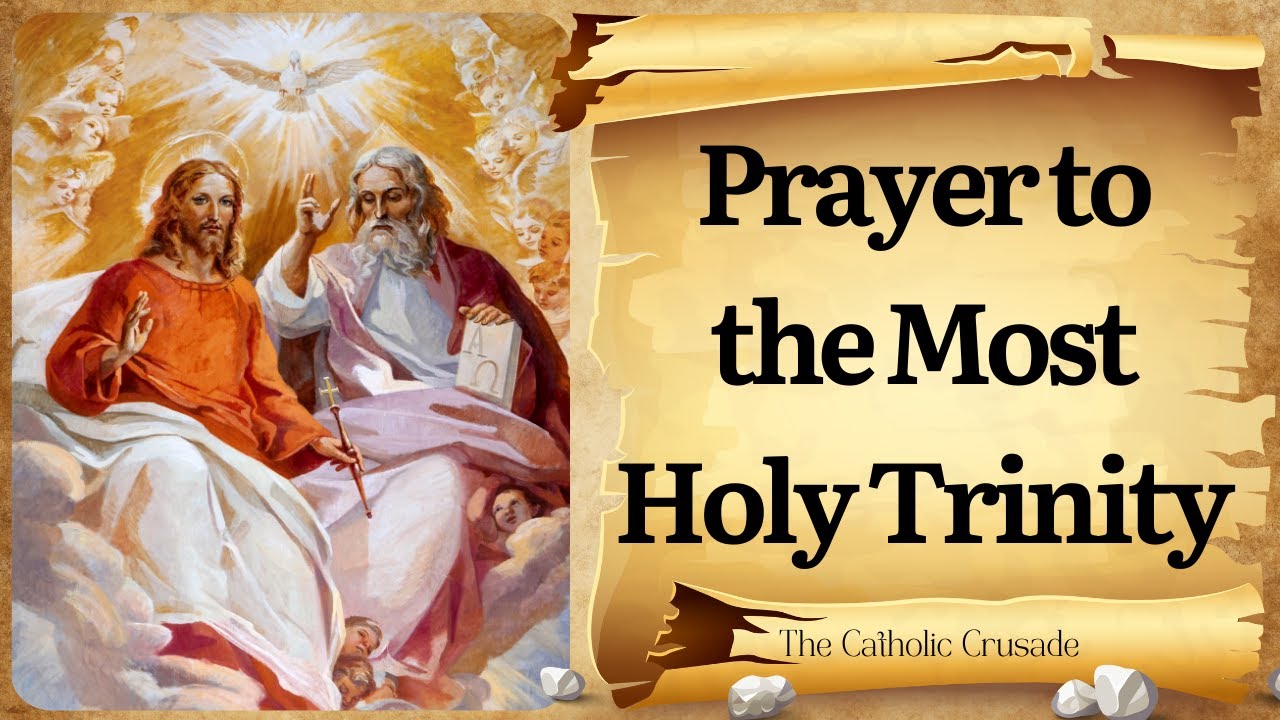
Prayer to the indwelling most holy trinity
For many Christians, prayer to the indwelling most holy trinity is a simple yet profound way to live consciously in God’s presence. It is a prayer of relationship and reverence—addressing the Father, the Son, and the Holy Spirit who dwell within the baptised and accompany every seeker. Rather than being complicated or esoteric, prayer to the indwelling most holy trinity draws on the most basic confession of the faith: God is one and God is three, and this mystery is not distant but lovingly near.
At its heart, prayer to the indwelling most holy trinity is about adoration and attentive love. It is also about trust, petition, thanksgiving, and the gentle work of inner transformation. Whether you are new to Trinitarian devotion or simply want to deepen your practice, this guide offers a clear, down-to-earth introduction, practical steps, and trustworthy resources to help you pray with confidence and peace.
What follows explains what this prayer is, why it matters, how to begin, and how to persevere. You will find simple outlines you can adapt, short texts to use in daily life, and advice to avoid common mistakes—all to make prayer to the indwelling most holy trinity a living part of your day.
Why prayer to the indwelling most holy trinity matters today
In a distracted world, many of us long for a steady centre. Prayer to the indwelling most holy trinity answers this longing by grounding us in God’s abiding presence. It teaches us to relate to God personally and wholly: to the Father, source of all; to the Son, our Saviour and Brother; and to the Holy Spirit, the giver of life and love. This is not three different gods, but one God, three Persons—love in communion.

Making space each day for prayer to the indwelling most holy trinity has practical fruits. It softens resentment, steadies us in trials, and nudges us towards acts of charity. It also guides decisions. When we remember we are temples of the Holy Spirit and beloved children of the Father in Christ, we become less reactive and more receptive. Over time, this habit can reshape how we see ourselves, others, and the world.
Key concepts behind the “indwelling”
In Christian teaching—particularly in Catholic and Orthodox traditions—the “indwelling” refers to God’s presence in the soul through grace. This does not mean God is confined to us; rather, the all-holy God freely makes our hearts his home. The classical way to phrase it is: the Father, through the Son, in the Holy Spirit, dwells in the believer. The whole Trinity acts as one, while each divine Person is truly present.
Therefore, when we speak of the Most Holy Trinity dwelling within, we are talking about a relationship that is personal and living. Prayer is the mutual exchange of love within that relationship. Because the Trinity is communion, our prayer is never solitary; we are drawn into the life of divine love.
Scripture that illuminates prayer to the indwelling most holy trinity
While the word “Trinity” developed in the Church’s language over time, the biblical foundations are clear. Jesus promises, “If anyone loves me… my Father will love them, and we will come to them and make our home with them” (John 14:23). Saint Paul writes, “Your body is a temple of the Holy Spirit” (1 Corinthians 6:19), and “Christ lives in me” (Galatians 2:20). These passages show why prayer to the indwelling most holy trinity is both scriptural and experiential: God’s presence is offered to be known, loved, and followed.
Many people also find it helpful to pray with passages that speak of God’s saving nearness. For example, the prophet Zephaniah proclaims that the Lord is in our midst, rejoicing over us with gladness. You can explore this theme in a short reflection here: reflection on Zephaniah 3:17.
Church teaching in brief
The Catechism calls the Trinity the central mystery of Christian faith and life, the source of all other mysteries. For a concise presentation, see the Catechism of the Catholic Church on the Trinity. For a classic explanation of the indwelling, the Catholic Encyclopedia article on the indwelling of the Holy Spirit traces the biblical and theological roots with clarity. Both sources show why prayer to the indwelling most holy trinity is not a niche practice but a living expression of core doctrine.
How to practise prayer to the indwelling most holy trinity
You do not need a long block of time to begin. Start small, be consistent, and keep it simple. Here is a straightforward approach you can adapt.
1) Prepare gently
- Choose a quiet place. Sit comfortably, with an alert but relaxed posture.
- Make the Sign of the Cross, slowly and reverently.
- Recall that God is here: the Father loves you, Christ is with you, and the Spirit prays within you.
2) Intention and offering
State, in your own words, why you are here: “Lord, I am here simply to be with you.” Intention gathers the heart. This is a first step in prayer to the indwelling most holy trinity—placing yourself before God with honesty.
3) Adoration and praise
Offer a short act of adoration. For example:
- “Glory be to the Father, and to the Son, and to the Holy Spirit…”
- “Most Holy Trinity, I adore you, dwelling in me by grace.”
These little acts can begin and end every period of prayer to the indwelling most holy trinity.
4) Scripture or a holy phrase
Read a short passage slowly, perhaps from the day’s Mass readings, or a verse like John 14:23. Alternatively, take a holy phrase such as “Come, Holy Spirit,” or “Abba, Father,” and repeat it gently. This anchors the mind and clears the heart. Over time, this becomes a steady rhythm of prayer to the indwelling most holy trinity, allowing the Word to shape your inner conversation.
5) Speak simply—then listen
Share what is on your heart: gratitude, needs, fears, intercessions for others. Then, become quiet and receptive. If distractions come, return calmly to your phrase or the sense of God’s presence. Prayer to the indwelling most holy trinity is as much listening as speaking—attentiveness to the quiet action of grace.
6) Conclude with trust
End with thanks and a brief act of surrender: “Most Holy Trinity, be my light and my peace today.” Carry this prayer into your next task. The goal is not a perfect session, but a growing habit of remembering and responding to God within.
A simple daily outline (10–15 minutes)
- Sign of the Cross and a minute of silence.
- Short praise: “Glory be…”
- Read one verse; pause.
- Speak to the Father, through the Son, in the Holy Spirit.
- Two minutes of silence, simply resting in God.
- Petitions for others; thanksgiving.
- “Most Holy Trinity, remain with me,” and go in peace.
Short forms of prayer to the indwelling most holy trinity
These are not formulas you must copy, but gentle prompts you can personalise.
- “Father of mercy, Jesus my Saviour, Holy Spirit my life—Most Holy Trinity, dwell in me and lead my steps.”
- “Indwelling Trinity, I adore you. Heal what is wounded, strengthen what is weak, and draw me into your love.”
- “O God—Father, Son, and Holy Spirit—be my light in confusion, my courage in trial, and my joy in service.”
One of the most beloved inspirations for prayer to the indwelling most holy trinity comes from Saint Elizabeth of the Trinity, a young Carmelite who wrote movingly about God’s presence within. For background, see Elizabeth of the Trinity and her well-known prayer “O my God, Trinity whom I adore” on the Carmelite website: “O my God, Trinity whom I adore”. You can pray a few lines slowly, letting a single phrase accompany you through the day.
Helpful attitudes that deepen prayer
- Humility: accept that God leads the prayer; your job is to show up.
- Perseverance: short, frequent returns to God’s presence are better than occasional long efforts.
- Honesty: bring your real thoughts and feelings; do not pretend before God.
- Charity: let prayer to the indwelling most holy trinity overflow into kindness, patience, and service.
When prayer feels dry
Periods of dryness are normal. They do not mean failure. Often, God’s deeper work in us happens without strong feelings. If you experience dryness in prayer to the indwelling most holy trinity, simplify. Hold a single phrase, such as “Lord, you are here,” and rest as you are. Keep showing up; let consistency speak your love.
Using traditional devotions alongside this prayer
Many find it helpful to weave traditional devotions into daily life while keeping the interior gaze on God’s indwelling. The Divine Mercy devotion, for instance, teaches trust in Jesus and argues for a merciful outlook that naturally flows from Trinitarian prayer. For a practical guide, see the Divine Mercy Chaplet prayer. Whether you pray the Rosary, chaplets, or the Liturgy of the Hours, allow them to cultivate a quiet awareness of the Father, Son, and Holy Spirit dwelling within.
Models and texts that inspire prayer to the indwelling most holy trinity
The saints are living commentaries on prayer. Saint Augustine wrestled with the mystery of the Trinity and wrote about God being “closer to me than I am to myself.” Saint Catherine of Siena spoke of dwelling in God’s “cell of self-knowledge” in Him. Saint Elizabeth of the Trinity, as mentioned, emphasised God as our interior Guest. Let a short text from a trusted source accompany your times of prayer to the indwelling most holy trinity, and do not rush. You are not reading to learn information, but to receive presence.
For an accessible overview of the doctrine that underlies this practice, a general article such as Wikipedia’s introduction to the Trinity can help you frame the basics before moving to more in-depth sources like the Catechism cited above.
Common mistakes—and gentle corrections
- Trying to “feel” something every time: Feelings come and go. Faithfulness matters more.
- Overcomplicating the mystery: The Trinity is profound, but your prayer can be simple—love and listen.
- Separating prayer from daily life: Let your next task be the place you meet God—washing up, commuting, emailing.
- Forgetting Scripture: A single verse often steadies prayer to the indwelling most holy trinity far better than many words.
- Neglecting gratitude: Even on hard days, gratitude keeps the heart open to grace.
Recommended external resources
- Catechism: The mystery of the Most Holy Trinity — authoritative teaching on the Trinity’s central place in Christian life.
- Catholic Encyclopedia: Indwelling of the Holy Spirit — a classic, detailed treatment of indwelling.
- “O my God, Trinity whom I adore” (Carmelite Order) — a beloved prayer that nourishes Trinitarian devotion.
- Overview of the Trinity (Wikipedia) — a clear primer before deeper reading.
Related articles
Frequently asked questions about prayer to the indwelling most holy trinity
Is this prayer only for the very devout?
No. Prayer to the indwelling most holy trinity is for every Christian. It is not advanced or exclusive. If you can say “Father,” “Jesus,” and “Holy Spirit” with love, you can practise this prayer. Start small, be consistent, and let God lead you step by step.
How often should I pray this way?
Begin with 10 minutes a day and a few short pauses throughout the day. For example, whisper a simple act of praise when you wake, before a meeting, and as you end the day. The point is to build a regular habit so that prayer to the indwelling most holy trinity becomes the quiet backdrop of your life.
What if I get distracted?
Distractions happen to everyone. When you notice your mind has wandered, return gently to your Scripture verse or a short phrase like “Holy Trinity, I trust you.” No need to scold yourself. The return itself is an act of love and part of prayer to the indwelling most holy trinity.
Do I need special knowledge to begin?
Basic familiarity with the Christian faith helps, but you do not need to grasp every theological detail. If you would like to grow in understanding alongside your practice, the Catechism’s section on the Trinity is a reliable companion. The essential thing is your willingness to meet God with sincerity.
Can I combine this with other devotions?
Yes. Many people pair this practice with the Rosary, the Liturgy of the Hours, or the Divine Mercy devotion. What matters is that these devotions support your awareness of God’s presence rather than becoming mere routines. In that way, all prayer flows into prayer to the indwelling most holy trinity.
Conclusion on prayer to the indwelling most holy trinity
To live the Christian life is to live in communion with God. Prayer to the indwelling most holy trinity is a simple, steady way to enter that communion each day. It does not demand long hours or eloquent words, only a faithful heart that comes to the Father, through the Son, in the Holy Spirit.
As you begin or deepen this practice, keep it modest and consistent. A short act of praise, a verse of Scripture, a moment of silent trust—these are enough for God to work wonders within. Over time, prayer to the indwelling most holy trinity will gently shape your thoughts, choices, and relationships, anchoring your life in Love’s living presence.
May each day’s small beginnings lead to a quiet, enduring friendship with the One God in three Persons. And may prayer to the indwelling most holy trinity be for you not a task to accomplish, but a home to inhabit.
