Prayer to Saint Rita: Essential Guide with 5 Practical Steps
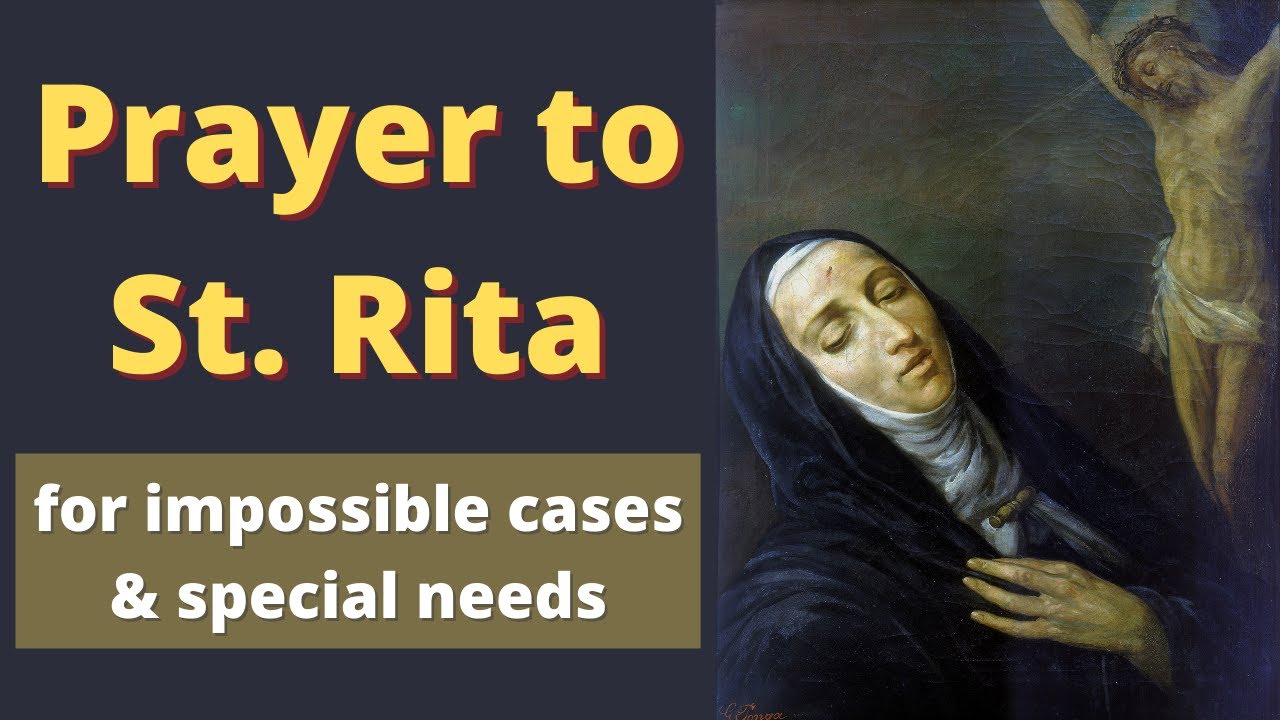
Prayer to Saint Rita: meaning, history, and how to pray
Prayer to Saint Rita is a beloved Christian devotion that seeks the intercession of Saint Rita of Cascia, often called the patron saint of impossible causes and difficult situations. For centuries, people facing crises in marriage, family, health, work, or reconciliation have turned to her with trust and perseverance. This guide explains what Prayer to Saint Rita is, why so many people find comfort in it, and how you can pray with clarity, confidence and integrity.
Whether you are exploring Catholic spirituality or simply looking for a structured way to pray during a testing time, Prayer to Saint Rita offers a gentle and hope-filled path. Below you will find a brief history of Saint Rita, essential principles for praying well, examples of prayers and novena formats, along with practical tips to avoid common mistakes and cultivate a deeper relationship with God.
Who is Saint Rita of Cascia?
Saint Rita (1381–1457) was an Augustinian nun from Cascia in Umbria, Italy. Before entering religious life, she endured a turbulent marriage marked by violence and family conflict. After her husband’s death and the subsequent death of her sons, she entered the convent, where she became renowned for her charity, counsel, and remarkable patience. Tradition recounts that she received a wound on her forehead resembling a thorn, a sign of her deep union with Christ’s Passion. The rose is another symbol associated with her: in the winter of her final illness, a relative found a blooming rose by her request, which has since become a sign of hope in bleak seasons.
Because Saint Rita experienced intense domestic struggles and profound grief yet persevered in forgiveness and service, many turn to Prayer to Saint Rita when circumstances feel humanly impossible. Her feast day is celebrated on 22 May, and churches across the world bless roses on that day to honour her memory and to encourage devotion.

What is the Prayer to Saint Rita?
At its heart, the Prayer to Saint Rita is a request for her intercession—asking this trusted saint to pray with and for you before God. Christians believe that the saints, alive in Christ, “pray for us” as companions on the journey of faith. In practical terms, Prayer to Saint Rita can be as simple as a brief invocation or as sustained as a nine-day novena, a litany, or a personal, free-form prayer poured out from the heart.
People often turn to this devotion for relief in seemingly intractable problems: a marriage at breaking point, a legal or financial battle, long-term illness, family estrangement, harmful habits, workplace conflict, or the courage to forgive. Whatever the specific intention, the purpose is the same: to entrust your need to God, seeking grace through the faithful intercession of Saint Rita, and to grow in patience, forgiveness and practical love.
Key intentions commonly brought to Saint Rita
When you offer the Prayer to Saint Rita for particular needs, you might focus on:
- Healing and peace within marriages and families
- Reconciliation after betrayal, resentment, or long silence
- Strength in chronic illness or pain, and serenity for carers
- Guidance through legal, financial, or workplace challenges
- Courage to forgive, and freedom from cycles of anger or revenge
- Trust in God when a situation truly feels “impossible”
How to pray the Prayer to Saint Rita with confidence
While there is no single “right” method, the following steps can help you pray with focus and faith. Adapting them to your circumstances is encouraged, because prayer is a living relationship, not a rigid formula.
- Prepare a quiet space: Before you begin the Prayer to Saint Rita, settle your mind and body. Light a candle or place a rose as a symbol of hope if you find it helpful.
- Begin in God’s presence: Make the Sign of the Cross if you are accustomed to it, or simply say, “Lord, I am here.” Breathe slowly and ask for the Holy Spirit’s guidance.
- Recall Scripture: Read a short passage that nourishes trust, such as Psalm 27, Matthew 11:28–30, or Romans 8:26–28. Allow a word or phrase to resonate before you voice your intention.
- State your intention clearly: Express your need to God in your own words. Speak with honesty, including fears and hopes. Saint Rita understands complicated situations; do not be afraid to be specific.
- Ask for intercession: In simple language, ask Saint Rita to pray with you. You might say, “Saint Rita, please intercede for me in this difficulty, that I may do God’s will and find peace.”
- Commit to concrete action: Prayer and action belong together. If reconciliation is needed, ask for the grace to take one small, wise step. If healing is needed, commit to the practical care advised by professionals.
- Close with gratitude: Finish the Prayer to Saint Rita with thanksgiving, even before you see results. Gratitude keeps your heart open and attentive to the ways grace is already at work.
A simple daily Prayer to Saint Rita
O Saint Rita, faithful friend of those in distress, you who knew sorrow and learned mercy, stand beside me in this need. Bring my prayer to the Heart of Jesus, that I may receive courage to do what is right, patience to endure what I cannot change, and hope that does not fade. Obtain for me the grace I ask, if it be for God’s glory and my true good. Teach me to forgive, to be gentle, and to trust always in the Father’s care. Amen.
Nine-day novena: structure and tips
Praying a nine-day Prayer to Saint Rita novena can help you persevere gently and steadily. Each day, choose a short Scripture, voice your intention, and ask for Saint Rita’s intercession. You might close with an Our Father, Hail Mary and Glory Be, or simply a moment of silent trust if you are new to set prayers.
Suggested daily focus:
- Day 1: Trust in God’s timing
- Day 2: Patience in suffering
- Day 3: Courage to forgive
- Day 4: Healing of memories
- Day 5: Wisdom for next steps
- Day 6: Peace in family life
- Day 7: Freedom from resentment
- Day 8: Hope in “impossible” causes
- Day 9: Gratitude and surrender
Short invocations for each day can be as simple as: “Saint Rita, example of steadfast love, pray for me.” Keep a small journal to note any insights, changes in attitude, or practical ideas that arise during the novena.
The Litany of Saint Rita (short form)
In a brief litany for the Prayer to Saint Rita, you might use this call-and-response style:
- Saint Rita, faithful disciple of Christ—pray for us.
- Saint Rita, model of patience—pray for us.
- Saint Rita, reconciler in times of conflict—pray for us.
- Saint Rita, comfort of the sorrowing—pray for us.
- Saint Rita, hope of the impossible—pray for us.
Conclude with: “O God, who gave Saint Rita grace to love in hardship and to forgive in pain, grant that we may follow her example and trust in your mercy. Through Christ our Lord. Amen.”
Biblical foundations and the communion of saints
Prayer to Saint Rita sits within the wider Christian understanding of the Body of Christ and the communion of saints. The New Testament frequently encourages believers to intercede for one another (1 Timothy 2:1; James 5:16). Asking a saint to pray for us is a way of living this communion beyond death, trusting that those who are with the Lord continue to love and intercede for us.
You can pair the Prayer to Saint Rita with Scripture that fosters hope and endurance: Romans 12:12 (“Rejoice in hope, be patient in suffering, persevere in prayer”), or Philippians 4:6–7 on presenting requests to God with thanksgiving. The point is not to pressure God with many words, but to let God’s word shape your heart and response, day by day.
Christians do hold differing views about prayer to the saints. If you would like a balanced overview of how traditions compare, see this concise guide on Orthodox vs Catholic understandings. Whatever your background, the essential invitation remains: to draw close to God with honesty, entrusting every difficulty to the Lord’s mercy.
Practical etiquette and common mistakes to avoid
It’s natural to turn to the Prayer to Saint Rita when you feel overwhelmed. To keep your prayer grounded and fruitful, consider these points:
- Avoid “transactional” thinking: Prayer is not a bargain (“If I say these words, I am guaranteed this outcome”). Instead, think of it as a living relationship with God in which you grow in trust and love, whatever the outcome.
- Do not neglect ordinary means: If you need reconciliation, consider mediation or counselling; if you’re unwell, follow medical advice. Prayer and practical wisdom go hand in hand.
- Be patient with timing: Answers or changes may be subtle and gradual. Pay attention to interior shifts—greater peace, courage to take a step—as signs that your prayer is being gently answered.
- Forgive in small steps: Saint Rita is known for forgiveness, but forgiveness can be a process. Ask for the grace to begin, even if full reconciliation is not possible or safe right now.
- Keep thanksgiving central: Include gratitude when you pray; it opens your heart to notice what God is already doing.
Symbols, feast day, and customs in Prayer to Saint Rita
The rose, thorn and bee are popular symbols associated with Saint Rita. Roses, in particular, feature strongly in devotional practice; many people bring a rose to be blessed on or near 22 May, her feast day, and keep it near an image of the saint as a reminder of hope in harsh seasons. This is a simple way to anchor the Prayer to Saint Rita in your daily environment—placing a blessed rose beside a candle or a Bible can help you remember to turn to the Lord throughout the day.
If you attend Mass or a church service on her feast, consider renewing your commitment to pray for reconciliation or a specific family intention. You might also write a brief note of thanksgiving for graces received and keep it with your rosary or prayer journal as a sign of trust for the next chapter.
Recommended external resources
If you would like to learn more about Saint Rita’s life and the tradition behind the Prayer to Saint Rita, these resources are reliable starting points:
- Saint Rita of Cascia overview (Wikipedia) for a balanced summary of her life, symbols and patronages.
- National Shrine of Saint Rita of Cascia for devotional materials, feast day information and pastoral reflections.
- Augustinian Order: Saint Rita of Cascia for insights into her spirituality and historical context within the Augustinian family.
Related articles
- How to pray the Divine Mercy Chaplet
- Understanding differences between Orthodox and Catholic traditions
Frequently asked questions about Prayer to Saint Rita
What makes Saint Rita the patron saint of “impossible” causes?
Saint Rita’s life included a violent marriage, family tragedy, and years of patient endurance. Her steadfast love and the extraordinary signs associated with her sanctity led many to trust her intercession in situations that seem beyond human remedy. Over time, the Church’s devotional life recognised her as a special helper in complex or “impossible” causes, which is why Prayer to Saint Rita is so popular during extreme difficulties.
How often should I say the Prayer to Saint Rita?
There is no strict rule. Some people pray daily for a short time, others use a nine-day novena format, and some choose specific days (like Fridays or her feast on 22 May). What matters is consistency and sincerity rather than volume. A simple, daily Prayer to Saint Rita paired with one concrete step—like a phone call, an apology, or a practical task—can be very powerful.
Can I pray the novena more than once for the same intention?
Yes. Many people repeat the novena, sometimes with a day or two of quiet between cycles to reflect on any changes or insights. If you find yourself becoming anxious or scrupulous, simplify: offer your intention briefly, trust God, and keep living the next right step. Prayer to Saint Rita is meant to bring peace, not pressure.
Is the Prayer to Saint Rita only for Catholics?
No. While devotion to saints is most familiar in the Catholic and some Orthodox contexts, Christians from various traditions, and seekers who are exploring faith, often find comfort in this form of intercessory prayer. If you are new to it, you can adapt the language so it feels honest to you: address God directly and add, “Saint Rita, please pray with me.”
What should I do if my prayer seems unanswered?
First, notice any quieter answers—greater patience, courage to act, or a new perspective. Longstanding patterns often change gradually. Continue to pray, ask Saint Rita’s intercession, and take practical steps recommended by wise counsel. If months pass without movement, speak to a trusted pastor or spiritual friend. Prayer to Saint Rita is not a guarantee of a specific outcome, but a faithful way to seek God’s will and companionship.
Can I combine this devotion with other prayers?
Absolutely. Many people pair a short Prayer to Saint Rita with the Rosary, the Psalms, or chaplet devotions. If you are looking for a structured, mercy-focused practice, you might explore the Divine Mercy Chaplet, which complements Saint Rita’s emphasis on forgiveness and trust.
Conclusion on Prayer to Saint Rita
At its core, Prayer to Saint Rita is a humble, confident way to bring our hardest situations before God with the help of a trusted friend in heaven. Grounded in Scripture and the Christian tradition of mutual intercession, it invites you to hope, to forgive in small steps, and to act with wisdom while you wait on the Lord’s timing.
Whether you choose a simple daily invocation, a structured novena, or a short litany, let the Prayer to Saint Rita be a pathway to deeper trust. Keep the essentials in view: honesty with God, gratitude for graces already given, and the willingness to take one practical step each day toward peace and reconciliation.
As you continue, remember Saint Rita’s rose: a sign that new life can appear even in winter. May your own practice of Prayer to Saint Rita awaken resilient hope, attentive love, and a lasting confidence that nothing is impossible for God.
