Prayer to our lady queen of sorrows: complete, essential guide
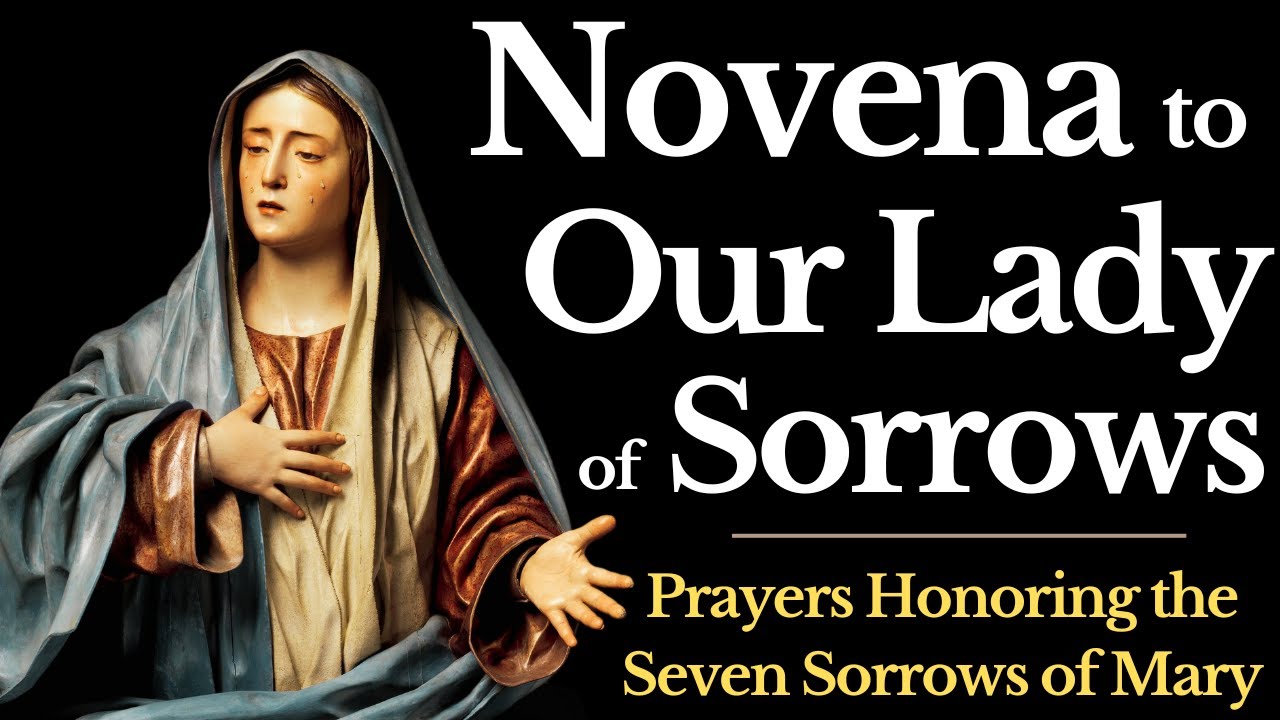
prayer to our lady queen of sorrows: meaning, history, and how to pray
The prayer to our lady queen of sorrows is a time‑honoured Christian devotion that invites us to stand with Mary at the foot of the Cross and to unite our own sufferings with hers. People turn to this prayer for comfort in grief, courage in trials, and a deeper compassion for the pain of others. Whether you are new to Marian devotions or have prayed for years, the prayer to our lady queen of sorrows offers a practical and powerful way to find hope, healing, and steady faith when life hurts.
In this guide, you will find the background of the title “Queen of Sorrows”, the biblical roots of the devotion, simple methods to begin, and thoughtful tips to deepen your practice. You will also discover how the prayer to our lady queen of sorrows connects with the Seven Sorrows (or Seven Dolours) of Mary, and how it can shape a mature, Christ‑centred response to hardship.
What is the prayer to our lady queen of sorrows?
At its heart, the prayer to our lady queen of sorrows is an appeal for Mary’s maternal intercession as the mother who shared most intimately in the Passion of her Son. Under this title, she is also known as Our Lady of Sorrows (Latin: Mater Dolorosa). The devotion encourages believers to contemplate seven key moments of Mary’s suffering narrated or foreshadowed in Scripture—often called the Seven Sorrows—and to let that contemplation soften our hearts, purify our responses, and strengthen our trust in God.
You can pray the prayer to our lady queen of sorrows in several ways. Some people offer a short daily invocation (“Mary, Queen of Sorrows, pray for us”) and bring their current intentions to her. Others use the Chaplet (or Rosary) of the Seven Sorrows, a structured set of prayers and meditations. You may also pray spontaneously, speaking honestly to Mary about your grief, fear, or confusion. The unifying theme is to approach her as a compassionate mother who leads us to Christ and helps us face pain with faith, not despair.


Origins and history: how the title “Queen of Sorrows” arose
To understand why the prayer to our lady queen of sorrows resonates across centuries, it helps to trace its roots in the Bible and Christian tradition.
Biblical foundations
- Simeon’s prophecy (Luke 2:34–35): When Jesus is presented in the Temple, Simeon foretells that a sword will pierce Mary’s soul. This image underpins the devotion, expressing the depth of her participation in Christ’s saving mission.
- The Flight into Egypt (Matthew 2:13–15): The Holy Family flees Herod’s violence—a story that echoes the anxiety and displacement many families experience today.
- Mary at the Cross (John 19:25–27): The Gospel shows Mary standing near the Cross, steadfast even as she endures the greatest sorrow a mother can know.
From these scenes and others, the Church reflects on how Mary’s sorrows teach us fidelity, courage, and compassion, and why the prayer to our lady queen of sorrows is more than words—it is a school of the heart.
Growth of the devotion
In the Middle Ages, the devotion took clearer shape through preaching, art, hymnody, and the witness of religious orders—especially the Servites (Order of the Servants of Mary), who promoted meditation on the Seven Sorrows and developed the corresponding chaplet. The hymn “Stabat Mater”, which begins “At the Cross her station keeping”, became a classic text for reflection. Over time, the Church established a memorial honouring Our Lady of Sorrows, encouraging the faithful to draw near to Christ by contemplating Mary’s steadfast love.
Why “Queen of Sorrows”?
Christians honour Mary under many titles that highlight aspects of her mission. Calling her “Queen” does not place her above Christ, but recognises her unique relationship to the King and her role in God’s plan. “Queen of Sorrows” expresses her singular closeness to the Passion: she is the mother who, without sin, bore grief with perfect love. Praying the prayer to our lady queen of sorrows thus acknowledges a mother who understands our pain and intercedes with tenderness.
How to pray the prayer to our lady queen of sorrows
You can begin simply. The following approaches show how to integrate the prayer to our lady queen of sorrows into ordinary life.
A simple daily invocation (1–3 minutes)
- Find a quiet moment. Take a slow breath and bring to mind your sorrow or the suffering of someone you love.
- Pray: “Mary, Queen of Sorrows, be with me in this pain. Teach me to remain with Jesus as you did. Obtain for me faith, courage, and peace.”
- Finish with the traditional “Hail Mary” or a moment of silence.
The Chaplet (Rosary) of the Seven Sorrows (10–20 minutes)
A beloved form of the prayer to our lady queen of sorrows is the chaplet, sometimes called the Servite Rosary. It uses special beads grouped in sevens. Each group focuses on one of the Seven Sorrows:
- Prophecy of Simeon
- Flight into Egypt
- Loss of the Child Jesus in the Temple
- Meeting Jesus on the Way to Calvary
- Crucifixion and Death of Jesus
- Jesus Taken Down from the Cross
- Burial of Jesus
To pray it, begin with the Sign of the Cross. Announce the first Sorrow, slowly read or recall the relevant Scripture, then pray seven Hail Marys, asking for the grace to respond as Mary did. Repeat for each Sorrow. End with a prayer such as: “Mary, Queen of Sorrows, intercede for us, that we may carry our crosses with love and share in the hope of the Resurrection.” This structured form of the prayer to our lady queen of sorrows gently trains attention, patience, and empathy.
Praying with Scripture
Pair each Sorrow with the biblical passage (for example, John 19:25–27 for Mary at the Cross). Slowly read the text, notice a word or phrase that stands out, and speak to God about it. This is an excellent way to weave the prayer to our lady queen of sorrows into a regular habit of Scripture meditation.
Sample personal prayer
“Mother Mary, Queen of Sorrows, I place before you the wound I carry today. You stood at the Cross without losing faith; stand with me now. In your compassion, lead me to Jesus, that I may learn to love in the midst of suffering, forgive where I have been hurt, and hope beyond what I can see. Amen.”
Why pray this devotion? Key graces and fruits
Many people experience tangible spiritual benefits from the prayer to our lady queen of sorrows. While graces vary, some common fruits include:
- Compassion: Meditating on Mary’s sorrows expands the heart and reduces harsh judgement of others’ struggles.
- Perseverance: The steady rhythm of the chaplet helps you remain faithful through long or hidden trials.
- Healing of memories: Bringing painful experiences into prayer with Mary can soften resentment and fear.
- Union with Christ: The devotion always points to Jesus, helping you unite personal crosses with his redemptive love.
- Peace in grief: The prayer to our lady queen of sorrows offers a gentle, non‑sensational way to process loss with faith.
When to use the prayer to our lady queen of sorrows
There is no wrong time, but the devotion is especially helpful when:
- You or a loved one are facing illness, bereavement, or family conflict.
- Forgiveness is difficult and you need grace to let go of bitterness.
- You want to intercede for victims of violence, displacement, or injustice.
- The liturgical Memorial of Our Lady of Sorrows (15 September) approaches and you wish to prepare intentionally.
Common mistakes to avoid
- Treating it as a quick fix: The prayer to our lady queen of sorrows is not magic. It is a path of trust, patience, and transformation.
- Skipping Scripture: The devotion blossoms when rooted in the Bible. Even a few verses enrich the experience.
- Praying only when overwhelmed: Regular, small moments of prayer build resilience for the harder days.
- Focusing only on pain: Mary’s sorrows lead to the hope of Easter. Keep the Resurrection in view.
Practical tips to deepen your practice
- Set a gentle rhythm: Choose a consistent time—perhaps Friday evenings or Sunday afternoons—to pray the chaplet or a brief form of the prayer to our lady queen of sorrows.
- Use sacred art: An image of the Mater Dolorosa can focus your mind and calm your breathing.
- Journal a line: After praying, write one sentence about what you noticed. Over time, you will see patterns of grace.
- Pray with music: The “Stabat Mater” has inspired many settings; listening prayerfully can open the heart.
- Offer each Sorrow: Dedicate one Sorrow for a particular person or situation; this keeps intercession concrete.
How the devotion complements other prayers
The prayer to our lady queen of sorrows harmonises with wider Christian prayer. For example, if you are cultivating mercy and trust, you may appreciate this companion devotion: the Divine Mercy Chaplet prayer guide. Those who pray the standard Rosary can also integrate one set of mysteries with a Sorrow each day, reinforcing the link between Mary’s life and Christ’s saving work.
If you pray or read in Spanish, you may find it helpful to explore a version in your language: see this resource on the Lady of Sorrows prayer in Spanish.
Recommended external resources
- Overview of Our Lady of Sorrows: history, iconography, and devotion for a concise background and links to related traditions.
- USCCB guide to the Seven Sorrows of the Blessed Virgin Mary with summaries that pair well with Scripture reading.
- Background on the “Stabat Mater” hymn, a cornerstone text for meditating on Mary at the Cross.
- Vatican News reflection on the Feast of Our Lady of Sorrows, highlighting the devotion’s pastoral meaning today.
Frequently asked questions about prayer to our lady queen of sorrows
Is the prayer to our lady queen of sorrows the same as Our Lady of Sorrows?
Yes, the titles are closely linked. “Our Lady of Sorrows” and “Queen of Sorrows” both refer to Mary in relation to Christ’s Passion. The prayer to our lady queen of sorrows simply emphasises her maternal compassion and spiritual “queenship” as she shares, uniquely, in her Son’s suffering.
Do I need special beads to say this prayer?
No. You can pray the prayer to our lady queen of sorrows with or without a chaplet. The Seven Sorrows beads help structure meditation (seven Hail Marys for each Sorrow), but a simple, heartfelt prayer—spoken in your own words—is just as valid.
How often should I pray it?
There is no fixed rule. Many people choose a weekly rhythm (often on Fridays) or pray daily during a season of grief. The important thing is consistency: let the prayer to our lady queen of sorrows become a gentle habit rather than a rare emergency measure.
Can non‑Catholics pray this devotion?
Yes. Christians from different traditions find value in contemplating Mary at the Cross and asking her prayers, much as we ask friends to pray for us. If intercession by saints is unfamiliar in your tradition, you can still reflect on the Seven Sorrows as a biblical guide to steadfast love in hardship.
What are the Seven Sorrows, and why these seven?
The Seven Sorrows are key moments of suffering in Mary’s life: Simeon’s prophecy, the Flight into Egypt, the Loss of the Child Jesus, meeting Jesus on the way to Calvary, the Crucifixion, the Descent from the Cross, and the Burial of Jesus. They trace a coherent path through Scripture, showing Mary’s steady fidelity from Jesus’ infancy to his burial, and they provide a framework for the prayer to our lady queen of sorrows.
How is the Seven Sorrows Chaplet different from the regular Rosary?
The standard Rosary has decades of ten Hail Marys focused on the Joyful, Sorrowful, Glorious, and Luminous Mysteries. The Seven Sorrows Chaplet has seven groups of seven Hail Marys, each dedicated to one of the Sorrows, often preceded by a meditation. Both aim to draw you closer to Christ; the prayer to our lady queen of sorrows simply concentrates on Mary’s participation in the Passion.
What intention should I bring to this prayer?
Anything weighing on your heart is appropriate—personal grief, family worries, a friend’s illness, or global suffering. A practical approach is to assign one intention to each Sorrow, making your intercession focused and concrete.
Conclusion on prayer to our lady queen of sorrows
The prayer to our lady queen of sorrows is a simple, profound way to meet God in the middle of pain. By standing with Mary as she stood by the Cross, we learn to trust when answers are unclear, to love when it costs, and to hope in the face of loss. This is not a dramatic or sensational path, but a steady one—rooted in Scripture, deepened by reflection, and strengthened by habit.
Whether you choose a short daily invocation or the fuller chaplet, the prayer to our lady queen of sorrows can shape your inner life: softening anger into compassion, anxiety into patience, and sorrow into intercession. Used alongside the Bible, and in communion with the Church’s prayer, it becomes a wise companion through the ups and downs of life.
If you are searching for a practice that respects your pain while leading you gently towards Christ, consider making the prayer to our lady queen of sorrows part of your week. In Mary’s company, even the heaviest crosses can be carried with a freer heart and a clearer hope.
