Prayer to mary the queen: essential guide with 5 key steps
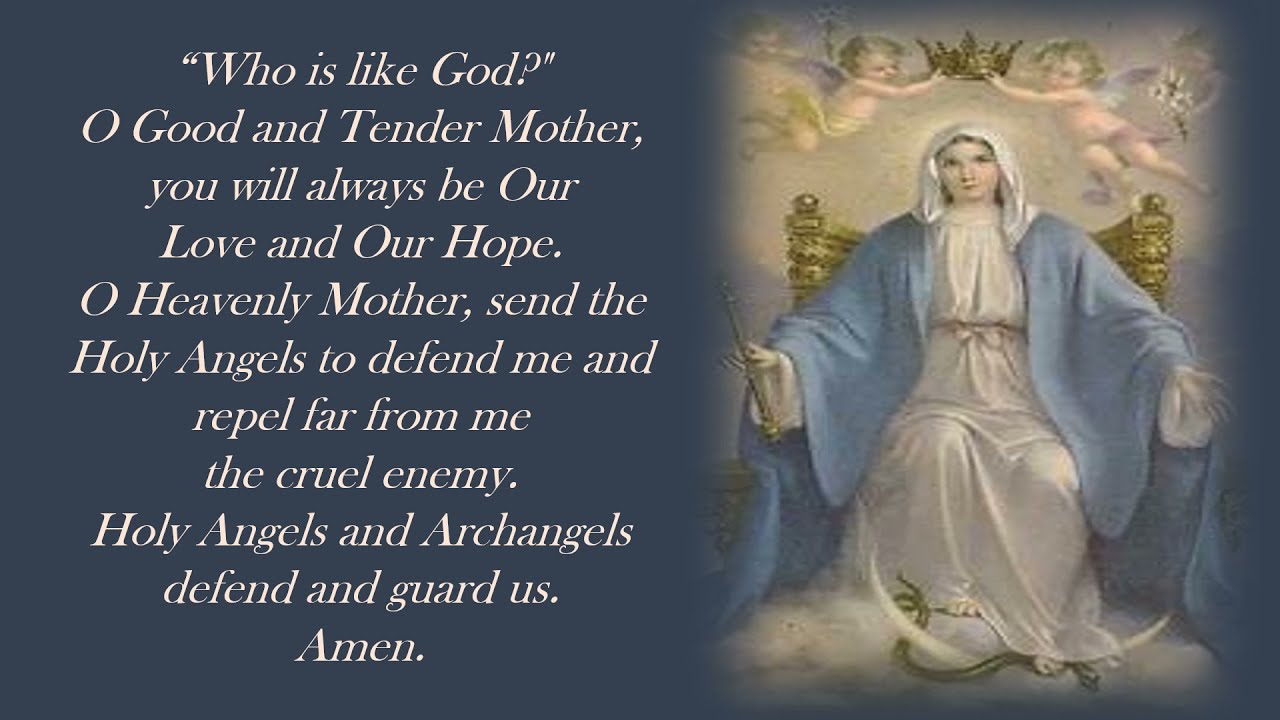
Prayer to mary the queen: meaning, practice, and inspiration
Prayer to mary the queen is a cherished way for Christians—especially within Catholic and Orthodox traditions—to ask for the intercession of the Mother of Jesus and to honour her special role in salvation history. Whether you are new to Marian devotion or simply looking for a clear, balanced guide, this article will help you understand what prayer to mary the queen is, why people turn to Mary with trust, and how to practise it meaningfully in daily life.
In the pages that follow, we will explore the biblical roots of the title “Queen,” common forms of devotion such as the Rosary and the Salve Regina, and practical steps to craft a simple, heartfelt prayer to mary the queen for your own circumstances. You will also find examples, common mistakes to avoid, and answers to frequent questions—so you can approach this devotion with confidence and clarity.
What is prayer to mary the queen?
At its simplest, prayer to mary the queen is a way of speaking to Mary as the Mother of Jesus, asking for her prayers before God. Christians do not pray to Mary as a goddess; rather, they seek her intercession—much like asking a trusted friend to pray for them—while keeping Jesus at the centre. Calling Mary “Queen” reflects the Christian belief that she shares in her Son’s kingship as the Queen Mother, a concept rooted in biblical and historical tradition.
When people say prayer to mary the queen, they usually intend one of the following: to ask for help in a time of need, to offer gratitude for blessings received, to seek guidance in faith, or to find peace and courage in daily life. Over centuries, the Church has recognised Mary as a compassionate intercessor and a model disciple who points us to Christ. Titles such as “Queen of Heaven” and “Queen of Peace” express the depth of trust believers place in her maternal care.


The title “Queen” in Christian tradition
The title “Queen” is not about political rule but spiritual motherhood. In the Old Testament, the mother of the king—the “Gebirah” or Queen Mother—held a place of honour and intercession in the Davidic kingdom (see 1 Kings 2:19). Early Christians saw a parallel in Mary, the Mother of the Messianic King, Jesus. Throughout Christian history, hymnody and prayers like the Salve Regina (“Hail, Holy Queen”) have celebrated this role, portraying Mary as a merciful advocate for the faithful.
Is prayer the same as worship?
No. In Catholic and Orthodox theology, worship (latria) is given to God alone. Veneration (dulia) is a form of honour for the saints, with a special veneration (hyperdulia) reserved for Mary because of her unique role as Mother of God. When someone makes a prayer to mary the queen, they are asking her to intercede, not to replace God. Authentic Marian devotion always leads back to Christ.
Biblical and historical roots of Marian intercession
The foundations of prayer to mary the queen are woven from Scripture and the lived experience of the Church. In Luke 1:28 and 1:42, Mary is greeted with extraordinary honour: “full of grace” and “blessed among women.” In Luke 1:48, she prophesies, “All generations will call me blessed.” Revelation 12 presents a heavenly woman crowned with twelve stars, widely interpreted in Christian tradition as Mary, the Mother of the Messiah and the personification of the faithful people of God. Together, these texts provide the scriptural soil in which Marian devotion developed.
Historically, the Church has celebrated Mary’s Queenship in prayer and liturgy, expressing confidence in her intercession. The encyclical Ad Caeli Reginam (1954) articulated reasons for the title “Queen of Heaven,” consolidating a longstanding devotion across cultures and centuries. These insights help explain why prayer to mary the queen remains a living tradition, not merely a relic of the past.
Why people say prayer to mary the queen today
Across the world, countless believers share personal stories of comfort, guidance, and renewed faith linked to prayer to mary the queen. The attraction is simple: in Mary, people find a motherly presence who understands human struggles and brings them to her Son. Common intentions include:
- Seeking peace in anxiety, grief, or uncertainty.
- Asking for healing—spiritual, emotional, or physical—according to God’s will.
- Praying for family life, marriages, and children.
- Requesting help with major decisions and moral clarity.
- Interceding for the Church and the world: unity, justice, and peace.
In short, prayer to mary the queen offers a gentle, accessible doorway into deeper faith, reminding us that we are not alone and that Christ gives us his Mother as a companion on the journey.
How to pray: a simple guide to prayer to mary the queen
If you have never tried this devotion, start small and keep it personal. The most meaningful prayer to mary the queen is often the one you can say with sincerity and consistency.
1) Prepare a quiet moment
Find a space where you can focus—at home, in a church, or during a walk. You might place a candle or an image of Mary and Jesus nearby to settle your thoughts. Begin by calling to mind God’s presence. A short, humble act—such as making the sign of the cross—can help you centre yourself for prayer to mary the queen.
2) Speak to Mary with honesty
Tell Mary what is on your heart. Be specific: name the person, the challenge, or the gratitude you carry. Offer your worries and hopes, asking for her prayers and motherly guidance. Let your words be simple. There is no “right” length—only sincerity.
3) Use traditional prayers if helpful
Many find strength in time-tested texts such as the Hail Mary, the Salve Regina (Hail, Holy Queen), the Memorare, or the Sub Tuum Praesidium. These provide a stable framework when our own words are hard to find. Incorporating these into your prayer to mary the queen can deepen both understanding and devotion.
4) Keep Christ at the centre
End by entrusting everything to Jesus. Marian prayer is at its best when it leads to a stronger relationship with Christ, more love for Scripture, and practical charity. A brief moment of silence or thanksgiving helps the heart absorb grace.
Praying the Rosary as a form of prayer to mary the queen
The Rosary is a meditative prayer on the life of Jesus, said in union with Mary. It blends vocal prayer with contemplation of the mysteries—joyful, luminous, sorrowful, and glorious—drawing the mind and heart to the Gospel. For many, it is a daily way of living out prayer to mary the queen, building a rhythm of reflection that steadies the soul.
Sample words you can say
You may wish to use your own words, or draw from traditional prayers. The Salve Regina, for example, addresses Mary as “Holy Queen, Mother of Mercy,” asking for her prayers and protection. You can also compose a brief personal prayer to mary the queen, such as: “Mary, Queen and Mother, I entrust to you this situation. Pray for me to seek God’s will, to act with wisdom, and to love with courage.”
Examples of prayer to mary the queen
Below are a few simple examples you can adapt. Use them as starting points for your own prayer to mary the queen.
A short daily prayer
“Mary, Queen and Mother, be with me today. Help me to listen to God, to speak with kindness, and to serve with joy. Pray for me and for those I love. Lead me always to your Son, Jesus.”
For a family in difficulty
“Holy Mary, Queen of Peace, we place our family in your hands. In our frustration and fear, guide us. In our disagreements, soften our hearts. In our needs, obtain for us the grace to trust God’s providence. Pray for our home to become a place of faith, forgiveness, and hope.”
In illness or anxiety
“Mother Mary, Queen of Mercy, I bring you my pain and worry. Stand beside me in weakness, steady me in treatment, and surround my carers with wisdom and compassion. Pray that I may know Christ’s healing presence and the courage to take one step at a time.”
For discernment
“Mary, Queen of the Apostles, help me discern the path that pleases God. Clear the noise of fear and pride, and open my heart to truth. Pray that I may choose what is right and persevere with patience.”
For the Church and the world
“Holy Queen, Mother of the Church, intercede for all who suffer from war, injustice, and poverty. Inspire leaders with wisdom, families with compassion, and communities with solidarity. Pray for unity among Christians and for peace throughout the world.”
Common mistakes in prayer to mary the queen (and gentle corrections)
It is normal to have questions or to make missteps as you build a prayer life. Here are a few common misunderstandings about prayer to mary the queen, with simple guidance:
- Thinking Mary replaces God: She does not. Mary intercedes; God answers. Keep Jesus at the centre.
- Using prayer as superstition: The goal is relationship, not control. Avoid treating words as a “guarantee” of outcomes. Pray with trust, not magical thinking.
- Fearing that honouring Mary is unbiblical: The Church’s Marian teachings draw from Scripture and the earliest Christian tradition. Study key passages and let them inform your devotion.
- Rushing and multitasking: Give prayer a little unhurried time. Even two focused minutes can be better than ten distracted ones.
- Neglecting Scripture and charity: Authentic Marian devotion deepens love for God’s Word and moves us to practical acts of service.
Integrating prayer to mary the queen into daily life
To make a devotional practice sustainable, attach it to something you already do. For instance, say a short prayer to mary the queen as the kettle boils, before your commute, or during an evening walk. If you pray the Rosary, consider one decade a day rather than all five decades at once, if your schedule is tight.
Families might add a brief Marian prayer at the end of a meal or bedtime. Parishes sometimes gather for the Rosary before Mass or during special seasons (May and October are traditional months of Marian devotion). Whatever your setting, small, consistent steps are more valuable than occasional bursts of intensity.
Recommended external resources
- Ad Caeli Reginam (Pius XII): on the Queenship of Mary – background on why the Church calls Mary “Queen.”
- USCCB: Text and background of the Hail, Holy Queen (Salve Regina) – a traditional prayer often used in prayer to mary the queen.
- Wikipedia: Queenship of Mary – overview of history, liturgy, and theology, with references for further reading.
- Catholic Encyclopedia: Mary, Mother of God – theological foundations of Marian doctrine and devotion.
Related articles
Frequently asked questions about prayer to mary the queen
Is prayer to Mary the same as worship?
No. Worship is reserved for God alone. Prayer to Mary is a request for her intercession. When you make a prayer to mary the queen, you are asking her to pray with you and for you, trusting that her maternal care leads you to Christ.
Is there biblical support for calling Mary “Queen”?
Yes, indirectly through biblical patterns and titles. The Queen Mother tradition in the Davidic kingdom (e.g., 1 Kings 2:19) prefigures Mary’s spiritual motherhood. Luke’s Gospel highlights her unique blessedness (Luke 1:28, 42, 48), and Revelation 12 depicts a crowned woman associated with the Messiah. These inform the Church’s language of Mary’s Queenship.
What is the difference between praying the Rosary and other Marian prayers?
The Rosary is a structured meditation on the mysteries of Christ’s life, prayed with repeated Hail Marys and other prayers. Other Marian prayers, like the Memorare or the Salve Regina, are shorter and can be said on their own. Both can be part of your prayer to mary the queen.
Can I write my own prayer to Mary?
Absolutely. Speak to Mary as you would to a loving mother who points you to Jesus. Keep your words simple and sincere. Many people combine a personal prayer to mary the queen with a traditional text to feel grounded in the wider Church’s prayer.
How often should I pray to Mary?
There is no fixed rule. Some people pray daily; others turn to Mary during particular needs or seasons. Aim for a pattern you can maintain—perhaps a short morning prayer to mary the queen, a decade of the Rosary in the afternoon, or the Salve Regina in the evening.
Is it appropriate for non-Catholics to pray to Mary?
Many Christians outside the Catholic Church appreciate Mary’s example and ask for her prayers. Others prefer to pray directly to God without asking saints to intercede. If you are exploring, approach respectfully, study the biblical and historical foundations, and focus on devotion that deepens your love for Christ.
Conclusion on prayer to mary the queen
Prayer to mary the queen is a time-honoured practice that invites you to bring your hopes, fears, and gratitude to the Mother of Jesus and to grow closer to Christ. Rooted in Scripture and tradition, it recognises Mary’s maternal care and her role as Queen Mother who intercedes for God’s people. Whether through the Rosary, the Salve Regina, or your own simple words, this devotion offers steady help along the path of faith.
If you are new to Marian prayer, start gently: a quiet moment, a short intention, and a sincere heart. Over time, your prayer to mary the queen can become a daily rhythm, nurturing trust in God and inspiring practical charity. Above all, let this devotion guide you to Scripture, to the sacraments if you practise them, and to a deeper love for Jesus, the source and goal of every Christian prayer.
In the end, every authentic prayer to mary the queen says, in one way or another, “Mary, lead me to your Son.” With that focus, your devotion will remain balanced, biblical in spirit, and richly life-giving.
