Prayer to Mary Spanish: Complete, Essential Guide with 7 Key Prayers

prayer to mary spanish
If you have ever felt drawn to honour Mary, the mother of Jesus, and want to do so in a way that connects with Spanish-speaking Christian tradition, exploring prayer to Mary Spanish is a beautiful and practical path. Whether you are learning Spanish, joining a bilingual parish, or simply hoping to deepen your devotion with the words used by millions across the world, this guide will help you understand what prayer to Mary Spanish means, how to do it, and how to make it part of your daily life.
In the following sections, you will find the essential prayers, pronunciation tips, practical steps, cultural context, and clear examples. From the well-known Ave María to the Salve Regina, prayer to Mary Spanish can be accessible and heartfelt even if you are not a native speaker.
What does prayer to Mary Spanish mean?
Prayer to Mary Spanish simply refers to offering Marian prayers using the Spanish language—either traditional Catholic texts (such as the Ave María or the Rosary) or simple personal words addressed to Mary in Spanish. For many Christians, using Spanish adds a sense of connection with an immense, living tradition: countless families across Spain and Latin America pray these words daily. The language itself carries musicality and warmth, which can support recollection and reverence.
From a devotional perspective, Marian prayer is always Christ-centred: we ask Mary to intercede for us, to guide us to her Son, and to help us follow the Gospel. Prayer to Mary Spanish is not about novelty; rather, it is about joining a universal Church in a tongue widely used in worship and mission.
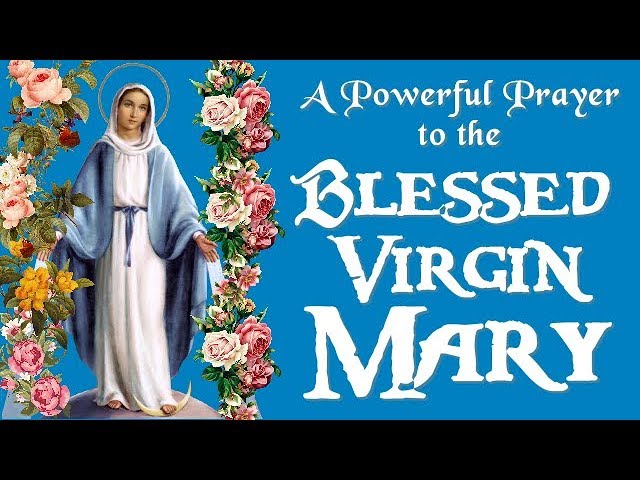

Key prayers for prayer to Mary Spanish
Here are the most widely used prayers if you want to begin prayer to Mary Spanish. You can pray them as they are, learn a few lines at a time, or combine them with silent reflection.
Ave María (Hail Mary)
The Hail Mary is foundational in prayer to Mary Spanish. Typical Spanish text:
“Dios te salve, María, llena eres de gracia; el Señor es contigo. Bendita tú eres entre todas las mujeres, y bendito es el fruto de tu vientre, Jesús. Santa María, Madre de Dios, ruega por nosotros, pecadores, ahora y en la hora de nuestra muerte. Amén.”
Meaning in brief: we greet Mary, acknowledge God’s grace in her life, and ask her intercession now and at the hour of death. For historical background and variants in different languages, see the encyclopaedic overview of the Hail Mary.
El Rosario (The Rosary)
The Rosary is a structured, meditative devotion that is central to prayer to Mary Spanish. It typically includes the Creed (Credo), Our Father (Padre Nuestro), Hail Mary (Ave María), and Glory Be (Gloria). The mysteries are contemplated on each decade. Common Spanish phrases you will hear and use include:
- “En el nombre del Padre, y del Hijo, y del Espíritu Santo. Amén.”
- “Padre nuestro, que estás en el cielo…”
- “Dios te salve, María…”
- “Gloria al Padre, y al Hijo, y al Espíritu Santo…”
- “Oh Jesús mío, perdona nuestros pecados…” (Fatima Prayer, often included)
Saint John Paul II’s apostolic letter on the Rosary explains its Christ-centred nature and the Luminous Mysteries; it can deepen your understanding of why the Rosary matters within prayer to Mary Spanish: Rosarium Virginis Mariae.
El Magníficat (Magnificat)
Mary’s own song from Luke 1:46–55 is prayed at Vespers and loved in Marian devotion. Spanish opening lines:
“Proclama mi alma la grandeza del Señor, se alegra mi espíritu en Dios, mi salvador…”
This prayer celebrates God’s mercy, justice, and faithful love. Incorporating the Magnificat into prayer to Mary Spanish strengthens the biblical grounding of your devotion.
La Salve (Salve Regina)
“Dios te salve, Reina y Madre de misericordia, vida, dulzura y esperanza nuestra, Dios te salve…”
Widely sung and recited at the end of the Rosary or in the evening, the Salve Regina appeals to Mary as our merciful Queen and Mother. It is a beautiful way to close prayer to Mary Spanish with trust.
El Memorare (Acuérdate)
“Acuérdate, oh piadosísima Virgen María, que jamás se ha oído decir que ninguno de los que han acudido a tu protección…”
This short petition expresses confidence in Mary’s intercession. Pray it when you need swift help and consolation.
How to begin with prayer to Mary Spanish
Starting prayer to Mary Spanish is easier than you might think. Use the following steps to build confidence and rhythm.
- Choose one prayer first. The Ave María is the best place to begin.
- Use a reliable text. Avoid poorly formatted versions. Reputable sources ensure accurate wording.
- Learn in small parts. Memorise a single sentence each day, then add the next line.
- Practise pronunciation slowly. Focus on clarity rather than speed.
- Pray aloud and silently. The combination helps you internalise meaning and sound.
- Link with a time of day. After breakfast or before bedtime helps habit formation.
- Reflect on meaning. Read a simple translation into your native language, then pray in Spanish.
Remember that prayer to Mary Spanish is not about perfection; it is about sincerity, presence, and faith. As you grow in familiarity, you can expand to the Rosary or add seasonal prayers (for example, litanies in May or processional hymns in local celebrations).
Pronunciation and rhythm tips for prayer to Mary Spanish
Clear pronunciation supports devotion. Here are simple tips to help your recitation of prayer to Mary Spanish sound natural while remaining prayerful:
- Vowels are pure. A as in “father”; E as in “met”; I as in “machine”; O as in “port”; U as in “rule”.
- “Dios te salve” is pronounced roughly “DEE-oss tay SAHL-vay”. Keep syllables even.
- Stress often falls on the penultimate syllable: Ma-RÍ-a, se-ÑOR.
- Read slowly in the beginning. Prayer is not a race.
- Listen and imitate. Use audio from trusted sources to hear the flow of Ave María and Salve Regina in Spanish.
Cultural context: titles of Mary and feast days
Prayer to Mary Spanish is shaped by a rich landscape of feasts and local devotions. Across Spain and Latin America, Mary is honoured under many titles, each highlighting an aspect of God’s grace. You may hear, for example:
- Nuestra Señora de Guadalupe (Mexico) – Patroness of the Americas, with a major shrine in Mexico City.
- Nuestra Señora del Pilar (Spain) – Zaragoza’s famous devotion, tied to Spain’s Christian heritage.
- Nuestra Señora del Carmen – A widely loved title linked with the Scapular and maritime communities.
- Nuestra Señora de la Altagracia (Dominican Republic), de Luján (Argentina), de la Caridad del Cobre (Cuba), de la Divina Providencia (Puerto Rico), and many others.
Participating in these celebrations, even simply by praying an Ave María in Spanish, can make prayer to Mary Spanish feel both personal and communal. For an introduction to the history and significance of Guadalupe, the official shrine site provides useful information: Basilica of Our Lady of Guadalupe.
Step-by-step: a simple prayer to Mary in Spanish for beginners
Use this short guide to craft a simple, heartfelt prayer to Mary in Spanish, especially helpful when you are not yet fluent. It complements formal prayer to Mary Spanish such as the Ave María.
- Begin with the Sign of the Cross: “En el nombre del Padre, y del Hijo, y del Espíritu Santo. Amén.”
- Greet Mary: “Santa María, Madre de Dios, te saludo con amor y confianza.”
- Name your intention: “Te pido por…” (my family/mi familia; my work/mi trabajo; health/la salud; guidance/la guía).
- Ask for intercession: “Ruega por mí y acompáñame para seguir a Jesús con fe y esperanza.”
- Close with praise or gratitude: “Gracias, Madre, por tu protección. Amén.”
As your confidence grows, add a decade of the Rosary or include the Memorare. In time, this personal approach strengthens your overall practice of prayer to Mary Spanish.
Common mistakes to avoid in prayer to Mary Spanish
These are frequent pitfalls and how to sidestep them, ensuring your prayer to Mary Spanish remains clear and meaningful:
- Rushing the words. Slow, steady pace aids attention. Better one thoughtful Ave María than five hurried ones.
- Altering traditional phrases. For example, “Dios te salve, María” is a set formula; changing it can be confusing in group prayer.
- Skipping the doxology in the Rosary. Remember “Gloria al Padre…” at the end of each decade.
- Forgetting the intention. Offer each Rosary (or each day’s prayer) for a specific person or need.
- Neglecting the mysteries. If you pray the Rosary, choose the day’s mysteries or any suitable set and contemplate their Gospel scenes.
- Reducing prayer to repetition only. Meditation on Christ’s life through Mary is the heart of the Rosary and of prayer to Mary Spanish.
Making prayer to Mary Spanish part of daily life
To keep momentum, integrate prayer into natural moments:
- Morning: one Ave María before work.
- Commute: a quiet decade (if feasible and safe).
- Evening: the Salve Regina to close the day.
- Weekly: one full Rosary in Spanish with a friend or family member.
Many find that pairing prayer to Mary Spanish with a short Scripture reading (for example, Luke 1–2) deepens recollection. Others like to keep a pocket card of the Ave María for quick reference.
Learning resources and trustworthy texts
Always choose reliable sources for the wording of prayers, especially when you are memorising in another language. You can find clear explanations of the Rosary’s structure and Marian teaching, plus the full texts of the prayers commonly used in prayer to Mary Spanish, through reputable organisations and official Catholic sites. For example, the Vatican’s documents on the Rosary are particularly valuable for understanding its purpose and rhythm.
If you would like to explore a complementary devotion that many pray alongside Marian practices, see this clear, step-by-step guide: Divine Mercy Chaplet prayer. And if you are specifically drawn to Mary’s compassion in times of suffering, the following reflective resource offers context and prayers in Spanish: Lady of Sorrows in Spanish.
Recommended external resources
- Rosarium Virginis Mariae (Apostolic Letter on the Rosary) – background, theology, and practical guidance on praying the Rosary.
- Hail Mary overview – historical development, biblical sources, and text in various languages.
- Rosary prayers and structure – a reliable collection of the core prayers used in the Rosary.
- Basilica of Our Lady of Guadalupe – insight into one of the most significant Marian devotions in the Spanish-speaking world.
Frequently asked questions about prayer to Mary Spanish
Is it appropriate to pray to Mary in Spanish if I am not a native speaker?
Yes. The Catholic Church is universal, and many people pray in a language that is not their own. If you approach prayer to Mary Spanish with sincerity, you honour both God and the tradition. Focus on clarity and meaning rather than accent.
What is the easiest way to start prayer to Mary Spanish?
Begin with the Ave María. Learn it line by line, practise slowly, and use a trustworthy text. Then add the Salve Regina or a decade of the Rosary. Consistency matters more than length.
How can I improve my pronunciation for prayer to Mary Spanish?
Listen to audio versions of the Ave María and Rosary to mirror pronunciation and flow. Remember Spanish vowels are steady and pure; go slowly at first. Over time, the rhythm will feel natural.
What is the difference between “Ave María” and “Dios te salve, María”?
In Spanish, the Hail Mary typically begins “Dios te salve, María,” which corresponds to the greeting “Hail, Mary.” “Ave María” is also used as a title for the prayer or as a short name. Both refer to the same devotion within prayer to Mary Spanish.
Can I combine personal intentions with formal prayer to Mary Spanish?
Absolutely. Many people begin with an intention before the Rosary or insert a quiet intention after the “Dios te salve, María.” Your personal needs, gratitude, and concerns belong in prayer.
Which days have special Marian significance in the Spanish-speaking world?
Commonly, May is dedicated to Mary, and October is the month of the Rosary. Specific feasts include Our Lady of Guadalupe (12 December), Our Lady of Mount Carmel (16 July), and many local patronal feasts. These are ideal moments to embrace prayer to Mary Spanish.
Is the Rosary essential, or can I just say one short prayer daily?
You can certainly say a short prayer daily—consistency is key. The Rosary is a recommended structure that gently leads to deeper meditation. Use it when you can; when you cannot, a faithful Ave María is a beautiful expression of prayer to Mary Spanish.
Conclusion on prayer to Mary Spanish
Adopting prayer to Mary Spanish connects you with a vast, living tradition of devotion that spans continents and centuries. Whether you begin with a simple Ave María or choose to pray the full Rosary, your intention and attention are what matter most. Spanish, with its gentle cadence and rich heritage of Marian piety, can help you pray with both heart and mind.
Remember to proceed step by step: learn one prayer well, practise regularly, and let the words lead you into the mysteries of Christ’s life through Mary. The rhythm of prayer to Mary Spanish—rooted in Scripture, shaped by the Church’s liturgy, and cherished by families the world over—
