Prayer to mary queen: essential guide with 7 key prayers
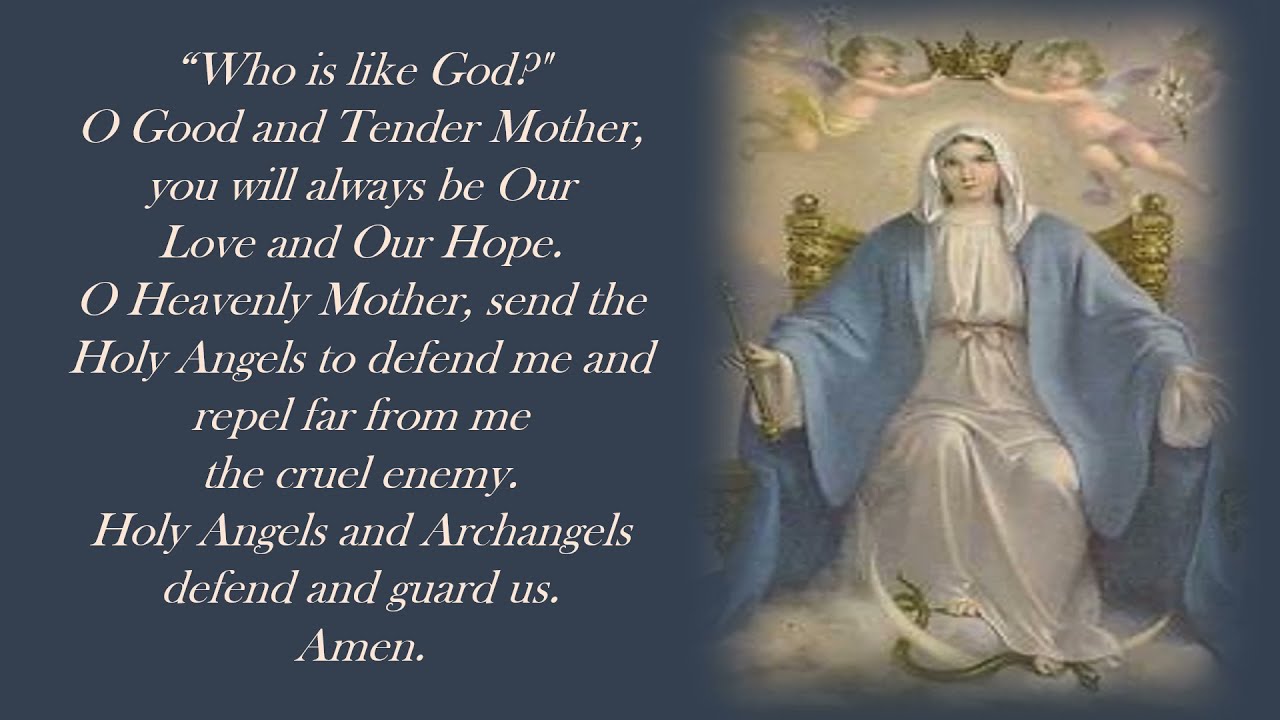
prayer to mary queen
For many Christians, especially within the Catholic and some Anglican traditions, the expression “prayer to mary queen” captures a heartfelt desire to draw closer to Jesus through his mother. Whether you are new to Marian devotion or simply looking to deepen your understanding, this guide offers a clear, friendly overview of what a prayer to Mary as Queen is, why it matters, and how you can engage with it meaningfully in daily life. We will explore classic texts such as the Salve Regina, practical ways to begin, common questions, and helpful resources.
In simple terms, prayer to Mary, Queen of Heaven, is about asking the mother of Jesus to intercede for us—just as we might ask a trusted friend to pray for us—while honouring her unique role in the story of salvation. As you’ll see, “prayer to mary queen” can be part of the Rosary, a stand-alone petition, or a quiet moment of reflection in times of need.
What is meant by prayer to mary queen?
At its heart, “prayer to mary queen” is a form of intercessory prayer directed to Mary under the title Queen—Queen of Heaven, Queen of Peace, Queen of Mercy, and more—titles arising from her closeness to Christ the King. It is not a replacement for prayer to God, but a pathway of asking Mary to present our needs to her Son. Across centuries, believers have turned to Mary in joys and sorrows, trusting in her maternal compassion and powerful intercession.
Historically, this devotion has taken simple and solemn forms alike. You may hear phrases like “Hail Holy Queen” (the Salve Regina) or “Queen of Heaven,” both of which reflect the Church’s recognition of Mary’s unique relationship with Jesus. For a succinct overview of how the title “Queenship of Mary” developed, see the accessible summary at Wikipedia’s article on the Queenship of Mary.


Biblical and historical roots
While Scripture does not use the English phrase “Queen of Heaven” for Mary, the underlying idea of her royal dignity flows from key biblical and historical insights. In ancient Israel, the queen was often the mother of the king (the “Queen Mother”), an honoured figure at court (cf. 1 Kings 2:19). Christians see Mary’s role in a similar light: as the mother of Jesus, who is King, she participates in his royal mission in a unique, humble way. The angel’s greeting in Luke 1 (“Hail, full of grace”) and Mary’s own prophecy (“all generations will call me blessed”) support this honoured place, without diminishing Christ’s sovereignty.
From the early centuries, Christians addressed Mary with reverence, asking for her prayers. Over time, classic texts like the Salve Regina emerged, shaping a common language of trust and hope. These prayers do not treat Mary as a goddess; rather, they ask a beloved mother to intercede, always in relation to and under the lordship of Jesus.
Mary’s queenship: why prayer to mary queen resonates
People turn to “prayer to mary queen” for many reasons. Some find consolation in Mary’s maternal care; others draw strength from her example of faith, saying “yes” to God’s plan even amid uncertainty. The image of Mary as Queen expresses not worldly dominance, but a compassionate reign marked by service, mercy, and attentive care for those in need. This is why titles like Queen of Peace or Queen of Mercy feel so fitting—because they echo her motherly concern, rooted in Christ’s mission.
How to pray: a step-by-step guide to prayer to mary queen
If you are just starting out, here is a simple way to make “prayer to mary queen” part of your routine. You can adapt these steps to suit your own tradition and comfort level.
- Settle yourself: Choose a quiet place. Light a candle, sit comfortably, and take a moment to breathe. If you like, hold a rosary or look at an image of Mary and Jesus. This helps focus your intention.
- Begin with God: Start by making the Sign of the Cross (if this is your practice) and acknowledging the presence of God. Marian prayer is always Christ-centred.
- Address Mary under a title: For instance, “Mary, Queen of Heaven,” or “Mary, our merciful Queen.” Using a title frames your intention and connects your request to a particular facet of her care.
- State your intention clearly: Speak candidly about your need or concern—healing, guidance, peace in your home, or courage at work. “prayer to mary queen” is most fruitful when honest and specific.
- Ask for intercession: Request that Mary present your needs to Jesus. This is the essence of intercessory prayer.
- Close with trust: End with a brief act of faith, such as “Mary, Queen of Heaven, pray for us,” and, if you wish, the Sign of the Cross.
Many people weave “prayer to mary queen” into the Rosary, a structured meditation on the life of Christ. If you would like an easy overview of how to say it, the US bishops provide a clear, step-by-step guide: How to pray the Rosary.
Key themes in prayer to mary queen
When people speak of “prayer to mary queen,” a handful of themes recur. Understanding them will help you pray with clarity and confidence.
- Intercession: Asking Mary to pray for us is central. We believe her prayers are powerful because of her unique closeness to Jesus.
- Motherhood and mercy: Mary’s queenship is maternal in style—not distant, but compassionate, holding us in hope when we feel small or lost.
- Hope in trials: Many turn to her in anxiety, grief, or uncertainty, trusting that her intercession brings grace and strengthens faith.
- Holiness and discipleship: Mary leads us to Christ. Through “prayer to mary queen,” we learn to listen, to trust, and to say “be it done” to God’s will.
- Community and tradition: Praying familiar texts like the Salve Regina links us with Christians across centuries and cultures.
If grief or compassion particularly move you, reflecting on Mary under the title of Our Lady of Sorrows may prove deeply consoling. For a pastoral glimpse of this devotion, see this insight into Our Lady of Sorrows, which highlights how Mary accompanies us in suffering—a theme closely aligned with prayer to the Queen of Heaven.
Examples you can use today
You do not need elaborate formulas to begin. Here are some short examples you can pray as they are or adapt to your own words.
A simple daily prayer to the Queen of Heaven
Mary, Queen of Heaven, mother of Jesus and our mother, hold me in your care today. Teach me to listen as you listened, to love as you loved, and to trust as you trusted. I place my worries before you and ask you to intercede for me with your Son. Queen of Mercy, bring peace to my heart and wisdom to my steps. Amen.
For courage in hardship
Mary, our gracious Queen, when I feel afraid or overwhelmed, help me remember that God is near. Pray for me that I may face this day with courage, choose the good, and grow in kindness. Stand with me at the foot of my crosses, as you did with Jesus, and guide me to hope. Amen.
At the end of the day
Mary, Queen of Peace, I give thanks for today. For the moments I failed, pray that I may learn and be renewed. For the moments I succeeded, help me stay humble. Watch over my loved ones tonight, and lead us ever closer to your Son. Amen.
Classic Marian prayer after the Rosary
The Salve Regina (Hail, Holy Queen) is traditionally recited after the Rosary. For a brief background see background to the Salve Regina, and for a widely used English text consult the full text of the Hail, Holy Queen. If you incorporate this into your own routine, it can be a beautiful way to end “prayer to mary queen” each day.
If you enjoy structured devotions, you might also explore the Chaplet of Divine Mercy—another beloved prayer that trusts in God’s compassion. This guide to the Divine Mercy Chaplet explains its words and rhythm, and it pairs well with “prayer to mary queen” for those seeking a regular, peace-giving practice.
Common mistakes to avoid with prayer to mary queen
Because this is a deeply felt devotion, it helps to move carefully and avoid common pitfalls that can hinder growth.
- Confusing veneration with worship: Christians reserve worship for God alone. In “prayer to mary queen,” we honour Mary and ask for her intercession; we do not adore her as divine. Keeping Jesus at the centre protects the prayer’s true purpose.
- Praying mechanically: Words repeated without intention can lose their force. When using memorised texts, pause before you begin and state your intention. Keep the prayer living and personal.
- Neglecting Scripture: Marian prayer is richest when steeped in the Bible—above all in the Gospels. Consider pairing “prayer to mary queen” with short passages like Luke 1:26–38 or John 2:1–11.
- Expecting instant results: Intercessory prayer is not a vending machine. Trust that grace is at work, even if answers unfold slowly or differently from what you expect.
- Isolating your prayer: The Christian life is communal. Sharing intentions with someone you trust, or joining a small group, can support and deepen your devotion.
Integrating prayer to mary queen into daily life
Many people find it helpful to anchor “prayer to mary queen” to moments they already have—waking up, commuting, lunch breaks, or bedtime. A brief morning invocation (“Mary, Queen of Heaven, guide me today”) and an evening Salve Regina can set a steady rhythm of grace and reflection.
Others prefer to weave it into the Rosary a few times a week. If you are new to the Rosary, the US bishops’ How to pray the Rosary is a gentle start. You might begin with just one decade while focusing on a single mystery of Christ. In any case, consistency matters more than length. A faithful two minutes of “prayer to mary queen” each day often bears more fruit than an occasional hour.
Families might develop a simple tradition, such as lighting a candle before dinner and praying a short “prayer to mary queen” for relatives, neighbours, or the needs of the world. Individuals might keep a small journal of intentions and answered prayers, noticing how peace and trust grow over time.
