Prayer to mary queen of the angels: essential, practical 5-step guide
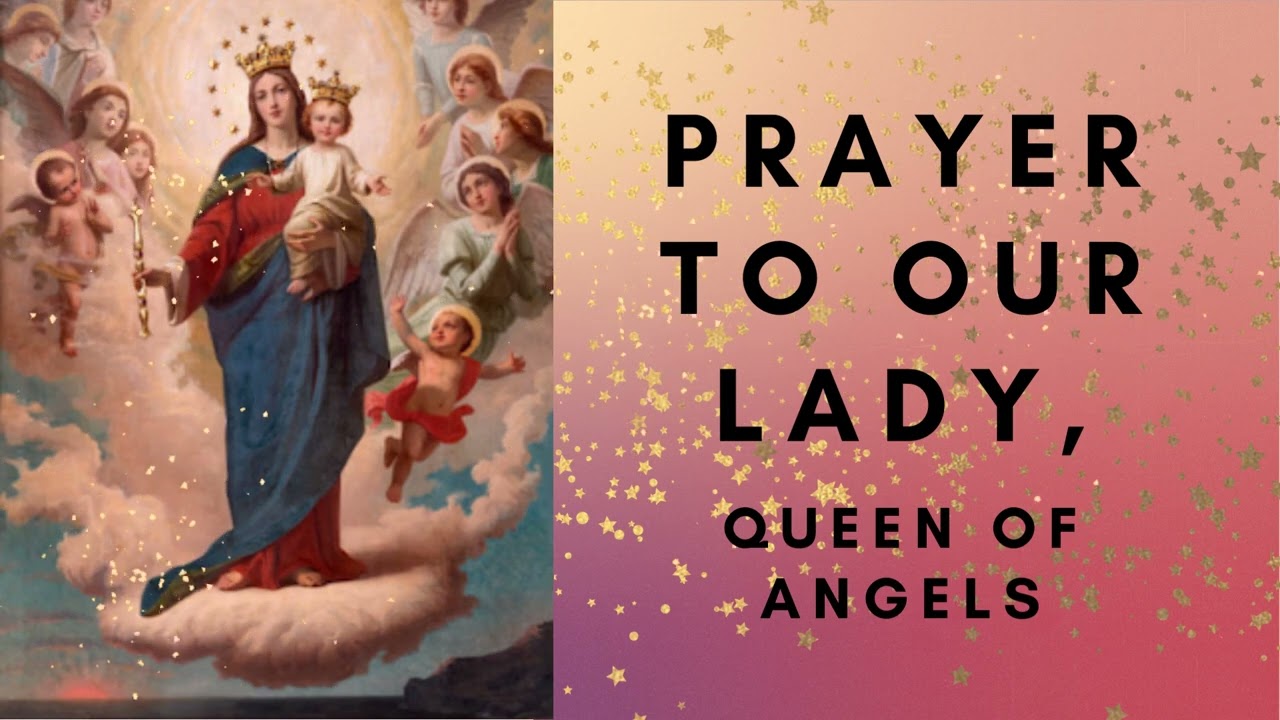
prayer to mary queen of the angels: meaning, history and how to pray
The prayer to mary queen of the angels is a simple yet profound way to ask for the motherly intercession of Mary and the protection of the heavenly hosts. Whether you are seeking peace for your home, courage in a difficult season, or a deeper sense of God’s presence, this devotion gently directs your heart to Christ through his Mother, honoured by Christians for centuries as “Queen of the Angels”. In what follows, you will find clear guidance on what the prayer means, how to pray it, when it helps most, and how to avoid common pitfalls.
Although it is a deeply Catholic devotion, many Christians from other traditions are also drawn to the reverent focus on God’s grace, the companionship of the angels, and Mary’s tender help. Used thoughtfully, the prayer to mary queen of the angels strengthens faith, calms anxiety, and reconnects daily tasks to eternal hope.
What is the prayer to mary queen of the angels?
At its heart, the prayer to mary queen of the angels is a petition that recognises Mary’s unique role in salvation history and her closeness to Christ, asking her to pray for us and to send the angels—God’s messengers and guardians—to assist us. The title “Queen of the Angels” (Latin: Regina Angelorum) appears in the Litany of Loreto, a beloved Marian litany recited by generations of the faithful. By calling Mary “Queen”, believers honour the dignity God has given her as Mother of Jesus, the King of Kings, and ask her to exercise that loving care towards those who seek help.
Importantly, this is not worship. In Christian tradition, adoration is due to God alone. Marian prayer is a request for intercession—asking Mary to pray with and for us—while all grace ultimately comes from God. The prayer to mary queen of the angels therefore fits within a Christ-centred spirituality, recognising the angels as servants of God and Mary as a motherly guide who always points to her Son.


Why people turn to the prayer to mary queen of the angels
People use the prayer to mary queen of the angels in moments of anxiety, spiritual confusion, family tension, or when they sense a need for special protection. Many testify that invoking Mary under this title brings calm, clarity, and consolation. You may find it helpful for:
- Spiritual protection: asking for the assistance of the holy angels in times of temptation or fear.
- Peace at home: inviting a spirit of charity, patience, and gentleness into family life.
- Guidance: seeking a sense of direction or wisdom in decision-making.
- Healing and comfort: praying for the sick or grieving, trusting in God’s tender care.
- Daily renewal: beginning or ending the day focused on God with Mary’s support.
Because the angelic mission is to serve God and help us towards holiness, asking Mary, Queen of the Angels, to send them is a way of drawing on Scripture’s promise that God “commands his angels concerning you to guard you in all your ways.” The prayer to mary queen of the angels expresses that trust with simplicity and reverence.
Origins of devotion behind the prayer to mary queen of the angels
The title “Queen of the Angels” is deeply woven into Catholic devotion. It appears in the Litany of Loreto, a set of invocations praising God’s work in Mary, and echoes biblical imagery of the Queen Mother (1 Kings 2) and the heavenly woman crowned with twelve stars (Revelation 12). Over time, Christians have turned to Mary under many titles that highlight different facets of her maternal help; “Queen of the Angels” underscores her connection with God’s messengers and guardians.
The Franciscan tradition gives this devotion a particular tenderness. In Assisi, the tiny chapel known as the Porziuncola (Little Portion) is housed within the Basilica of Saint Mary of the Angels. For centuries, pilgrims have visited this place to seek mercy, renewal, and protection. When you pray the prayer to mary queen of the angels, you share in a living stream of faith that has offered countless souls courage and peace.
How to pray the prayer to mary queen of the angels
There is no single official formula; rather, there are time-honoured patterns. Use the structure below to pray with confidence and freedom. As you become familiar with it, you may adapt the wording to your own circumstances while keeping the focus on God through Mary and the angels.
- Prepare quietly. Choose a calm place. Take a few slow breaths and invite the Holy Spirit to guide your heart.
- Begin in God’s presence. Make the Sign of the Cross if that is your practice. A short verse of Scripture can be helpful.
- Address Mary with faith. Acknowledge her as “Mary, Queen of the Angels,” and express your trust in her motherly care.
- State your intention. Be specific, honest, and brief. Offer your needs, worries, or gratitude.
- Ask for angelic help. Request the ministry of the angels—light, guidance, protection—in Jesus’ name.
- Conclude with praise. Finish with a simple doxology (Glory be…) or a moment of silent thanksgiving.
Use this framework as a gentle guide whenever you make the prayer to mary queen of the angels, whether for two minutes or twenty.
Short form of the prayer to mary queen of the angels
“Mary, Queen of the Angels, Mother of our Lord, be with me. Ask your Son to grant me the light and strength I need today, and send your holy angels to guide and guard me. Lead me to peace, protect my family, and draw my heart closer to Jesus. Amen.”
Longer devotional prayer to mary queen of the angels
“O Mary, Queen of the Angels and Mother most gentle, I entrust to you this day (or this night) and all my cares. Obtain for me the grace to listen to God’s word and to follow it with courage. Send the holy angels to surround me: to enlighten my mind with truth, to guard my steps from harm, and to strengthen me in every trial. Intercede for me before your Son, that I may live in charity, forgive readily, and hope steadfastly. Keep my home in peace, my work in honesty, and my heart in praise. Through Jesus Christ our Lord. Amen.”
When to use the prayer to mary queen of the angels
- At the start of the day: dedicate your plans and ask for the angels’ protection.
- Before important decisions: pray for light and wisdom.
- In family moments: when tensions rise, pause to pray for peace.
- During travel: entrust your journey to God’s care.
- In times of fear or temptation: ask Mary to send the angels to strengthen your resolve.
- At night: review the day with gratitude, seek mercy where needed, and rest in God’s presence.
If you are going through prolonged difficulty, consider making the prayer to mary queen of the angels part of a simple daily routine—morning and evening for a week or a month—and keep a brief journal of graces received. Patterns of peace often emerge with gentle consistency.
Practical tips to deepen your prayer to mary queen of the angels
- Keep it Christ-centred: let Mary lead you to Jesus. Offer your requests “through Christ our Lord.”
- Combine with Scripture: pair your prayer with a short reading, such as Psalm 91 or the Gospel Magnificat (Luke 1:46–55).
- Invite silence: leave a few moments to notice God’s quiet consolations.
- Include others: regularly commend your family, friends, and those in need to Mary’s care.
- Persevere gently: when distractions come, return calmly to your intention and continue. The prayer to mary queen of the angels is a pathway, not a performance.
Examples of intentions for the prayer to mary queen of the angels
- For protection: “Mary, Queen of the Angels, guard our home and guide our steps today.”
- For clarity: “Mary, Queen of the Angels, ask your Son to show me the next right step.”
- For reconciliation: “Mary, Queen of the Angels, soften our hearts and help us forgive one another.”
- For work: “Mary, Queen of the Angels, bless my efforts with integrity and patience.”
- For the sick: “Mary, Queen of the Angels, comfort N. and bring healing according to God’s will.”
You can personalise any of these intentions, weaving them into your daily prayer to mary queen of the angels so that your devotion remains alive and real.
Common mistakes to avoid
- Treating prayer as a quick fix: prayer is a relationship, not a transaction. Be patient and keep the focus on God’s will.
- Superstitious thinking: the prayer to mary queen of the angels is not a charm. It is a humble request for intercession and protection.
- Neglecting gratitude: remember to thank God for help received, even in small ways.
- Forgetting community: consider asking a friend or parish to join you in prayer during difficult times.
Fitting the devotion into broader Christian prayer
Many find it fruitful to link this devotion with other time-tested practices. The Angelus, said morning, noon and evening, recalls the Incarnation and frames the day in praise. The Rosary provides a Gospel-based meditation that pairs beautifully with angelic protection. Devotions like the Divine Mercy Chaplet prayer draw the heart to trust in God’s mercy while Mary’s intercession steadies and strengthens that trust. In times of sorrow or repentance, reflecting on Mary’s compassion through the devotion to Our Lady of Sorrows can sit naturally alongside the prayer to mary queen of the angels, keeping Christ’s Passion at the centre.
Recommended external resources
- Litany of the Blessed Virgin Mary (Loreto) with “Queen of Angels” – the titles that shape Marian devotion.
- Official Vatican text of the Litany of Loreto – authentic wording and context.
- Basilica of Saint Mary of the Angels and the Porziuncola – the Franciscan heart of “Our Lady of the Angels”.
- Overview of Marian titles – historical background and meanings.
Related articles
Frequently asked questions about prayer to mary queen of the angels
Is the prayer to mary queen of the angels biblical?
The devotion is grounded in Scripture in two ways. First, the practice of asking others to pray for us is thoroughly biblical (e.g., 1 Timothy 2:1). Mary’s unique role flows from the Gospel: she is full of grace (Luke 1:28) and the Mother of Jesus. Secondly, angels appear throughout Scripture as messengers and guardians who serve God and help his people (Psalm 91; Luke 1; Acts 12). The prayer to mary queen of the angels unites these themes, asking Mary to intercede and the angels to assist us in God’s name.
Do I have to use a fixed wording?
No. There is no single official text. You can pray spontaneously or use a short, memorised form. What matters is clarity of intention and trust in God. That said, it can be helpful to keep a tried-and-tested formula to hand when your mind is busy or you are just beginning with the prayer to mary queen of the angels.
How often should I pray it?
As often as it helps you. Many people make the prayer to mary queen of the angels part of their morning or evening routine. Others use it at certain moments—before a difficult conversation, during travel, or at night when anxious thoughts return. Regular, modest practice is better than rare, lengthy sessions.
Is this prayer only for Catholics?
While this devotion arises from Catholic tradition, Christians of various backgrounds may find it meaningful. If you are not accustomed to addressing Mary, you could shape the intention differently—for example: “Lord Jesus, through the prayers of Mary, Queen of the Angels, send your holy angels to guide me.” The key is to keep the prayer Christ-centred and faithful to Scripture.
Can I combine this devotion with other prayers?
Yes. It pairs well with the Rosary, the Angelus, or a brief Scripture reading. Many also combine it with the Divine Mercy Chaplet, a gentle way to lean on God’s compassion while trusting Mary’s intercession and the angels’ help.
What should I expect when I pray?
Expect God’s presence to work quietly. Some people notice a tangible peace; others find renewed courage or clarity later in the day. The fruit of the prayer to mary queen of the angels is often subtle: a calmer response, a kinder word, a protected journey, a lighter heart.
Conclusion on prayer to mary queen of the angels
Simple, scripturally resonant, and time-honoured, the prayer to mary queen of the angels draws together trust in God, love for Mary, and the companionship of the angels. It is a gentle pathway to deeper faith, especially in seasons when you need protection, guidance, or a fresh sense of peace in your home and heart.
By praying with consistency, keeping Christ at the centre, and allowing Mary to lead you to her Son, you will discover how the prayer to mary queen of the angels can steady your days and illuminate your choices. Whether you use a short formula or a longer devotion, invite the angels’ help, give thanks for graces received, and persevere with hope.
As you weave this practice into your routine—perhaps alongside the Rosary, the Angelus, or Scripture—let the prayer to mary queen of the angels be a quiet anchor. Through her motherly intercession and the ministry of the angels, may you be guided, guarded, and gently led ever closer to the heart of Jesus.
