Prayer to mary of nazareth: a simple, essential step-by-step guide
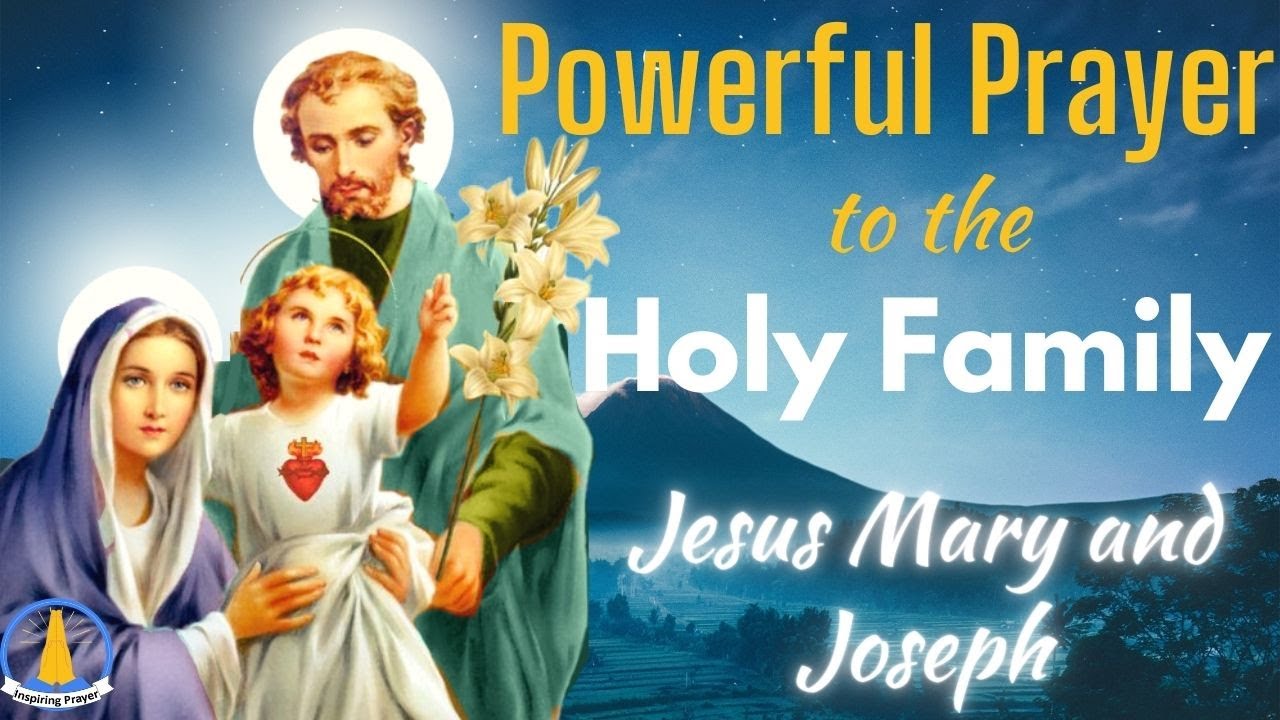
prayer to mary of nazareth
The phrase prayer to mary of nazareth evokes one of the most enduring and gentle expressions of Christian devotion. Rooted in Scripture and lived through centuries of tradition, it is a way of drawing close to the mother of Jesus, asking for her intercession, guidance, and maternal care. Whether you are new to Marian devotion or returning to it after a pause, this guide will help you understand what it is, why it matters, and how to practise it in a thoughtful, meaningful way.
At heart, prayer to Mary of Nazareth is not a substitute for prayer to God; rather, it is a companion to it. Christians appeal to the Blessed Virgin Mary as a faithful disciple who points always towards her Son. In this article, we explore the foundations, the forms, the practical steps, and the common mistakes, so that prayer to mary of nazareth can become a calm and steady part of everyday life.
Understanding prayer to mary of nazareth
To understand prayer to mary of nazareth, it helps to begin with the Christian belief that those who have gone before us in faith remain alive in Christ and can pray for us. When we speak to Mary, we are not assigning her the role of a deity; we are asking a beloved friend and mother figure to pray with and for us. This is why Christians commonly call Mary an intercessor. The intention is simple: we petition her to bring our needs to Jesus, trusting her closeness to Him.
Mary’s titles—Mother of God (Theotokos), Our Lady, Blessed Virgin—reflect her unique role in the story of salvation. Devotion to Mary spans centuries and cultures because she embodies trust, humility, and courageous “yes” to God. In that spirit, prayer to mary of nazareth becomes a practice of humility and hope, a way of saying, “Lead me to your Son.”

The biblical roots of prayer to mary of nazareth
Scripture does not present Mary as remote or unreachable, but as a woman of profound faith. The Annunciation and the Visitation (Luke 1) show her openness to God and her readiness to serve. Her words, “Let it be done to me according to your word,” and her Magnificat—her song of praise—reveal a heart tuned to God’s purposes. These passages shape how Christians approach prayer to Mary of Nazareth: we ask her to help us listen, to trust, and to respond with generosity.
Mary appears at pivotal moments: at the birth of Jesus, at the wedding feast of Cana, and at the foot of the Cross. At Cana, she directs the servants, “Do whatever he tells you,” a gentle pattern for prayer to mary of nazareth. We bring our needs, and we accept her steady guidance that ultimately leads to Christ’s will. If you wish to read the biblical context, Luke 1:26–56 (the Annunciation and the Magnificat) is a beautiful starting point; you can find an accessible translation via resources such as Luke 1 in an English translation.
Why people choose prayer to mary of nazareth
People turn to prayer to mary of nazareth for many reasons. Some seek comfort in grief or anxiety. Others ask for help with family concerns, health difficulties, or discernment. Many simply want to deepen their discipleship by spending time with the woman who knew Jesus so closely. Whatever the motive, the aim is not magic or instant solutions; it is to foster trust and to draw near to Christ through the companionship of His mother.
Common intentions include:
- Seeking peace in turbulent times.
- Praying for a loved one who is ill or struggling.
- Asking for strength to forgive or to begin again.
- Guidance in decisions about work, relationships, or vocation.
- Growth in patience, humility, and faith.
When practised steadily, prayer to Mary of Nazareth shapes character. It softens defensiveness, encourages compassion, and nourishes hope.
How to begin practising prayer to mary of nazareth
Starting is simpler than you might think. You do not need elaborate words; sincerity is the essence. Consider this straightforward approach to prayer to mary of nazareth:
A quiet moment and a clear intention
Find a calm space, even for five minutes. Name your intention: “I’m worried about work,” or “I want to love my family better,” or “I’m grateful and want to say thank you.” Clarity steadies the mind and heart.
A simple greeting and request
Address Mary with a brief greeting—perhaps “Mary, Mother of Jesus, be with me now.” Then ask her to pray for your intention. Keep your words honest and plain.
Listening and closing
Pause for a moment of silence. Many report a gentle sense of reassurance when they give themselves a little space to listen. Conclude by entrusting your concern to Jesus through Mary: “Mary of Nazareth, lead me to your Son.” In this small way, prayer to mary of nazareth becomes a daily anchor.
Classic forms of prayer to Mary of Nazareth
Over time, Christians have developed well-loved forms that structure daily prayer. These can enrich prayer to mary of nazareth, especially when you feel unsure how to begin.
The Rosary
The Rosary is a meditative cycle of prayers and reflections on the life of Jesus, viewed through Mary’s eyes. It combines repeated prayers with contemplation of key events (mysteries) such as the Annunciation, Nativity, Crucifixion, and Resurrection. For many, it is the most familiar expression of prayer to mary of nazareth because it blends rhythm, Scripture, and quiet focus.
The Angelus
Traditionally prayed morning, noon, and evening, the Angelus recalls the Annunciation. It is brief and can be fitted into a busy schedule. Regular practice of the Angelus can knit prayer to Mary of Nazareth into the fabric of the day.
The Memorare
The Memorare is a short, heartfelt petition, asking Mary’s prompt aid. Its tone is confident yet humble—ideal for moments of pressure or when you need a “breath prayer” to gather courage.
The Magnificat
Mary’s own song of praise (Luke 1:46–55) can be prayed slowly as a personal act of worship. Many find that praying the Magnificat allows their gratitude to grow, making prayer to mary of nazareth an act of thanksgiving as much as petition.
Novenas and liturgical feasts
Novenas (nine days of focused prayer) and Marian feast days offer seasonal rhythms. They invite you to mark time with purpose. Even one novena a year can deepen the habit of prayer to mary of nazareth.
Crafting your own prayer to Mary of Nazareth
While traditional prayers are fruitful, it is also valuable to speak in your own voice. Here is a simple structure you can adapt:
- Address: “Mary of Nazareth, mother and disciple…”
- Praise: “You welcomed God’s word with courage and joy…”
- Petition: “Please pray with me for…” (name the need clearly).
- Disposition: “Help me to listen, to trust, and to act with love.”
- Christ-centred close: “Lead me to your Son, Jesus.”
Used regularly, this pattern keeps prayer to mary of nazareth honest, hopeful, and anchored in Christ.
Common mistakes in prayer to mary of nazareth (and how to avoid them)
- Confusing intercession with worship: In Christian practice, worship belongs to God alone. When praying to Mary, we ask her to pray with us and for us. Keeping your prayer Christ-centred prevents this confusion.
- Rushing the words: Speed can hollow out meaning. Even 30 seconds of calm breathing before beginning your prayer to mary of nazareth transforms the experience.
- Making it transactional: Prayer is not a bargain. Rather than “If you do this, I’ll do that,” try “Help me accept God’s will and respond with generosity.”
- Neglecting gratitude: Remember to give thanks for small signs of help or strength, not only to ask for favours.
- Assuming you must “feel” something: Many faithful people pray without strong emotions. Perseverance matters more than instant comfort.
Integrating prayer to mary of nazareth into daily life
Small, consistent practices are far more sustainable than ambitious but short-lived resolutions. Consider one or two of the following:
- Set a micro-habit: one decade of the Rosary while commuting, or the Angelus at lunchtime.
- Link prayer to a daily cue: after morning tea, before checking emails, or during a brief walk.
- Keep a simple intention journal: one line per day—what you asked, and any grace received.
- Use visual reminders: a small image or Scripture verse near your desk can prompt prayer to mary of nazareth without pressure.
Over time, these gentle cues foster steadiness. The aim is not quantity but fidelity—a rhythm that helps you live the day with faith.
Ecumenical perspectives on prayer to mary of nazareth
Christians approach Mary in different ways. Catholic and Orthodox traditions prominently include Marian devotion; many Protestants honour Mary biblically while being cautious about forms that could be misunderstood. If you are exploring differences, this overview of Orthodox vs Catholic perspectives can clarify how traditions converge and diverge.
Across communities, a simple common denominator is to appreciate Mary as a model disciple: one who listens, trusts, and acts. In this light, prayer to mary of nazareth can serve as a bridge—an opportunity to learn from her example—even if the style or frequency of prayer differs from one church to another.
Building a balanced devotional life
Healthy devotion is always balanced. It pairs prayer to mary of nazareth with Scripture, worship, and acts of charity. Many people find it fruitful to combine Marian prayer with other practices, such as the Divine Mercy Chaplet prayer, lectio divina (meditative Scripture reading), or a weekly act of service. The goal is integration: allowing prayer to shape how you treat others.
Church teaching has long encouraged a Christ-centred Marian devotion that honours Mary’s role without overshadowing Christ. For a thoughtful presentation of Mary’s place in the life of the Church, see Chapter VIII of Lumen Gentium from the Second Vatican Council: The Church’s teaching on the Blessed Virgin Mary.
A simple step-by-step guide to prayer to mary of nazareth
If you appreciate clear steps, try this five-minute approach once a day for a week:
- Pause and breathe: one minute of quiet breathing.
- Name your intention: “Today I bring to you…”
- Speak your prayer slowly: a Memorare or your own words.
- Reflect with Scripture: a single verse, e.g., “Let it be done to me…”
- Entrust and act: “Mary of Nazareth, lead me to your Son,” then take a small, concrete step—send a message of encouragement, forgive a slight, or focus on one task with care.
Repeating this simple pattern helps establish prayer to mary of nazareth as a gentle daily habit rather than an occasional remedy.
Recommended external resources
- USCCB overview of Marian prayers and devotions – A clear, practical guide to established prayers and feasts.
- Mary, mother of Jesus (encyclopaedic overview) – Background on Mary’s life, titles, and historical devotion.
- Basilica of the Annunciation in Nazareth – Historical context and significance of the place where Mary said “yes.”
- Lumen Gentium, Chapter VIII – Official teaching on Mary’s role in the Church.
Related articles
Frequently asked questions about prayer to mary of nazareth
Is prayer to mary of nazareth the same as worship?
No. In Christian theology, worship (adoration) belongs to God alone. Prayer to mary of nazareth is an intercessory practice: we ask Mary to pray for us, much as we might ask a trusted friend to pray. Keeping Jesus at the centre clarifies the difference.
Do I have to use formal prayers, or can I use my own words?
You can do both. Traditional forms (Rosary, Angelus, Memorare) provide structure when you are tired or distracted. Your own words allow you to speak from the heart. Many people blend the two—beginning with a familiar prayer and then adding a short personal petition.
How often should I practise prayer to mary of nazareth?
Consistency matters more than quantity. Start small: a few minutes daily or the Angelus once a day. If you wish, build up to a decade of the Rosary, then a full Rosary on one or two days a week. A steady rhythm keeps prayer to mary of nazareth sustainable.
What if I do not feel anything when I pray?
Feelings vary and are not the measure of prayer’s value. Faith grows through fidelity. If possible, set a modest routine and keep it for a few weeks. Many people discover that quiet fruits—patience, courage, kindness—appear over time even without strong emotions.
Can prayer to mary of nazareth help with anxiety or grief?
Yes, many people find it consoling. The gentle repetition of prayers like the Rosary can calm the mind and slow anxious breathing. Entrusting a loved one or a fear to Mary can also bring a sense of companionship in sorrow. It is not a replacement for professional support where needed, but it can be a steadying grace.
How do I involve my family in prayer to Mary of Nazareth?
Keep it simple and short. One decade of the Rosary after dinner, or the Angelus before a weekend meal, can be enough. A brief Scripture reading from Luke 1 followed by a shared intention helps children and adults alike engage with prayer to mary of nazareth without pressure.
Where can I learn more about the Church’s teaching on Mary?
A reliable starting point is the Second Vatican Council’s Lumen Gentium, Chapter VIII, which outlines Mary’s role in the life of the Church. See the official text here: The Church’s teaching on the Blessed Virgin Mary.
Conclusion on prayer to mary of nazareth
At its heart, prayer to mary of nazareth is a quiet pathway to Jesus. It is the prayer of companionship: we invite Mary, the humble woman of Nazareth, to walk with us and to intercede for our needs. This devotion is not meant to be dramatic or complicated; it is meant to be faithful. A minute of stillness, a clear intention, a simple request—these are enough.
Whether you favour the Rosary, the Angelus, or your own words, allow prayer to mary of nazareth to shape the day gently. Keep it Christ-centred, honest, and practical. Let it overflow into action: a forgiving word, a patient response, a small service for someone in need. These are signs that prayer is taking root.
If you are beginning, start small. If you are returning, begin again. Over time, prayer to mary of nazareth becomes a steady light—guiding you to listen, to trust, and to follow the One to whom Mary always points: Jesus Christ.
May your practice of prayer to mary of nazareth bring peace to your mind, courage to your heart, and hope that endures.
