Prayer to mary mother of the church: essential guide with 3 key steps
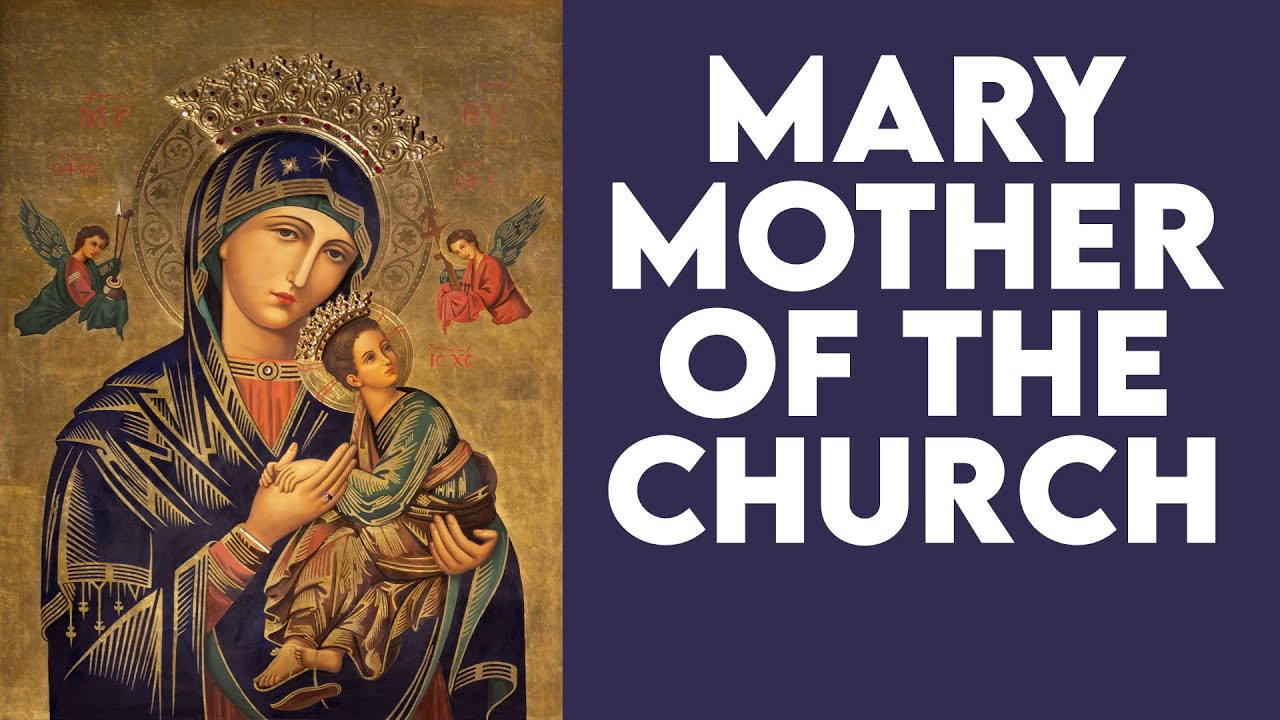
Prayer to mary mother of the church: meaning, history, and how to pray
For many Christians, especially Catholics, prayer to mary mother of the church is a way to ask for maternal guidance, unity, and renewal in our lives and in the whole Christian community. If you are curious about how to pray in this way, where the title “Mother of the Church” comes from, or why the devotion matters today, this friendly, practical guide will walk you through the essentials, from basic theology to simple prayer methods you can use at home or in a parish setting.
At its heart, prayer to mary mother of the church expresses trust in the motherly care of Mary for all believers. It draws on Scripture, the early Church, and modern teaching to see Mary as the spiritual mother given to us at the foot of the Cross, encouraging us to follow Christ more closely and build up the Church through faith, hope, and love.
Because it is an accessible and deeply consoling devotion, prayer to mary mother of the church can be used by individuals, families, and groups. Whether you are just beginning to explore Marian prayer or you already pray the Rosary, you will find clear steps, examples, and common mistakes to avoid below.
What do we mean by prayer to mary mother of the church?
In simple terms, prayer to mary mother of the church means speaking with Mary, the mother of Jesus and our spiritual mother, asking her to intercede for us and for the whole people of God. We do not worship Mary—worship is due to God alone. Instead, we honour her unique role in salvation history and ask for her prayers, much as we would ask a close friend to pray for us, trusting that her intercession is powerful because she is so close to her Son.


When people make prayer to mary mother of the church, they often ask for three things: deeper love for Christ, unity in the community, and strength for mission. This devotion is therefore not only personal, but also deeply ecclesial—focused on the good of the Church and the healing of its members.
Origins and doctrine behind the title “Mother of the Church”
From Scripture to Tradition
The title “Mother of the Church” has roots in Scripture and grew in the Church’s understanding over centuries. In John 19:26–27, Jesus entrusts Mary to the beloved disciple: “Behold, your mother.” The early Church saw in this moment a gift to all believers. In Acts 1:14, Mary prays with the disciples in the Upper Room, present at the birth of the Church at Pentecost. These passages help shape prayer to mary mother of the church as a biblical devotion that connects Mary’s motherhood to the community of believers.
The title also appears in the Church’s teaching. Vatican II taught extensively about Mary’s role in relation to Christ and the Church. For a clear explanation, see Vatican II’s Lumen Gentium, chapter VIII, on the Blessed Virgin Mary. The Council highlights Mary as a model of faith and a figure who cares for the faithful on their journey to holiness.
Official recognition: Mater Ecclesiae
In 1964, Pope Paul VI officially proclaimed Mary “Mother of the Church” (Mater Ecclesiae), recognising what the faithful had long believed. More recently, in 2018, Pope Francis placed a new memorial in the liturgical calendar: the “Blessed Virgin Mary, Mother of the Church,” celebrated on the Monday after Pentecost. You can read the brief Decree on the celebration of the Blessed Virgin Mary, Mother of the Church (2018), which explains the reasons for this memorial and provides the relevant texts for the Mass and Liturgy of the Hours.
For a concise doctrinal overview, the Catechism of the Catholic Church (963–975) describes Mary’s motherhood in the order of grace, her cooperation with Christ, and her continuing maternal care for the Church—key ideas that inform prayer to mary mother of the church.
Why Christians turn to prayer to mary mother of the church
Seeking unity and healing
Many people use prayer to mary mother of the church when the community feels divided or wounded. Mary, who gathered with the disciples in prayer before Pentecost, is seen as a gentle bond of unity. Her intercession is often sought for reconciliation within families, parishes, and the wider Christian world, and for the courage to face challenges such as scandal, conflict, or discouragement.
Growing in holiness and mission
Prayer to mary mother of the church also inspires holiness. Mary was the first disciple, the one who pondered the word of God in her heart and followed Christ faithfully. Turning to her helps us live the Gospel more fully: forgiving others, serving the poor, and sharing the faith with humility and joy. In practice, this devotion can energise Christian mission—catechists, volunteers, and all who serve often ask her guidance for fruitful ministry.
Personal consolation and spiritual clarity
Finally, many find in prayer to mary mother of the church a source of personal comfort. A mother’s love remains steady in times of trouble. Praying in this way can bring clarity in decision-making, strength in illness, and hope during grief, reminding us that the Church is a family with a caring mother who leads us to Jesus.
How to make a personal prayer to mary mother of the church
A simple step-by-step pattern
If you are new to this devotion, try this straightforward approach for your own prayer to mary mother of the church:
- Begin by becoming still. Make the Sign of the Cross and thank God for His presence.
- Address Mary by her title: “Mary, Mother of the Church,” acknowledging her role in God’s plan.
- Praise God for His work in Mary’s life (her yes at the Annunciation, her fidelity at the Cross, her prayer with the disciples).
- State your intention simply: ask for what you and the Church need—unity, holiness, healing, wisdom, or courage.
- Include others: name people, groups, or situations you want to entrust to her care.
- Link your prayer to Scripture: recall a verse (for example, John 19:26–27 or Luke 1:46–55) to anchor your petition.
- Close by entrusting everything to Jesus through Mary, and finish with the Sign of the Cross.
Short examples you can use
Here are a few original, simple texts you can adapt in your daily prayer to mary mother of the church:
- “Mary, Mother of the Church, be near to us. Pray that we may love your Son and one another. Bring unity where there is division, hope where there is weariness, and peace that only Christ can give. Amen.”
- “Mother of the Church, guide our parish. Help our priests and leaders, strengthen our families, and teach us to serve with joy. Lead us to your Son, now and always. Amen.”
- “Mary, gentle mother, look with kindness on the suffering members of the Body of Christ. Intercede for healing, renewal, and faith. Help me to play my part in building up the Church. Amen.”
A longer communal prayer (for families or groups)
You can also pray together using a longer form:
“Mary, Mother of the Church, we gather in faith, as the disciples did with you before Pentecost. You welcomed the word of God and followed Jesus to the Cross; you stand as our mother received from His love. Pray for us, that we may remain faithful to Christ, steadfast in charity, and joyful in hope. Intercede for our parish and for all Christians: for unity among believers, for courage in trials, for compassion toward the poor and the excluded. Teach us to listen to God’s word, to celebrate the Sacraments with reverence, and to witness to the Gospel in our daily lives. Lead us always to your Son, our Lord and Saviour, who lives and reigns for ever and ever. Amen.”
Praying with the Church: liturgy and devotions
Prayer to mary mother of the church is not only personal; it is also woven into the life of the Church. The memorial of the “Blessed Virgin Mary, Mother of the Church” on the Monday after Pentecost highlights Mary’s role in the early Church and her ongoing care for believers. Parishes may include a Marian hymn, a special collect, or intercessions that reflect this theme. If you wish to learn more about the official liturgical texts or history, consult the 2018 Decree establishing the memorial.
Many people also integrate prayer to mary mother of the church into the Rosary or the Angelus. The Rosary’s structure invites us to contemplate Christ with Mary; you might add a brief intention at the start of each decade for the unity and renewal of the Church. If you are exploring other devotions alongside your Marian prayer, you may find the Divine Mercy Chaplet prayer guide a helpful complement, especially when praying for God’s mercy on the whole world.
Because Mary’s motherhood is compassionate, some also reflect on her sorrows to deepen empathy for those who suffer. For background on this spiritual approach, see this brief overview of Our Lady of Sorrows, which can enrich your understanding of Mary’s maternal heart and strengthen your prayer for the Church’s hurting members.
Scripture to accompany prayer to mary mother of the church
Linking your prayer to Scripture keeps it rooted in God’s word. Consider these passages as companions to prayer to mary mother of the church:
- John 19:25–27 – Jesus entrusts Mary to the beloved disciple, a sign of her motherhood for all believers.
- Acts 1:12–14 – Mary prays with the disciples before Pentecost, present at the Church’s birth.
- Luke 1:26–38 – The Annunciation: Mary’s “yes” to God’s plan.
- Luke 1:46–55 – The Magnificat: Mary praises God’s mercy and justice.
- Revelation 12 – A symbolic image of the woman and the child, often read in light of Mary and the Church.
- Zephaniah 3:17 – God rejoices over His people; a reminder of divine tenderness that Marian prayer reflects.
As you reflect on these passages, let one verse shape your intention. For example, after reading Acts 1:14, you might say: “Mary, Mother of the Church, help us to persevere in prayer until our community is renewed by the Holy Spirit.” In this way, prayer to mary mother of the church becomes a living dialogue with God, inspired by Scripture.
Common mistakes to avoid when making prayer to mary mother of the church
- Confusing veneration with worship: We honour Mary; we worship God alone. Prayer to mary mother of the church always leads to Jesus.
- Neglecting Scripture and the Sacraments: Marian prayer should not replace the Bible or the Eucharist. It supports a fuller Christian life.
- Expecting instant fixes: Prayer is not magic. Ask with trust, but also commit to practical steps—reconciliation, service, and perseverance.
- Forgetting the wider Church: Because this devotion is ecclesial, include intentions for your parish, leaders, families, and those in need.
- Overcomplicating the wording: Prayer to mary mother of the church can be very simple. Speak from the heart, and keep your focus on Christ.
Practical tips for daily and weekly practice
- Choose a moment: Add a short prayer to mary mother of the church to your morning or evening routine.
- Connect to Sunday Mass: Before Mass, entrust your parish to Mary’s care; after Mass, give thanks with a brief Marian prayer.
- Use reminders: A small image of Mary, Mother of the Church, or a note on your phone can prompt a quick intercession for unity.
- Pray with others: Try a weekly group prayer—five minutes before a meeting or after a Bible study—so that prayer to mary mother of the church becomes a shared habit.
- Link to action: Let your prayer move you to practical charity—visiting someone lonely, supporting parish ministries, or volunteering locally.
Recommended external resources
- Lumen Gentium, chapter VIII: official Vatican II teaching on Mary
- 2018 Decree instituting the Memorial of Mary, Mother of the Church
- Catechism of the Catholic Church 963–975: Mary’s motherhood in the order of grace
- Background overview of “Mary, Mother of the Church”
Frequently asked questions about prayer to mary mother of the church
Is prayer to mary mother of the church the same as the Rosary?
Not exactly. The Rosary is a specific Marian devotion with a set structure and mysteries. Prayer to mary mother of the church is a broader approach that can include the Rosary but also simple, spontaneous prayers, parish intercessions, or special intentions for the Church’s unity and mission.
Do Catholics worship Mary when they pray to her?
No. Catholics honour Mary and ask for her intercession; they worship God alone. The aim of prayer to mary mother of
