Prayer to Mary Mother of Sorrows: Essential, Practical 7-Step Guide
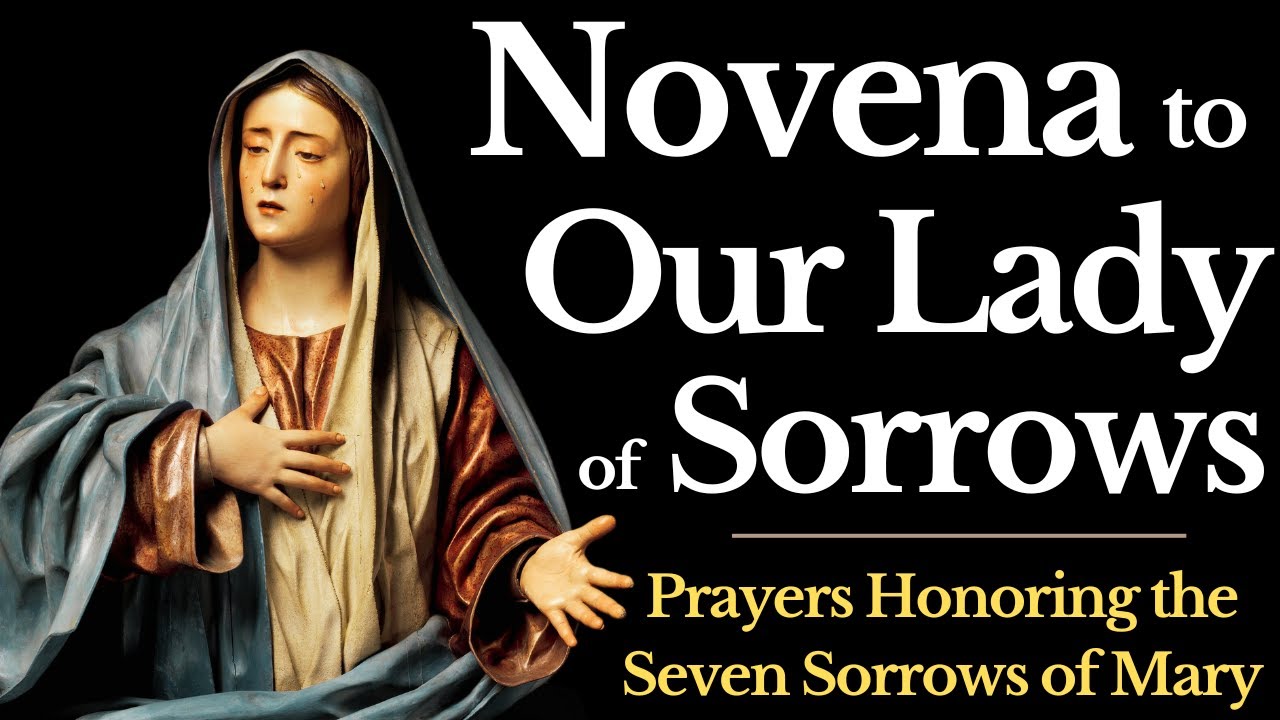
prayer to mary mother of sorrows
A prayer to Mary Mother of Sorrows is a heartfelt way to bring your grief, worries and hardships before the compassionate heart of the Virgin Mary, who shared in Jesus’ suffering. Whether you are navigating personal loss, anxiety, family challenges or a time of transition, the prayer to mary mother of sorrows helps you find comfort, strength and hope in faith. This devotion, rooted in Scripture and centuries of Christian practice, gently teaches us how to face pain with courage and love.
In this guide, you will learn what the devotion means, why it matters, and practical ways to begin or deepen your own prayer to mary mother of sorrows. You will also find simple step-by-step approaches, short sample prayers, common mistakes to avoid, and trustworthy resources for further reading.
What is prayer to mary mother of sorrows?
At its heart, a prayer to mary mother of sorrows is a personal conversation with Mary under the title “Our Lady of Sorrows” or “Mater Dolorosa”. It honours her seven great sorrows, or dolours, linked to the life, passion and death of Jesus. By meditating on these moments of piercing grief, we draw close to Mary’s maternal compassion and learn how to unite our own wounds to Christ.
People turn to the prayer to mary mother of sorrows when seeking consolation, perseverance, forgiveness, healing, or the grace to accept what cannot be changed. It is not about dwelling morbidly on pain, but about discovering—through Mary’s example—how love transforms suffering and how faith can steady the heart in difficult times.


Origins and meaning in Christian tradition
The title “Mother of Sorrows” has deep biblical and liturgical roots. The Gospels show Mary at key moments of Jesus’ life, including at the foot of the Cross (John 19:25–27). Early Christians pondered her sorrow and steadfastness, and by the Middle Ages the devotion to the Seven Sorrows had blossomed, accompanied by prayers, hymns such as the “Stabat Mater”, and artistic depictions like the Pietà.
Over time, the Church encouraged the faithful to pray in this way, especially on the Feast of Our Lady of Sorrows (15 September). Today, whether you are Catholic, Orthodox, or simply drawn to Marian spirituality, the prayer to mary mother of sorrows invites you to contemplate how love endures even amid grief, and how God’s mercy works through brokenness to bring new life.
When and why to pray the prayer to mary mother of sorrows
Because suffering is part of every human story, this devotion remains relevant at any age or stage. Many people pray the prayer to mary mother of sorrows:
- During personal loss: bereavement, miscarriage, or the end of a relationship.
- Amid illness—your own or a loved one’s—when you need courage and calm.
- For reconciliation: when families are strained or forgiveness is hard.
- In anxiety or uncertainty about work, finances or the future.
- During Lent and Holy Week, and on the Feast of Our Lady of Sorrows.
- To grow in compassion, learning to accompany others who suffer.
Some people pray daily, others weekly, and many simply turn to this devotion in a crisis. What matters most is sincerity. Even a brief prayer to mary mother of sorrows—spoken in your own words—can open a door to peace.
How to pray the prayer to mary mother of sorrows
There is no single “right” way. The simplest method is to address Mary directly, share your heart, and ask for her intercession. If you prefer structure, try the steps below to shape your prayer to mary mother of sorrows into a calm, thoughtful practice.
- Find a quiet space. Sit comfortably, slow your breathing and ask God to be with you.
- Begin with an invocation, for example: “Mary, Mother of Sorrows, be with me now.”
- Reflect on one sorrow (see the Seven Sorrows below), linking it with your own situation.
- Speak your intention plainly: what you fear, hope for, or cannot understand.
- Ask for specific graces: patience, acceptance, healing, forgiveness, or wisdom.
- Commit to compassion: name one practical way you will show mercy today.
- Close with gratitude: thank Mary for her maternal care and God for His faithfulness.
The Seven Sorrows: a guided pattern
The Seven Sorrows (or Seven Dolours) are a traditional framework many people use within a prayer to mary mother of sorrows. You can pray one sorrow per day, all seven in one sitting, or focus on the one that resonates most right now.
- Prophecy of Simeon (Luke 2:34–35): Mary hears that a sword will pierce her soul. Pray for strength when news unsettles your future.
- Flight into Egypt (Matthew 2:13–15): The Holy Family flee danger. Pray for refugees and for safety during upheaval.
- Loss of Jesus in the Temple (Luke 2:41–50): Mary and Joseph search anxiously. Pray for those who feel lost, isolated or confused.
- Mary meets Jesus on the way to Calvary: A mother’s aching presence. Pray for courage to stand by others in pain.
- Crucifixion and Death of Jesus (John 19:25–30): Mary remains at the Cross. Pray for the dying and for those who mourn.
- Jesus is taken down from the Cross (the Pietà): Mary holds her Son. Pray for tenderness in grief and dignity in loss.
- Jesus is laid in the tomb (John 19:38–42): Silence of Saturday. Pray for trust when answers are hidden and hope feels faint.
Many pray a Hail Mary after each sorrow, but you may instead offer a short petition in your own words. What matters is your honest, humble heart before God.
Sample texts for a prayer to mary mother of sorrows
If words do not come easily, these examples may help you begin. Feel free to adapt them to your circumstances. Over time, your own voice will become the most authentic prayer to mary mother of sorrows.
A morning entrustment
Mary, Mother of Sorrows, I offer you this day. Hold my worries, heal my wounds, and guide my steps. Teach me how to love as you loved at the foot of the Cross—steadfast, gentle and brave. With you, I turn my heart to Jesus, trusting His mercy in every uncertainty. Amen.
In times of grief
Mary, Mother of Sorrows, you know the ache of loss. Sit with me in this emptiness. Pray that my sorrow becomes compassion, my questions become trust, and my memories become gratitude. Help me to hope in the promise that love is stronger than death. Amen.
For courage and patience
Mother of Sorrows, be near when I feel afraid or overwhelmed. Ask your Son to steady my thoughts, calm my heart and strengthen my will to do the next good thing. Help me to bear today’s cross with kindness. Amen.
Basic principles that shape a meaningful devotion
Behind every prayer to mary mother of sorrows are a few simple, enduring principles:
- Honesty: Pray as you are, not as you think you ought to be. Say what is real.
- Consistency: Small and steady beats grand and irregular. Five focused minutes daily can transform your outlook.
- Compassion: Let prayer soften you towards others. Suffering can make us patient and attentive.
- Hope: The Cross is never the last word. God is at work, often quietly, in hidden ways.
Common mistakes in prayer to mary mother of sorrows (and how to avoid them)
It is easy to lose heart if prayer feels dry or routine. Here are frequent obstacles and gentle remedies to keep your prayer to mary mother of sorrows fruitful:
- Rushing: If your mind races, slow down. Take three deep breaths before you begin.
- Perfectionism: You do not need perfect words. A sincere sentence is enough.
- Self-criticism: God’s mercy is greater than your failings. Start again without self-reproach.
- Isolation: Share intentions with a trusted friend or spiritual companion when it helps.
- Forgetting Scripture: Read a short Gospel passage to anchor your meditation.
- Staying only in sorrow: Always include thanksgiving. Gratitude keeps balance and hope alive.
Bringing the devotion into daily life
The beauty of the prayer to mary mother of sorrows is its simplicity. You can weave it into ordinary routines:
- Set a phone reminder at midday for a brief petition, such as “Mary, be with those who suffer today.”
- Keep a small image of Our Lady of Sorrows near your workspace to prompt a moment of calm.
- Offer a specific act of kindness each time you finish your prayer—send a message, make a call, or lend a hand.
- Mark 15 September (Feast of Our Lady of Sorrows) with a short family prayer or a candle for loved ones who have died.
In this way, your prayer to mary mother of sorrows will slowly shape not just your words but your habits, choices and relationships.
Recommended external resources
- Overview of Our Lady of Sorrows and the Seven Sorrows devotion for historical context and key themes.
- Practical guide to the Chaplet of the Seven Sorrows including the structure and prayers used by many faithful.
- Feast of Our Lady of Sorrows on 15 September for a brief reflection on the significance of the day.
- Catholic Encyclopaedia entry on the Mater Dolorosa for theological background and historical development.
Related articles
Frequently asked questions about prayer to mary mother of sorrows
Is the prayer to Mary Mother of Sorrows only for Catholics?
No. While this devotion is strongly rooted in Catholic tradition, Christians of many backgrounds find comfort in reflecting on Mary’s faithfulness and compassion. If you honour the biblical Mary and wish to learn from her example, you can adapt the prayer in a way that fits your own Christian practice.
Do I have to pray all Seven Sorrows every time?
Not at all. Some days you may pray one sorrow slowly; other days, you may work through all seven. The essential point is to pray with attention and trust. Let the rhythm serve you, not burden you.
What if I do not feel anything when I pray?
Feelings come and go. A steady prayer to mary mother of sorrows can bear fruit over time even when emotions are quiet. Focus on showing up with sincerity. Many people notice subtle changes—greater patience, gentleness, and courage—after weeks or months.
Is there a best time of day for this prayer?
Choose a time you can keep consistently, whether morning or evening. Some prefer Fridays, recalling the Passion, or the Feast of Our Lady of Sorrows. If life is hectic, a short pause at midday can be very effective.
Can I combine this devotion with other prayers?
Yes. The prayer to mary mother of sorrows pairs well with Scripture reading, the Rosary, or a simple examination of conscience. If you already pray the Divine Mercy Chaplet, you may add a brief reflection on one of the Sorrows before or after it.
How do I pray with children or as a family?
Use short, simple language and focus on one sorrow at a time. You might light a candle, read a single verse, and invite each person to say one sentence of prayer. Keeping it brief helps children engage without feeling overwhelmed.
What should I do if sorrow feels too heavy?
It is important to care for your mental health. If your grief or anxiety is overwhelming, speak to a trusted person or a professional. Prayer and practical support complement one another; the compassion at the core of this devotion encourages seeking help when needed.
Conclusion on prayer to mary mother of sorrows
To pray is to open your heart to the One who knows you and loves you, and the prayer to mary mother of sorrows offers a gentle path to do just that when life hurts. By contemplating Mary’s seven sorrows, we learn how to face our own trials with courage, tenderness and hope. Step by step, this devotion forms us in compassion—towards ourselves and towards others.
You do not need perfect words or a complicated routine. A simple, honest prayer to mary mother of sorrows—offered at your kitchen table, on the bus, or during a quiet walk—can become a steady anchor. Over time, you will notice small but real changes: more patience in waiting, more kindness in speaking, and more confidence that God is at work in silence.
Whether you use the Seven Sorrows pattern, a short daily entrustment, or a moment of spontaneous prayer in the midst of a difficult day, keep going. The prayer to mary mother of sorrows does not remove every burden, but it teaches a way to carry them—with faith, with love, and never alone.
