Prayer to mary mother of perpetual help: complete, practical guide
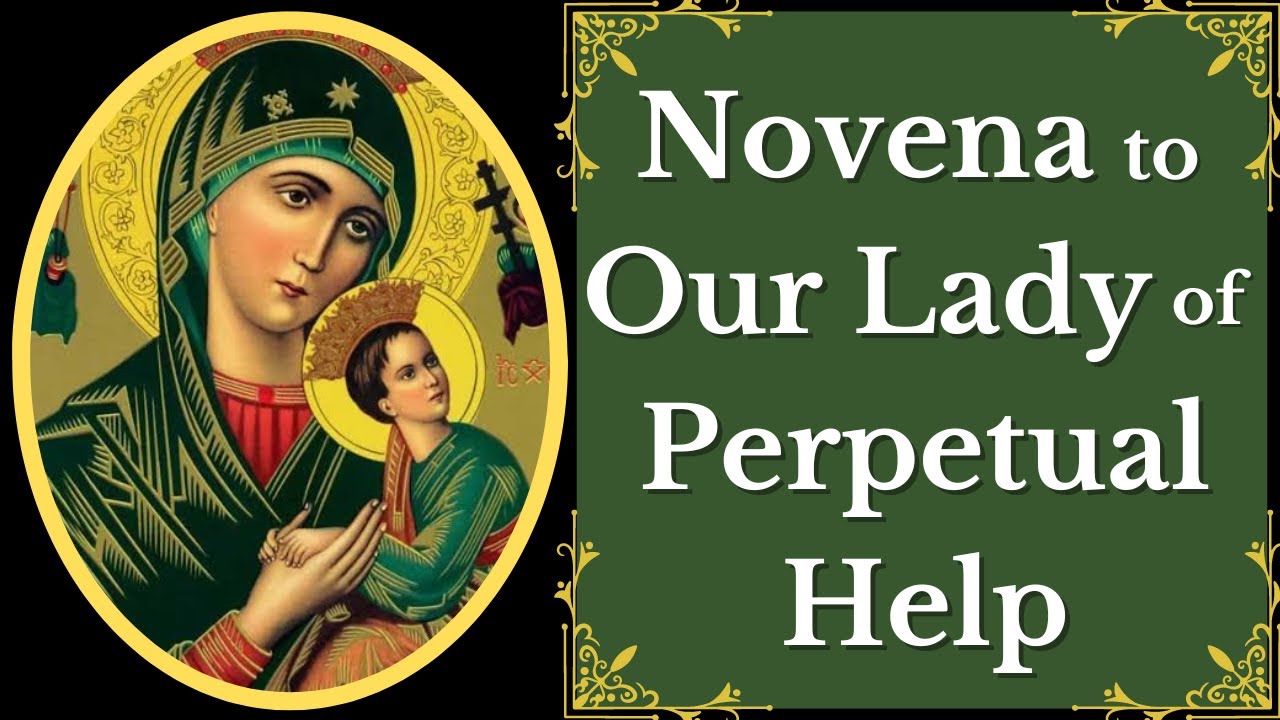
Prayer to Mary Mother of Perpetual Help
The prayer to mary mother of perpetual help is a cherished devotion in the Christian tradition, especially among Catholics, who seek Mary’s intercession in moments of need. Centred on trust, perseverance, and hope, it invites believers to turn to the Mother of Jesus with confidence, asking her to bring their petitions before God. Whether you are facing uncertainty, illness, family concerns, or a desire for deeper faith, the prayer to mary mother of perpetual help offers a simple and steady pathway to pray with the Church across time and place.
This devotion springs from an ancient icon of Our Lady of Perpetual Help, where Mary is depicted tenderly holding the Child Jesus. More than a beautiful image, it is a visual catechism that teaches about divine mercy and maternal care. By praying the prayer to mary mother of perpetual help, people find reassurance that they are not alone, and that God’s grace is real, practical, and present in daily life.
In this guide, you will learn what the prayer means, how to pray it, the story behind the icon, and practical tips for integrating the prayer to mary mother of perpetual help into your everyday routine. You will also find common questions answered clearly, with helpful resources at the end for further reading.
What is the prayer to mary mother of perpetual help?
At its heart, the prayer to mary mother of perpetual help is an act of trust: we ask Mary, as Mother of Jesus and our spiritual mother, to intercede for us without ceasing. “Perpetual help” refers to her unfailing assistance in bringing us to Christ and obtaining the graces we need to live the Gospel. This is not worship of Mary; rather, it is veneration and a request for her prayers—similar to asking a close friend to pray for you, but acknowledging that Mary’s closeness to Christ gives a unique power to her intercession.


Many people associate this devotion with the Redemptorist order, entrusted in the 19th century with spreading the icon of Our Lady of Perpetual Help. Weekly novenas, public services, and private prayers have made the prayer to mary mother of perpetual help one of the most recognisable Marian devotions worldwide. For a thorough overview of the title and history, see the Wikipedia overview of Our Lady of Perpetual Help.
The story behind Our Lady of Perpetual Help
The icon and its symbols
The icon presents Mary in a deep blue mantle, holding Jesus who looks towards instruments of His Passion—a cross and nails—carried by angels. Mary’s eyes face the viewer, conveying her attentive compassion. The star on her veil points to her role as a guiding light, and the golden background signifies heaven’s presence. Gently, Mary supports Jesus, reminding us that she supports us too—especially when we feel fragile or anxious.
How the devotion spread
The icon’s journey—from its early origins to its home with the Redemptorists—helped it find a place in the heart of ordinary believers. As missionaries shared the image, parishes began to host weekly novena prayers and services of thanksgiving. Today, the National Shrine in Baclaran, Philippines, welcomes thousands for novena services; you can explore its life of prayer at the National Shrine of Our Mother of Perpetual Help (Baclaran). The devotional life around the icon highlights how the prayer to mary mother of perpetual help has become a living tradition that meets people in the realities of work, family, and community.
Why Catholics turn to the prayer to mary mother of perpetual help
People usually turn to this prayer when they need courage, comfort, or clarity. The prayer to mary mother of perpetual help is especially popular in times of illness, financial uncertainty, family difficulties, or spiritual dryness. Because it is simple and adaptable, it can be prayed privately at home, with a small group, or publicly in church.
Importantly, this devotion emphasises that Mary always leads us to Christ. Far from replacing a relationship with Jesus, the prayer to mary mother of perpetual help strengthens it: Mary teaches us to listen, to trust, and to keep saying “yes” to God in our own circumstances. The Second Vatican Council’s teaching on Mary’s place in the Church is helpful background here; see Chapter VIII of Lumen Gentium on the Blessed Virgin Mary in the mystery of Christ and the Church.
How to pray the prayer to mary mother of perpetual help
There is no single “correct” way, but a few simple steps can help you pray with focus and peace. You can use the traditional novena form or a shorter daily prayer. The key is consistency and a trusting heart.
- Prepare a quiet space. If you have an image or icon of Our Lady of Perpetual Help, place it somewhere visible, perhaps with a candle.
- Begin with a moment of silence. Offer your intentions clearly—name the people and situations for which you are praying.
- Make the Sign of the Cross. You may also pray the Our Father, Hail Mary, and Glory Be to anchor your time.
- Pray the text (or a paraphrase) of the prayer to mary mother of perpetual help. Read slowly, pausing to let phrases sink in.
- Listen. After speaking your prayer, be silent for a minute or two. Allow God to speak in the quiet.
- Conclude with gratitude. Thank God for His help and Mary for her intercession. Resolve a small action that flows from your prayer.
Traditional novena structure
A novena is a nine-day pattern of prayer. The novena to Our Mother of Perpetual Help varies slightly by parish, but a common framework includes:
- Opening hymn or antiphon and the Sign of the Cross
- Scripture reading
- Litany or invocations to Our Lady
- Reading of petitions and thanksgivings
- The prayer to mary mother of perpetual help
- Concluding collect and blessing
Many communities hold weekly novena services. If you are new, attending one can be a helpful way to learn the rhythm of the devotion and let the words shape your personal prayer.
A simple daily prayer to Mary, Mother of Perpetual Help
You can pray this brief text on its own, or as part of a longer novena. Feel free to adapt it to your circumstances.
“Mother of Perpetual Help, gentle and strong, I come to you today with trust. You know my needs and the needs of those I love. Please present my petitions to your Son, Jesus, and obtain for me the grace to do God’s will with courage and peace. In every difficulty, remind me that I am not alone. Help me to love God and neighbour more each day, to persevere in hope, and to rejoice in God’s mercy. Amen.”
If you prefer to use a fuller form of the prayer to mary mother of perpetual help, look for the version used in your local parish or shrine; while wording may vary, the key themes of trust, intercession, and daily conversion remain the same.
Tips, common mistakes, and practical suggestions
- Pray with intention, not superstition. The prayer to mary mother of perpetual help is not a transaction or a “guarantee” of a specific outcome. It is a faithful request for God’s grace through Mary’s intercession.
- Be consistent. Short, regular prayer (even five minutes daily) often transforms us more than occasional long sessions.
- Use an icon or image. Sacred art engages the heart and senses, helping concentration. Do not worry if you do not have the “official” icon; a simple image can focus your attention.
- Add Scripture. One verse or a short passage before the prayer can deepen reflection.
- Keep a journal of petitions and thanksgivings. Over time, you may see answers and subtle changes in your perspective.
- Avoid comparison. Your prayer does not need to sound like anyone else’s. Speak to God as you are.
- Remember the sacraments. The prayer to mary mother of perpetual help is strongest when paired with the Eucharist, Confession, and acts of charity.
Using Scripture with your devotion
Marian prayer thrives on the Word of God. Try these ideas:
- Pray the Magnificat (Luke 1:46–55) slowly, then move into your petitions.
- Reflect on Jesus’ words from the Cross (John 19:25–27), where He entrusts Mary to the beloved disciple—an image of the Church and each of us receiving Mary as our mother.
- Choose a weekly theme—trust, hope, mercy—and find one verse that speaks to it.
Over time, many find that adding Scripture before the prayer to mary mother of perpetual help anchors their intentions in God’s promises and keeps their focus on Christ.
When and where to pray
The flexibility of the prayer to mary mother of perpetual help is one reason for its universal appeal. You can pray in a quiet corner at home, during a lunchtime break, before a hospital visit, or while travelling. Some prefer morning prayer to orient the day; others choose evening, as a peaceful review. If a parish offers a weekly novena, joining even once a month can be a helpful boost.
Special times when this devotion is fitting include the start of a new school or work term, during family transitions, before medical appointments, and whenever anxiety rises. If you struggle to find time, attach the prayer to an existing routine—after brushing your teeth, before checking emails, or at your commute’s first stop.
For families and parishes
Families who pray together often find that the prayer to mary mother of perpetual help becomes a simple way to name worries and hopes together. Keep it short for children, and invite them to add one intention in their own words. Consider a weekly time—perhaps Sunday evening—with a candle and a brief hymn or recorded chant.
Parishes can strengthen community by offering a weekly novena, placing an image of Our Lady of Perpetual Help near a book of petitions, and inviting testimonies of answered prayers. Hospitality matters: clear service guides, gentle pacing, and welcoming explanations encourage newcomers. When parishes cultivate a prayerful environment, the prayer to mary mother of perpetual help becomes a bridge for people returning to faith after a time away.
Complementary devotions and personal growth
Many people find that the prayer to mary mother of perpetual help naturally harmonises with other trusted devotions that nourish mercy and trust. For example, praying the Chaplet of Divine Mercy can deepen your sense of God’s compassion while you place your petitions in Mary’s care; if you are curious, read a concise guide to the Divine Mercy Chaplet prayer. Likewise, reflecting on Mary’s journey through suffering—under the title “Our Lady of Sorrows”—can strengthen perseverance; see these reflections on the sorrows of Mary and consider how they resonate with your own life.
Used well, these devotions do not distract from Christ; they anchor you more firmly in Him. The prayer to mary mother of perpetual help helps you trust; Divine Mercy helps you receive forgiveness; Our Lady of Sorrows helps you stand firm under the Cross. Together, they nurture a balanced spiritual life.
Recommended external resources
- Historical background and symbolism of Our Lady of Perpetual Help—a detailed overview of the icon, its history, and devotional spread.
- National Shrine of Our Mother of Perpetual Help (Baclaran)—information on novena schedules, community outreach, and testimonies.
- USCCB resources on Marian devotions—guidance on the role of Mary in Catholic prayer and practice.
- Lumen Gentium, Chapter VIII: The Blessed Virgin Mary—official teaching on Mary’s maternal intercession and place in the Church.
