Prayer to Mary Memorare: essential guide with 5 simple steps
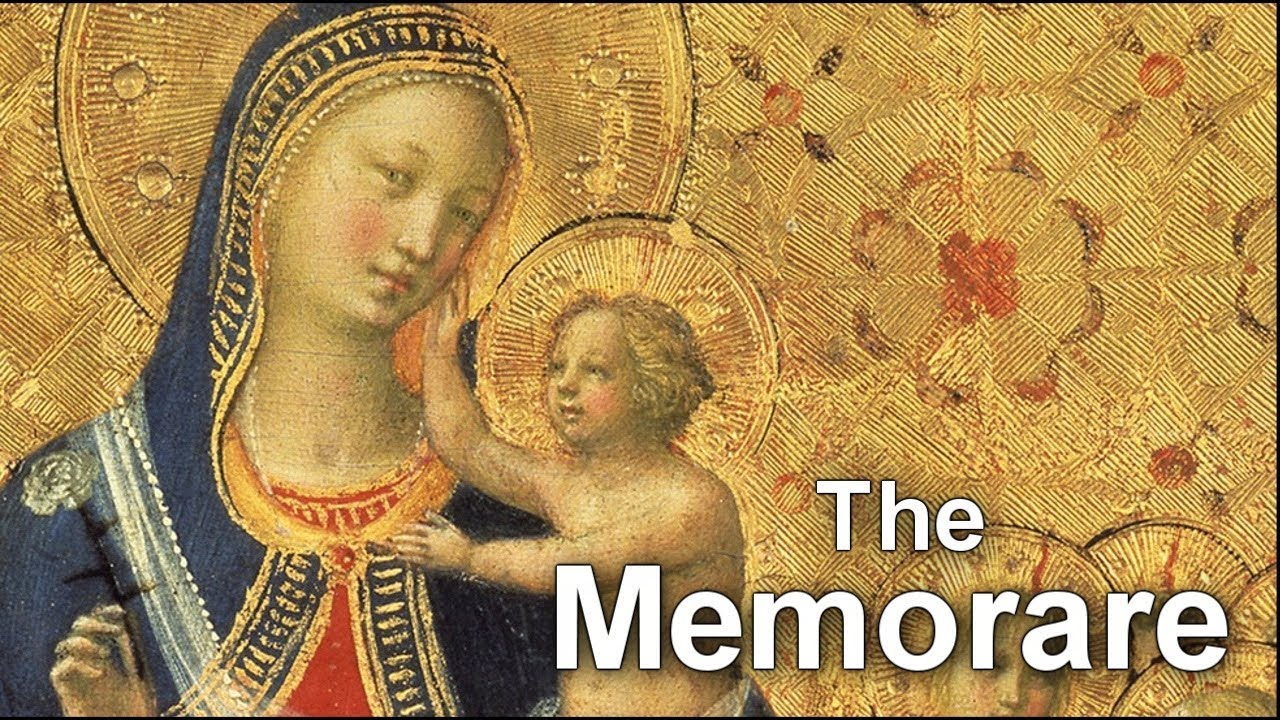
Prayer to mary memorare: meaning, history, and how to pray it with confidence
The prayer to mary memorare is one of the most beloved and widely recited Marian prayers in the Christian tradition. Short, tender, and direct, it invites believers to approach the mother of Jesus with bold trust, especially in moments of trial. In this guide, you will learn what the prayer to mary memorare is, where it comes from, what it means, and how you can use it thoughtfully in your daily life.
Whether you are new to Marian devotion or returning to it after a long time, this article offers a clear explanation, a step-by-step way to pray, and practical examples. We will also explore common misunderstandings, variations of the prayer, and suggestions for integrating the Memorare into family and community settings.
What is the prayer to mary memorare?
The prayer to mary memorare is a brief petition to the Blessed Virgin Mary, asking for her compassionate intercession. The word “Memorare” is Latin for “Remember”, reflecting the opening of the prayer: “Remember, O most gracious Virgin Mary…”. At its heart, the Memorare is an act of confidence that Mary hears those who turn to her and brings their needs before her Son, Jesus Christ.
Christians pray the Memorare at times of urgency, sorrow, discernment, or gratitude. Many use it as a daily devotion, while others reserve it for moments of crisis or as part of a novena. The prayer to mary memorare is loved because it is simple and relies on a powerful theme: that no one who sincerely seeks Mary’s help is left unaided.


A short history of the Memorare
The exact origins of the Memorare are older than many realise. Although popularly associated with St Bernard of Clairvaux (12th century), scholars generally hold that the text in its familiar form emerged later, likely in the 15th century, and was promoted widely in the 17th century by the French priest Fr Claude Bernard. His witness that countless people received help through the Memorare encouraged its spread across Europe and, eventually, the world.
This historical development matters because it shows the Memorare as a living tradition—prayed by generations, adapted into different languages, and cherished in both private and communal settings. The prayer to mary memorare, therefore, is not an isolated formula but part of the Church’s broader habit of turning to Mary as a caring mother and faithful disciple.
The text of the Memorare (traditional English)
Here is the traditional form most widely used in English-speaking communities:
“Remember, O most gracious Virgin Mary, that never was it known that anyone who fled to thy protection, implored thy help, or sought thine intercession, was left unaided. Inspired with this confidence, I fly unto thee, O Virgin of virgins, my Mother; to thee do I come, before thee I stand, sinful and sorrowful. O Mother of the Word Incarnate, despise not my petitions, but in thy mercy hear and answer me. Amen.”
Some contemporary versions update “thy” and “thee” into modern English, but the meaning remains unchanged. Regardless of wording, the prayer to mary memorare carries the same spirit of trust and filial love.
Why the prayer to mary memorare matters
There are several reasons why the Memorare continues to resonate:
- It is grounded in trust: The prayer begins with confidence in Mary’s compassionate care.
- It is Christ-centred: Mary is invoked as “Mother of the Word Incarnate”, keeping Jesus at the centre.
- It is concise yet profound: In a few lines, it expresses humility, reliance, and hope.
- It is pastorally accessible: The language and structure make it easy to memorise and recite, alone or with others.
In practice, the prayer to mary memorare invites believers to approach God with childlike trust, recognising Mary’s unique role without confusing her with God. It teaches us to ask, to persist, and to hope.
How to pray the prayer to mary memorare
Anyone can pray the prayer to mary memorare—at home, in church, on a commute, or during a walk. You can pray it quietly or aloud, alone or with a group. While there is no single “correct” method, the following steps help many people to pray attentively and sincerely.
Step-by-step guide
- Settle briefly: Take a moment to become still. Breathe slowly and turn your mind towards God.
- Name your intention: If you have a specific need (for yourself or others), hold it clearly in your heart.
- Address Mary with confidence: Begin the Memorare (see the text above). Let the words guide your trust.
- Pause at key lines: Especially at “never was it known…”, allow your confidence to deepen.
- Offer your petition: After the Amen, express in your own words what you ask through Mary’s intercession.
- Close in gratitude: Thank God for hearing you, and ask for the grace to accept his will.
When to use it
- In moments of crisis or anxiety, when you need consolation and courage.
- Before making a decision, for discernment and wisdom.
- During a novena or a specific season (e.g., Advent or May, the month of Mary).
- As part of night prayer, entrusting the day’s concerns to God through Mary.
Some people pray the prayer to mary memorare once a day; others repeat it several times in a row for urgent intentions. A common practice is a “Memorare chaplet” of nine Memorares, often prayed for a difficult situation or for someone in distress.
Posture, setting, and helps
You can pray the Memorare kneeling, seated, or walking. A candle or icon may help focus your attention; some like to hold a rosary to keep a gentle rhythm. If distraction sets in, do not be discouraged. Return to the words “Inspired with this confidence” and continue. The prayer to mary memorare encourages perseverance, not perfection.
Practical intentions and examples
Here are situations where the Memorare often supports people:
- Health concerns: For someone awaiting a diagnosis or undergoing treatment.
- Family needs: For reconciliation, patience, and unity at home.
- Work and finances: For stability, fair opportunities, and just outcomes.
- Faith and vocation: For clarity in one’s calling, or courage to take a next step.
- Grief: For consolation after a loss, and hope in God’s promises.
For example, if a friend is struggling with unemployment, you might pray the prayer to mary memorare daily for a week on their behalf, asking Mary to intercede for meaningful work and peace of mind. Or, before a tough conversation, you might pause and pray a single Memorare, inviting grace into the moment.
Common mistakes to avoid
While the Memorare is simple, it helps to steer clear of a few pitfalls:
- Thinking of it as a “magic formula”: The prayer to mary memorare is a heartfelt petition, not a spell. God responds to faith, not superstition.
- Rushing: If possible, slow down and let the meaning reach your heart.
- Separating Mary from Jesus: Mary always leads us to her Son. The prayer points clearly to Christ as the Word made flesh.
- Neglecting gratitude: Even before you see results, thank God for hearing you and guiding you.
Variations, translations, and music
The Memorare exists in many languages and slightly differing English translations. Some versions update older pronouns (“thy” to “your”) or adjust word order without altering the message. Communities also sing the Memorare; musical settings can be found in hymnals and online libraries. If you prefer contemporary language, choose a faithful modern translation; if you love tradition, the classic form may offer a sense of continuity. In any version, the prayer to mary memorare communicates the same confident love.
Integrating the prayer to mary memorare into daily life
Devotions become most fruitful when they are woven into ordinary routines. Consider these practices:
- Memorare at midday: Set a reminder to pause at lunch and pray for one person in need.
- Memorare for the home: Begin a family meal with grace and the Memorare for a special intention.
- Memorare on the move: Whisper the prayer before a meeting, exam, or journey.
- Memorare novena: Pray nine Memorares daily for nine days for a specific petition.
If your spiritual life includes other devotions, it is natural to combine them. Many find that the Divine Mercy Chaplet prayer overview pairs well with the Memorare, balancing trust in God’s mercy with Mary’s motherly intercession. Similarly, understanding how different Christian traditions view Marian prayer can deepen respect and clarity; see this concise comparison on Orthodox vs Catholic perspectives to place the Memorare within a broader context of Christian life.
Basic theology behind the Memorare
At its core, the prayer to mary memorare expresses the communion of saints: the belief that those united to Christ—on earth and in heaven—pray with and for one another. Asking Mary’s intercession is akin to asking a trusted friend to pray for you, with the difference that Mary, as the mother of Jesus, enjoys a unique closeness to him. The prayer’s confidence (“never was it known…”) is not a guarantee of a particular outcome, but a trust that God will answer with wisdom, timing, and love.
Mary’s role is always relational and Christ-centred. By calling her “Mother of the Word Incarnate”, the Memorare affirms that Jesus is the heart of Christian faith. Mary’s motherhood, in turn, is spiritual and universal, embracing all who belong to her Son.
Examples of thoughtful use
- Before medical appointments: Pray the Memorare, then add a brief personal prayer for the medical team and for peace.
- In community service: Begin volunteer gatherings with the prayer to mary memorare to entrust the work to God, through Mary’s intercession.
- During grief support: Use the Memorare gently within pastoral care, acknowledging pain while invoking hope.
- For students: Encourage a simple rhythm—one Memorare before studying, one after, offering the effort to God.
Recommended external resources
- Background and overview of the Memorare (Wikipedia) – a succinct summary of the prayer’s history and usage.
- Text and devotion to the Memorare (EWTN) – includes the prayer and guidance for devotion.
- Scholarly notes on the Memorare (University of Dayton, Marian Library) – historical insights and references regarding authorship and development.
Related articles
Frequently asked questions about prayer to mary memorare
Is the Memorare a biblical prayer?
The exact wording of the prayer to mary memorare is not found in the Bible, but its themes are rooted in Scripture: honouring Mary (Luke 1:48), recognising her unique role in salvation history (Luke 1:26–38), and asking one another for prayer (1 Timothy 2:1; James 5:16). The Memorare gathers these threads into a short act of trust.
Do I have to be Catholic to pray the Memorare?
No. While the prayer to mary memorare is especially common among Catholics, any Christian who honours Mary as the mother of Jesus may pray it. The key is to understand it as a request for Mary’s intercession, always oriented towards Christ.
What if my prayer seems unanswered?
It can be difficult when outcomes are not what we hoped. The prayer to mary memorare is not a guarantee of a specific result; it is an expression of trust in God’s loving will. Often, the first answer we receive is inner peace, patience, or the strength to persevere. Keep praying with humility, and consider adding practical steps, like seeking wise counsel or support.
Can I include the Memorare in a novena?
Yes. Many people pray the Memorare as a nine-day novena, sometimes alongside other prayers. Some use a sequence of nine Memorares daily; others add the prayer to a chaplet or rosary. The prayer to mary memorare adapts easily to different devotional rhythms.
Is it better to use the traditional or modern wording?
Use whichever helps you pray with attention and love. The traditional wording carries a sense of continuity; the modern wording may feel more natural. In either form, the prayer to mary memorare retains the same meaning and intention.
Can children learn the Memorare?
Absolutely. Its length and structure make it suitable for children. Teaching the prayer to mary memorare to young people can foster a habit of turning to God with Mary’s help. Consider introducing one line at a time, explaining the meaning in simple terms.
Conclusion on prayer to mary memorare
The prayer to mary memorare is a compact, time-tested way to entrust our needs to God through Mary’s intercession. Its enduring appeal lies in its simplicity and confidence: “never was it known” that those who sought her help were left unaided. Whether in moments of urgency or in the quiet of daily life, this prayer reminds us that we are not alone.
As you begin or renew this devotion, use the prayer to mary memorare thoughtfully—naming your intention, praying with attention, and concluding with gratitude. Let it accompany your other spiritual practices, from Scripture reading to the sacraments and works of charity.
Above all, keep the focus on Christ. Mary, the Mother of the Word Incarnate, leads us to deeper faith, hope, and love. In that spirit, the prayer to mary memorare becomes more than words—it becomes a steady path of trust.
