Prayer Glory to God in the Highest: Essential Guide with 5 Keys
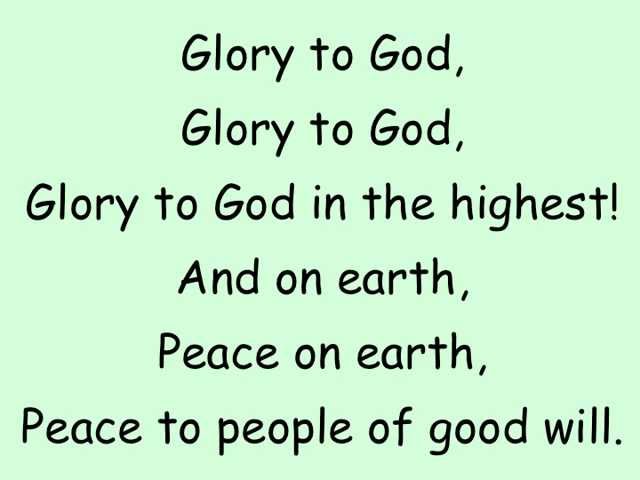
prayer glory to god in the highest
The prayer glory to god in the highest is both a timeless hymn of praise and a practical way to centre your day on gratitude, wonder, and worship. Rooted in the Bible and cherished in Christian worship across centuries, it invites us to lift our eyes from everyday worries and acknowledge God’s majesty, mercy, and nearness. Whether you recite the traditional text or use a simple paraphrase in your own words, prayer glory to god in the highest can enrich personal devotion, small-group prayer, and communal worship.
In this guide, we explore what it means, where it comes from, how different traditions use it, and how you can pray it meaningfully at home or in church. We also offer examples, tips to avoid common mistakes, and links to trustworthy resources.
What does prayer glory to god in the highest mean?
When Christians speak of the prayer glory to god in the highest, they usually mean the ancient hymn known by its Latin title, Gloria in excelsis Deo. The phrase comes from Luke 2:14, where angels praise God at the birth of Jesus: “Glory to God in the highest, and on earth peace…”. Across the centuries, this angelic proclamation evolved into a fuller doxology (a praise-filled prayer) that celebrates God the Father, the Son Jesus Christ, and the Holy Spirit.
Today, the phrase can refer both to the specific liturgical hymn (“the Gloria”) and to any form of prayer that echoes its themes: exaltation of God’s glory, thanksgiving for salvation, and a plea for mercy and peace. In that broad sense, prayer glory to god in the highest is a pattern you can follow whenever you want to praise God with the Church’s words or with your own sincere voice.


Biblical roots and historical development
From the angels’ song to Christian worship
Luke’s Gospel preserves the first words: “Glory to God in the highest.” Early Christians drew on this angelic acclamation in their gatherings, expanding it with biblical titles of Jesus (Lamb of God, Only-Begotten Son, Lord) and classic confessions of faith. This expansion produced the Gloria, which many churches still sing or say near the start of worship.
East and West: one praise in many languages
The earliest versions circulated in Greek and Latin. In the West, the Gloria settled into the Mass, commonly after the Kyrie (“Lord, have mercy”). In the East, the spirit of the prayer appears in numerous hymns and doxologies, with richly poetic language. Through these streams, prayer glory to god in the highest became a shared Christian inheritance, adapted to different rites and melodies.
Why it endures
The Gloria endures because it keeps our focus on God’s character—holy, merciful, just, and loving—before we bring personal needs. This sequence (praise, then petition) shapes the heart, reminding us that prayer is first about God and His glory, then about our concerns.
How different traditions pray the prayer glory to god in the highest
Roman Catholic tradition
In the Roman Rite, the Gloria is normally used on Sundays outside Advent and Lent, as well as on solemnities and feasts. The text is either sung or recited, often with festive music. During Advent and Lent (except on special days), it is omitted to underline the season’s character of watchful hope or penitence. In this context, prayer glory to god in the highest opens worship with joy and reverence, framing the rest of the Mass.
Anglican and Episcopal worship
Anglican liturgies place the Gloria either near the beginning or after Communion. The language may follow traditional or contemporary forms, but the thrust is the same: magnifying God’s holiness and mercy in Christ. Even when the Gloria is not used, the tone of praise within prayer glory to god in the highest often influences other canticles and hymns.
Orthodox practice
In the Orthodox Church, praise of God’s glory saturates the services (Vespers, Matins, the Divine Liturgy). While the exact Western form of the Gloria is not central, its themes—glory to God in the highest, peace on earth, and God’s mercy—are deeply embedded in the texts and chants of Eastern worship.
Free church and evangelical contexts
Many Protestant and free churches may not use the formal Gloria every week, but songs of praise and extemporaneous prayer often echo the same message: God is worthy, Christ saves, the Spirit sustains, and peace flows from God’s reign. In small groups and personal devotion, prayer glory to god in the highest is essentially a pattern of praise that anyone can adopt.
When and why to use the prayer glory to god in the highest
Because it is both structured and flexible, prayer glory to god in the highest suits many moments:
- Daily prayer: Start mornings by honouring God before planning the day.
- Before or after Bible reading: Let praise frame your reflection, especially on Gospel passages.
- Family or small group: Use a short refrain—“Glory to God in the highest”—to unite voices.
- On feast days: At Christmas, Epiphany, Easter, and other celebrations, match the Church’s joy.
- In gratitude: After answered prayer, give thanks with the words of the Gloria.
- In anxious times: Reaffirm God’s sovereignty and goodness as a steadying practice.
Praying in this way brings perspective. It helps you remember that God is not a distant idea but the living Lord who hears and responds. Prayer glory to god in the highest turns our hearts from self-preoccupation to wonder, humility, and trust.
A simple way to pray the prayer glory to god in the highest
- Settle yourself: Sit or stand comfortably. Slow your breathing.
- Begin with a single line: Say aloud, “Glory to God in the highest.” Let the words sink in.
- Name God’s attributes: In your own words—holy, merciful, faithful, just, loving.
- Recall Christ’s work: Thank Jesus for His life, death, and resurrection.
- Ask for mercy and peace: Keep it simple, sincere, and honest.
- Widen the circle: Pray for your community, nation, and world.
- End with praise again: Repeat, “Glory to God in the highest,” or a short doxology.
If you prefer, recite the fuller Gloria text (see examples below). The key is a clear focus: in prayer glory to god in the highest, praise leads, and petitions follow.
Sample texts you can use
The classic Gloria (public-domain form)
A widely used traditional English version (public domain, similar to the Book of Common Prayer) is:
“Glory be to God on high, and in earth peace, good will towards men. We praise thee, we bless thee, we worship thee, we glorify thee, we give thanks to thee for thy great glory, O Lord God, heavenly King, God the Father Almighty.
O Lord, the only-begotten Son, Jesus Christ; O Lord God, Lamb of God, Son of the Father, that takest away the sins of the world, have mercy upon us… For thou only art holy; thou only art the Lord; thou only, O Christ, with the Holy Ghost, art most high in the glory of God the Father. Amen.”
When time is tight, you can pray only the opening and closing lines. Even a brief, attentive version keeps the heart of prayer glory to god in the highest.
A short personal paraphrase
“Glory to you, God most high. You are good, just, and merciful. Thank you for Jesus Christ, who saves and gives peace. Forgive me, renew me, and guide me by your Holy Spirit. Glory to you for ever. Amen.”
A Christmas-focused variation
“Glory to God in the highest for the gift of your Son. Let Christ’s light shine in our homes and our world. Bring peace to those in fear, and joy to the downcast. Glory to God, now and always.”
Making it your own: posture, music, and silence
Personal devotion benefits from simple, embodied choices. Try standing, hands open, when you begin prayer glory to god in the highest. Use a gentle bow at the name of Jesus. Sing a simple refrain before speaking your own words. If you enjoy choral music, listen to a setting of the Gloria (by Vivaldi, Bach, or a contemporary composer) and then pray quietly. Balance sound with stillness; often, a few seconds of silence after “Glory to God” deepens the prayer’s impact.
Common mistakes to avoid
- Rushing: This is a prayer of praise; do not speed through it. Slow down and mean it.
- Turning praise into negotiation: Praise first, then request. Keep the order intentional.
- Overcomplicating: A single heartfelt line can be enough. The heart of prayer glory to god in the highest is sincerity.
- Ignoring seasons: In formal worship, the Gloria is omitted in Advent and Lent (except on solemnities/feasts). Respect your church’s practice.
- Overfocusing on self: Let the prayer lift your gaze to God’s nature and saving work.
Key benefits of praying this way
- Reorients the heart: From anxiety to adoration.
- Builds theological depth: You repeatedly affirm who God is and what He has done.
- Strengthens unity: A shared text helps families and congregations pray together.
- Encourages peace: A focus on God’s glory and mercy often reduces stress and resentment.
Over time, prayer glory to god in the highest forms a habit of praise that spills into daily life, turning ordinary moments into small altars of gratitude.
Recommended external resources
- Background and history of the Gloria in excelsis Deo
- Church of England Common Worship texts and notes on the Gloria
- General Instruction of the Roman Missal (official guidance on when to use the Gloria)
- Catholic Encyclopedia entry on the Gloria
Related articles
Frequently asked questions about prayer glory to god in the highest
Is the prayer glory to god in the highest the same as the Gloria?
Usually yes. In most church contexts, the phrase refers to the Gloria in excelsis Deo, the hymn beginning “Glory to God in the highest.” Some people also use it more broadly to mean any praise prayer echoing its themes of glory, mercy, and peace.
When is the Gloria used or omitted in church?
In the Roman Rite, the Gloria is used on Sundays outside Advent and Lent, and on solemnities and feasts. It is normally omitted on Sundays in Advent and Lent (except on special days). Anglican and other traditions have similar but not identical patterns. If in doubt, follow your local parish or minister’s guidance.
Do I need to sing it, or can I just say it?
You can do either. The Gloria is powerful when sung, but spoken prayer can be equally authentic. In personal prayer, a simple spoken or whispered “Glory to God in the highest” can shape your day just as effectively.
Can I adapt the words for personal use?
Yes, for private devotion you can paraphrase respectfully, focusing on the same flow: praise, thanksgiving for Christ’s saving work, request for mercy and peace, and renewed praise. In public worship, use your church’s authorised translation.
Is it suitable for children or new believers?
Absolutely. The central line—“Glory to God in the highest”—is easy to learn and repeat. You can teach children a short version and gradually introduce the fuller text. For those new to faith, prayer glory to god in the highest is a gentle way to learn the language of praise.
How does this prayer connect to Christmas?
It springs from the angels’ song at Jesus’ birth. That is why many congregations highlight it during Christmas services. Even outside the season, it keeps alive the good news the angels announced: God’s glory revealed in Christ brings peace to the earth.
What if I struggle to feel “praise” when I pray?
Begin with small, honest steps. Say the opening line slowly. Name one attribute of God you can affirm today (faithful, patient, just). Over time, the practice itself can rekindle joy. Prayer glory to god in the highest is not about forcing a mood but about turning to God as He is.
Conclusion on prayer glory to god in the highest
At heart, the prayer glory to god in the highest is a simple yet expansive act: lift your eyes to God, recount His goodness, ask for mercy and peace, and end with praise. Its biblical roots and long use in worship make it a trustworthy guide for both beginners and seasoned believers. Whether sung with a congregation or whispered in a quiet room, it draws you into the Church’s living stream of adoration.
You can begin today. Use the traditional text or a short paraphrase, and let the rhythm—praise, thanksgiving, petition, praise—shape your heart. Over time, prayer glory to god in the highest becomes more than a set of words; it becomes a habit of seeing life in the light of God’s glory.
In seasons of celebration or challenge, keep this prayer close. Return to it when you need perspective, unity, or peace. As you do, the practice of prayer glory to god in the highest will anchor your days in faith, hope, and love.
May your praise be sincere, your requests honest, and your trust deep—“Glory to God in the highest,” today and always.
