Prayer for those sick and suffering: 7 essential, practical steps
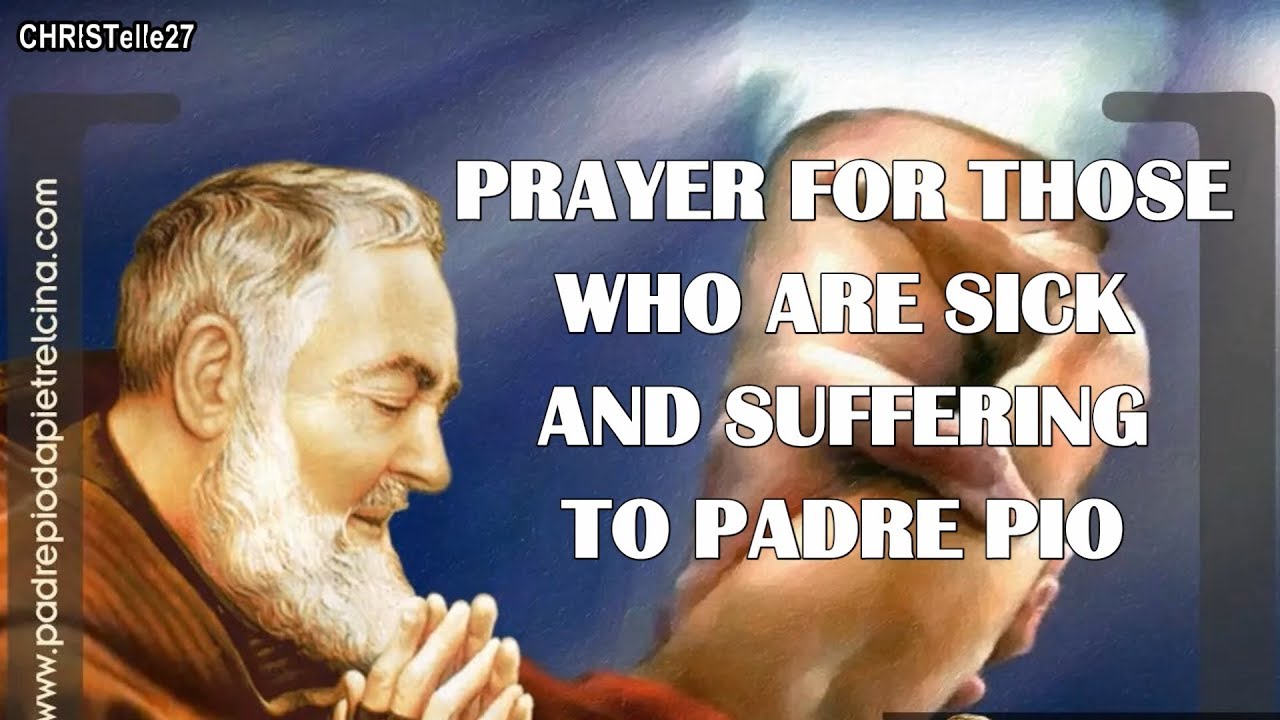
Prayer for those sick and suffering
Prayer for those sick and suffering is a simple yet profound way to bring comfort, hope, and a sense of God’s presence to people facing illness or hardship. Whether you pray quietly at home, beside a hospital bed, or with a congregation, it can be a lifeline that steadies the heart and opens a path to peace amid pain. It is not a magic formula; rather, it is an act of love and trust that holds a person before God, asking for healing, strength, and consolation.
In every tradition of the Church, people have turned to prayer in times of distress. Some pray spontaneously, others use well-loved words passed down through generations, and many blend both. However you pray, the intention is the same: to draw close to God and to stand alongside the person who is unwell, affirming that they are not alone and that their life is precious.
This article explores the heart of prayer for those sick and suffering, including its meaning, simple ways to begin, practical examples you can adapt, and supportive resources. It aims to help you pray with confidence and compassion—whether for yourself or for somebody you love.
Why prayer for those sick and suffering matters
At its core, prayer for those sick and suffering places people in God’s care and invites divine help. It also nurtures resilience in the face of uncertainty. Illness often brings anxiety, isolation, and questions that have no straightforward answers; prayer creates space to name all of this honestly while asking for the courage to carry on.


Many believers find that prayer shifts the atmosphere: it may not remove pain, but it can bring clarity and calm. In Scripture, we see encouragement to pray for the unwell; in James 5, the community is urged to pray with faith for the sick, trusting that the Lord hears. Across Christian history, countless testimonies speak of comfort, renewed courage, and at times remarkable healing through prayer.
Crucially, prayer does not negate medical care. Rather, it complements it. Christians pray for God’s wisdom to guide clinicians, for treatments to take effect, and for rest and relief in the hardest moments. In this way, praying and caring become one witness to hope.
Foundations across Christian tradition
Christians pray because Jesus invited us to ask, seek, and knock. When illness comes, we entrust our concerns to the One who knows our needs and suffers with us. The Psalms give language for anguish and trust, while the Gospels show Jesus healing and drawing near to those on the margins.
Many find strength in brief verses that speak of God’s presence. A reflective reading of Zephaniah 3 can reassure the heart that God is near and tender. For a short scriptural encouragement, see this reflection on Zephaniah 3:17, which many people use during times of illness to remember that God rejoices over his people and gives them rest.
Diverse traditions offer distinct practices: intercessions during Sunday worship, silent contemplation, healing services, and sacramental rites. Yet the thread is consistent—prayer for those sick and suffering is an expression of faith working through love, asking God to touch mind, body, and spirit.
How to lead a prayer for those sick and suffering
If you feel unsure where to start, take heart. God is not measuring the eloquence of your words but receives the sincerity of your heart. Consider these gentle steps to guide you:
- Begin by becoming still. Take a breath, acknowledge God’s presence, and invite the Holy Spirit’s help.
- Name the person you are praying for (with their permission). Be specific about the illness or situation if appropriate.
- Ask for what is needed today: pain relief, good sleep, courage, wise decisions, patience, or companionship.
- Include space for silence. Holding a quiet moment can be deeply consoling.
- Use Scripture or a short refrain (for example, “Lord, have mercy” or “Be with N. in every breath”).
- Pray for those who care for the person: family, friends, and healthcare staff.
- Close with trust, commending everything into God’s hands.
A simple structure you can use
Here is a brief shape you can adapt when offering prayer for those sick and suffering:
- Opening: “Loving God, we come into your presence.”
- Thanksgiving: “Thank you for N.’s life, for the love they give and receive.”
- Petition: “Bring healing, comfort, and peace. Strengthen N. for today.”
- Intercession: “Guide those who treat and care for N., and sustain those who love them.”
- Trust: “We place N. into your faithful hands, through Jesus Christ our Lord. Amen.”
Sample prayers you can adapt
Feel free to use these prayers as written or edit them so they feel natural in your voice. Each aims to be pastoral, brief enough for a bedside, and rooted in hope.
A short prayer for those sick and suffering
Merciful God, draw near to your child N. Hold them in your peace when fear rises and pain is sharp. Give relief to their body, rest to their mind, and courage to their spirit. Surround them with kindness, and let your light shine in this difficult hour. Through Christ our healer. Amen.
Intercessory prayer for those sick and suffering in hospital
Loving Father, we lift N. to you as they receive treatment. Grant wisdom to their doctors and nurses, and bless every medicine and procedure. Calm any anxiety, steady their breathing, and protect them from complications. Let your presence be the quiet strength within the room. We ask this in your holy name. Amen.
Evening prayer for those sick and suffering and their carers
Lord Jesus, as night falls, give N. deep and healing sleep. Comfort all who keep watch or worry. Restore carers who are exhausted, and renew their patience and tenderness. May your peace guard every heart and home until morning. Amen.
Prayer for chronic illness
Faithful God, you know the long road of persistent symptoms and slow days. Be the steady companion of N., sustaining them when energy is low and pain is constant. Give grace for each task, joy in small mercies, and friends who understand. Keep hope alive as we trust your unfailing love. Amen.
Prayer for mental health and emotional suffering
God of compassion, when thoughts are heavy and hope feels distant, draw N. into your gentleness. Soothe their mind, bring balance to their body, and surround them with people who listen well. Light a path through confusion and remind them they are held and loved. Amen.
Prayer at the end of life
Everlasting God, receive N. with mercy. Lift fear, ease pain, and let your presence be the calm in every breath. Gather family and friends in love, healing memories and granting peace. May N. rest in your embrace, now and forever. Amen.
Common mistakes when offering prayer for those sick and suffering
When we care deeply, we can feel pressure to “get the words right”. Here are common pitfalls to avoid—and kinder alternatives.
- Avoid promises you cannot make. Instead of saying, “You will be better tomorrow,” pray, “Lord, give N. what they need today and the strength to face tomorrow.”
- Do not minimise pain. Rather than “It could be worse,” acknowledge reality: “This is hard. Lord, bring comfort and relief.”
- Beware overly long prayers. Keep them concise; the person may be tired or in discomfort.
- Do not make prayer a performance. Speak simply, as you would to a friend. God hears the heart, not the flourish.
- Respect consent. Ask if the person wants prayer and if physical contact (like holding hands) is welcome. Grace always honours dignity.
Above all, let love lead. Prayer for those sick and suffering is not a platform for grand statements but a humble act of solidarity and faith.
Blending prayer and practical care
Prayer is at its best when it works hand-in-hand with real-world support. Consider preparing a meal, offering a lift to an appointment, or managing a simple errand. When appropriate, point to trusted resources that help people navigate care options. For example, the NHS overview of end of life care lays out what support is available, including palliative services. For those walking alongside someone with cancer, Macmillan Cancer Support’s guide to supporting someone with cancer offers practical tips and emotional insights.
If mental health is part of the picture, integrate prayer with professional help when needed. Listening without judgement, encouraging a GP appointment, and normalising counselling can be lifelines. Prayer can ask for calm and clarity while professionals address clinical needs. This partnership honours both faith and good care.
Using traditional devotions and Scripture
Many households and parishes rely on well-loved devotions when someone is ill. The Chaplet of Divine Mercy is one such prayer rhythm known for its simplicity and depth; it can be prayed at a bedside or quietly at home. If you wish to explore it, see this practical guide to the Divine Mercy Chaplet prayer, which many people use to entrust the sick to God’s boundless compassion.
Liturgical churches may also invite participation in the Church’s healing ministries, including the laying on of hands, anointing, or the ministry of reconciliation. For readers who want to understand the historical and biblical background to anointing, the overview at Anointing of the Sick (Wikipedia) offers a clear starting point. Those who prefer set texts may find comfort in established prayers; a curated selection is available via the Church of England’s topical prayers pages, such as Topical Prayers: Church of England.
However you proceed, let the word of God shape your intercessions. Verses of trust, healing, and hope—the Psalms, Gospel accounts of Jesus’ compassion, and short lines like “Do not be afraid”—can anchor prayer for those sick and suffering when your own words feel few.
Praying in community and online
Community prayer matters. A church notice sheet, prayer chain, or small group can hold a person in steady intercession over time (always with permission to share details). If distance or mobility are issues, praying together by video call or sending a short voice message can make a heartfelt difference. A few thoughtful sentences, spoken slowly and kindly, are often more powerful than a long message.
Encourage updates so that prayers stay relevant—specific requests for test results, sleep, pain management, family conversations, or decision-making help people pray with intention. Approached with discretion and respect, this shared effort lifts a heavy burden from one pair of shoulders onto many.
Related articles
Recommended external resources
- Church of England topical prayers for illness and hardship – Set prayers you can use at home or in church.
- NHS: End of life care – Clear guidance on palliative support and what to expect.
- Macmillan Cancer Support: Helping someone with cancer – Practical and emotional support resources.
- Anointing of the Sick (background and history) – Overview of the sacrament
