Prayer for the Sick Woman: 7 Essential, Effective Prayers
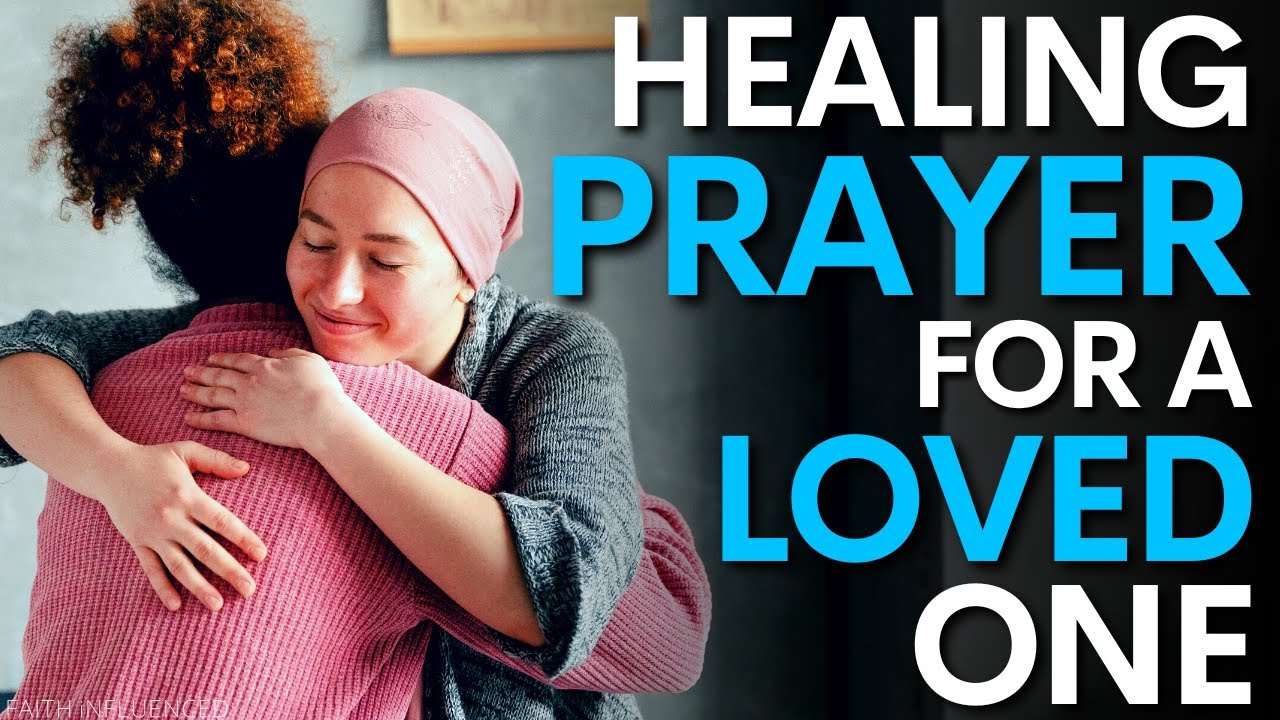
Prayer for the sick woman: meaning, examples, and how to pray with confidence
When someone you love is unwell, shaping a sincere prayer for the sick woman can be both a comfort and a lifeline. Whether she is a mother, partner, sister, daughter, friend, or colleague, a thoughtful, compassionate prayer for the sick woman offers strength, hope, and a tangible sense of being held by God and community in a difficult season.
This guide explores what such prayer is, why it matters, and how to pray in a way that is caring, respectful, and effective. It also provides model prayers, helpful Bible verses, common mistakes to avoid, and simple tips to support your loved one along the way. The intention is not to replace medical care, but to complement it with spiritual care that nurtures body, mind, and spirit.
Whether you are new to prayer or have prayed for years, you will find practical steps here to craft a prayer for the sick woman that is authentic to your voice, rooted in faith, and sensitive to her needs and wishes.
What is a prayer for the sick woman?
A prayer for the sick woman is a heartfelt appeal to God for healing, peace, and strength for a woman who is ill. It may include thanksgiving for her life, a request for medical wisdom, petitions for relief from pain, and a plea for hope and courage. It can be spoken aloud, written, sung, or prayed silently. Some draw on set prayers from their tradition; others speak spontaneously. All forms, when offered with love, can be meaningful.


Because illness affects the whole person, a well-rounded prayer touches the physical, emotional, mental, relational, and spiritual dimensions—asking for comfort, resilience, rest, and the presence of God to meet her in practical and tender ways.
Why a prayer for the sick woman matters
Prayer is not magic, nor a way to control outcomes. It is relationship—turning towards God with trust and compassion. In seasons of illness, prayer for the sick woman matters because it:
- Affirms her dignity: you see her as more than a diagnosis—beloved, valuable, and held.
- Strengthens hope: prayer can lighten the heart, helping her face treatments or uncertainty.
- Builds solidarity: when friends and family pray, she is reminded that she is not alone.
- Encourages wise action: prayer often nudges us to offer practical help and pursue good care.
- Nourishes faith: it anchors her (and you) in God’s enduring presence and promises.
Key principles for a compassionate prayer for the sick woman
1) Respect and consent
Ask if she welcomes prayer and how she would like you to pray. Some prefer silent prayer, others like to hear your words. Consent protects dignity and builds trust.
2) Be specific, but gentle
Name the situation without dwelling on fear. Acknowledge symptoms, treatments, and appointments while emphasising comfort, courage, and peace.
3) Pair faith with realism
Hold space for miracles while recognising the journey may be long. It is possible to pray boldly and compassionately without making promises you cannot keep.
4) Keep the tone hopeful, not heavy
Choose words that uplift. Avoid implying blame, guilt, or a lack of faith. God’s love is not measured by outcomes.
5) Remember the caregivers
In your prayer for the sick woman, include those who support her—family, friends, clinicians—asking for strength, patience, wisdom, and rest.
How to compose a prayer for the sick woman
If you are unsure where to begin, use this simple structure to guide your words:
- Address God: “Loving God,” “Gracious Father,” “Lord Jesus,” or a title that resonates with your tradition.
- Thanksgiving: Name qualities you cherish in her—kindness, courage, humour, faith.
- Petitions for healing: Ask for relief from pain, restoration of health, and skill for medical teams.
- Comfort and peace: Pray for calm, sleep, resilience, and freedom from anxiety.
- Presence and hope: Request a tangible sense of God’s nearness every step of the way.
- Community: Ask for friends and family to be attentive and practical in their support.
- Closing trust: Entrust her to God’s care. End simply: “Amen.”
Short model prayers you can use
Use, adapt, or personalise these examples. Each is suitable as a brief prayer for the sick woman in different circumstances.
A prayer for pain and peace
Loving God, hold [Name] close today. Ease her pain, calm her fears, and bless her with deep rest. Guide those who care for her with wisdom and skill. Surround her with hope and let her feel your steady love. Amen.
A prayer before treatment
Gracious Father, as [Name] prepares for treatment, grant courage, clarity, and calm. Strengthen her body and mind; steady the hands and minds of her medical team. Let this be a step towards healing and wholeness. Amen.
A prayer in uncertainty
Lord Jesus, you know [Name]’s worries and her weariness. Meet her in the unknown with your peace that passes understanding. May she feel held, not hurried; hopeful, not overwhelmed. Amen.
A prayer for carers and family
Merciful God, sustain those caring for [Name]. Give them patience, kindness, and rest. Help us listen well, speak gently, and love faithfully through the days ahead. Amen.
A prayer of thanksgiving and trust
Creator God, thank you for [Name]—for her life, gifts, and courage. We entrust her to your tender care. Be her strength each morning and her comfort each night. Amen.
Bible verses and traditions to include in a prayer for the sick woman
Many find it helpful to weave Scripture into a prayer for the sick woman. Some timeless passages include:
- Psalm 23: God’s shepherding presence in valleys and on bright hills.
- Isaiah 41:10: “Do not fear, for I am with you.” A reminder of God’s steadiness.
- James 5:14–16: Encouragement to pray for the sick, calling elders and anointing with oil. See the passage in context at James 5:14–16 (NRSV-UK).
- Philippians 4:6–7: Prayer with thanksgiving bringing peace beyond understanding.
For a concise expression of God’s nearness, consider the promise of God’s comfort in Zephaniah 3:17, which speaks of God being in our midst, rejoicing over us with singing. Many Christians also lean on set devotions such as the Divine Mercy Chaplet prayer, especially when words feel scarce or emotions run high.
Praying across different Christian traditions
Christians from various backgrounds share a desire to lift up a prayer for the sick woman with faith and compassion. Approaches differ—some traditions favour spontaneous prayer, others lean on liturgies or sacramental rites such as anointing of the sick. If your loved one belongs to a particular church, consider asking her minister, priest, or elders how best to pray in a way that honours her faith practice. Unity of spirit matters more than uniformity of words.
Common mistakes to avoid when offering a prayer for the sick woman
- Overpromising outcomes: Pray with confidence in God’s love, but avoid implying that a specific outcome is guaranteed if only enough faith is shown.
- Minimising her experience: Do not rush past pain or uncertainty. Honest lament sits comfortably alongside hope.
- Making it about you: Keep the focus on her needs and God’s care, not your opinions or stories.
- Using insensitive language: Avoid clichés that can sound dismissive, such as “Everything happens for a reason.” Choose empathetic words.
- Forgetting practical love: Pair every prayer for the sick woman with tangible help—meals, rides, childcare, or simply a presence that listens.
Integrating prayer with care and good information
Prayer and good care belong together. When you offer a prayer for the sick woman, also encourage appropriate medical support, rest, and community help. For guidance on caring practically for a loved one, see the NHS overview on caring for someone, which explains support options, carer’s assessments, and where to find help. If cancer is involved, Macmillan Cancer Support’s advice on supporting someone with cancer offers practical and emotional guidance for families and friends.
Praying in different situations
When she is newly diagnosed
Keep prayers short, steady, and compassionate. Ask for clarity in decision-making, kindness from clinicians, and a felt sense of safety.
During a long-term condition
Pray for perseverance, meaningful moments, and community resilience. It is helpful to schedule regular times to pray so she knows she is not forgotten.
Before surgery or procedures
Pray for calm, successful outcomes, and skilled hands. Include her recovery—good sleep, minimal pain, and protection from complications.
In palliative or end-of-life care
Center your prayer for the sick woman on comfort, dignity, reconciliation, and assurance of God’s presence. Keep listening, keep loving, keep honouring her story.
Examples of longer prayers
A longer prayer for healing and wholeness
Merciful God, we bring [Name] to you, beloved and precious in your sight. In her weariness, be her rest; in her pain, be her peace; in her uncertainty, be her anchor. Grant wisdom to her medical team and effectiveness to every treatment. Revive her strength each morning, steady her breathing, and soothe her mind. Gather around her a circle of kindness, and within that circle, let your love be the light. We ask for healing of body, mind, and spirit, and the gift of hope that does not run dry. Through Jesus Christ our Lord. Amen.
A longer prayer for comfort and courage
Gracious Father, you are near to the broken-hearted and close to all who call upon you. Draw near to [Name] today. Lift the heaviness from her heart; bring laughter to her lips and rest to her bones. Bless those who care for her with gentleness and patience. May your peace guard her thoughts, your joy kindle resilience, and your presence be the warmth she feels in every room. Keep watch over her tonight and every night. Amen.
Helpful habits to keep your prayer for the sick woman grounded
- Prepare: Take a quiet moment before you pray. Breathe slowly and gather your thoughts.
- Use her name: It personalises your prayer and communicates care.
- Keep it simple: Plain words are powerful. You do not need elaborate language.
- Be consistent: Short daily prayers are often more sustaining than occasional long ones.
- Follow up: After praying, send a message or check in. Prayer and presence work together.
Recommended external resources
- Church of England: Prayers in times of illness – a selection of traditional and contemporary prayers.
- NHS: Caring for someone – social care and support guide – practical help, rights, and services for carers.
- Macmillan Cancer Support: Helping someone with cancer – advice for family and friends.
- James 5:14–16 (NRSV-UK) – biblical encouragement to pray for the sick.
Frequently asked questions about prayer for the sick woman
How long should I spend on a prayer for the sick woman?
There is no required length. A sincere 30 seconds can be as meaningful as a longer prayer. Consider brief, regular prayers, and allow longer moments when she welcomes them.
What if I do not know what to say?
It is fine to tell God you do not have the words. Use a psalm, a simple line like “Lord, have mercy,” or one of the model prayers above. Silence can also be prayerful—your attentive presence matters.
Is it appropriate to lay a hand on her shoulder while praying?
Only with her consent. Ask gently: “Would you be comfortable if I hold your hand while we pray?” Respect her answer, and consider other forms of support if touch is unwelcome or impractical.
Can I pray for a miracle?
Yes—pray honestly for healing while also asking for peace and strength whatever the outcome. Holding both hopes together is a faithful and compassionate approach.
Should I use formal or spontaneous words?
Use the style that feels genuine and comforting to her. Some find comfort in familiar prayers; others prefer natural, conversational language. You can also blend the two.
What if she is not Christian?
Ask how she would like to be supported. If she welcomes prayer, use inclusive, respectful language or adapt to her tradition. If she prefers other forms of support, honour that and offer practical help and presence.
Conclusion on prayer for the sick woman
A prayer for the sick woman is an act of love: hopeful, honest, and deeply human. It acknowledges her pain, affirms her dignity, and invites God’s care into every part of her journey. Such prayer does not replace medical attention; it complements it—strengthening hearts, guiding decisions, and building a circle of compassion around her.
As you craft your own words, keep them simple and sincere. Draw on Scripture and trusted traditions when helpful, and remember to couple your prayer for the sick woman with practical kindness. Over time, these small, faithful acts—spoken prayers, thoughtful messages, shared meals, a listening presence—become channels of grace and courage.
May every prayer for the sick woman you offer carry the warmth of your love and the steady hope of God’s presence, today and in the days to come.
