Prayer for the Sick Novena: Complete, Essential 9-Day Guide
Prayer for the sick novena
A prayer for the sick novena is a focused nine-day devotion asking God’s help for someone who is unwell. Whether you are praying for yourself, a family member, or a friend, a novena offers structure, hope, and a gentle rhythm that sustains you through uncertainty. In this guide, you will find clear explanations, step-by-step suggestions, sample words, and practical tips to begin or deepen your prayer for the sick novena with confidence and compassion.
This practice sits within a long Christian tradition of persevering prayer. It does not replace medical care, but accompanies it—bringing comfort, solidarity, and spiritual strength. If you are new to novenas, don’t worry; the essentials are straightforward, and the heart of the devotion is your trust in God’s love and mercy.
What is a prayer for the sick novena?
At its simplest, a prayer for the sick novena is a commitment to pray for nine consecutive days with a specific healing intention. Many people use a brief daily format—an opening prayer, a short Scripture reading, a few minutes of quiet, intercessions for the sick person, and a closing prayer. Others add a decade of the Rosary or another devotion. The nine days echo the early Church’s prayer between the Ascension and Pentecost, and symbolise steadfast, hopeful petition.
You can pray alone or with others. You can pray at home, in a hospital room, at church, or even while commuting. Because it is flexible, a prayer for the sick novena fits both structured and busy lives.

Why people turn to a prayer for the sick novena
Illness can leave us feeling powerless. A prayer for the sick novena offers a small, daily act of faith—something you can do with love. People often choose a novena to:
- Entrust a specific medical situation to God with constancy.
- Gather family or parish friends in united prayer.
- Find a daily rhythm that steadies anxiety and fear.
- Ask the intercession of saints known for healing.
- Prepare the heart alongside treatment, surgery, or recovery.
Over nine days, the repetition becomes a gentle companion. Many also find that gratitude grows—even in difficulty—as they notice small improvements, a kind nurse, or a moment of peace in the middle of uncertainty.
Foundations in Scripture and tradition
Christians pray with confidence because Jesus invites us to ask, seek, and knock. Scripture is filled with God’s compassion for the sick and weary. You might find comfort reflecting on God’s promise to be near and strong for his people; for example, consider God’s comforting promise in Zephaniah 3:17 as part of your daily meditation. The long tradition of novenas—prayers over nine days—has been embraced across centuries and cultures as a practical framework for persevering prayer.
In the Catholic Church, novenas are devotional rather than sacramental, so there is no single official formula. Rather, the Church encourages personal and communal prayer, especially for the sick, and supports the Anointing of the Sick where appropriate. Anglican, Orthodox, and many other Christian communities also cherish intercessory prayer for healing in their own forms.
How to pray a prayer for the sick novena: a simple structure
There is no rigid script; choose a pattern you can keep. Here is a straightforward approach to praying a prayer for the sick novena:
- Set your intention. Write down the name(s) of the person(s) you are praying for and the specific need (for example, clarity for doctors, peace before surgery, strength in chemotherapy, restful sleep).
- Choose a time and place. A consistent time (morning or evening) helps. Keep a candle, a Bible, and your notes in a quiet corner if possible.
- Select a short reading. A few lines of Scripture can guide each day. Rotate verses of comfort, healing, and hope.
- Keep it brief. Five to ten minutes is enough. The goal is steady faithfulness, not length.
- Invite others. If appropriate, ask family or parish friends to join you. You may coordinate by message or email so everyone knows the daily focus.
Daily outline for a prayer for the sick novena
Use or adapt this daily outline for your prayer for the sick novena:
- Sign of the Cross and a deep breath to settle.
- Opening prayer: “Lord Jesus, you healed the sick and comforted the troubled. With trust, I begin this novena for [Name]. Be our strength, our peace, and our healer.”
- Short Scripture: e.g., Psalm 23:1–3; Isaiah 41:10; Mark 5:34; James 5:14–15.
- Reflection: One minute of quiet, or a brief thought: “Lord, make me patient and steadfast.”
- Intercession: “For [Name], grant relief from pain, wisdom for clinicians, courage for difficult days, and restful sleep.”
- Optional decade of the Rosary or another devotion such as the Divine Mercy Chaplet prayer.
- Closing prayer: “Merciful Father, through the Holy Spirit, sustain [Name] today and throughout this novena. Through Christ our Lord. Amen.”
Sample texts you can use
If you prefer having words to hand, here is a short, adaptable prayer for the sick novena you can repeat daily:
“Heavenly Father, you know our needs before we ask. I lift up [Name] to your loving care. Ease pain, calm fear, and guide all who support them. In your compassion, restore what is weakened and strengthen what is good. Through the intercession of [Saint/Our Lady], and in the name of Jesus Christ, our healer. Amen.”
You might also choose a brief invocation for each day, such as: “Jesus, gentle healer, be near.” Consistency matters more than variety—if a line helps you focus, keep it for all nine days.
Choosing intercessors for a prayer for the sick novena
Many people ask the prayers of saints associated with healing during a prayer for the sick novena. Consider:
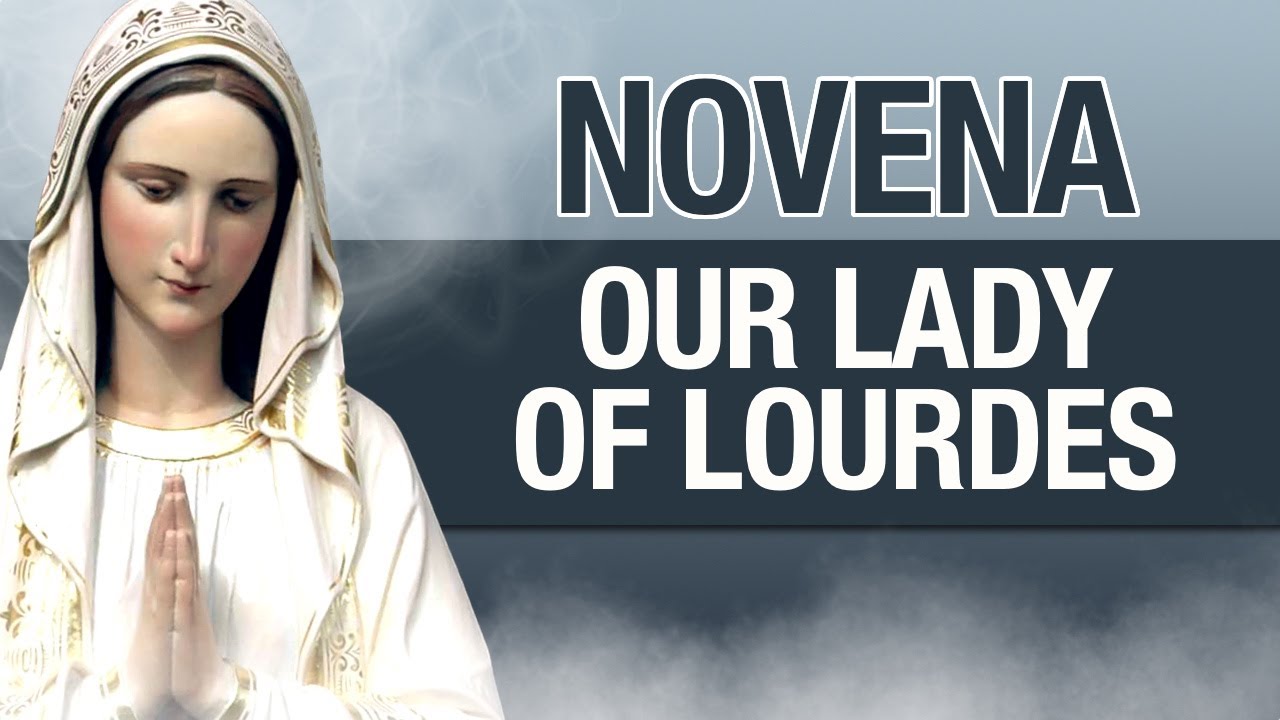
- Our Lady of Lourdes: A sign of comfort for the sick.
- Saint Raphael the Archangel: Patron of healing and safe journeys.
- Saint Peregrine: Invoked by those facing cancer and serious illness.
- Saint Camillus de Lellis: Patron of the sick and those who care for them.
Choose one intercessor for the whole novena, or rotate through a few. What matters most is your trusting heart as you persevere in prayer.
Praying a prayer for the sick novena as a family or parish
A shared prayer for the sick novena can be a gentle way to support someone you love. Families might assign parts—one reads Scripture, another leads the intercessions. Parishes sometimes publish a short daily intention in their bulletin or group chat, keeping everyone aligned.
If you are praying for someone outside your household, ask their permission before sharing personal details. Respecting privacy is a key act of love.
Common mistakes in a prayer for the sick novena
These are easy to make and easy to fix:
- Overcomplicating the plan. If your schedule is demanding, choose a simple format you can keep for nine days.
- Thinking you must feel something. Faithfulness matters more than feelings. Even a dry day of prayer has value.
- Neglecting practical care. Prayer and action belong together. Offer to cook, to drive to appointments, or to sit quietly with the person who is ill.
- Forgetting thanksgiving. Notice small mercies and thank God daily.
If you miss a day, do not worry. Continue the next day and extend the novena by a day if you wish. The point is steady love, not perfection.
Adapting a prayer for the sick novena in different circumstances
Life is full, and illness is unpredictable. You can adapt your prayer for the sick novena in many ways:
- Shorter focus periods: If nine days is difficult, some people choose a “novena of hours” (a prayer each hour for nine hours on a single day) during a surgery or procedure.
- Hospital setting: Keep it quiet and simple. A single verse, a brief prayer, and a moment of silence can be enough—especially if the patient is tired.
- Online or phone gathering: Meet for five minutes via video or a group call—just enough to read the Scripture and offer intentions together.
- Ecumenical sensitivity: If friends from different Christian traditions join, agree a minimalist format that all can say comfortably, centred on Scripture and shared intercessions.
Scripture suggestions for your nine days
- Psalm 23: The Lord is my shepherd.
- Isaiah 41:10: “Do not fear, for I am with you.”
- Matthew 11:28–30: “Come to me, all who labour and are heavy laden.”
- Mark 5:21–43: Jesus heals in response to faith.
- John 14:27: “Peace I leave with you.”
- Philippians 4:6–7: Pray with thanksgiving.
- James 5:13–16: Pray for the sick; call the elders.
- 2 Corinthians 1:3–4: God comforts us in all our afflictions.
- Revelation 21:4: God will wipe away every tear.
Practical tips to keep your prayer steady
- Set reminders: A phone alert helps, especially for a group novena.
- Keep it visible: A note card with the intention and daily verse near your kettle or desk.
- Attach it to a habit: Pray after morning tea, at lunch, or before bed.
- Offer small sacrifices: A simple fast or a kind deed each day can accompany the prayer for the sick novena.
How this devotion complements medical care
Prayer and medicine both serve the person. A prayer for the sick novena often brings calm and courage, helping patients and carers communicate better with clinicians and face decisions with steadier minds. If you or your loved one would appreciate spiritual support in hospital, many hospitals offer chaplaincy or multi-faith provision; see the NHS overview of hospital chaplaincy and spiritual care services.
For those in the Catholic tradition, you may also wish to consider the Sacrament of the Anointing of the Sick when appropriate; for a helpful overview, see the USCCB’s guide to Anointing of the Sick.
Keeping a journal during your prayer for the sick novena
A small notebook helps you notice patterns and graces. Each day, jot down:
- The verse or phrase that stood out.
- Any intention updates (e.g., test results, appointments).
- One gratitude—even a small one.
This record can encourage you later and makes it easier to share updates with those joining your prayer for the sick novena.
Frequently asked questions about prayer for the sick novena
Do I have to pray at the same time every day?
No. Consistency helps, but life happens. Choose a time you are likely to keep, and if you miss it, pray later that day. If you miss a day entirely, simply continue the next day and extend the novena if you wish.
Can I pray a prayer for the sick novena for more than one person?
Yes. You can include several names in your daily intercessions. If there are many intentions, you might choose a “primary” intention for the nine days and then list others briefly, so your focus remains clear and sustainable.
Which saint should I choose for a healing novena?
There is no required choice. Our Lady of Lourdes, Saint Raphael, Saint Peregrine, and Saint Camillus are popular. If you have a personal connection to a saint—or the person who is ill does—use that. Your trust in God matters more than the particular intercessor.
What if I feel nothing is happening?
Persevering prayer is not measured by feelings. Over nine days, look for subtle signs of peace, patience, or clarity, and give thanks for them. Continue to encourage practical care and medical follow-up alongside prayer.
Is there a set text I must use?
No. A prayer for the sick novena is flexible. Many people find it helpful to use a simple repeated prayer alongside short Scripture passages. If you like, include a decade of the Rosary or the Divine Mercy Chaplet prayer as part of your daily routine.
Can non-Catholic Christians join a novena?
Yes. While novenas are especially common in Catholic devotion, any Christian can join nine days of focused prayer. Keep the format centred on Scripture and intercession so everyone feels comfortable.
Recommended external resources
If you’d like ready-made texts or deeper background while planning your prayer for the sick novena, these resources may help:
- EWTN’s collection of novenas – a broad library of novena prayers you can adapt for healing intentions.
- Catholic Encyclopedia: Novena – historical and devotional background on the practice of nine-day prayer.
- USCCB overview of Anointing of the Sick – when and how this sacrament supports the seriously ill.
