Prayer for the sick loved ones: 10 essential, effective prayers
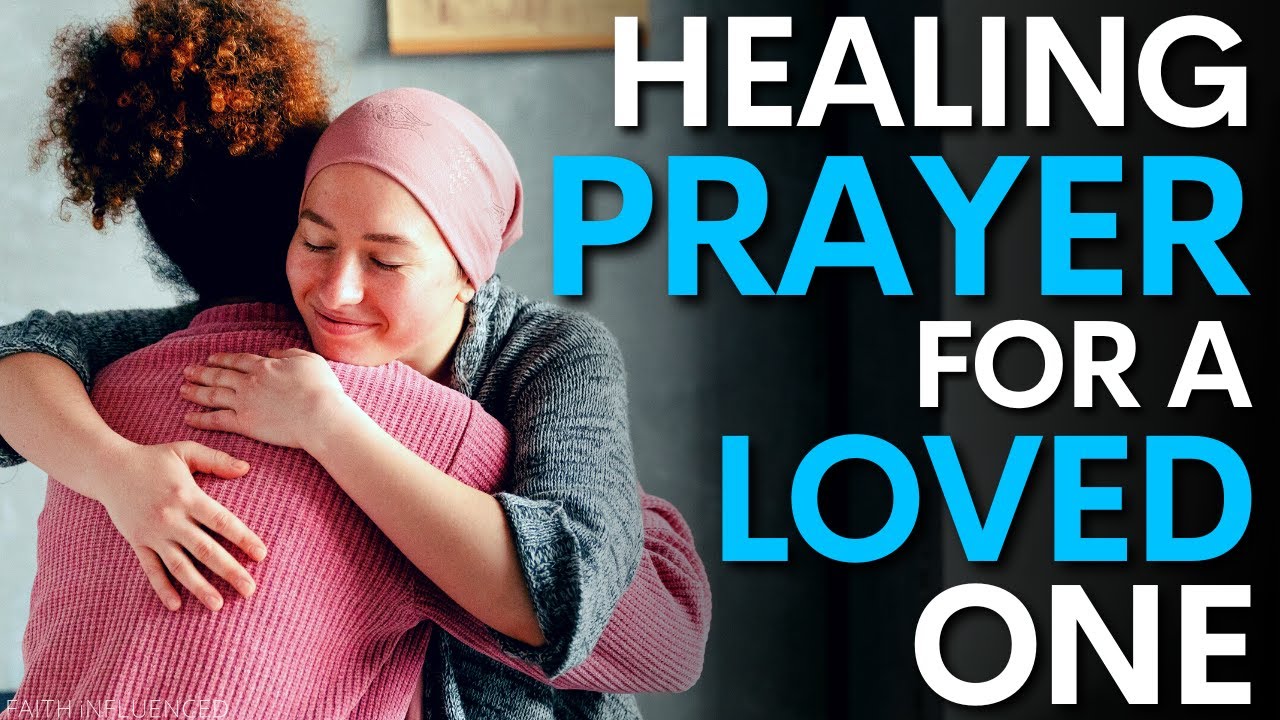
prayer for the sick loved ones
When illness touches a family, friends and relatives often look for meaningful ways to help. One of the most accessible and powerful forms of support is prayer for the sick loved ones. Whether you are firmly rooted in a faith tradition or simply seeking a quiet moment of reflection, prayer can create space for hope, comfort and connection during difficult days.
This guide explores what prayer for the sick loved ones involves, how to approach it with respect and care, and practical steps to make your words sincere and supportive. You will also find sample prayers, common pitfalls to avoid, and useful resources to deepen your practice and understanding.
What is prayer for the sick loved ones and why it matters
At its heart, prayer for the sick loved ones is a heartfelt appeal—spoken or silent—for healing, peace and strength. It is used to ask for medical procedures to be guided well, for pain to be eased, and for both the ill person and their carers to be sustained. Beyond seeking a cure, such prayer is also about companionship: reminding a person that they are not alone in their struggle.
For many people, prayer is part of a living relationship with God. For others, it is a moment of intentional focus, gratitude and hope. In both cases, prayer for the sick loved ones can provide calm in a storm, helping families steady their emotions, make decisions with clarity, and feel spiritually supported. It also complements medical care by nurturing the spirit while doctors and nurses tend to the body.


Importantly, prayer is not a magic formula. Illness can be complex, and outcomes are not always what we wish. Yet the practice of prayer for the sick loved ones still brings value: it strengthens bonds, encourages perseverance and may offer a deep sense of meaning when life feels uncertain.
Core principles for meaningful prayer for the sick loved ones
Lead with compassion and presence
Effective prayer often begins with attentive listening. Before offering prayer for the sick loved ones, ask how the person is feeling, what they hope for today, and whether they would like you to pray aloud. Simple presence—sitting quietly, holding a hand, or sharing a moment of silence—can be as healing as words.
Be honest and gentle
Honesty builds trust. Acknowledge fears and limitations while still expressing hope. In prayer for the sick loved ones, it is better to be sincere than eloquent. Short, steady words—“Be near; bring peace; give strength”—often carry more meaning than long speeches.
Respect different traditions
Illness often brings together people of diverse beliefs. If you are praying across traditions, ask permission, use inclusive language, and avoid assuming shared doctrines. You might invite the person to contribute a line or intention to the prayer. Interfaith sensitivity can make prayer for the sick loved ones a unifying moment rather than a point of tension.
Align prayer with care
Prayer works best alongside practical support and sound medicine. It is wise to include clinicians, carers and treatments in your intentions: “Guide the hands of the surgeons,” or “Bless the nurses with energy and patience.” Such words weave prayer for the sick loved ones into the day-to-day journey of recovery.
Keep confidentiality and dignity
When someone shares private fears, treat their words with care. If you are gathering others to join in prayer for the sick loved ones, ask what details can be shared and with whom. Respecting personal boundaries preserves dignity and trust.
How to compose a simple prayer for the sick loved ones
If you are unsure where to start, use a basic structure that can be adapted to any situation. This keeps prayer for the sick loved ones clear and centred on the person’s needs.
- Address: Begin by addressing God or expressing the intention of your heart (e.g., “Loving God,” or “Source of comfort and hope”).
- Gratitude: Name something you are grateful for—relationships, medical care, or the person’s courage.
- Request: Ask clearly for what is needed today—relief from pain, good rest, successful treatment.
- Support: Include clinicians, carers and family.
- Trust: End with a line of trust or surrender, acknowledging uncertainty while hoping for good.
Short template you can personalise
Loving God, thank you for the gift of [Name] and for those who care for them. In your mercy, bring relief from pain, wisdom for the medical team, and steady strength for today. Surround [Name] with peace, and hold our family in hope. We entrust all to your care. Amen.
Examples of prayer for different situations
Before surgery: Compassionate God, as [Name] goes into surgery, calm their mind and steady their heart. Guide the surgeon’s hands, bless the team with skill, and grant a safe procedure and swift recovery. Bring comfort to those who wait and watch. Amen.
During long-term illness: Faithful God, be near to [Name] through fatigue and uncertainty. In small steps, restore strength. Give patience to carers, clarity to clinicians, and gentle encouragement each day. May your light outshine fear. Amen.
For a child: Loving Lord, hold [Name] in your tender care. Ease their discomfort, bring smiles back to their day, and reassure their family. Fill this home with warmth, courage and rest. Amen.
For a parent or grandparent: God of compassion, thank you for the wisdom and love [Name] has shared. Draw close now with healing and peace. Give us grace to serve them well, and may hope rise in our hearts. Amen.
Near end of life: God of mercy, enfold [Name] in your peace. Ease pain, calm fear, and let love be our final word. Keep vigil with us as we cherish these moments. Amen.
These examples show how prayer for the sick loved ones can be tailored with specific names, current needs and the rhythm of daily treatment. Feel free to adapt language to your tradition, adding lines from Scripture, hymns or personal memories.
Practical ways to pray with someone in hospital or at home
Ask permission and set the tone
Always check whether now is a good time. A brief, calm tone suits most settings. Hospital wards can be busy, so keep prayer for the sick loved ones concise and respectful of others nearby.
Use gentle touch if appropriate
Holding a hand or placing a light hand on a shoulder can communicate care—if the person is comfortable. If you are unsure, ask. In some traditions, anointing with oil is a sacred sign of healing; if this is meaningful, consult a minister or chaplain.
Pray with everyday objects
A card, photo, blanket or small cross can help focus attention. Soft music or a short reading may also create a peaceful atmosphere. In difficult moments, these simple aids make prayer for the sick loved ones tangible and soothing.
Involve community thoughtfully
Family, friends, and faith communities may wish to join in. Consider a scheduled time each day when people pray in unity, whether at home or from a distance. This can transform prayer for the sick loved ones into a steady practice that sustains everyone involved.
Common mistakes to avoid in prayer for the sick loved ones
- Overpromising outcomes: Avoid suggesting that “everything will be fine” or that prayer guarantees a cure. Balance hope with honesty.
- Speaking for too long: Keep words focused and unhurried. When energy is low, short prayers are best.
- Ignoring the person’s wishes: If they prefer silence, honour it. If they belong to a different tradition, adapt respectfully.
- Using insensitive language: Avoid implying blame (“If only you had more faith”). Prayer for the sick loved ones should lift burdens, not add them.
- Neglecting practical help: Prayer is powerful, but it does not replace meals, lifts to appointments, or help with forms. Pair prayer with action.
Blending prayer for the sick loved ones with everyday support
Prayer is most effective when woven into practical care. A supportive message, an offer to collect prescriptions, or a home-cooked meal can be prayers-in-action. Consider forming a small rota among friends for errands and visits, so that prayer for the sick loved ones is backed by consistent, neighbourly help.
Keep communication gentle and simple. Ask open questions: “What would be most helpful this week?” Send brief check-ins: “Thinking of you—one small thing I can do today?” In this way, the spirit of prayer for the sick loved ones extends beyond words and into daily life.
Drawing on tradition and Scripture
Many people find strength by praying words that generations have cherished. Psalms, hymns and short verses can be combined with personal requests. For example, the assurance that God is near and mighty to save can be a pillar for prayer when energy is thin, and using a familiar prayer rhythm each day can anchor fragile emotions.
Recommended external resources
- Church of England: Prayers for the sick – A selection of traditional and modern prayers for those who are unwell.
- Wikipedia: Anointing of the Sick – An overview of the Christian sacrament associated with healing and comfort.
- Catechism of the Catholic Church on the Anointing of the Sick – Official teaching on the meaning and practice of the sacrament.
- NHS: Spiritual and religious care – How chaplaincy and spiritual support are offered in NHS settings.
Related articles
Frequently asked questions about prayer for the sick loved ones
What should I say if I feel lost for words?
Keep it simple. A few sincere lines are enough: “Loving God, be near to [Name]. Bring comfort, guide the doctors, and give us peace.” If speaking feels hard, sit in silence together and close with “Amen.” Even a quiet presence can be a powerful form of prayer for the sick loved ones.
How long should a prayer be?
In hospitals or during fatigue, 20–60 seconds is often ideal. At home, you might take a few minutes. Let the person’s energy guide you. Short, regular moments of prayer for the sick loved ones can be more helpful than occasional long sessions.
Can I pray across different faiths or with someone who does not believe?
Yes—if the person is comfortable. Use inclusive language (“May you feel peace,” “May strength surround you”) and avoid assumptions. Ask how they would like the time to be framed. Respectful, compassionate intention is the heart of prayer for the sick loved ones, regardless of tradition.
Should I include medical details in group prayers?
Only with permission. Confirm what can be shared and with whom. Protecting privacy preserves dignity and trust, and ensures prayer for the sick loved ones remains genuinely supportive.
What if the situation worsens despite prayer?
Prayer does not control outcomes, but it does help people face them with courage and care. In harder times, shift focus towards comfort, presence and peace. Prayer for the sick loved ones remains meaningful even when answers are different from what we hoped.
Is it appropriate to pray for carers and clinicians?
Absolutely. Including nurses, doctors, therapists and family carers recognises the whole circle of care. It turns prayer for the sick loved ones into a wider blessing that supports those who give so much.
How often should we pray?
Consistency helps. A brief morning and evening prayer, or a set time before appointments, can create a steady rhythm. Let the person’s needs shape the pattern. Gentle regularity encourages calm and connection.
Conclusion on prayer for the sick loved ones
Thoughtful, compassionate prayer for the sick loved ones is a gift anyone can offer. It does not require special words—only a listening heart, a few sincere lines, and respect for the person’s wishes and beliefs. When illness unsettles a household, prayer steadies attention on what matters: comfort, courage and the hope that carries us through.
By blending prayer with practical help—meals, lifts, and patient companionship—you create a circle of care that eases burdens day by day. Draw on trusted traditions, keep language clear and gentle, and invite community wisely. In this way, prayer for the sick loved ones becomes more than a moment; it becomes a caring practice that holds families together.
Whether you pray in a hospital corridor, at a bedside, or quietly at home, remember that presence and kindness are powerful. Let your words be simple, your support steady, and your hope resilient. With these, prayer for the sick loved ones can offer genuine peace in the midst of uncertainty.
