Prayer for the sick daughter: essential, practical guide
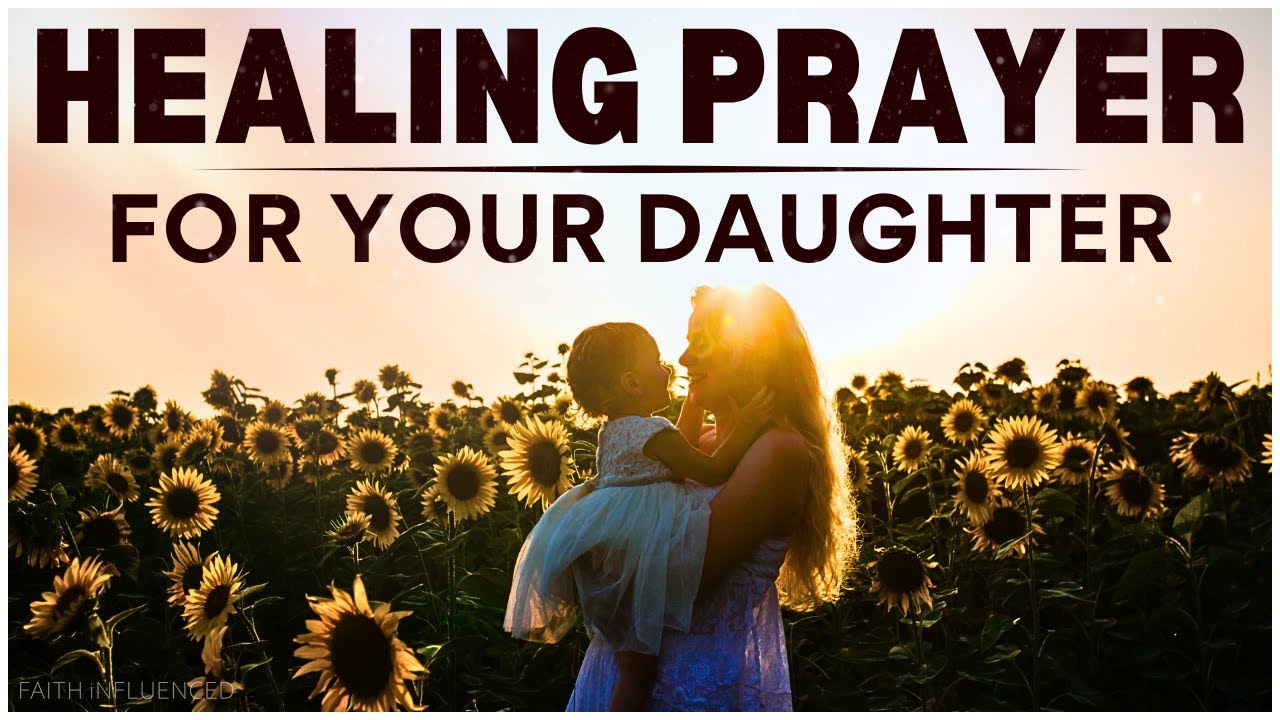
Prayer for the sick daughter
When your child is unwell, finding the right words can feel overwhelming. A gentle, sincere prayer for the sick daughter can offer comfort, focus, and a sense of hope in the middle of uncertainty. Whether you practise a particular faith or simply want to express love and concern, prayer can help you slow down, breathe, and bring your worries into the light.
This guide brings together supportive ideas, practical steps, and example texts to help you shape a prayer for the sick daughter that fits your beliefs and context. You will also find tips for caring for yourself, thoughtful answers to common questions, and links to trustworthy resources.
What is prayer for the sick daughter and why does it matter?
Put simply, prayer for the sick daughter is a heartfelt expression of love and hope for a child who is ill. For many, it is a conversation with God; for others, it is a mindful moment that sets an intention for healing and peace. It matters because it gives words to what the heart already feels: concern, compassion, and a longing for restoration.
Prayer is not a replacement for medical care, but a companion to it. It can steady a parent’s emotions, bring a family together, and point attention towards gratitude, resilience, and the next right step. Whether whispered at a bedside or shared with friends and relatives, a brief prayer for the sick daughter becomes a thread of connection in a stressful time.


Core elements of a meaningful prayer for the sick daughter
While there is no single correct format, many people find it helpful to include the following elements in a prayer for the sick daughter:
- Address: Who you are speaking to (for example, “Loving God,” “Heavenly Father,” “Lord,” or simply “Source of comfort”).
- Honesty: A few words naming the situation and how you feel.
- Request: Clear, compassionate asks—healing, strength, wisdom for clinicians, restful sleep, relief from pain.
- Support: A mention of family, friends, and carers who stand alongside your daughter.
- Trust: A brief expression of faith, hope, or openness to the best possible outcome.
- Gratitude: Thanks for small mercies—skilled staff, moments of calm, signs of progress.
How to write a heartfelt prayer for the sick daughter
These steps can guide you in composing a prayer for the sick daughter that feels natural and sincere:
- Pause and breathe: Spend a minute in quiet. Notice your thoughts, fears, and hopes.
- Name the moment: Write one sentence about what is happening (for example, “My daughter is in hospital awaiting tests.”).
- Keep it short: Two to four sentences are enough to pray deeply and clearly.
- Be specific: Ask for what would help today—pain relief, peace, rest, courage, wisdom for decisions.
- Use your tradition: Include a verse, blessing, or refrain if it comforts you.
- Close with trust: End with words of hope or surrender, such as “Amen,” “Let it be so,” or “I place her in your care.”
Example prayers you can adapt
Use the examples below as starting points. Feel free to change names, details, or language so each prayer for the sick daughter sounds like your own voice.
Short daily prayer
Loving God, hold my daughter today. Bring healing to her body, calm to her mind, and strength to her spirit. Guide those who care for her and give us patience and hope. Amen.
Christian prayer with Scripture
Lord Jesus, you welcomed children and blessed them. Please lay your healing hand on my daughter. Give wisdom to her doctors and nurses, and surround her with peace. “The Lord your God is with you… He will quiet you by his love” (Zephaniah 3:17). Amen.
For a gentle reflection on this verse, you may find this reflection on Zephaniah 3:17 helpful to read alongside your prayer.
Interfaith or inclusive prayer
God of compassion, be near to my daughter as she heals. May the light of your love surround her, may skilled hands care for her, and may hope rise within us all. Give us comfort, courage, and rest. Amen.
Secular or non-religious wording
Today I hold my daughter in kindness and strength. May she find relief, good care, and steady recovery. May we have patience, clear minds, and supportive people around us. I commit to hope and to the next helpful step.
Bedtime prayer for the sick daughter
God of peace, watch over my daughter through the night. Ease pain, soothe worries, and grant deep, healing sleep. Refresh her and us, and let tomorrow bring signs of progress. Amen.
Prayer during medical procedures
Lord, be with my daughter now. Steady the hands of those treating her and bring a good outcome. Keep fear far away and let your peace guard our hearts. Amen.
Prayer of thanks after improvement
Gracious God, thank you for the progress my daughter has made. Thank you for skilled staff, caring friends, and answered prayer. Continue to restore her to health, and teach us to live with gratitude. Amen.
Scripture, traditions, and practices that support prayer
Many Christians draw comfort from passages that speak of God’s nearness and care. For instance, the words of James encourage the church to pray for those who are unwell: James 5:14–15 on praying for the sick. Short verses from the Psalms can also become breath prayers in a waiting room or at the bedside.
If you come from a Catholic background, you might find it helpful to learn or revisit the how to pray the Divine Mercy Chaplet, especially during moments of anxiety. Many families use a simple rosary decade when energy is low. Others repeat a brief refrain, such as “God, be with my daughter,” as a steadying practice throughout the day.
Blending prayer with practical care
Prayer for the sick daughter belongs alongside appropriate medical advice and support. If you are unsure about symptoms or worried about your child’s condition, consult a healthcare professional. This NHS page on fever in children and when to get help can offer quick guidance on common situations in the UK.
At home, consider small rhythms that pair practical care with prayer or reflection:
- Set a gentle routine: a short prayer at medicine time, a blessing before sleep, or a few calm words before leaving for appointments.
- Use a comfort object: hold a favourite toy, keepsake, or blanket as you pray to create a reassuring association.
- Invite others: ask close family or trusted friends to join in a brief prayer for the sick daughter by text or call.
- Keep a journal: note daily concerns and answered prayers; progress often shows more clearly on paper.
- Care for the carers: eat, rest when you can, and accept help. Support for you supports your daughter.
Common mistakes to avoid
Even with the best intentions, it’s easy to slip into patterns that make prayer harder. Be mindful of these pitfalls:
- Over-complication: long, perfect-sounding words are not necessary. A simple prayer for the sick daughter is enough.
- Self-blame: illness is not a test you pass or fail by how you pray. Avoid turning prayer into pressure.
- Comparisons: every child and situation is different. Other families’ stories are not a measure of your faith.
- Neglecting care: prayer works best alongside medical guidance, rest, and practical support.
- Forgetting gratitude: even small improvements deserve thanks; gratitude nourishes resilience.
When faith feels fragile
Parents often say that illness shakes their confidence. If prayer feels difficult, try very short phrases: “Help us,” “Be near,” “Give us strength.” Or rest silently in the idea that God already knows. You might also borrow well-trodden words from your tradition or read a brief reflection like this meditation on Zephaniah 3:17 to re-centre.
If you need practical, non-spiritual support as a carer, organisations such as Carers UK on looking after your health provide clear, down-to-earth guidance for British families.
Helping siblings and wider family pray
Children and relatives may want to help but feel unsure how. Offer one short sentence they can say aloud together. For example, “Please help my sister to feel better and give our family peace.” Keep it age-appropriate, and encourage questions. A shared, simple prayer for the sick daughter can draw everyone closer without placing pressure on children to perform.
Creating a calm space for prayer
You do not need a special room to pray meaningfully. A chair by the window, a quiet corner, or even the car can become your sanctuary. Consider these gentle aids:
- A small candle (or electric tea light) to focus your gaze.
- A favourite photo to prompt gratitude and hope.
- Soft background music or a recorded blessing.
- One short text—perhaps a line from a psalm—to repeat.
Above all, keep it simple. The heart of prayer for the sick daughter is presence—showing up with honesty and love.
Sharing requests without oversharing
When others ask how they can help, you may wish to share a brief request: “Please keep [Name] in your prayers today; we’re praying for restful sleep and steady healing.” If posting online, keep details minimal to protect your daughter’s privacy. Encourage friends to use their own words; the variety of voices can be a comfort.
For those returning to prayer after a long time
Illness often brings people back to prayer. If you feel rusty or unsure, start with one sentence in the morning and one at night. If you wish, explore traditional texts; the Church of England offers a helpful collection of prayers for the sick and those who care for them. Take what helps, and release the rest.
Sample outlines to guide your words
If you prefer structure, try these outlines as templates for a personalised prayer for the sick daughter:
- Three-line prayer: Address (“God of mercy”), Ask (“heal, comfort, guide”), Trust (“I place her in your care”).
- Four Ps: Presence (acknowledge God), Problem (name what’s happening), Petition (what you need), Peace (rest in hope).
- Breath prayer: Inhale a name for God (“Loving Father”); exhale a request (“heal my daughter”). Repeat slowly.
Ways to involve your daughter in prayer
Depending on her age and how she feels, your daughter might want to join in. Keep it gentle:
- Offer two simple choices: “Shall I pray for comfort or for courage?”
- Use a short refrain: “God is with me,” “I am brave,” or “I am loved.”
- Draw or colour a “thank you” picture as a creative prayer.
- End with a blessing on her forehead or hand: “May peace be with you.”
Remember that participation should be invited, never forced. The goal of a prayer for the sick daughter is to help her feel safe and cared for.
Recommended external resources
- NHS guidance on fever in children and when to seek help for quick, reliable health advice.
- Church of England: prayers for the sick and carers for traditional prayers and blessings.
- Bible passages on praying for the sick (James 5:14–15) for Christian readers.
- Carers UK: looking after your health as a carer for practical support.
Frequently asked questions about prayer for the sick daughter
How often should I say a prayer for the sick daughter?
There is no strict rule. Many parents find a short morning and evening prayer helpful, with brief one-line prayers during the day. Follow your energy and needs—consistency matters more than length.
What if I don’t know what to say?
Keep it simple. You could say, “God, help my daughter and give us peace.” Silence also counts; sitting quietly with loving attention is a form of prayer. Borrowing a written prayer until words come back is perfectly fine.
Can prayer really make a difference?
Prayer can calm anxiety, focus attention, and strengthen family bonds. Many people also believe God listens and responds, though in ways we do not always expect. It is a powerful companion to good medical care, not a replacement.
How do I involve friends and family without sharing private details?
Offer a short update and a simple request: “Please pray for restful sleep and good test results.” You can mention a timeframe (“this week”) and one specific need. Protecting your daughter’s privacy is an act of care.
What if I feel angry or doubtful while praying?
Bring those feelings into your prayer—honesty is welcome. You might say, “I’m frustrated and afraid; please meet us in this.” Many find that naming difficult emotions reduces their power and makes space for hope.
Are there particular prayers I can use from tradition?
Yes. Many families draw from the Psalms, the Lord’s Prayer, or short blessings. You might also explore the Chaplet of Divine Mercy; here is a clear guide to how to pray the Divine Mercy Chaplet if that is meaningful in your tradition.
Conclusion on prayer for the sick daughter
In times of illness, words can be hard to find. A simple, sincere prayer for the sick daughter gathers your love, fear, and hope into a quiet, steady offering. It reminds you that you are not alone, and it creates space for comfort, courage, and clarity alongside good medical care.
Whether you prefer a brief daily line, a traditional text, or a personalised paragraph, let your prayer for the sick daughter be honest and kind. Draw strength from Scripture, from community, and from small routines that bring calm. Invite others to join you, and give thanks for each sign of progress.
Most of all, be gentle with yourself. Caring for a poorly child is demanding, and every parent needs support. As you continue to lift a prayer for the sick daughter, may peace accompany you, wisdom guide you, and hope sustain your family day by day.
