Prayer for the sick and suffering people: 5 essential, practical tips
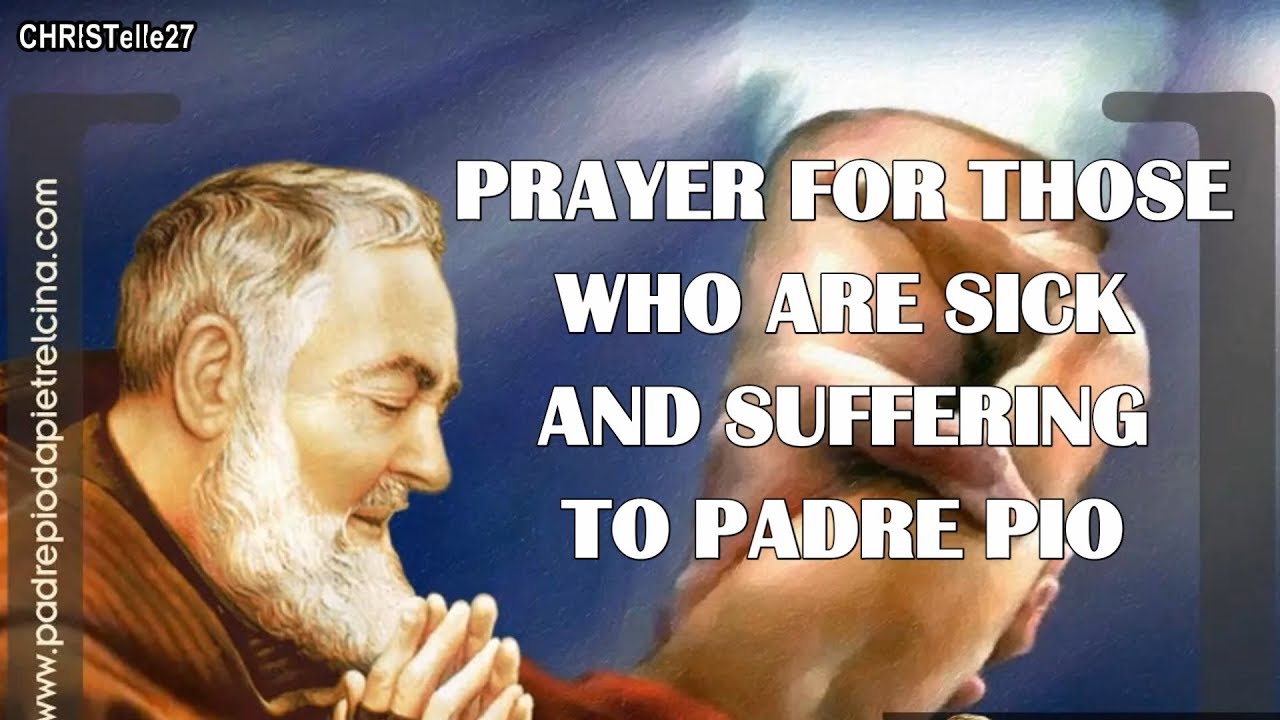
prayer for the sick and suffering people
In every community and tradition, people turn to prayer in times of pain and uncertainty. A thoughtful prayer for the sick and suffering people can bring comfort, courage and connection when life feels fragile. Whether you are a person of faith, a friend, or a carer looking for the right words, this guide offers practical, compassionate advice to help you pray with sensitivity and hope.
At its heart, prayer for the sick and suffering people is an act of presence. It acknowledges the reality of illness, lifts up the person in need, and invites strength beyond ourselves. It does not deny medical science; rather, it complements good care with spiritual support that many find deeply reassuring.
Below, you will find clear explanations, step-by-step suggestions, example prayers, and useful links to help you feel confident and respectful as you offer prayer for the sick and suffering people in different situations.
What do we mean by prayer for the sick and suffering people?
In simple terms, prayer for the sick and suffering people is a spoken or silent conversation with God (or a higher power) asking for healing, peace, resilience, and guidance. It can be offered by the person who is ill, by family or friends, by a faith leader, or by a community gathered in solidarity. Some people use traditional words from their faith; others prefer spontaneous, plain speech.


While the word “healing” is often used, prayer for the sick and suffering people is not a technique or guarantee of a specific outcome. Many believers understand healing broadly: recovery from illness if it is possible, but also relief from anxiety, the easing of pain, patience during treatment, and a sense of being loved and not alone.
Why prayer matters in times of illness and pain
When someone is facing diagnosis, treatment, chronic pain or uncertainty, daily life can feel overwhelming. A well-chosen prayer for the sick and suffering people can be a stabilising practice that restores perspective and brings hope. For many, it is also a way to express care when there are no easy answers.
Strength for the person who is ill
Prayer can reduce a sense of isolation and provide emotional steadiness. It can help the person name their fears, ask for help, and find courage for the next step.
Comfort for families and carers
Those who shoulder responsibility need encouragement too. Prayer can calm worry, renew compassion, and remind carers to look after their own wellbeing as they support others.
Unity and hope for communities
When communities gather to pray, they share burdens and renew bonds. A simple, inclusive prayer can help people move beyond helplessness and into practical solidarity.
How to offer prayer for the sick and suffering people with care and respect
The more attentive you are to the person’s needs, beliefs and boundaries, the more helpful your prayer will be. Here are steps that keep dignity and kindness at the centre.
- Ask permission first. “Would you like me to pray with you?” A respectful question allows the person to say yes, no, or not now.
- Keep it short and sincere. Two or three minutes can be enough. Focus on what matters to the person today.
- Use simple, inclusive language. Avoid jargon. If you know their tradition, honour it; if not, keep your words accessible.
- Name specific needs. Mention treatments, appointments, pain management, sleep, or peace of mind—whatever is relevant.
- Speak hope without making promises. Ask for strength and comfort rather than declaring outcomes you cannot control.
- Be present. Silence, a gentle pause, or a calm breath can be as meaningful as words.
- Follow up. If appropriate, check in later and keep the person in your ongoing prayers.
Simple frameworks and examples of prayer for the sick and suffering people
Use these templates as they are, or adapt them to your tradition and the person’s situation. They are designed to keep prayer for the sick and suffering people personal, grounded and compassionate.
A short general prayer
God of compassion, hold N. in your loving presence today. Give them courage for what lies ahead, relief from pain, and calm in their mind and body. Guide those who care for them, and surround them with kindness and hope. Amen.
Prayer before treatment or surgery
Gracious God, be with N. as they undergo this treatment. Steady their heart and thoughts; bless the hands and wisdom of the medical team; grant a safe and successful outcome, and a smooth recovery. Give N. patience, rest and renewed strength. Amen.
Prayer in chronic illness
Faithful God, when days are long and energy is low, be N.’s strength. Ease pain, lift discouragement, and help them find moments of joy. Sustain family, friends and carers with compassion that does not run dry. Amen.
Prayer for mental and emotional wellbeing
God of peace, calm N.’s anxious thoughts and quiet their fears. Bring clarity, stable moods and supportive people. May they know they are valued, safe and loved. Guide them to the help they need, and renew their hope. Amen.
Prayer for carers and family
God of all tenderness, strengthen those who care for N. Give them patience, wisdom in difficult choices, and rest when they are weary. Help them to feel supported and not alone, and keep love at the heart of all they do. Amen.
A simple prayer with the person
If the person is able and willing, invite them to speak a line—“Today I ask for…”—and include their words in your prayer. This keeps the prayer focused on what they truly want and need.
Scripture and tradition that inspire prayer for the sick and suffering people
Many Christians draw comfort from Scripture when offering prayer for the sick and suffering people. For example, James encourages believers to pray with and for those who are ill; you can read this passage at James 5:14–15 on Bible Gateway. Psalms such as Psalm 23 (“The Lord is my shepherd”) are widely used at bedsides and in times of fear.
Catholic and many other traditions also practise pastoral rites in serious illness. To learn how the Church understands and ministers through the Sacrament of the Anointing of the Sick, see the Catechism of the Catholic Church on the Anointing of the Sick. These teachings can deepen the sensitivity and reverence with which we pray.
For devotional prayer, many find comfort in the Divine Mercy Chaplet, especially when asking for mercy, strength and trust in God during illness. For scriptural encouragement about God’s nearness and care, you may reflect on the meaning of Zephaniah 3:17 and its message of God rejoicing over his people with love.
For more contemporary, pastoral language, the Church of England offers a variety of short intercessions and meditations suitable for home or hospital contexts. Explore their curated collection at Topical Prayers from the Church of England.
Common mistakes to avoid in prayer for the sick and suffering people
- Making promises you cannot keep. Avoid suggesting that a certain prayer will definitely cure. Instead, ask for help, strength and peace.
- Talking too long. Keep your prayer short and focused; long speeches may tire the person.
- Ignoring the person’s beliefs. Use language that respects their tradition and preferences. If you are unsure, ask.
- Over-spiritualising pain. Do not imply that illness is a punishment or a test they must pass. Keep tone gentle and compassionate.
- Forgetting practical needs. Prayer is powerful, and so is a cooked meal, a lift to an appointment, or help with paperwork.
- Speaking for the person. Whenever possible, invite them to share what they want prayer to include today.
Integrating prayer with practical support and clinical care
Prayer is not a substitute for medical advice or treatment. The best support blends spiritual care with responsible health decisions. Offer to pray, and also offer practical help: transport, childcare, shopping, or simply your time. If you accompany someone to hospital, a brief prayer in the car or waiting room can be grounding.
Work alongside healthcare professionals
Encourage the person to follow their treatment plan and to communicate openly with clinicians. In prayer, you can ask for skill, insight and cooperation among the care team. This approach honours both faith and science.
Build a rhythm of care
Create a simple routine—perhaps a short daily prayer message, a weekly card, or a shared moment of quiet. Consistent gestures help the person feel held by their community.
When words are hard to find
There will be days when tiredness or fear makes conversation difficult. In those moments, gentle presence, a blessing, or a few lines from a familiar psalm can mean a great deal. Even silently holding the person in your heart can be a prayer for the sick and suffering people when speech is not possible.
Helpful structures for different settings
At home or in a small group
- Begin with a moment of silence or a slow breath.
- Name the person and their situation simply and respectfully.
- Ask for specific help: effective treatment, relief from pain, sleep, courage.
- Include carers by name if appropriate.
- End with a short blessing.
In hospital or a care home
- Check with staff about timings and any protocols.
- Keep your voice gentle and your words brief.
- Be attentive to the person’s comfort; do not prolong the visit if they are tired.
In a congregation or community
- Keep personal details confidential unless you have permission to share.
- Use inclusive language that acknowledges all who are ill, present or absent.
- Signpost practical support (meals rota, visits, transport) alongside prayer.
Recommended external resources
- Topical Prayers from the Church of England – short, accessible prayers for many situations, including illness.
- Catechism: The Anointing of the Sick – background on a key Christian ministry to the ill and suffering.
- James 5:14–15 on Bible Gateway – a scriptural foundation for praying with those who are unwell.
Related articles
Frequently asked questions about prayer for the sick and suffering people
What should I say if I feel unsure or nervous?
Keep it simple and sincere. You might begin, “God of love, please be near to N. today. Give them strength and peace.” Avoid long speeches. A calm tone and brief prayer are enough.
Is it appropriate to lay a hand on someone when praying?
Only with explicit consent, and never if it would cause discomfort. Ask, “Would you like me to hold your hand while I pray, or shall we just sit together?” Respect their answer completely.
How often should I offer prayer for someone who is ill?
There is no fixed rule. Little and often tends to be most supportive. You can let them know you will keep them in your prayers daily, and occasionally ask whether they would like a short prayer together.
What if the person is not religious?
Offer words that focus on care and encouragement, or ask what would help them feel supported. If prayer is unwelcome, a moment of quiet, a blessing without religious language, or a simple “I’m with you” can still be meaningful.
