Prayer for the Sick and Needy: Essential Guide – 7 Effective Prayers
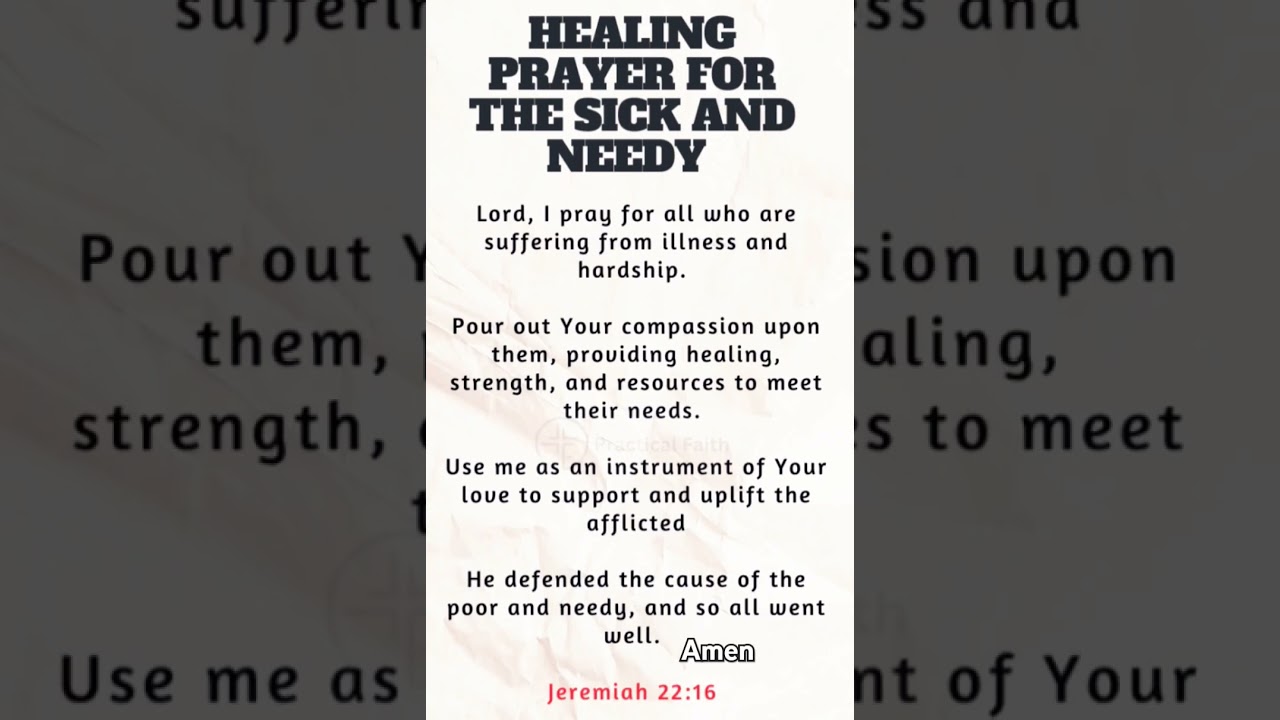
prayer for the sick and needy
At times of illness, uncertainty, or hardship, many people naturally turn to prayer for solace and strength. A prayer for the sick and needy brings our concern, compassion, and hope into words, offering comfort to those who suffer and focus to those who care for them. Whether you are praying personally, with a loved one, or in a community setting, this guide will help you approach prayer for the sick and needy with warmth, respect, and confidence.
This article explores what prayer for the sick and needy is, why it matters, how to offer it thoughtfully, and how to combine prayer with practical care. You will find simple structures to follow, example prayers you can personalise, common pitfalls to avoid, answers to frequent questions, and useful links for further support.
What is prayer for the sick and needy?
Prayer for the sick and needy is a form of intercession—bringing the needs of others before God. It is a compassionate response to suffering, a way of expressing love, and a practice that strengthens both the person who prays and the person for whom the prayer is offered. Across Christian traditions, and indeed many faiths, people ask for healing, peace, courage, and provision, trusting God’s presence in every circumstance.
It is important to say that prayer complements, rather than replaces, appropriate medical care, counselling, and social support. A thoughtful prayer for the sick and needy often includes gratitude for healthcare professionals, support for family and carers, and a request for wisdom in decisions about treatment. It also recognises that healing can take many forms—physical recovery, emotional resilience, restored relationships, or deepened peace.


Why prayer for the sick and needy matters
Comfort, connection, and hope
Illness and hardship can feel isolating. Praying together can reduce that sense of isolation by creating a shared moment of care and attentiveness. For many, it brings a renewed awareness of God’s closeness and the reassurance that they are not facing difficulties alone. A calm, well-chosen prayer can steady breathing, reduce tension, and lift the heart, even if just a little, in the midst of uncertainty. While prayer is not a substitute for treatment, it can sit alongside professional help to support overall wellbeing. For guidance on supporting loved ones with emotional or mental health challenges, the NHS provides practical advice in its page on supporting someone else’s mental health and wellbeing.
Community and practical action
A sincere prayer for the sick and needy often moves people from words to action. After praying, many feel prompted to offer a meal, send a card, help with transport, or simply sit in quiet companionship. Prayer can focus a community’s care on what really helps, avoiding unhelpful busyness. In churches and prayer groups, intercession can be accompanied by organised pastoral support, safeguarding good boundaries, and respecting confidentiality.
How to offer prayer for the sick and needy
There is no single “right” way to pray, but there are wise practices that make the moment more considerate and effective:
- Ask permission. “Would it be OK if I pray with you for a minute?” Respect the answer.
- Use the person’s name and, if they wish, ask what they would like prayer for today.
- Be specific but sensitive. Mention what you know, without going into private details.
- Keep it simple and short. A focused prayer often helps more than a long speech.
- Hold hope and honesty together. Pray for healing and strength while acknowledging reality.
- Use inclusive, gentle language—especially in mixed or interfaith settings.
- Close with reassurance. “We entrust this to you, Lord. Amen.”
If you’re used to devotional forms, you might blend intercession with set prayers. For example, many Christians turn to the Divine Mercy Chaplet to intercede for the unwell and those in hardship, finding rhythm and comfort in familiar words.
A simple structure you can follow
- Address God: “Loving God” or “Heavenly Father” (or “Merciful Lord” in more formal settings).
- Thanksgiving: a short note of gratitude for the person and those caring for them.
- Request: ask for healing, relief from pain, courage, guidance, and provision.
- Wider circle: pray for family, friends, carers, and clinicians.
- Trust: entrust the situation to God’s wisdom and love, asking for peace.
- Closing: “In Jesus’ name, Amen” (or a respectful, inclusive close like “Amen”).
When you need words of assurance, short scripture verses can help. For example, the promise of God’s presence in Zephaniah can be deeply consoling; you can reflect on this in Zephaniah 3:17, a verse often used in times of distress.
Examples: short and longer prayer for the sick and needy
Use these as starting points. Feel free to adjust names, details, and tone to suit the person and context.
Very short prayers
- Loving God, hold [Name] in your gentle care today. Bring relief, courage, and hope. Amen.
- God of compassion, lighten [Name]’s pain and strengthen those who support them. Amen.
- Merciful Lord, give peace of mind and steady heart to [Name] in this hour. Amen.
- Gracious Father, guide the hands and minds of all treating [Name]. Bless them with wisdom. Amen.
- Holy God, be near every person who suffers, especially the sick and those in need. Amen.
Short prayer for individual needs
Heavenly Father, we lift [Name] to you. Ease their pain, calm their anxiety, and give them deep rest. Grant clarity to those making decisions, and surround this family with kindness. In your mercy, bring healing, and if not healing today, then strength and peace for this moment. Amen.
A simple community prayer for the sick and needy
Loving God, look with compassion on all who are unwell or overwhelmed. For those waiting for tests or treatment, grant patience and courage. For carers and clinicians, give stamina and wisdom. For families under pressure, provide practical help and gentle support. May our community be a place of welcome, listening, and faithful care. Amen.
When you cannot be physically present
God of all comfort, though we are apart, we entrust [Name] to your unfailing love. Be their strength this night and their light at daybreak. Keep them from fear, and let them know they are remembered and cherished. Sustain all who attend them, and bring us together again in health and joy. Amen.
Interfaith-friendly wording
Source of life and love, be near to [Name] in their illness. Grant relief, resilience, and calm. Give wisdom to those who care, and kindness to those who visit. May peace rest upon them, now and in the days to come. Amen.
Praying with someone in person or online
In person
- Choose a calm moment. Ask whether now is a good time and where they are most comfortable.
- Mind body language. Sit at eye level if possible. Avoid uninvited touch; a simple “Would you like me to hold your hand?” lets them decide.
- Keep it brief. Two or three minutes is usually enough. Silence can be part of prayer.
- Check in afterwards. “How are you feeling?” They may want to rest or talk; let them lead.
By message, voice note, or video
When distance or infection control makes visits difficult, a short recorded prayer can be meaningful. Type or record a simple prayer for the sick and needy, using the person’s name and one or two specifics they have shared. Keep the tone gentle. Avoid health advice; leave that to professionals.
Common mistakes to avoid in prayer for the sick and needy
- Overpromising outcomes. Pray with faith and hope, but do not imply that a lack of recovery reflects “weak faith”. That can be deeply hurtful.
- Turning prayer into a lecture. Keep your words focused on care, not on the person’s lifestyle, choices, or theology.
- Ignoring consent and boundaries. Always ask before praying, touching, or sharing someone’s situation with others.
- Speaking for too long. Respect their energy levels. Short and sincere often helps more than lengthy speeches.
- Offering unqualified medical advice. Encourage people to follow the guidance of their clinicians and seek further help when needed.
Joining prayer and practical care
Prayer and action belong together. As you offer a prayer for the sick and needy, consider what practical steps might follow: preparing a meal, arranging transport to appointments, offering childcare, or simply checking in at an agreed time. Ask what would truly help rather than assuming. In some situations, signposting is vital: the NHS provides clear guidance on how to support someone else, and the World Health Organization outlines the basics of palliative care and comfort measures.
For those who appreciate set prayers, hymn texts, or litanies, it can be helpful to combine extemporaneous words with time-tested resources. The Church of England offers a selection of prayers for the sick and those who care for them that you may use privately or in small groups. If someone is in crisis or at risk of self-harm, contact emergency services and consider reaching out to Samaritans for immediate listening support.
Shaping your own prayer for the sick and needy
Writing your own words helps you express care in a way that feels authentic. Before you begin, take a moment of quiet. Imagine placing the person gently into God’s hands. Then, following the simple structure above, write two or three sentences for each part. Keep the language everyday and avoid clichés. If you are praying with someone who has different beliefs, use inclusive terms like “God of compassion” or “Source of life”.
For regular use, you might create a small list of names or situations to remember each day, and a journal note of how you prayed. This can keep your intercession focused and reminds you to check in or help practically where appropriate.
Encouragement when answers seem slow
One hard aspect of prayer is waiting. Recovery may take time, complications may arise, and some conditions become chronic. In those seasons, prayer for the sick and needy often shifts gently: from “make this end now” to “give us strength for each step” and “show us your presence in the middle of this”. Support can then include pacing activities, celebrating small improvements, and acknowledging griefs along the way.
Many find it liberating to remember that God’s care is not measured solely by immediate outcomes. Comfort, companionship, and the steadying peace that passes understanding are also gifts to seek and treasure.
Recommended external resources
- Church of England: prayers for the sick and those who care for them – a range of set prayers for personal and group use.
- NHS: supporting someone else – practical guidance on helping someone with their health and wellbeing.
- World Health Organization: palliative care – overview of comfort, symptom control, and family support.
- Samaritans: contact a Samaritan – UK listening support if you or someone you know is struggling.
Frequently asked questions about prayer for the sick and needy
How long should a prayer for the sick and needy be?
Short and sincere often works best—one to three minutes is usually enough, especially if the person is tired or in pain. In groups, you can invite several short prayers rather than one long one, allowing space for silence.
What if the person I’m praying for does not share my faith?
Ask respectfully whether they would like you to pray, and be ready to use inclusive language (“God of compassion” or “Source of life”). If they prefer not to pray, you can say you will “hold them in your thoughts” or “wish them peace and strength”, and find practical ways to help.
Is it appropriate to lay a hand on someone when praying?
Only with clear permission, and never in clinical or sensitive areas. Many people appreciate a gentle touch on the shoulder or hand, but some do not. Always ask first: “Would you be comfortable if I placed a hand on your shoulder while we pray?”
Can I send a written prayer by text or card?
Yes. A brief, compassionate note can be very encouraging, especially when visits are not possible. Use the person’s name, keep it simple, and avoid medical advice. A message such as “Holding you in prayer today for calm and strength” is usually welcome.
How do I avoid saying the wrong thing?
Focus on the person’s needs, not on explanations for suffering. Avoid suggesting that recovery depends on their faith. Keep the tone hopeful but realistic, and let the person set the pace for conversation. If unsure, ask: “What would be most helpful for me to pray for today?”
What should I pray when there is no clear diagnosis?
Pray for clarity, wisdom for clinicians, relief from anxiety, and patience during waiting. A gentle prayer for the sick and needy in uncertain times might be, “Guide tests and decisions; hold [Name] in your peace while we wait.”
What if I run out of words?
Silence can be prayerful. You might say, “Lord, you know our needs better than we can say,” and rest quietly for a few moments. Set prayers, such as the Lord’s Prayer or short litanies, can also help when words are hard to find.
Conclusion on prayer for the sick and needy
When offered with warmth, wisdom, and respect, prayer for the sick and needy becomes a lifeline of compassion. It gathers our concern into words, steadies hearts in uncertainty, and reminds us that no one faces illness or hardship alone. Simple, sincere prayers—especially when combined with practical support—can convey deep care and hope.
As you craft your own words, keep them short, specific, and kind. Ask permission, use gentle language, and entrust outcomes to God with humility. Whether you pray at a bedside, over the phone, or in a message, a thoughtful prayer for the sick and needy can soothe, strengthen, and draw communities together in love.
Above all, persevere. Continue to remember people by name, check in with tangible help, and give thanks for every sign of grace along the way. In doing so, you honour both the dignity of those who suffer and the call to faithful, loving intercession through every season.
