Prayer for the sick and healing catholic: essential guide, 7 key tips

prayer for the sick and healing catholic
When someone we love is unwell, it is natural to look for words and rituals that bring comfort, hope, and a sense of God’s closeness. In that spirit, prayer for the sick and healing catholic is a living tradition of faith that embraces both heartfelt personal prayer and the Church’s sacramental care. This guide explains what it means in practice, how to pray for someone who is ill, what the Church teaches about healing, and how prayer sits alongside medical treatment and compassionate support.
At its heart, prayer for the sick and healing catholic isn’t a magic formula. It is a way of bringing the person, their needs, and those who care for them into the loving presence of God. Whether you are new to prayer or have prayed for years, you will find here clear, respectful and practical advice to help you pray with confidence and kindness.
Understanding prayer for the sick and healing catholic: roots, meaning, and hope
To understand prayer for the sick and healing catholic, it helps to begin with the Gospel. Jesus’ ministry was full of compassion for the ill and the suffering. He healed bodies and lifted spirits, and He drew near to those who felt alone or afraid. The Church continues this mission today through prayer, pastoral care, and the sacraments, especially the Anointing of the Sick and the Eucharist.
Healing and cure: two related but different gifts
Healing is broader than cure. Cure is the removal of illness; healing is the restoration of peace, reconciliation, courage, and trust—even when physical cure is not possible. A mature understanding of prayer for the sick and healing catholic seeks both, while entrusting outcomes to God. We pray boldly, and we also pray for patience, strength, wisdom for clinicians, and the grace to live each day fully.

The role of the sacraments
In Catholic life, healing is closely linked to the sacraments. Confession brings forgiveness; Holy Communion unites us to Christ, the Bread of Life; and the Anointing of the Sick offers a special grace of strengthening, peace, and courage for those seriously ill or facing major surgery. We will explore this sacrament below in more detail, as it is central to prayer for the sick and healing catholic.
Communion of Saints and intercession
As Catholics, we believe we do not pray alone. We ask the prayers of Mary and the saints, our elder brothers and sisters in faith, and we pray for one another. This communion gives shape to prayer for the sick and healing catholic: family and friends can gather, parish communities intercede at Mass, and the Church universal prays for those in need.
How to pray for someone who is ill
There is no single “right” way to practise prayer for the sick and healing catholic, but the following steps offer a gentle structure. Whether you are praying on your own or with the person who is unwell, keep things simple, sincere, and respectful of their needs and energy.
Personal prayer at home
Begin by becoming quiet. Light a candle if it helps, place a cross or a favourite picture nearby, and speak to God from the heart. You might say a short prayer like this:
“Lord Jesus, You are close to the broken-hearted and You heal the sick. Please look with love on [Name]. Give them relief from pain, courage for today, and hope for tomorrow. Bless those who care for them with skill and compassion. May Your peace guard their heart and mind. Amen.”
In personal prayer, you may add the Our Father, Hail Mary, or a decade of the Rosary. Many also find the Divine Mercy Chaplet prayer a powerful devotion for entrusting the sick to God’s mercy as part of their prayer for the sick and healing catholic.
Praying with Scripture
God’s word brings comfort. Read a short passage slowly, leave a pause, and let a word or phrase settle in the heart. Helpful passages include: Psalm 23; Psalm 27:1; Isaiah 41:10; Matthew 11:28–30; Mark 5:34; Luke 10:9; John 14:27; Romans 8:38–39; James 5:14–15; 2 Corinthians 12:9. Scripture strengthens the soul and supports prayer for the sick and healing catholic with God’s own promises.
Praying with the person who is unwell
Always ask permission first and keep it brief. If the person is tired, a sign of the cross and a one-line blessing may be best. You can hold a hand if welcome, use simple words, and finish with the Our Father. If appropriate, ask the person if there is anything specific they would like to pray for. In the spirit of prayer for the sick and healing catholic, let the person lead the pace.
Praying in community: Mass intentions and parish support
Ask your parish to offer a Mass for the person’s intention, or include them in the bidding prayers. Prayer groups can intercede quietly and steadily. Incorporating the sick into the community’s worship is a tangible way of living prayer for the sick and healing catholic.
The Sacrament of the Anointing of the Sick
Central to prayer for the sick and healing catholic is the Anointing of the Sick, given by a priest to those who are seriously ill, weakened by old age, or facing major surgery. The sacrament is not only for the final hours of life. It can be received more than once if an illness worsens or a new serious condition arises. The rite involves prayers, a laying on of hands, and anointing with the Oil of the Sick on the forehead and hands.
To understand the sacrament theologically and pastorally, see the Catechism of the Catholic Church on Anointing of the Sick: official Catechism teaching on the Anointing of the Sick, and the overview from the United States bishops: USCCB explanation of Anointing of the Sick. These resources explain how sacramental grace strengthens the sick, forgives sins (if the person is unable to confess), and unites their suffering to Christ.
When someone is very ill, do not wait until the last minute. Contact the parish or hospital chaplaincy for a visit. Within the wider circle of prayer for the sick and healing catholic, the sacrament is a privileged moment of comfort, peace, and spiritual healing.
Prayers to Our Lady and the saints
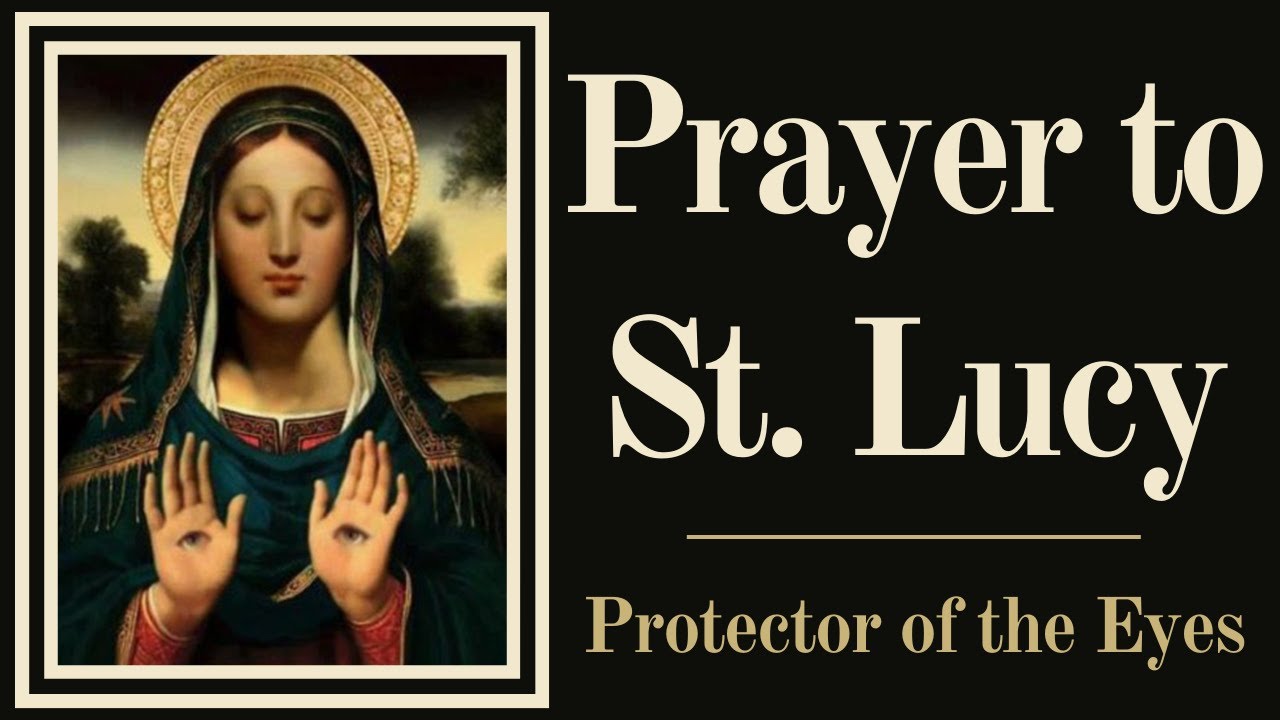
Many Catholics turn to Our Lady under the title of Health of the Sick and to saints known for their intercession in illness. This dimension enriches prayer for the sick and healing catholic by drawing on the experience of holy men and women who leaned on God in times of suffering.
- Our Lady of Lourdes: Associated with compassion and healing. The Lourdes shrine offers prayer resources and testimonies of hope: Sanctuary of Our Lady of Lourdes official site.
- St Peregrine: Patron of those with cancer. Ask his intercession for strength during treatment.
- St Raphael the Archangel: A guide and healer in Scripture (Tobit). Pray for safe journeys to hospital and wise decisions.
- St Camillus de Lellis and St John of God: Patrons of the sick and those who care for them.
A short Marian prayer might be: “Mary, Health of the Sick, be close to [Name] and to all who love them. Pray for healing, patience, and peace. Lead us to your Son, our Divine Physician. Amen.” Such prayers are a natural part of prayer for the sick and healing catholic, always pointing to Christ.
Keeping prayer grounded, compassionate, and wise
Prayer blossoms when it is realistic and full of love. The following pointers help keep prayer for the sick and healing catholic both hopeful and grounded.
- Be respectful of the person’s wishes. Ask before praying aloud or using sacramentals like holy water.
- Support, don’t pressure. Some days the person may prefer silent prayer or simply your quiet presence.
- Pair prayer with practical help: lifts to appointments, preparing a meal, or tidying up.
- Affirm medical care. Prayer and medicine are friends, not rivals. Pray for clinicians and treatments to be effective.
- Keep promises realistic. Avoid saying “God will definitely do X by Friday.” Instead, entrust the person to God’s faithful love.
- Use simple language. The most beautiful prayers are often short and sincere.
If you come from a mixed-faith family or are curious about differing traditions, it can be helpful to understand similarities and distinctions in Christian practice; for a clear overview, see Orthodox vs Catholic differences. Appreciating these nuances can broaden our respect while remaining rooted in prayer for the sick and healing catholic.
Examples of short prayers you can adapt
Below are brief, original prayers you can personalise. They can be said together or privately as part of your prayer for the sick and healing catholic.
- For peace: “God of all comfort, calm [Name]’s fears and steady their breathing. Let Your peace rest upon them now.”
- For strength: “Lord, lend [Name] Your strength for this treatment and this day. Hold them close when they feel weak.”
- For carers: “Compassionate God, bless all who care for [Name] with patience, kindness, and renewed energy.”
- For trust: “Jesus, we place our trust in You. Guide decisions, bless remedies, and draw good even from difficulty.”
Common mistakes in prayer for the sick and how to avoid them
Even with good intentions, it’s easy to slip into habits that don’t help. Here are some gentle corrections that keep prayer for the sick and healing catholic thoughtful and supportive.
- Talking too much: Allow silence. God works in quiet as well as words.
- Imposing your timetable: Healing unfolds in God’s time. Pray with perseverance but without pressure.
- Neglecting consent: Always ask before laying on hands or using religious objects.
- Overpromising: Avoid implying that a lack of immediate cure means “not enough faith.” God’s love is not a test.
- Ignoring grief: Make room for sadness, lament, and honest feelings. The Psalms teach us to bring every emotion before God.
Bringing everything together: prayer, sacraments, and daily life
In day-to-day life, prayer for the sick and healing catholic often looks like small, faithful acts: a whispered prayer in a hospital corridor, offering a Rosary for a loved one, arranging a priest’s visit, or adding a name to a parish prayer list. It is also a steady turning to Christ in the Eucharist, joining sufferings to His, and trusting that nothing—not even illness—can separate us from His love (Romans 8:38–39).
For those who like to read further background, a classic theological resource is the Catholic Encyclopedia’s entry on the sacrament historically known as Extreme Unction (now Anointing of the Sick): New Advent article on Anointing of the Sick. This complements the modern presentation offered by the Catechism and helps frame prayer for the sick and healing catholic within the Church’s long memory.
Related articles
Recommended external resources
- Catechism of the Catholic Church: Anointing of the Sick (official teaching)
- USCCB overview of the Anointing of the Sick
- Sanctuary of Our Lady of Lourdes: prayer and pilgrimage resources
- New Advent: Anointing of the Sick (historical and theological background)
Frequently asked questions about prayer for the sick and healing catholic
Is it appropriate to ask God for a physical cure?
Yes. Jesus invited people to ask, seek, and knock. It is fully appropriate to ask for healing of body, mind, and spirit. At the same time, we also ask for courage, patience, and trust, knowing that God’s healing can come in many forms. Prayer for the sick and healing catholic expresses honest desire and deep trust together.
When should we call a priest for the Anointing of the Sick?
Call sooner rather than later when someone is seriously ill, elderly with frailty, or about to undergo a significant operation. Do not wait until the final moments of life. The sacrament is a beautiful help and a key part of prayer for the sick and healing catholic.
Can lay people lay hands on the sick when praying?
Lay people may pray with the sick and, with permission, lightly lay a hand on the shoulder or hold a hand as a sign of support. Only priests administer the Anointing of the Sick. Always ask the person’s consent and be sensitive to their comfort.
What if the person I’m praying for is not Catholic?
Use simple, inclusive language and avoid assuming beliefs. You can pray for peace, strength, and guidance, and you can silently ask God’s blessing. The spirit of prayer for the sick and healing catholic is generous and respectful.
Does praying mean we are not trusting doctors?
Not at all. Prayer and medicine belong together. We can pray for wisdom for clinicians, good outcomes from treatments, and strength for recovery. Integrating both is a
