Prayer for the royal family jewish: essential guide – 5 keys
prayer for the royal family jewish
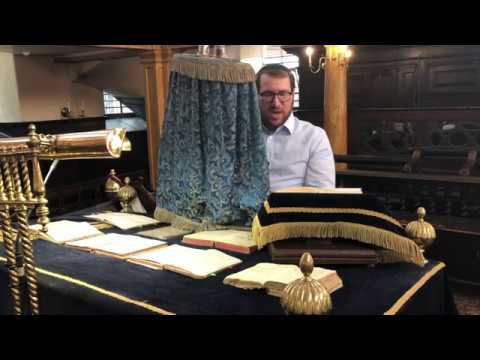
The prayer for the royal family jewish is a brief, dignified supplication recited in many synagogues across the United Kingdom and other Commonwealth countries. Rooted in classical Jewish sources that urge communities to pray for the welfare of their rulers, it expresses loyalty, gratitude, and a hope for peace and prosperity under the Crown. Whether you attend an Ashkenazi, Sephardi, or other tradition-affiliated congregation, you are likely to hear this prayer delivered in Hebrew, in English, or both, as part of the Shabbat morning service.
In this guide, we will explore what the prayer for the royal family jewish is, why it matters, where it comes from, and how it is used today. We will also outline common variations, practical tips for reciting it correctly, and the differences between this prayer and the broader “Prayer for the Government” that many Jewish communities say around the world. If your synagogue is looking to update its liturgy or you are simply curious about community practice, you will find all you need to know here.
What is the prayer for the royal family jewish?
At its simplest, the prayer for the royal family jewish is a formal blessing recited on Shabbat and festivals, asking the Almighty to guard, guide, and grant success to the Sovereign, the Consort, the Heir, and the wider Royal Family. In the British context today, the text typically blesses His Majesty the King, Her Majesty the Queen, the Prince and Princess of Wales, and all members of the Royal House, though the exact names and titles are updated as circumstances change.
The prayer can be read or chanted. Some congregations prefer the Hebrew version that draws from the traditional opening “May He who gives salvation to kings” (a line familiar from older siddurim), while others use an English rendering sanctioned by communal rabbinic authorities. The intent remains the same: to affirm the Jewish duty, famously taught in the Mishnah (Avot 3:2), to pray for the welfare of the ruling power so that society can flourish in peace and order.
Origins and history
Jewish prayer on behalf of monarchs and governments has a long pedigree. The biblical book of Jeremiah (29:7) instructs the exiled community to “seek the peace of the city” where they live and to pray for it, while the Mishnah (Pirkei Avot 3:2) explicitly tells Jews to pray for the welfare of the government because, without it, people would swallow one another alive. This ethic of communal responsibility carried through medieval and early modern periods, with Jewish communities crafting local texts that named kings, queens, princes, and civic authorities in their lands.
In Britain, the modern form of the prayer for the royal family developed in the 18th and 19th centuries, with versions appearing in siddurim used by the United Synagogue and other communities. The well-known “Singer’s Prayer Book,” associated with Chief Rabbi Nathan Marcus Adler and later editions, helped standardise a widely used English text. Over time, the names within the prayer have been adjusted to match each reign, ensuring it always reflects the current Royal Household. For a clear historical overview with references, see the historical overview of the Jewish Prayer for the Royal Family.
When and where is it said?
Most UK synagogues recite the prayer for the royal family jewish on Shabbat morning after the Torah reading and before the rabbi’s sermon or announcements, though local practice varies. It is also commonly said on festivals and at civic events where synagogue leadership wishes to mark a national occasion—such as coronations, royal jubilees, or national days of remembrance.
Beyond the UK, synagogues in Commonwealth realms and former Commonwealth communities may recite a localised version referencing the monarch and their representatives (such as the Governor General). In other countries, the parallel is a “Prayer for the Government” which mentions presidents, prime ministers, and public officials by title. The underlying principle is the same: Jews pray for the welfare of the polity in which they live.
Text, language, and melodies
The text of the prayer for the royal family jewish varies slightly between communities, but most versions share a set of themes:
- Invocation of God’s sovereignty and protection over kings and leaders.
- Blessings for the monarch: life, health, wisdom, and success.
- Requests for justice, peace, compassion, and the welfare of the nation.
- Mention of the Royal Family members and occasionally the armed forces and public servants who safeguard society.
Some congregations chant the Hebrew preface often known as “HaNoten Teshu’ah” and then read an English paragraph naming the Sovereign and the Royal Household. There are tunes traditional to London and other centres, sometimes solemn and sometimes triumphal. For an example of the text used in many Orthodox congregations, see the United Synagogue’s resource: text used in many United Synagogue communities. You can also consult the authorised version in the Sacks Siddur tradition at authorised version from the Sacks siddur.
Halachic and ethical foundations
Why do we say the prayer for the royal family jewish at all? Jewish law and ethics emphasise civic peace. The Mishnah’s directive to pray for the authorities sits alongside the rabbinic principle of “dina de-malkhuta dina” (the law of the land is binding), shaping a posture of constructive citizenship. Praying for the monarch is not a political endorsement of any policy; rather, it is a spiritual expression that leaders be guided to wise, compassionate governance, enabling communities to pursue their religious life, charity, education, and good works in safety.
Historically, this prayer also served as a public signal of the Jewish community’s loyal participation in national life. In times of social tension, the prayer could be a bridge: a shared hope that those with responsibility would seek the common good. The ethos is universal; in places without a monarchy, the equivalent prayer for the government expresses the same values. You can read the classic source in English and Hebrew here: source in Pirkei Avot 3:2.
How to adapt the prayer for the royal family jewish for your community
Communities occasionally need to review their liturgy—after a coronation, for example, or when roles and titles change within the Royal Household. Here are practical recommendations to ensure the prayer for the royal family jewish remains correct and respectful:
- Use an approved template. Start with a text endorsed by your synagogue’s umbrella body or the Chief Rabbi’s office. This provides consistency across congregations.
- Update names and titles. Replace the previous Sovereign with the current one and adjust references to the Consort and the Heir apparent (the Prince and Princess of Wales in the contemporary UK context). Check spellings and styles.
- Keep the core themes. Preserve requests for wisdom, justice, health, and protection, and the closing hopes for peace and blessing for the country.
- Coordinate language choices. Decide whether to use Hebrew, English, or both. Many communities chant a short Hebrew line and then read the English paragraph.
- Decide the placement in the service. Most place it after the Torah reading, but follow your congregation’s established custom.
- Train the reader. Provide a clear copy on the lectern. If sung, choose a familiar melody and rehearse the pace and emphasis.
- Communicate the change. When updates occur, let congregants know so that everyone can follow and respond appropriately.
Common mistakes when reciting the prayer for the royal family jewish
Because the prayer is short, it is tempting to treat it casually—but accuracy matters. Here are frequent pitfalls:
- Using outdated names or titles. Ensure the text reflects the current Monarch, Consort, and Heir.
- Misplacing the prayer in the service. Follow your minhag (custom) so congregants know when to stand and respond.
- Mixing texts. Do not conflate the prayer for the royal family jewish with the separate “Prayer for the State of Israel” or the “Prayer for the Government.” Each has its own purpose and placement.
- Unclear English. If the English text is archaic or hard to follow, provide a readable version approved by your rabbinic authority.
- Unannounced changes. A small, spoken introduction—“We now recite the prayer for the Royal Family”—helps visitors and occasional attendees participate.
Examples and templates: a contemporary prayer for the royal family jewish
While wording differs, a typical modern British text of the prayer for the royal family jewish might include the following components (paraphrased for illustration):
- An opening invoking God as the One who gives strength and salvation to rulers.
- A blessing for the Sovereign by name, asking for long life, good counsel, wisdom, and success in promoting the welfare of all citizens.
- A blessing for the Consort, the Heir, and members of the Royal Family, praying for their health, happiness, and service in the public interest.
- A closing appeal for our country to be a haven of peace, justice, and mutual respect, with prosperity for all its inhabitants.
If you wish to use a fully authorised text, consult the United Synagogue’s prayer text or the Sacks siddur version and follow your rabbi’s guidance.
Prayer for the Royal Family and the Prayer for the Government: what’s the difference?
In British synagogues, the prayer for the royal family jewish is often paired with a general prayer for the country and its institutions, sometimes called the “Prayer for the Government.” The first explicitly blesses the Monarch and Royal Household; the second petitions for wisdom and integrity for ministers, officials, and civic leaders, and for the armed forces and emergency services. Some communities combine elements; others separate them. Outside monarchies, only the latter is used, naming heads of state and government by title.
Educational context and interfaith understanding
Introducing visitors or younger congregants to the prayer for the royal family jewish can open a wider conversation about Jewish civic values, the relationship between synagogue and state, and the way traditions evolve responsibly. It is often part of educational programmes about Jewish prayer. If you are considering how Jewish practice interacts with surrounding culture and calendrical life, you might also find this explainer helpful: do Jewish people celebrate Easter? It places communal customs in a broader frame, useful for adult education or interfaith dialogue.
Language questions can arise, too—particularly around terms used in translations or discussions. For a clear introduction to a frequently encountered term, see this accessible note on the meaning of Gentiles, which can help teachers and readers navigate broader biblical and liturgical vocabulary.
Etiquette and participation
In most congregations, the congregation stands for the prayer for the royal family jewish, reflecting respect for both the subject and the sacred act of petition. The person leading may use a formal synagogue tone or chant a traditional melody. Many versions conclude with “And let us say: Amen,” inviting a communal response. If your synagogue uses a handout or projects the text, encourage visitors to follow along. If a microphone is used, ensure clarity and pace so the congregation can respond at the correct moments.
Marking national occasions
Beyond weekly services, the prayer for the royal family jewish can be adapted for special national events—coronations, jubilees, royal birthdays, or times of national mourning. In these moments, the synagogue often adds Psalm verses of comfort or thanksgiving, or expands the prayer slightly to match the occasion. Coordinating with national rabbinic bodies helps ensure a fitting tone; many publish suggested texts in advance for community-wide consistency.
