Prayer for the protection of unborn children: definitive guide
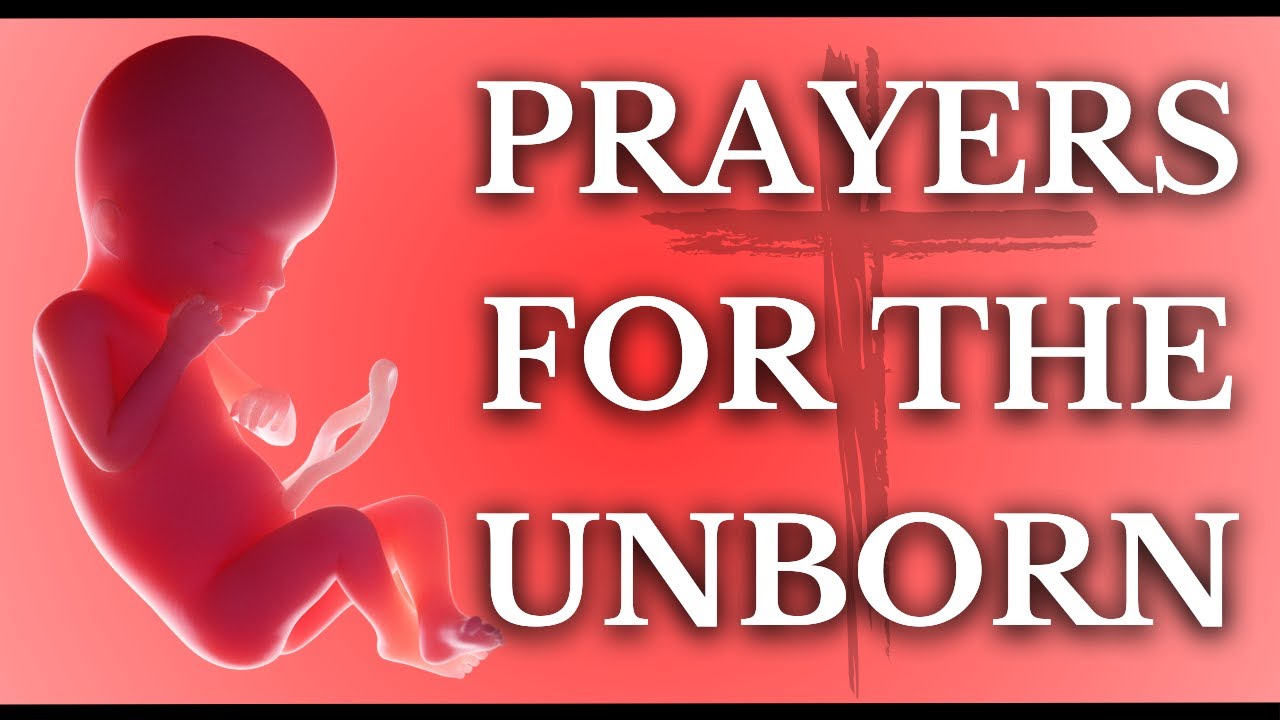
prayer for the protection of unborn children
For many families, the months of pregnancy are full of hope, anticipation, and sometimes worry. Turning to prayer for the protection of unborn children is a deeply meaningful way to seek God’s care over new life, to steady the hearts of expectant parents, and to build a supportive community around those awaiting a baby. Whether you are praying for your own little one, interceding for a friend, or simply wishing to uphold the dignity of life in the womb, this guide offers a calm, practical, and faith-filled approach.
Below, we explore what this practice involves, why it matters, and how to do it simply and sincerely. You’ll find sample prayers, helpful Scriptures and traditions, common mistakes to avoid, and answers to frequently asked questions—so you can make prayer for the protection of unborn children a natural and encouraging part of your daily life.
What is prayer for the protection of unborn children?
At heart, prayer for the protection of unborn children is an act of love and trust. It is asking God—who cherishes every human person—to keep a baby safe in the womb, to guard the mother’s health, and to bring peace to the family. People from different Christian traditions make these prayers in varied ways, but the aim is similar: to entrust the child’s life and future to God, to seek wise medical care, and to cultivate compassion for families at every stage.
This kind of prayer includes:

- Petition: asking God for safeguarding of mother and child throughout pregnancy, birth, and early life.
- Intercession: praying on behalf of others, especially those facing anxiety, high-risk pregnancies, or difficult decisions.
- Thanksgiving: recognising the gift of new life and God’s presence, even amid uncertainty.
- Solidarity: standing with parents, midwives, doctors, and communities who support both mother and baby.
It is also entirely compatible with practical care and good medicine. Faith and prudence walk hand in hand: diligent health habits, regular check-ups, and a supportive network complement the spiritual dimension of prayer.
Why prayer for the protection of unborn children matters
Many parents report that praying helps them feel calmer, more connected, and more attentive to the needs of both mother and baby. Spiritually, we affirm the dignity of the child in the womb and acknowledge that life is a gift. Ethically, we foster a culture of gentleness and responsibility towards the most vulnerable. And emotionally, we create a space where worries can be voiced and hopes expressed.
Christians often find encouragement in Scripture’s emphasis on God’s tender care. Prayers for the unborn are a simple way to entrust the unknowns of pregnancy to God’s providence, while remaining committed to wise action—nutrition, rest, prenatal care, and a healthy environment.
Core principles for meaningful prayer
Prayer need not be complicated. The following principles can guide you:
- Consistency over length: A short daily prayer for the protection of unborn children can be more sustaining than occasional long prayers.
- Honesty: Pray with your real feelings—joy, fear, gratitude, or fatigue. God meets us where we are.
- Scripture: Let a verse or two anchor your words and shape your hopes.
- Community: Invite a spouse, grandparents, or close friends to join you at agreed times.
- Action: Align your prayer with responsible choices—healthy living, follow-up appointments, and supportive relationships.
How to practise prayer for the protection of unborn children: a simple guide
Use this step-by-step approach to make prayer feel natural and steady.
- Set a time and place. Choose a calm, comfortable spot—perhaps morning or bedtime—so it becomes part of your routine.
- Begin with quiet. Take a few slow breaths. Acknowledge God’s presence.
- Offer intention. Name the child and parents (if known). Say you are praying for protection, health, and peace.
- Use Scripture or a trusted devotion. Read a verse that reminds you of God’s care. Many parents also like to pray set devotions that emphasise mercy and trust.
- Ask plainly. Speak simple words: protection from harm, strength for the mother, wisdom for caregivers, a safe delivery.
- Give thanks. Thank God for the gift of new life and the people who help sustain it.
- Close gently. End with a familiar prayer or a moment of silence.
If you value structured devotions, you might find the rhythm and promises of the Divine Mercy Chaplet especially consoling when offered for mother and baby.
Scripture and tradition to support your prayer
Many believers take comfort in passages that speak of God’s closeness and delight in His people. For example, the assurance that the Lord rejoices over His own can be an anchor during uncertain days; see a reflection on this theme with Zephaniah 3:17. Such texts remind us that God’s love is active, protective, and joy-filled.
Christian tradition also draws on blessings for mothers, infants, and families; intercessions for safe delivery; and prayers for those who have experienced miscarriage or loss. Even a brief line—“Lord, guard this child and grant a safe delivery”—can be enough to orient the heart to hope.
For wider teaching on the dignity of human life, many turn to Evangelium Vitae on the Gospel of Life, which reflects deeply on the value of every human person and encourages prayerful, practical support for families.
Sample texts you can use
A short prayer for the protection of unborn children
God of life, we entrust this little one to your loving care. Protect this child in the womb, strengthen the mother, and grant wisdom to all who support this family. Keep them in health and peace, and bring mother and baby safely through to joyful birth. Amen.
Intercessory prayer for the protection of unborn children and anxious parents
Merciful Lord, look kindly on expectant parents who feel afraid or overwhelmed. Calm their hearts, provide good care, and surround them with a supportive community. We ask your strong protection over their child, and your blessing on all who accompany them. Amen.
Prayer in times of uncertainty
Father, when we cannot see the way ahead, you remain our light. Guard this baby and mother; defend them from harm, and lead the medical team with clarity and skill. Grant courage to this family, and may your peace hold them steady. Amen.
Thanksgiving after good news
Gracious God, for healthy scans, encouraging updates, and kind caregivers, we thank you. Continue to shelter this child as they grow, and prepare this family with joy and patience for the day of birth. Amen.
Practical support to accompany your prayer
Prayer for the protection of unborn children sits beautifully alongside healthy habits. Consider combining daily prayer with practical care: balanced nutrition, rest, and recommended prenatal check-ups. For reliable guidance, see the NHS advice on keeping well in pregnancy. Churches, charities, and community groups can also offer companionship, classes, and tangible assistance—reminding us that love is both spiritual and practical.
Praying in different circumstances
When pregnancy is high-risk
If risks are elevated, your prayer may lean towards perseverance and trust. Name the fears, ask for wisdom and unity among healthcare providers, and invite a small circle of friends or church members to pray at set times. Keep requests specific—e.g., “peace during tomorrow’s appointment” or “clarity about treatment options.”
When you are supporting someone else
Ask permission to pray and to check in. Offer to send a short daily message with a line of Scripture or a simple promise of prayer. Respect privacy, and avoid pressuring the family to share more than they wish. Your consistency and kindness will speak volumes.
After loss or miscarriage
Prayer also holds us in sorrow. It is appropriate to grieve, lament, and ask God to comfort parents. Gentle rituals—a candle, a psalm, or a quiet memorial—may help. Compassionate support groups and charities can also be a lifeline. Alongside prayer, organisations such as Tommy’s offer information and support around pregnancy and baby loss.
Common mistakes with prayer for the protection of unborn children
- Thinking prayer is a substitute for care. Prayer and wise medical support belong together; do not neglect appointments or health advice.
- Overcomplicating the practice. Simple words said regularly can be more sustainable than elaborate routines.
- Using anxious or blaming language. Avoid implying that outcomes depend on “praying hard enough.” Keep the tone trusting and compassionate.
- Ignoring the parents’ emotional needs. Pray for the mother’s rest, the father’s strength, and family wellbeing, not only for the baby’s safety.
- Praying without consent or sensitivity. If you are supporting someone else, ask how you can pray and respect boundaries.
How communities can foster a culture of protection
Churches and small groups can make prayer for the protection of unborn children a normal part of pastoral care by:
- Including intercessions for expectant families in regular services.
- Setting up confidential prayer chains for those who request them.
- Offering practical support—meals, transport to appointments, help with older children.
- Providing signposts to reputable health information and safeguarding resources.
- Marking special occasions (such as pregnancy milestones or safe delivery) with prayers of thanksgiving.
For more structured language and liturgical options, you may find the Church of England topical prayers for pregnancy and family life helpful, especially if you prefer set prayers you can use at home or in small groups.
Building a personal routine you’ll keep
Consistency is easier when you attach prayer to something you already do. Pair a brief prayer with your morning tea, your evening walk, or the moment you check the day’s calendar. Consider writing a one- or two-sentence “core prayer” that you repeat each day; then add particular requests as needed. Keep a small notebook of moments of gratitude and answered prayers. Even on difficult days, noticing small mercies—kind words, steady scans, helpful nurses—can bolster hope.
Ethical and pastoral considerations
Prayer for the protection of unborn children also sensitises us to wider responsibilities. It encourages respectful conversations about pregnancy, compassionate responses to unexpected news, and support that upholds the dignity of both mother and child. This pastoral mindset extends beyond birth, reminding us to stand with families through sleepless nights, health challenges, and the everyday demands of care.
Recommended external resources
- Evangelium Vitae on the Gospel of Life — a theological foundation for the dignity of human life and pastoral care for families.
- NHS advice on keeping well in pregnancy — practical steps to help protect mother and baby.
- Church of England topical prayers — set prayers for family life, pregnancy, and times of anxiety.
- Tommy’s guidance on healthy pregnancy and support — UK charity offering information and support around pregnancy health and loss.
Related articles
- How to pray the Divine Mercy Chaplet for families and the unborn
- God’s rejoicing love and protection in Zephaniah 3:17
Frequently asked questions about prayer for the protection of unborn children
How often should I pray?
Choose a rhythm you can keep—daily is ideal, even if brief. Many people say a short morning prayer for the protection of unborn children and another in the evening, adding special intentions on appointment days.
Do I need special words, or can I speak naturally?
Either is fine. Some prefer set prayers; others prefer spontaneous words. The important thing is sincerity. You can combine both—start with a set line and then add your own concerns.
Can prayer help if I feel anxious?
Many find that prayer settles breathing and focus, offering comfort in uncertainty. You might use a simple phrase repeated slowly, such as “Lord, guard this child and bring peace.” Consider pairing prayer with practical support and, if needed, professional help.
What if outcomes are uncertain or difficult?
Prayer is not a guarantee of particular outcomes; it is a relationship of trust. In hard times, prayer can offer strength, companionship, and meaning. Seek pastoral and professional support, and be gentle with yourself.
Can a community or church pray with us?
Yes, if that is your wish. Many find comfort in asking a few trusted friends to pray regularly. Some churches include intercessions for expectant families or offer blessings for mothers and babies.
Is it appropriate to pray after loss?
Yes. Prayer can help express grief, honour the child, and ask for healing. You may wish to include a short memorial prayer or light a candle. Support from compassionate charities and pastoral carers can also be valuable.
Conclusion on prayer for the protection of unborn children
Prayer for the protection of unborn children is a simple, powerful way to care for families during pregnancy. It blends trust in God with wise action—regular check-ups, healthy routines, and a strong circle of support. Whether you prefer set prayers or spontaneous words, the heart of the practice is the same: asking for shelter, strength, and peace for mother and child.
By anchoring your days in brief, honest prayer, drawing on Scripture and tradition, and engaging practical help, you nurture a culture that honours life and upholds those who carry it. With each prayer for the protection of unborn children, you join a quiet chorus of care—gentle, persevering, and full of hope.
May these suggestions, sample texts, and resources help you shape a routine you can sustain, and may every family awaiting a child know the comfort of God’s presence and the kindness of a supportive community.
