Prayer for the king and royal family: essential guide with 5 steps
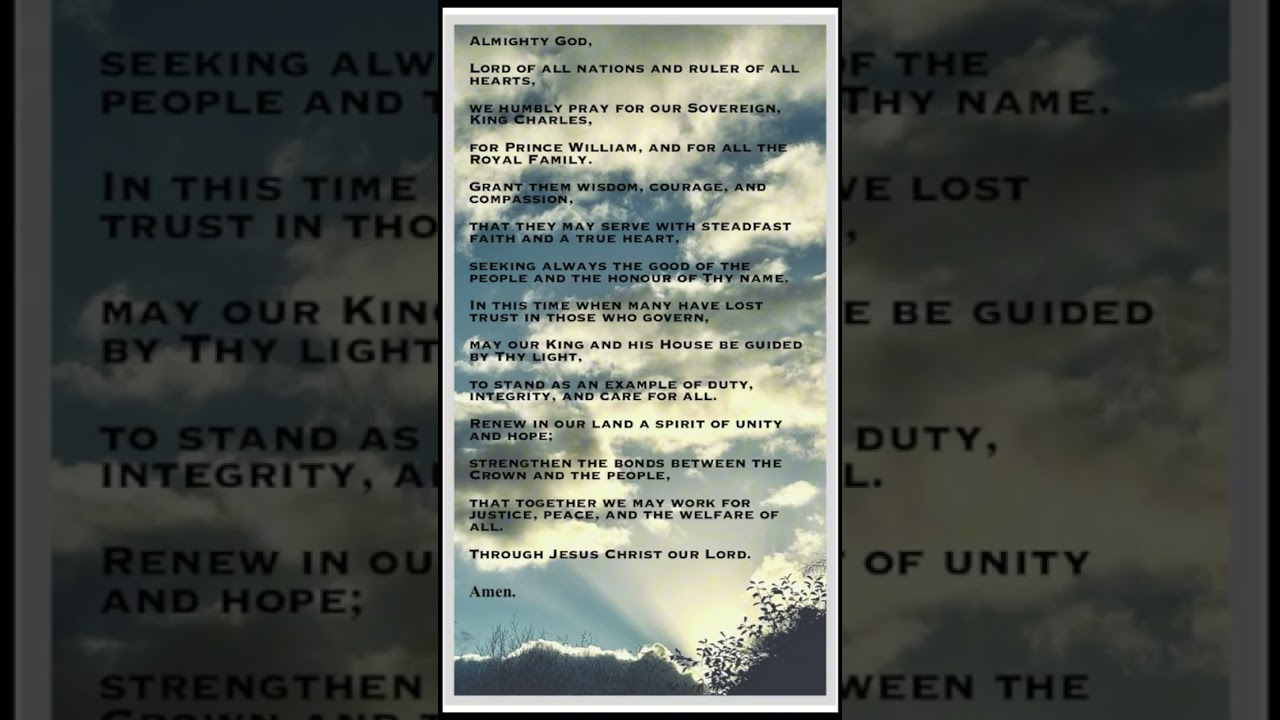
prayer for the king and royal family
A thoughtful prayer for the king and royal family is a simple but powerful way to express goodwill, ask for wisdom and health for our national figureheads, and seek peace and stability for the country. Whether you are a person of deep faith, someone exploring spirituality, or simply wishing to support public life with kindness, this guide will help you craft a respectful, meaningful prayer for the king and royal family that suits personal devotion or public occasions.
In the United Kingdom and across the Commonwealth, prayers for the sovereign have long symbolised unity and hope, especially at times of national celebration or challenge. By learning how to shape a balanced, inclusive prayer for the king and royal family, you can contribute to a tradition that is both ancient and relevant today.
Below you will find background, practical advice, sample texts, and answers to common questions. Wherever you stand on constitutional matters, prayer for the king and royal family can be a gracious gesture that fosters mutual respect and the common good.
What do we mean by prayer for the king and royal family?
At its simplest, prayer for the king and royal family is an expression of goodwill and intercession for the monarch and close relatives in the Royal Household. It asks for guidance, wisdom, physical and mental health, strong family relationships, and a spirit of service to the nation. Crucially, it also seeks the flourishing of the wider community: a stable government, justice for all, and the welfare of citizens.
Traditionally, in churches and civic gatherings, such prayers are offered publicly to place national leadership under the light of compassion and accountability. In personal devotion, a prayer for the king and royal family can be a quiet moment to reflect on leadership, responsibility, and the values we want to see influencing public life.
Historical roots in the UK and Commonwealth
The practice has deep roots in British history. For centuries, formal services have included prayers for the sovereign and the Royal Family. You can see this institutional tradition reflected in the Book of Common Prayer and other authorised resources used by many churches in England. For background on historic forms and wording, the Church of England’s resource page for the Book of Common Prayer provides helpful context: authorised worship texts and resources.
Prayers in public bodies also have a long-established place. In the House of Commons, for example, the day’s proceedings begin with a short act of prayer that often includes intentions for national leaders and public wellbeing. See a brief explanation here: how daily prayers in Parliament work.
Biblical and theological basis
Christian communities frequently draw on Scripture when shaping a prayer for the king and royal family. A classic passage is 1 Timothy 2:1–2, which encourages prayers for “kings and all who are in high positions,” with the aim of living “a peaceful and quiet life in all godliness and dignity.” You can read this passage here: 1 Timothy 2:1–2 (NRSVUE). The emphasis is not partisan but pastoral: praying that leadership will be wise, just, and compassionate, and that society will benefit.
Why prayer for the king and royal family matters today
Beyond tradition, there are practical reasons to include prayer for the king and royal family in public worship and personal devotion. Here are three that many people find persuasive.
1) Unity and national wellbeing
Public prayer can bring people together around shared hopes: health, peace, and wise leadership. A measured prayer for the king and royal family is a way to focus on the common good rather than on political divisions. It helps us articulate hopes for stability, social cohesion, and kindness in public life.
2) Compassion and accountability
Leaders—and their families—are human. They face pressure, scrutiny, and personal challenges. Praying for grace, resilience, and integrity is compassionate; asking for wisdom, justice, and accountability is responsible. A balanced prayer for the king and royal family combines encouragement with ethical aspiration.
3) Personal spiritual growth
To pray for someone else, especially a public figure, is to practise empathy. It draws us away from cynicism and invites us to hope. By offering a prayer for the king and royal family, we rehearse virtues like patience, humility, and gratitude, which carry over into daily life.
How to compose a meaningful prayer for the king and royal family
Whether you write your own or adapt a traditional text, a thoughtful prayer for the king and royal family typically includes several steadying themes. You can tailor the language to your faith tradition or to a civic setting where people hold varied beliefs.
Core themes to include
- Gratitude: a brief word of thanks for service and dedication.
- Wisdom and discernment: for wise counsel, foresight, and sound judgement.
- Health and strength: physical, mental, and emotional wellbeing.
- Integrity and justice: a commitment to truth, fairness, and the rule of law.
- Family life: unity, compassion, and mutual support within the Royal Household.
- Service to others: a posture of humility and care for all citizens.
- Peace and social harmony: the welfare of the nation and the Commonwealth.
Structure you can follow
- Opening address: a respectful address to God (or, in a civic context, a short reflective sentence that invites quiet and goodwill).
- Thanksgiving: a sentence recognising service and symbol of national continuity.
- Petitions: 3–5 concise requests (wisdom, health, integrity, peace).
- Wider horizon: include the nation, government institutions, and the vulnerable.
- Closing: a simple concluding line, suitable for all present.
Sample prayers you can use or adapt
Use these as starting points. Feel free to adjust wording to your tradition and setting. In services, it is often best to keep a prayer for the king and royal family short and clear.
A short, public-friendly collect
God of wisdom and peace, we give thanks for our Sovereign and the Royal Household. Grant the king discretion and courage, bless the royal family with health and unity, and guide all who serve our nation in truth and compassion, that justice may flourish and the common good prevail. Amen.
An intercessory prayer for civic occasions
God of all, we hold before you our king and the royal family. May they be strengthened in duty, generous in service, and steadfast in integrity. Bless their homes with tranquillity, their counsel with foresight, and their example with humility. As we seek the welfare of our nation, inspire us all to act with kindness, courage, and fairness. Amen.
A family or personal devotion
Lord, today we offer a prayer for the king and royal family. Keep them safe, give them wisdom, and help them to care for those who are in need. Teach us to play our part in building a just and peaceful society. Amen.
An ecumenical Christian form (with Scripture echo)
Merciful God, who calls us to pray for rulers and all in authority, bless our king and the royal family with wisdom and strength. Uphold them in truth, guide their advisers, and grant that we may live together in peace and dignity. Through Jesus Christ our Lord. Amen.
A secular-friendly moment of reflection
Let us take a moment of quiet to wish our Sovereign and the Royal Household wisdom, health, and a spirit of service; and to commit ourselves to the common good, fairness, and care for our neighbours.
Using Scripture in your prayers
If your setting is Christian, Scripture can give shape and confidence to a prayer for the king and royal family. Besides 1 Timothy 2:1–2, passages about justice, mercy, and leadership are helpful: Psalm 72 (wise rule), Micah 6:8 (do justice, love kindness, walk humbly), and James 1:5 (asking God for wisdom). Read them in advance and select one or two lines to weave into your prayer.
Occasions and formats for prayer for the king and royal family
You can offer a prayer for the king and royal family in many settings:
- Regular worship services: as part of weekly intercessions.
- National events: coronation anniversaries, jubilees, Remembrance, or thanksgiving services.
- Civic gatherings: council meetings, school assemblies, charity events, or community ceremonies.
- Private devotions: at home or in small groups, particularly during times of illness or national challenge.
- Online and printed resources: newsletters, community websites, or shared social posts on significant dates.
When planning a public prayer for the king and royal family, consider the audience and keep language inclusive and accessible. If children are present, use shorter sentences and clear concepts. If many faiths or none are represented, a simple moment of silence, gratitude, and goodwill can be both respectful and meaningful.
Etiquette and sensitivity when offering prayer for the king and royal family
Because participants may hold diverse views about monarchy and public life, tone matters. A well-pitched prayer for the king and royal family should:
- Avoid partisanship: no party-political commentary or coded policy references.
- Be concise and clear: aim for 20–60 seconds in public settings.
- Balance reverence with realism: acknowledge duty and service, but avoid excessive flattery.
- Respect privacy: do not speculate about personal issues; keep petitions general unless information is public and widely known.
- Include the wider community: remember those in need, the vulnerable, and public servants at every level.
- Invite shared values: health, wisdom, fairness, compassion, and the common good are widely appreciated.
Common mistakes to avoid when offering prayer for the king and royal family
- Over-politicising the moment: let the prayer stand above party lines.
- Being vague: include two or three specific petitions (health, wisdom, integrity) to give the prayer shape.
- Excessive sentimentality or flattery: keep language sincere and measured.
- Ignoring the broader context: extend concern to the nation and those who support the Crown in public service.
- Using jargon: opt for everyday language that adults and young people can follow.
- Praying only in crisis: include a brief prayer for the king and royal family at regular intervals, not just at dramatic moments.
Step-by-step: leading a public prayer for the king and royal family
- Prepare: note the occasion (e.g., remembrance, celebration, illness) and select a few fitting themes.
- Draft 60–100 words: one line of thanks, three petitions, a closing sentence.
- Check tone and language: inclusive, non-partisan, suitable for all present.
- Practise aloud: ensure flow, clarity, and a steady pace.
- Deliver with calm: allow a brief pause before and after for reflection.
- Follow up: if appropriate, share the text for those who wish to use it privately.
Recommended external resources
- Church of England: Book of Common Prayer resources — historic and authorised texts that include prayers for the Sovereign.
- UK Parliament: daily prayers explained — context for public prayer in the Houses of Parliament.
- 1 Timothy 2:1–2 on Bible Gateway — a biblical foundation for praying for leaders.
- The Royal Family official website — news and information about the Royal Household.
Related articles
- Divine Mercy Chaplet prayer: a simple guide
- Orthodox vs Catholic perspectives on worship and tradition
Frequently asked questions about prayer for the king and royal family
Is it appropriate to pray for the monarch if I am not a royalist?
Yes. A respectful prayer for the king and royal family need not imply agreement with monarchy as an institution. It is an expression of goodwill and hope for wise, compassionate leadership and national wellbeing. Many people who hold differing political views still find value in praying for those who carry public responsibility.
How often should I include prayer for the king and royal family in services?
Some churches include it weekly; others choose significant dates or monthly cycles. In public or civic settings, include a short prayer for the king and royal family at major events or during times of national celebration or concern. Keep it brief and balanced.
What scriptures support praying for national leaders?
Popular choices include 1 Timothy 2:1–2 (praying for rulers), Psalm 72 (wise and just rule), Micah 6:8 (justice, kindness, humility), and James 1:5 (asking for wisdom). These passages help frame a prayer for the king and royal family that is hopeful, ethical, and outward-looking.
How do different Christian traditions approach this?
Approaches vary. Some use historic forms from the Book of Common Prayer; others write contemporary intercessions. Liturgical churches may prefer set texts; free church traditions often use spontaneous language. In all cases, a well-crafted prayer for the king and royal family will emphasise wisdom, health, integrity, and service to the community.
Can I adapt older texts to today’s context?
Yes. Many find it helpful to adapt traditional forms to modern language and current circumstances, while keeping the heart of the prayer: a respectful, succinct petition for health, wisdom, and the common good. Avoid archaic phrasing if
