Prayer for the healing of sick: 5 essential, effective steps
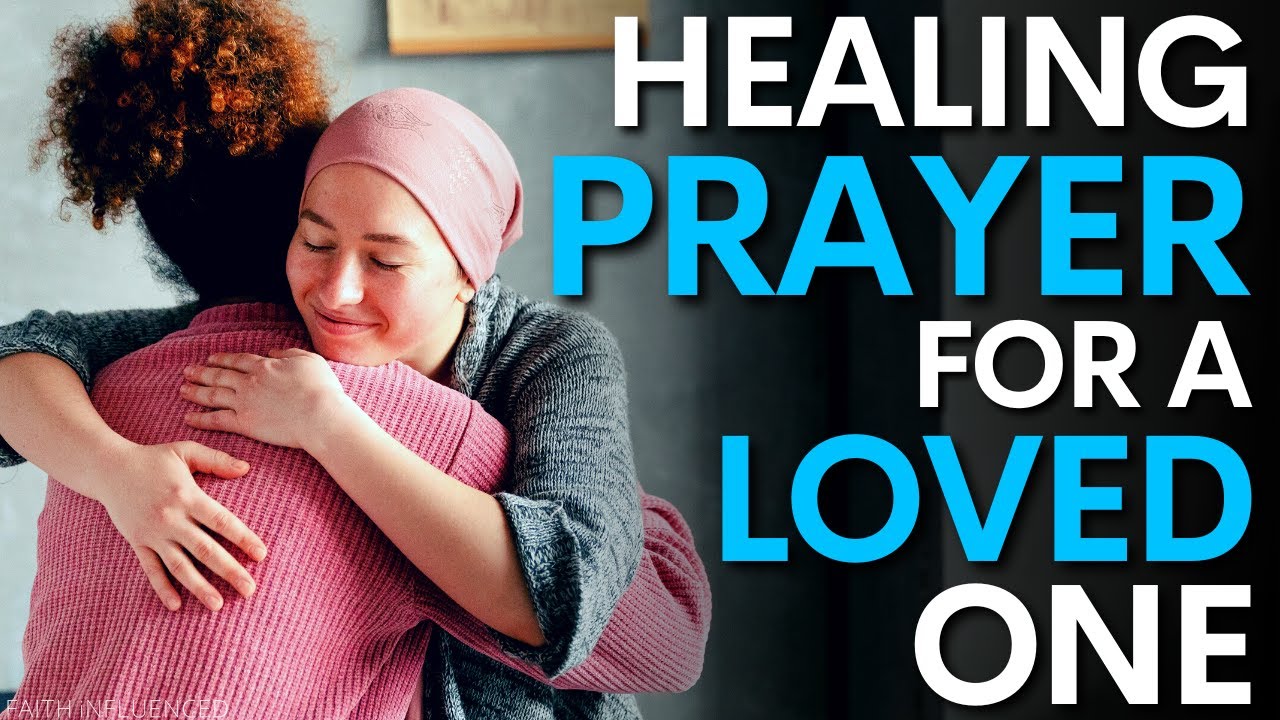
prayer for the healing of sick
Whether we are supporting a friend in hospital, sitting at a bedside, or quietly reflecting at home, many of us turn instinctively to prayer for the healing of sick. It is a centuries‑old practice across faiths and cultures, offering comfort, hope, and a sense of connection when life feels uncertain. In this guide, we will explore what it is, why it matters, and how to pray confidently and compassionately for those who are unwell—whether for ourselves or for someone we love.
Far from being a superstition or a set of magic words, prayer for the healing of sick is a way of bringing our deepest concerns into the light, asking for strength and restoration, and aligning our hearts with love. It can be personal or communal, spontaneous or structured, and it can sit alongside the best of modern medicine. In the following sections, you will find practical steps, sample prayers, and thoughtful advice to make your prayers sincere, grounded, and supportive.
What do we mean by prayer for the healing of sick?
At its simplest, prayer for the healing of sick is a heartfelt request to God—or to a higher power, according to one’s tradition—for the wellbeing of someone facing physical, emotional, or spiritual illness. In Christian practice, healing prayer often includes thanksgiving, confession, intercession, and surrender to God’s will, while trusting that God’s presence brings peace and hope even when circumstances are difficult.
Different traditions approach healing in distinct yet complementary ways. Some emphasise intercession (praying on behalf of others), others focus on lament (honestly naming sorrow), and many incorporate blessings, anointing with oil, or laying on of hands. In all cases, prayer for the healing of sick is not a substitute for medical care; rather, it complements it by addressing the human need for meaning, courage, and companionship during illness.


Most importantly, healing is understood holistically. While we may pray for the body to recover, we also ask for resilience, clarity for clinicians, comfort for family members, and peace for the person who is ill. Healing can include pain relief, strengthened relationships, forgiveness, and a restoration of hope—even if full physical recovery takes time.
The role of intention, presence, and community in healing
Effective prayer for the healing of sick is not about clever phrasing. It is about intention: a steady, compassionate focus on the person and their needs. Being present—whether physically or spiritually—amplifies that intention. When families, congregations, or small groups pray together, the person who is unwell often experiences a tangible sense of being held and supported.
This communal element is powerful. It reduces isolation, encourages practical help, and reinforces that the person is more than their diagnosis. Even a short message—“I’m praying for you today”—can lift someone’s spirits and remind them that they are not alone.
How to craft a personal prayer for the healing of sick
If you are new to praying out loud or writing your own words, start simply. Prayer for the healing of sick is about sincerity, not performance. Aim for clarity, warmth, and trust. A good prayer often includes four movements: address God, express the need, make the request, and rest in hope.
- Begin with who God is: compassionate, merciful, present.
- Name the person and the situation honestly.
- Ask for what is needed: relief from pain, wisdom for decisions, strength in treatment, restful sleep, or reconciliation in relationships.
- Close with trust, committing the person into God’s loving care.
A simple structure for prayer for the healing of sick
Use this outline as a guide; adapt it to fit your voice and tradition.
- Address: “Loving God” or “Merciful Father” or “Lord, source of all healing”.
- Thanksgiving: Acknowledge God’s goodness and the gift of care, life, and community.
- Confession or honesty: Admit fear, uncertainty, or weariness where appropriate.
- Intercession: Pray specifically for the person’s needs, naming treatments, clinicians, and helpers.
- Surrender and trust: Entrust outcomes to God, asking for peace and the grace to persevere.
- Blessing: Speak words of blessing, hope, and comfort.
When used thoughtfully, this structure keeps prayer for the healing of sick grounded and complete, balancing heartfelt requests with a posture of trust.
Sample intercessions and words you can use
Here are short examples you can adapt. Insert the person’s name and details as appropriate.
“Loving God, you are close to the broken‑hearted and you bind up our wounds. We lift before you [Name], asking for your gentle presence. Bring relief from pain, clarity for the medical team, and strength for each new day. Surround [Name] with peace that passes understanding. Amen.”
“Merciful Lord, look with kindness on those who suffer. In your compassion, grant healing where there is illness, courage where there is fear, and comfort where there is distress. For [Name], we ask restorative rest, effective treatment, and the support of caring friends. Hold them in your love. Amen.”
“God of hope, we place [Name] in your hands. Bless the medicines they take; steady the hands and minds of all who care for them. May your light overcome worry, your strength uphold weakness, and your joy renew their spirit. Amen.”
These examples show how prayer for the healing of sick can be both specific and gentle. Avoid promises you cannot keep; focus on presence, care, and trust.
Praying across traditions
Christians from many backgrounds pray for healing, drawing on Scripture and time‑honoured prayers. Some find the Psalms helpful—words of lament and hope that give voice to our deepest feelings. Others turn to set devotions or litanies. For Catholics and many others, the Divine Mercy devotion is a popular way to commend those who are unwell to God’s compassion; see this guide to the Divine Mercy Chaplet prayer for a structured approach to intercession and trust.
The Anglican tradition offers simple, beautiful words for those in need of comfort. Likewise, many Orthodox Christians incorporate icons and short repeated prayers, emphasising God’s mercy. Whatever the tradition, prayer for the healing of sick is most authentic when spoken with humility, paired with practical care, and rooted in the belief that every person is precious.
If you draw strength from biblical promises, consider verses that speak of God’s presence in hardship. For example, “The Lord your God is in your midst… he will quiet you by his love.” You can explore a reflection on this in Zephaniah 3:17, a passage many find comforting when worrying for a loved one.
Practical tips for individual and group prayer
Whether praying alone or with others, a few practical choices can make prayer for the healing of sick more focused and calming.
- Create a quiet, comfortable space. Dim lights, silence phones, and allow time for stillness before you begin.
- Use a list so you remember names and needs. Update it regularly to include good news as well as ongoing requests.
- Keep prayers short and clear, especially in groups; allow moments of silence.
- Invite the person who is ill to share how they want you to pray—respect boundaries and privacy.
- Incorporate simple breathing: a slow inhale on “Lord Jesus Christ” and a gentle exhale on “have mercy,” to settle the heart.
- Consider sending a written prayer by message or card. Knowing what you prayed can be deeply reassuring.
- Follow up with practical help: meals, transport to appointments, or a listening ear.
In a church or small group setting, appoint someone to coordinate updates and thanksgiving items so that prayer for the healing of sick remains attentive, current, and encouraging.
Common mistakes and how to avoid them
Even with the best intentions, we can stumble. Here are pitfalls to watch for when offering prayer for the healing of sick:
- Overpromising outcomes: Avoid implying certainty about timelines or results. Choose hope‑filled yet humble language.
- Unsolicited advice: When people are ill, they are often managing many opinions. Pray first; advise only if asked.
- Neglecting emotions: It is okay to acknowledge fear, grief, or anger. Honest lament can sit alongside trust.
- Forgetting consent: Ask before sharing someone’s health details in groups or online.
- Ignoring medical care: Encourage adherence to treatments and show respect for healthcare professionals.
When prayer meets healthcare
Prayer and medicine work well together. Hospitals and hospices often have chaplaincy or spiritual care teams who support patients, families, and staff regardless of faith. If you or a loved one is in hospital, ask about these services; they can facilitate quiet spaces, visit at the bedside, or help you connect with your own faith community.
For an overview of chaplaincy provision and what to expect, see the NHS page on chaplaincy and spiritual care services. Holistic care—addressing physical, emotional, social, and spiritual needs—is also highlighted by global health bodies such as the World Health Organization; read their overview of palliative care to understand how comfort and quality of life are central to treatment. For a broader perspective on how spirituality can support wellbeing, the Mayo Clinic provides an accessible summary: how spirituality may benefit health.
Remember, prayer for the healing of sick is not an alternative to clinical care; it is a compassionate companion to it, offering calm, resilience, and hope through the challenges of illness and recovery.
Recommended external resources
- Church of England: Prayers for the sick – Classic and contemporary prayers suitable for many situations.
- NHS chaplaincy and spiritual care services – How to access spiritual support in hospital settings.
- World Health Organization: Palliative care – Holistic principles of care that include spiritual support.
- Mayo Clinic: Spirituality and health – Evidence‑informed guidance on the role of spirituality in wellbeing.
Related articles
Frequently asked questions about prayer for the healing of sick
Do I need special words for prayer for the healing of sick?
No. Sincerity matters more than style. Speak plainly and honestly, asking for what is needed and trusting God’s care. Short prayers are fine. You can also borrow time‑tested prayers from your tradition if that helps you find your voice.
How often should I pray for someone who is ill?
There is no fixed rule. Some people pray daily at a set time; others pray as the person comes to mind. Consistency helps—especially when someone faces long‑term treatment. Light, regular prayer for the healing of sick can be a steady source of encouragement.
Can I pray for myself when I am unwell?
Absolutely. Many people find it healing to bring their own pain, fear, and hopes to God. If you feel too tired to form sentences, use a simple phrase—“Lord, have mercy”—or sit quietly, trusting that God knows your need.
Is it appropriate to lay hands on someone?
In some traditions, laying on of hands is a sign of blessing and solidarity. Always ask permission first, keep it gentle, and respect medical settings and hygiene. If in doubt, hold your hands open as a sign of prayer without physical contact.
What if the person I am praying for does not get better?
This is one of the hardest realities. Prayer is not a lever to guarantee outcomes. Yet it is never wasted: it offers comfort, courage, and companionship. Continue to pray for relief, peace, and meaning. Seek support for yourself as well, especially when facing loss.
How can a group pray without overwhelming the person who is ill?
Keep prayers concise, avoid long speeches, and allow silence. Ask the person what they find helpful. One or two people can lead, while others agree silently or with a simple “Amen.” This keeps prayer for the healing of sick gentle and respectful.
What should I do if I don’t know the person’s beliefs?
Ask sensitively. If they are open, offer a short, inclusive prayer. If not, express your support and keep them in your private prayers. Respecting boundaries is itself a form of love.
Conclusion on prayer for the healing of sick
In times of illness, we long for presence, compassion, and hope. Prayer for the healing of sick addresses all three: it brings the person before God, gathers community around them, and strengthens the heart to persevere. While it never replaces medical care, it powerfully complements it—offering calm in anxiety, courage in treatment, and meaning in uncertainty.
You do not need perfect words to pray. Start simply: name the need, ask for help, and trust in God’s love. Use Scripture and set prayers if they help; sit in silence if that is all you can manage. Whether you pray alone at home or together with friends, prayer for the healing of sick can become a steady rhythm of care.
As you accompany those who suffer, keep your prayers grounded, compassionate, and practical—pairing them with acts of kindness and respect for clinical wisdom. In doing so, your prayer for the healing of sick becomes a channel of comfort and a witness to hope, whatever the outcome.
