Prayer for the family unit: 7 essential and practical prayers

Prayer for the family unit: a practical guide to nurture unity and hope
Prayer for the family unit is a simple, time‑tested way to strengthen relationships, deepen faith, and bring calm and clarity to daily life. Whether your household is large or small, made up of children, adults, or grandparents, praying together can be a gentle anchor in busy schedules and uncertain times. You do not need to be an expert, have perfect words, or follow a rigid formula; a few honest minutes can make a lasting difference.
In this guide, you will find clear steps, helpful outlines, and short examples to help you begin or refresh a routine of family prayer. We will explore what makes prayer for the family unit meaningful, how to adapt it for different ages and traditions, and how to avoid common pitfalls. Use what suits your home, and feel free to keep it simple. Consistency and kindness matter far more than eloquent language.
Above all, prayer for the family unit is about presence—making space for God and for one another. Even brief moments of gratitude, blessing, and intercession can gradually shape a more peaceful, supportive household.
What is prayer for the family unit?
At its heart, prayer for the family unit is intentional time set aside to acknowledge God, to give thanks, to seek guidance, and to hold each other in love. It is not a performance or a test; it is a shared conversation with God. Families often include short readings, a simple blessing, a time to mention needs or worries, and a brief prayer said out loud or silently together.

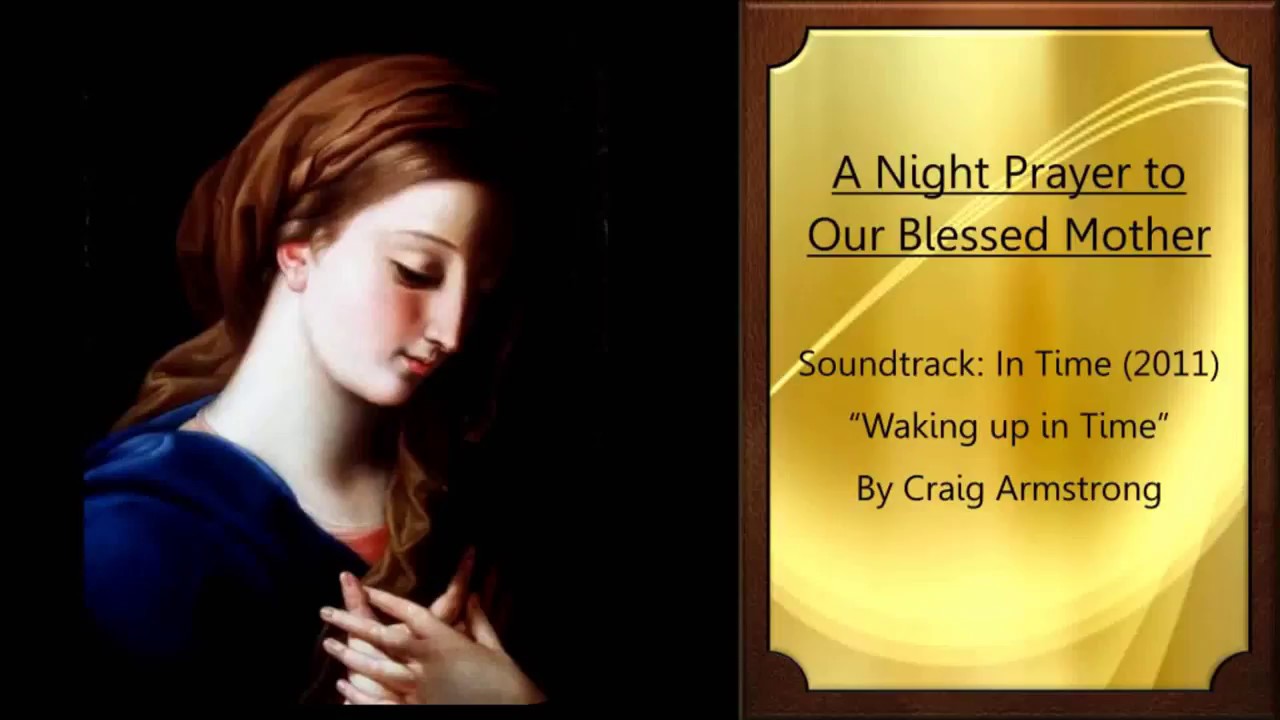
For many Christians, family prayer is rooted in Scripture and tradition, yet it remains flexible. It can happen around the table, at bedtime, in the car, on a walk, or even via a video call if your family is spread across different places. The point is to gather, to listen, and to lift up your household with a sincere prayer for the family unit.
Why prayer for the family unit matters today
Modern life is crowded with commitments and screens, and families can easily drift into parallel routines. Prayer creates a pause—a shared moment that re‑centres values and reminds everyone they belong. Practised regularly, prayer for the family unit can help to:
- Build unity through shared language of gratitude and hope.
- Reduce anxiety by naming worries and entrusting them to God.
- Model faith for children and teens in a natural, non‑pressured way.
- Encourage forgiveness and reconciliation after conflicts.
- Celebrate milestones and remember loved ones with reverence.
Families often report that praying together keeps conversations honest and hearts soft. Over time, the habit helps a family notice the good, face challenges with courage, and remember they are not alone.
Core principles for meaningful family prayer
Keep it small and consistent
It is better to pray for three minutes most days than plan a 30‑minute service that rarely happens. Regular, simple prayer for the family unit is sustainable and effective.
Make it inclusive
Welcome every voice. Each person, regardless of age or confidence, can offer a sentence of thanks or a brief intention. Silence is also a valid contribution.
Be honest and kind
Use ordinary words. Avoid pressure, correction, or speeches. If a day is difficult, say so, and let the prayer hold that truth.
Draw from Scripture and tradition
A short verse or a familiar prayer can stabilise the moment. Many families find a regular pattern—such as a psalm, a brief reflection, and a blessing—helps everyone relax into the routine.
Adapt to your household
There is no single “right” way. Shift time, length, and style so that prayer for the family unit fits your week and your personalities.
How to start a simple prayer for the family unit routine
- Choose a time and place. Mealtimes and bedtimes are natural anchors. Keep the space comfortable; a table, sofa, or bedside all work.
- Agree the length. Five minutes is plenty to begin. Set a gentle expectation rather than a strict rule.
- Pick a straightforward structure. For example:
- One sentence of gratitude from each person.
- A short reading or thought for the day.
- Open intentions (what or who you want to pray for).
- A closing prayer and simple blessing.
- Share roles. Rotate who reads the verse, lights a candle, or says the closing blessing. Involving children gives them ownership.
- Prepare gently. Keep a small basket with a Bible, a printed prayer, and a pen for noting intentions. This reduces friction.
- Start and end on time. Ending when you said you would builds trust and helps the routine stick.
Sample outlines for prayer for the family unit
A five‑minute daily pattern
- Quiet breath: one slow inhale and exhale together.
- Gratitude: each person says one thing they are thankful for.
- Scripture: read a single verse (for instance, a psalm line).
- Intercessions: name people or situations on your hearts.
- Closing prayer and blessing.
A 15‑minute weekly pattern
- Opening song or reflective music (optional).
- Longer Scripture passage and a brief sharing: “What stood out to you?”
- Intercessions with short responses (e.g., “Lord, hear our prayer”).
- Silent prayer for one minute.
- Closing prayer for the family unit and a sign of peace (a handshake or hug).
Mealtime prayer
A single sentence can be enough: “Thank you, Lord, for this food, for each other, and for your care today. Amen.” If you wish, add one intention before the meal begins.
Short prayers you can use
Here are brief examples you can adapt. Feel free to add names and details. Use them as building blocks for a personal prayer for the family unit in your own words.
For morning: “God of new beginnings, bless our home today. Give us kindness in speech, focus in work and study, and courage when we are unsure. Keep us close to you and to one another. Amen.”
For evening: “Thank you for the gifts and challenges of this day. Forgive us where we fell short. Bring rest to our minds and peace to our home. Watch over those we love. Amen.”
For unity: “Lord Jesus, you bring people together. Heal any hurts in our household, renew our patience, and help us listen with love. Keep us united in you. Amen.”
For protection: “Holy God, surround our family with your light. Guard our health, our travels, and our decisions. Help us choose what is good. Amen.”
For need: “Father of mercy, we bring you our worries about [name/situation]. Give wisdom to those who help, strength to endure, and hope that does not fade. Amen.”
Prayers for specific family moments
When there has been conflict
It is natural for tensions to arise. A calm moment of prayer for the family unit can reset the tone. Try: “God of peace, we are sorry for words that harmed. Teach us to forgive swiftly and to speak gently. Show us how to rebuild trust. Amen.” Keep the conversation brief; praying does not replace talking things through, but it softens hearts for a better conversation later.
When a child is anxious
“Loving Lord, you know our fears. Help [name] to feel brave and supported. Remind us that we can always ask for help. Let your love be bigger than our worries. Amen.”
When someone is ill
“Compassionate God, be near to [name] in illness. Guide the hands of carers and bring relief. Give our family patience, tenderness, and hope. Amen.”
When grieving
“God of all comfort, hold us as we mourn. Receive [name] into your care and heal our sorrow. Teach us to remember with gratitude and to support each other gently. Amen.”
When setting out on a journey
“Lord, watch over our going out and coming in. Keep us safe on the road, kind to those we meet, and at peace within ourselves. Amen.”
Common mistakes and how to avoid them
- Trying to do too much too soon. Start small. Short, steady prayer for the family unit is better than ambitious plans that fizzle.
- Lecturing instead of praying. Keep it a conversation with God, not a sermon. Invite input and keep remarks brief.
- Perfectionism. If a child fidgets or a pet interrupts, smile and carry on. Normal life belongs in prayer.
- Skipping when busy. Even a 60‑second blessing is worthwhile. Consistency matters more than length.
- Not involving teenagers. Offer roles they can own: choosing music, reading, or leading intercessions.
Adapting prayer for the family unit across Christian traditions
Christian families draw from rich and varied practices. Anglican and Methodist homes may enjoy set prayers and psalms; Catholic households might use the Rosary or the Chaplet; Orthodox families often stand before icons with brief, repeated prayers; evangelical homes may favour extempore prayer and Scripture memory. Choose what nourishes you and use plain words alongside treasured forms. If you are interested in a structured devotion, you might appreciate this step‑by‑step guide to how to pray the Divine Mercy Chaplet, which many families adapt for evenings or Fridays.
Families also find strength in specific Bible verses. A beautiful reminder of God’s delight and care appears in Zephaniah; for a short reflection see this reflection on Zephaniah 3:17. Read it slowly together and let a single phrase stay with you through the day.
Making it engaging for children and teens
- Use roles and rituals. Lighting a candle, ringing a small bell, or placing a prayer stone can signal “now we pray”.
- Invite creativity. Ask children to draw a picture of what they want to thank God for, then show it during prayer for the family unit.
- Keep language simple. One sentence prayers are enough. Teens can write their own or choose a verse that resonates.
- Celebrate progress. Notice and affirm when someone leads or suggests prayer.
- Be flexible. If attention is short, shorten the prayer, not your patience.
Integrating prayer for the family unit with daily life
Link prayer to actions you already take. Say a one‑line blessing before school runs; pray for the places you pass on a walk; pause for a moment of gratitude when you park the car at home. Place a small card with a short prayer near the kettle so you remember while it boils. Let reminders and routines carry the habit so it does not depend on willpower alone.
Measuring gentle progress
You do not need to track prayer like a task, but a few quiet signs can reassure you it is working. Do family members offer intentions more readily? Is it easier to say sorry? Is gratitude becoming more natural? Keep a simple list of answered prayers or moments of encouragement. Over months, prayer for the family unit bears fruit—often subtle at first, then more visible.
Recommended external resources
- Church of England Daily Prayer resources offer simple structures and Bible readings you can adapt for home.
- Thy Kingdom Come Family Prayer Adventure Map provides creative ideas to engage children and teens.
- Pray As You Go has short, guided audio reflections that work well for family listening or quiet time.
- Amoris Laetitia (The Joy of Love) reflects on family life and spirituality from a Catholic perspective.
Related articles
Frequently asked questions about prayer for the family unit
How long should prayer for the family unit last?
Begin with three to five minutes. Short and consistent is better than long and irregular. As the habit settles, you can extend to 10–15 minutes weekly for a deeper time, but do not feel obliged. The quality of attention matters more than duration.
What if my family members are at different stages of faith?
Keep the tone gentle and inclusive. Focus on gratitude and care for each other rather than on pressure to agree. Offer opportunities to contribute but allow silence. Prayer for the family unit can be a soft space where people are free to be themselves.
How do we handle small children who cannot sit still?
Give them a role: lighting a candle with help, placing a “prayer stone” on the table, or choosing who goes first. Keep prayers short and vary posture—stand, sit, or hold hands briefly. Movement and noise are normal; you can still pray together.
Do we need a set script?
No. A simple structure helps, but your own words are always welcome. Combining a short verse with one‑line prayers from each person is a reliable pattern. Over time, you may collect favourite prayers that suit your family.
What if we miss a day?
Begin again without guilt. Life is busy. Even a one‑sentence prayer for the family unit at bedtime can keep the habit alive. The aim is a rhythm
