Prayer for the Family Tree: Complete, Practical Guide in 7 Steps
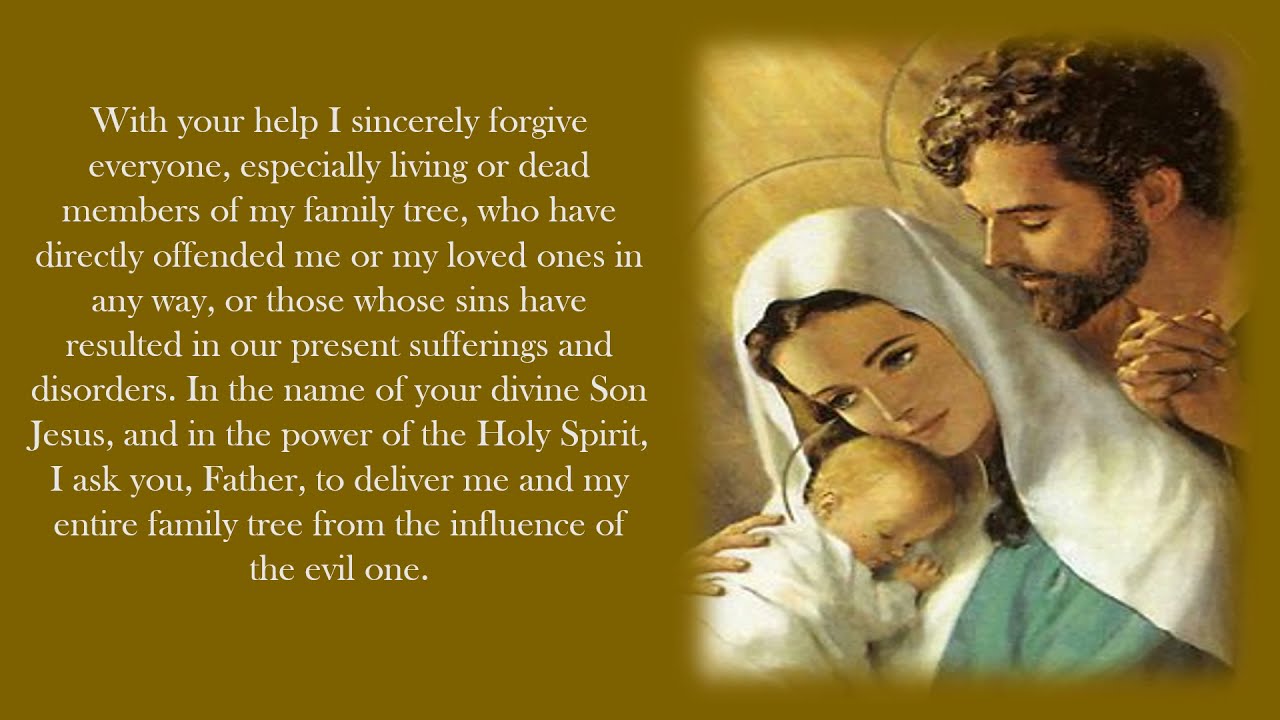
Prayer for the family tree: meaning, steps, and prayers
Many people of faith feel a gentle prompting to pray for their families, past and present. Prayer for the family tree is a thoughtful way to bring your relatives, ancestors, and future generations before God, asking for healing, blessing, and wisdom across the generations. Whether you are new to this practice or seeking a clearer structure, this guide aims to help you pray with confidence and peace.
At heart, prayer for the family tree is an intercessory practice: we pray for others, we seek God’s light on inherited patterns, and we bless the whole family line. It is not sensational, and it should never be fear-based. Rather, it is about placing your family history into God’s hands, inviting the Lord to bring wholeness where there have been wounds, and giving thanks for the good gifts passed down to you.
This article offers a friendly, step-by-step overview of prayer for the family tree, along with sample prayers, practical tips, and common mistakes to avoid. Use what is helpful, adapt what fits your tradition, and move at a prayerful pace that feels safe and respectful.
What is prayer for the family tree?
Prayer for the family tree is a focused time of intercession in which you lift up your family line—parents, grandparents, ancestors you know about, and even unknown relatives—and ask God to bring healing, reconciliation, and blessing. Some people refer to this as “generational healing”, “family line intercession” or “family tree prayer”. The emphasis is not on blame but on blessing; not on fixating on the past but on inviting God’s grace into every generation.


Origins and influences
Christians from various traditions have prayed for family lines for centuries, often inspired by biblical themes such as blessing from generation to generation, repentance, reconciliation, and intercession. In recent decades, awareness of intergenerational patterns—both healthy and harmful—has grown. Many believers now combine spiritual care with practical wisdom, observing that cycles of unforgiveness, division, or fear can be softened when brought to God in persistent, faith-filled prayer.
What it is not
Prayer for the family tree is not a way to control others or to erase personal responsibility. It is not a substitute for medical, psychological, or pastoral care when those are needed. It should never descend into anxious speculation about ancestors. The safest approach is simple: stay rooted in Scripture, focus on Christ, keep language charitable, and ask for God’s will and blessing rather than trying to force outcomes.
Why people seek prayer for the family tree
People are drawn to this practice for various reasons. Some notice repeated conflicts, addictions, estrangements, or patterns of anxiety in the family. Others carry complicated grief, unhealed loss, or longstanding misunderstandings. Still others simply wish to give thanks for the generations before them and to bless children and grandchildren. Prayer for the family tree can offer a peaceful framework to express these hopes, ask for mercy, and move forward with renewed trust.
- To give thanks for ancestors and their sacrifices.
- To bring to God painful family stories with compassion and hope.
- To seek healing of inherited patterns of bitterness, fear, or division.
- To bless present and future generations with wisdom, faith, and unity.
How to prepare for a prayer for the family tree session
Preparation helps you pray with clarity. Before you begin a dedicated time of prayer for the family tree, set aside a quiet space and decide how long you will pray. Have a simple plan so you do not feel rushed or overwhelmed.
- Choose a peaceful setting and a realistic time frame.
- Gather any notes about your family history (names, key events, dates) if they help focus your intercession.
- Begin with gratitude and a short Scripture reading to centre your heart on God’s faithfulness. For example, read about God’s delight and protection in Scripture; you could reflect on God’s delight in his people (Zephaniah 3:17) to frame your prayer in hope.
- Invite the Holy Spirit to guide your words and to bring to mind what needs blessing, healing, or forgiveness.
- Keep a notebook for brief reflections, answered prayers, or names you feel prompted to include.
If you are praying with a spouse, friend, or small group, agree on a simple structure so everyone feels safe. Remember that prayer for the family tree is best done gently, without pressure or urgency. God is patient and kind; you can always return to prayer as needed.
Step-by-step guide to prayer for the family tree
The following sequence is a straightforward way to hold a session of prayer for the family tree. Adapt it to your tradition and comfort level.
- Begin with praise and thanksgiving. Thank God for his love, for the gift of life, and for your family—past, present, and future. Gratitude changes the tone of the heart and opens a hopeful horizon.
- Ask for the Holy Spirit’s guidance. Invite God to lead you, to filter your thoughts, and to highlight what to address and what to leave for another day.
- Name your intention. Say clearly what you are doing: “Lord, I offer this time as prayer for the family tree. I ask for your blessing across the generations, for healing where it is needed, and for reconciliation and peace.”
- Pray through the generations. Move gently up the family line. If you know names, speak them. If not, say “my forebears on my mother’s side” or “on my father’s side”. Ask God to bless them, to forgive sins, to heal hurts, and to bring light to dark memories.
- Forgiveness and release. Where there have been wrongs, entrust them to God. Forgiveness in prayer is not the same as excusing harm; it is a choice to hand judgement back to God and to ask for freedom from bitterness.
- Renunciation of unhelpful patterns. In simple language, renounce patterns that have trapped the family—cycles of resentment, harsh speech, or hopelessness. Ask the Lord to break these patterns and to form new habits of grace.
- Bless the living. Pray by name for parents, siblings, children, grandchildren, godchildren, and others. Ask for wisdom, courage, and unity. If appropriate, pray a blessing over future generations.
- Use a trusted prayer form. Many find a rosary, litany, or chaplet helpful during prayer for the family tree. If it suits your devotion, you can learn or revisit how to pray the Divine Mercy Chaplet as a beautiful intercession for families.
- Conclude with thanks. Thank God for his presence and care. Ask for the grace to notice how he is at work in daily life, and to keep praying without anxiety.
Sample prayers for the family tree
If you are unsure how to begin, these short samples may help. Feel free to adapt them to your tradition, using inclusive and respectful language. Keep the tone simple and faith-filled; the power is in God’s faithfulness, not in elaborate wording.
A prayer of blessing across generations
Lord God, source of every good gift, I lift before you my family line—those I know and those known only to you. I ask for your blessing upon every generation. Where there has been joy, deepen it; where there has been sorrow, bring comfort; where there has been harm, bring healing and mercy. Jesus, be Lord of our family story: renew our minds, reconcile our relationships, and teach us to walk in love. Amen.
A prayer for forgiveness and release
Merciful Father, I bring to you memories and patterns that weigh on our family. In your presence I forgive those who have wounded us, and I ask forgiveness where we have caused harm. I renounce bitterness, harshness, and despair in the name of Jesus. May your light fill our family line and your peace guard our hearts. Amen.
A prayer for the living and the unborn
Heavenly Father, bless our parents, grandparents, children, and grandchildren. Guard their minds and hearts, guide their choices, and surround them with good friends. Bless future generations with faith, wisdom, and courage. May our home be a place of kindness, truth, and hope. Amen.
A prayer for the family tree in times of conflict
Lord Jesus, you are our peace. I offer you our disagreements and divisions. Heal misunderstandings, restore trust, and give us the grace to listen well. Help us to speak truth with love and to seek the good of one another. Establish your peace in our family, now and for generations to come. Amen.
Remember that any prayer for the family tree works best when it is honest, humble, and rooted in Scripture. You do not need to be perfect to pray—just willing to invite God into the family story.
Scripture, tradition and prayer for the family tree
Christians pray for families because Scripture shows God’s care across generations. The Bible speaks of blessing being passed on, of households coming to faith, and of the call to forgive as we have been forgiven. Intercession—praying on behalf of others—is a long-standing Christian practice. You can read more about intercessory prayer in the Catechism of the Catholic Church (Part Four: Christian Prayer) and the Church of England’s resources for prayer and worship.
For a straightforward overview of intercession and how believers pray for others, see the article on intercession (general background). If you are curious about family lines as a concept, the entry on family tree (genealogy basics) offers helpful context for thinking about your ancestors respectfully and accurately.
When you weave Scripture into prayer for the family tree—whether by reading a psalm, recalling a promise, or using a Gospel passage—you anchor your intercession in God’s character rather than in your own emotion. That keeps the practice steady, calm, and fruitful over time.
Common mistakes and gentle cautions
Prayer for the family tree is a pastoral practice; it bears good fruit when done with humility and care. Consider these gentle cautions as you continue.
- Avoid blame. Do not weaponise family history or blame ancestors for present struggles. Pray for mercy and blessing instead.
- Do not replace professional help. If you or loved ones wrestle with serious anxiety, trauma, or addiction, pair your prayers with appropriate support. If needed, explore guidance through reputable services such as NHS mental health information or local counselling resources.
- Keep language simple. Complex or dramatic formulae are unnecessary. Speak to God as a child to a loving Father.
- Respect privacy. You can pray without exposing sensitive details to others. If you share, do so prudently and with consent.
- Move at a sustainable pace. You do not need to cover everything at once. Regular, unhurried prayer is often more fruitful than a one-off marathon session.
Practical tips to deepen your practice
- Journal lightly. Note key themes or names to keep in prayer. Keep it brief and confidential.
- Mark small answers. When you notice a softened conversation, a moment of reconciliation, or a new sense of peace, thank God for it.
- Invite wise support. A trusted pastor, spiritual director, or prayer partner can help you discern what to focus on and when to pause.
- Blend prayer with action. Offer an apology, write a letter of thanks, or start a new family habit (shared meal, weekly check-in) that embodies the unity you are praying for.
Recommended external resources
- Catechism of the Catholic Church: Part Four—Christian Prayer for a structured overview of prayer and intercession.
- Church of England resources for prayer and worship to support daily and family prayer.
- Intercession (background article) for general understanding of praying on behalf of others.
- NHS mental health guidance for support that can sit alongside prayer when needed.
Related articles
Frequently asked questions about prayer for the family tree
Is prayer for the family tree biblical?
While the exact phrase does not appear in the Bible, the themes behind it are thoroughly scriptural: intercession, blessing from generation to generation, repentance, reconciliation, and thanksgiving. Christians have long prayed for households and ancestors, asking God to heal memories, strengthen relationships, and guide future generations.
Should I do prayer for the family tree alone or with others?
Either can be appropriate. Many begin alone to find their own words, then invite a trusted friend, spouse, or pastoral guide for support. If you pray with others, agree on confidentiality and a simple structure so everyone feels safe. Some parishes or prayer groups also offer guided intercession for families.
How often should I offer prayer for the family tree?
There is no fixed rule. Some people pray briefly each week; others set aside a longer time monthly or seasonally. The key is consistency without pressure. Short, regular moments of intercession often bear lasting fruit.
Do I need to know my full genealogy to pray effectively?
No. Prayer for the family tree does not depend on exhaustive records. Use the names and stories you know, and entrust the rest to God. You can simply pray for “forebears known to you alone, Lord,” trusting that God sees the whole picture.
What if my family has very painful or complicated history?
Proceed gently. Keep prayers simple and Christ-centred. You may wish to include brief prayers of forgiveness and release, and to ask for God’s protection and peace. If you find that distress increases, pause and seek pastoral or professional support before continuing.
Can prayer for the family tree replace counselling or therapy?
No. Prayer is powerful and essential for believers, but it complements rather than replaces professional care when that is appropriate. If you carry trauma, addiction, or serious anxiety, combine prayer with qualified support.
Conclusion on prayer for the family tree
In a world of complex family stories, prayer for the family tree is a calm, hopeful practice. It invites God’s light into our shared history, honours the good we have received, and seeks healing where there has been harm. You do not need elaborate methods—just a willing heart, a few simple words, and trust in God’s faithful love.
As you begin or deepen prayer for the family tree, keep your focus on Christ, use Scripture to steady your thoughts, and move at a compassionate pace. Blend prayer with practical acts of kindness, apology, and gratitude. Over time, you may notice small but real shifts—moments of reconciliation, softened conversations, or new courage to bless your family in word and deed.
Above all, remember that God cares about families and meets us with mercy. May your prayer for the family tree become a steady path of blessing, drawing your household—past, present, and future—into the peace of God.
