Prayer for the family of a dying person: 5 simple essential prayers

Prayer for the family of a dying person: comfort, presence and hope
When words feel too small and emotions run deep, prayer for the family of a dying person offers a gentle way to seek comfort, express love, and find steadiness in the midst of uncertainty. Whether you are a close relative, a friend, or a carer, you may long to support the family gathered at a bedside, unsure of what to say or how to help. Thoughtful prayer can bring a sense of peace, connection and meaning to those precious final moments.
This guide explains what prayer for the family of a dying person is, why it matters, and how to offer it in a respectful, compassionate way. You will find simple steps, examples you can adapt, and practical tips for different situations and traditions, alongside links to trusted external resources and related articles for deeper reflection.
What is prayer for the family of a dying person?
At its heart, prayer for the family of a dying person is an intentional moment of turning to God (or to the sacred, as each person understands it) on behalf of loved ones who are keeping vigil. It is not a performance or a lecture; it is a humble request for peace, courage and comfort, and a way of affirming the family’s love and presence with the person approaching death.
People pray in many ways: silently, aloud, using familiar words or spontaneous phrases, through Scripture, hymns or simple breaths. In Christian settings, prayer often asks for God’s mercy and nearness, and for reassurance that nothing—not even death—can separate us from divine love. Prayer for the family of a dying person can be very short and still deeply meaningful. One or two sincere sentences can be enough.

Why prayer matters at the end of life
For many, the end of life brings profound questions and emotions. Prayer provides a compassionate container for these. It can help a family pause together, breathe, and find language for gratitude, forgiveness, and hope. While it is not a medical treatment, prayer supports spiritual and emotional well-being and complements good end-of-life care.
Prayer can also create a gentle rhythm around the bedside: a moment at dawn or dusk, a whispered blessing before sleep, or a shared line from a psalm. Even those who are unsure about faith often welcome a simple, non-intrusive blessing. Including prayer for the family of a dying person can reduce isolation, strengthen bonds, and honour the dignity of the person who is dying.
Core themes for prayer for the family of a dying person
When you are unsure what to say, focus on a few grounded themes. In prayer for the family of a dying person, consider these elements:
- Presence: Asking for God to be near—to the dying person and to the family.
- Peace: Seeking calm for anxious hearts and quiet for troubled minds.
- Courage: Strength to face each moment with love and steadiness.
- Comfort: Consolation for sorrow and relief from fear or pain.
- Gratitude: Thankfulness for shared memories, love and time together.
- Forgiveness and release: Space for reconciliation and gentle letting go.
- Hope: Trust that love continues, and that the family will be cared for.
How to compose a simple prayer for the family of a dying person
You do not need special training to offer prayer for the family of a dying person. A few clear steps can help you speak with kindness and confidence:
- Ask consent. Quietly check whether the family would welcome a short prayer. Respect a “no”.
- Use names. Naming the dying person and family members shows honour and care.
- Keep it brief. Two or three sentences may be perfect. Slowness matters more than length.
- Focus on peace and presence. Avoid complicated explanations about suffering or death.
- Allow silence. A few breaths of quiet can be as healing as any words.
- End gently. “Amen” is familiar for many; otherwise try “We hold this in love and hope.”
Here is a simple template you can adapt:
“Loving God, be near to [Name] and to this family. Bring peace to their hearts, courage for this moment, and comfort in their sorrow. Thank you for the love they share. Hold them all in your tender care. Amen.”
Including Scripture can be supportive if the family welcomes it. A quiet line such as “Do not let your hearts be troubled” can anchor the room in hope without overwhelming anyone.
Examples of prayer for the family of a dying person
Use these examples as starting points. Adjust the names and details to suit the family and their beliefs. Even a very short prayer for the family of a dying person can be enough.
A very short bedside blessing
“God of peace, surround this family and [Name] with your love. Give them calm hearts and gentle rest. Amen.”
A Christian prayer of comfort and hope
“Lord Jesus, you know our fears and carry our sorrows. Be close to [Name] and to this family. Grant them your peace that passes understanding, the grace to forgive and to be forgiven, and the courage to entrust all things into your hands. Keep them in your love, now and forever. Amen.”
An inclusive, interfaith-friendly prayer
“Holy One, source of life and love, we give thanks for [Name] and for the bonds of this family. Bring comfort to their hearts, ease to their fears, and peace to this room. May compassion and gentleness guide every moment. We hold them in love.”
A prayer when children are present
“Dear God, be with us and with [Grandma/Name]. Help us feel safe and loved. Give this family hugs for their hearts, and help everyone remember happy times together. Keep [Grandma/Name] comfortable and surrounded by love. Amen.”
A prayer for carers and close friends
“God of compassion, thank you for the carers, friends and family around [Name]. Strengthen their hands and calm their minds. Let them feel your presence in every breath and every touch, and grant them rest when they are weary. Amen.”
A Catholic-flavoured prayer of mercy
“Merciful Jesus, look kindly on [Name] and on this family. In your compassion, bring them peace, forgive their sins, and keep them safe in your heart. Jesus, I trust in you. Amen.”
Praying across traditions and circumstances
Prayer at the end of life is deeply personal. When offering prayer for the family of a dying person, be curious and respectful about tradition, language and preference.
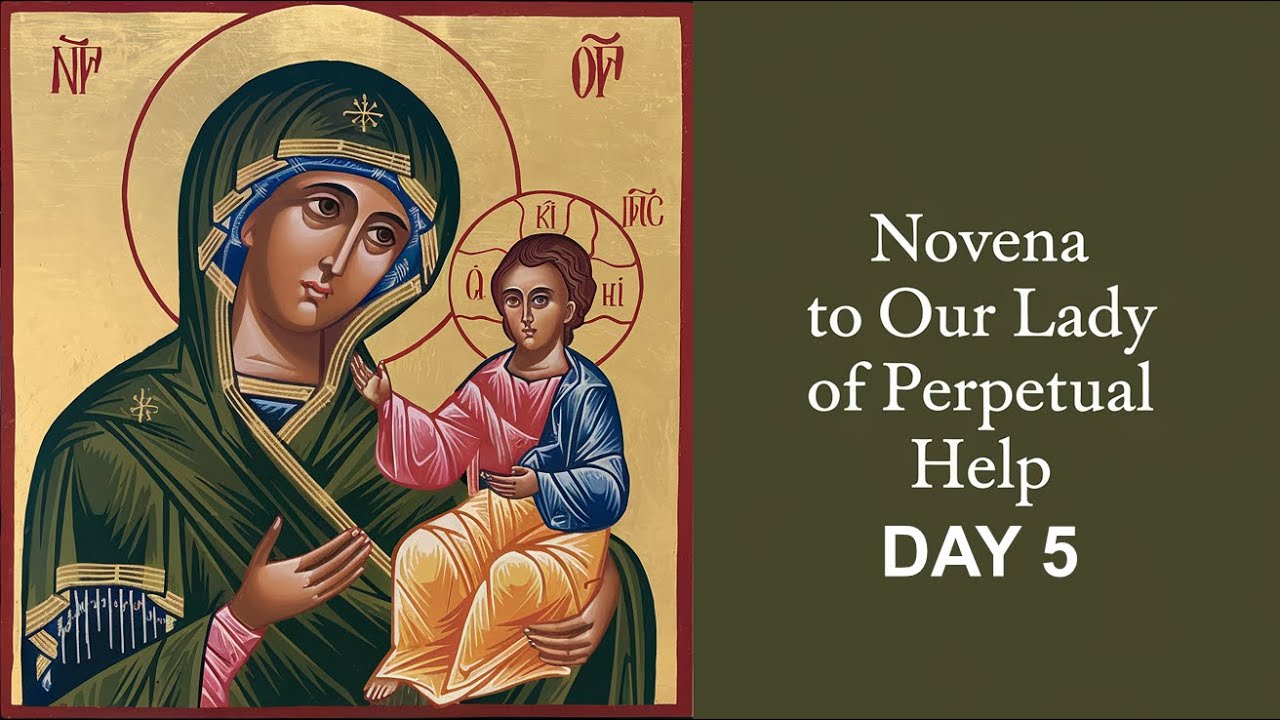
- Catholic families may value the Rosary, the Divine Mercy devotion, or the presence of a priest for the Sacrament of the Sick. If time allows, you might share or suggest the Divine Mercy Chaplet as a tender way to pray for mercy and trust.
- Protestant families may appreciate short prayers and familiar hymns or psalms, like Psalm 23 or John 14.
- Orthodox families often welcome icons and brief chanted prayers. Respect their liturgical customs if present.
- Interfaith or secular families may prefer silence, a moment of gratitude, or language that speaks of love and presence rather than doctrine.
- When family members differ in belief, focus on shared values: love, peace, gratitude, and courage. A non-controversial, gently worded prayer can unify rather than divide.
In all cases, avoid making assumptions. Ask, “Would a short prayer be helpful?” If they say yes, tailor your words to their comfort. If they decline, honour that choice and offer practical support instead.
Practical tips for praying with a family at the bedside
Offering prayer for the family of a dying person is as much about presence as words. Your voice, pace and posture communicate care.
- Speak softly, and slow your pace. Leave pauses for breath and silence.
- Stand or sit where you are not in the way of clinical care. Keep your phone silent.
- Include the dying person even if unresponsive; hearing is often the last sense to fade.
- Use a short Scripture if welcomed; for example, reflect on God’s promise of rest and nearness, as in this brief exploration of the meaning of Exodus 33:14.
- Focus on reassurance rather than explanations. Promise your presence; do not promise outcomes.
- End with a blessing: “The peace of God be with you,” or “May love hold you.”
Common mistakes to avoid when offering prayer for the family of a dying person
A few missteps can make a hard moment harder. Being aware of them helps you offer truly compassionate prayer for the family of a dying person.
- Avoid long speeches. Keep prayers short and centred on peace and presence.
- Do not preach, debate or judge. End-of-life moments are not for arguments or correction.
- Avoid suggesting that suffering is deserved or that faith guarantees a particular outcome.
- Do not ignore consent. Always check whether prayer is welcome before you begin.
- Beware of clichés. Words like “everything happens for a reason” can wound rather than heal.
Scripture, readings and lines you can use
When appropriate, a single line can carry the whole prayer. Consider these gentle options to accompany prayer for the family of a dying person:
- Psalm 23: “The Lord is my shepherd; I shall not want.”
- John 14:1: “Do not let your hearts be troubled. Trust in God.”
- Romans 8:38–39: “Nothing… will be able to separate us from the love of God.”
- Zephaniah 3:17: “The Lord your God is with you, he is mighty to save.”
- A simple blessing: “May peace rest upon you and those you love.”
Supporting well-being around prayer
Prayer sits alongside good care. Families may need guidance on practical matters, symptom management, and emotional support. In the UK, the NHS provides clear information on choices and support near the end of life; you can read more at the NHS end of life care overview. Many churches also offer pastoral care and specific prayers for these moments; the Church of England provides a helpful collection of prayers for the time of death that you can use or adapt.
Hospices and charities can help with spiritual care, bereavement support and practical guidance. Organisations such as Macmillan Cancer Support and Marie Curie offer compassionate advice, helplines and resources for families and carers navigating final days and the time after.
Recommended external resources
- NHS guidance on end of life care – clear information on planning, choices and support.
- Church of England prayers for the time of death – short, thoughtful prayers for bedside moments.
- Macmillan Cancer Support: end of life – practical and emotional support for families and carers.
- Overview of Anointing of the Sick – background on a sacrament many families request near the end of life.
Related articles
Frequently asked questions about prayer for the family of a dying person
What do I say if I feel lost for words?
Keep it very simple. A short prayer for the family of a dying person might be: “God of peace, be near to this family. Give them comfort and courage. Hold [Name] gently in your love. Amen.” Speak slowly, and let silence do some of the work.
How long should a bedside prayer be?
Often 15–60 seconds is enough. At the end of life people tire easily, and families can be overwhelmed. A brief prayer focused on peace, presence and gratitude is usually best.
Can I pray silently if the room is crowded?
Yes. You might quietly place a hand on your heart and offer a few silent words. If you need to leave, you can say, “I’ll keep praying for you,” and continue later in private.
What if family members have different beliefs?
Choose inclusive language and shared values: love, peace, presence and gratitude. Ask for consent—“Would a short, simple prayer be helpful?”—and avoid doctrinal statements. A gentle blessing can unite rather than divide.
When should we involve a minister, priest or chaplain?
As soon as the family wishes. If the person is in hospital, hospice or a care home, staff can often contact a chaplain quickly. Many clergy are happy to visit at short notice, offer the Sacrament of the Sick, Holy Communion, or simply pray with the family.
Is it appropriate to use Scripture or hymns?
Yes, if the family welcomes them. A single line from a psalm or a familiar hymn can be deeply reassuring. Keep selections short and calm, and avoid loud singing unless the family initiates it.
What if I become emotional while praying?
It’s human to feel emotion at the bedside. Pause, breathe, and carry on if you can. Tears can be part of honest prayer. If you need to stop, end with a simple: “Lord, you know our hearts. Hold us in your peace. Amen.”
Conclusion on prayer for the family of a dying person
In the tender hours near the end of life, words can feel fragile. Prayer for the family of a dying person provides a simple, steady way to be present, to honour love, and to ask for peace. It does not need to be long or eloquent. A few sincere words, spoken slowly and with consent, can bring comfort and hope where they are most needed.
As you support others, remember the core themes—presence, peace, courage, comfort and gratitude—and let them guide your tone and content. Adjust your language to the family’s tradition, or keep things inclusive if beliefs differ. When appropriate, draw on trusted resources, familiar Scriptures and gentle blessings.
Above all, let your care be clear: you are there, holding the moment with them. Offered with humility and compassion, prayer for the family of a dying person can make space for love to speak and for peace to rest upon everyone present.
