Prayer for the family in Islam: 7 essential duas and practical guide
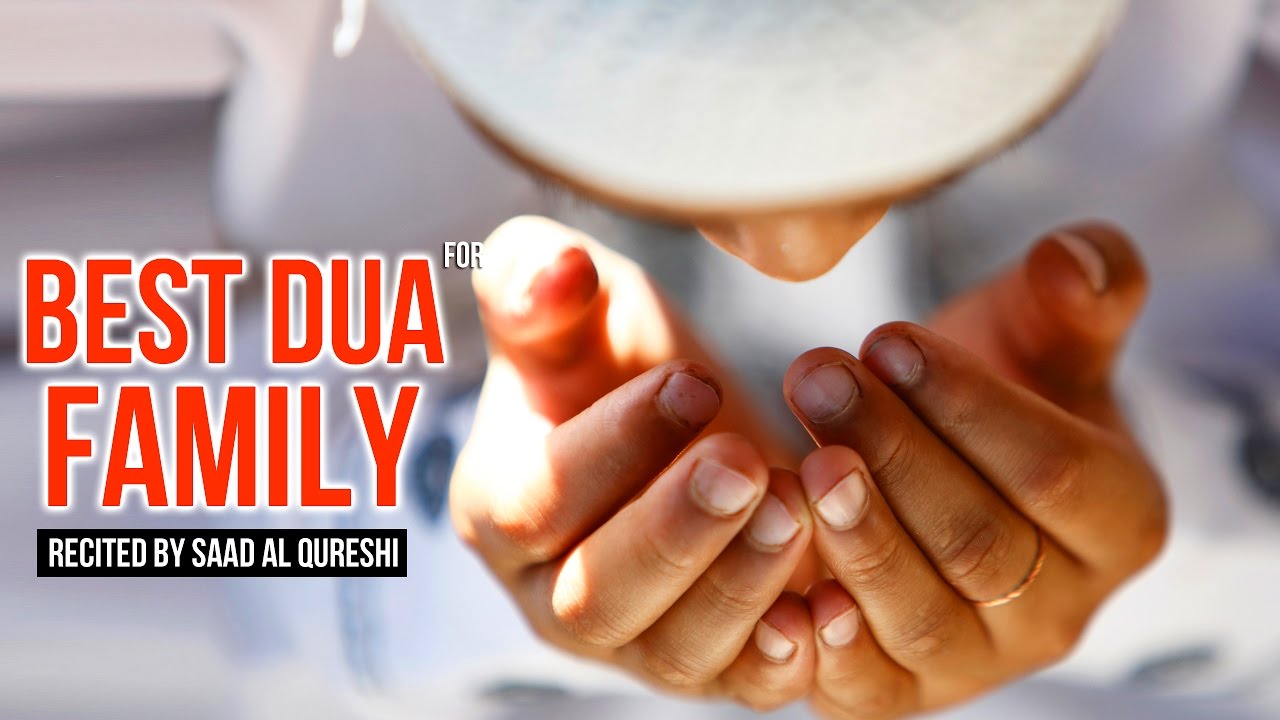
prayer for the family in islam
Healthy families do not happen by accident. In Muslim life, prayer for the family in islam is one of the most effective ways to nurture love, safety, gratitude, and spiritual growth at home. Whether you live alone and pray for your parents and siblings, or you are raising children and supporting a spouse, purposeful supplication (du’a) and mindful worship (salāh) can transform the atmosphere of your household.
This guide explains the meaning and role of family prayer, why it matters, how to practise it in simple and realistic ways, and what the Qur’an and Sunnah teach about asking Allah for harmony and guidance. Along the way, you will find practical examples, common mistakes to avoid, and model supplications you can adapt to your circumstances. In short, you will learn how prayer for the family in islam can become a gentle anchor for daily life.
What is prayer for the family in islam?
Broadly, prayer for the family in islam refers to any form of remembrance and supplication in which a Muslim asks Allah to bless, protect, guide, and unite their household. This includes the five daily prayers (salāh) performed individually or in congregation at home, as well as personal supplications (du’a) for parents, spouses, children, siblings, and extended relatives. Family prayer also embraces moments of gratitude, Qur’an recitation together, and the shared intention to centre home life on faith.
Family prayer is not a performance or a rigid ritual; it is a living practice that suits your stage of life. A newly married couple might commit to a short nightly du’a for their future together. Parents may build a five-minute routine of remembrance with their children after Maghrib. Adult children can keep their parents in daily supplications. Whatever the form, the heart is the same: turning to Allah with sincerity and consistency for the wellbeing of the family.


Qur’an and Sunnah foundations for prayer for the family in islam
There is strong scriptural encouragement to make du’a for spouses, children, parents, and extended family. Central to prayer for the family in islam is the understanding that Allah is the source of tranquillity and that families flourish when they seek His help and mercy.
Key Qur’anic duas about family
The Qur’an itself teaches believers what to ask for. Among the most beloved supplications for families is: “Our Lord, grant us from among our spouses and offspring comfort to our eyes and make us an example for the righteous” (Qur’an 25:74). This verse captures the aim of family life in Islam: compassion, comfort, and leadership in goodness. You can read and memorise this directly from the source at Qur’anic dua for spouses and offspring (25:74).
Another powerful supplication is: “My Lord, make me an establisher of prayer, and [many] from my descendants” (Qur’an 14:40). This shifts the focus from worldly success to the spiritual habit that sustains a family across generations. See the verse at Qur’anic dua to establish prayer in descendants (14:40).
Other relevant verses include: “My Lord, forgive me and my parents and whoever enters my house a believer” (Qur’an 71:28), and the beautifully comprehensive “Our Lord, give us in this world good and in the Hereafter good, and protect us from the punishment of the Fire” (Qur’an 2:201). These concise prayers are easy to learn, repeat, and teach within the family.
Prophetic guidance on family supplication
The Prophet Muhammad (peace and blessings be upon him) emphasised kindness and excellence towards one’s family. He said, “The best of you are the best to their families, and I am the best among you to my family.” This hadith, available at Prophetic teaching on excellence toward family (Jami’ at-Tirmidhi 3895), frames family life as a measure of character. Prayer supports that standard: it softens hearts, reduces anger, and fuels forgiveness.
He also modelled simple, regular supplications for protection, barakah (blessing), and guidance. Establishing frequent, sincere requests to Allah for the family—no matter how short—fits perfectly within this prophetic approach.
Forms of prayer for the family in islam
There is no single template. The beauty of prayer for the family in islam is its flexibility, allowing you to adopt forms that match schedules, ages, and needs. Below are the main forms families can use.
During and around the five daily prayers (salāh)
- Pray together when possible. Even one shared prayer daily, such as Maghrib, can become a family anchor.
- After salāh, take a minute to say a short family du’a aloud so everyone hears the intention and meaning.
- Encourage older children to lead brief supplications in their own words to build confidence and sincerity.
Personal supplications (du’a)
- Make du’a for your spouse’s wellbeing, patience, and success—especially during moments of stress.
- Ask Allah to guide and protect your children, increase their love for prayer, and help them choose good friends.
- Remember parents and in-laws regularly, asking for mercy, forgiveness, and ease in their affairs.
Dhikr and Qur’an in the home
- Introduce short phrases of remembrance such as SubḥānAllāh, Alḥamdulillāh, and Allāhu Akbar, especially with young children.
- Read a few verses of the Qur’an together each week and discuss one takeaway in simple language.
Occasions and milestones
- Marriage: Make heartfelt du’a for mutual mercy and understanding (Qur’an 30:21) and a righteous, peaceful home.
- Newborns: Ask for health, faith, and good character; recite short protective supplications morning and evening.
- Travel and illness: Share established duas for protection and healing; update the family du’a list as needs change.
Adab (etiquette) that strengthens family prayer
Good manners in supplication make a real difference. Here are core etiquettes that keep prayer for the family in islam gentle, sincere, and consistent:
- Begin with praise of Allah and blessings upon the Prophet (peace be upon him).
- Face the qiblah and raise hands when making du’a if practical, without making it burdensome.
- Use simple, clear language; explain meanings to children.
- Persist in asking for the same good outcomes; repetition shows commitment, not doubt.
- Avoid forbidden actions and strive for halal earnings; purity supports accepted supplications.
- End by placing trust in Allah’s wisdom and timing.
Practical steps to build a family prayer habit
It helps to start small. A successful approach to prayer for the family in islam is incremental and compassionate, not strict or perfectionist. Try these steps and adapt them to your home:
- Choose one daily touchpoint. Aim for a two-minute du’a together after Maghrib or ‘Isha. Keep it friendly and regular.
- Set a weekly theme. For example, Week 1: gratitude; Week 2: patience; Week 3: forgiveness. Rotate through themes so supplications remain fresh.
- Create a family du’a list. Write the names and needs you want to remember: relatives, neighbours, teachers, and anyone who asks for your prayers.
- Teach by modelling. Adults go first, then invite children to add one or two lines in their own words.
- Link prayer to actions. If you ask for kindness at home, pick one small behaviour to practise that day (e.g., sharing a chore, speaking gently).
- Use reminders. Put the chosen Qur’anic duas on the fridge or set a soft phone reminder at a time when everyone is usually home.
- Be flexible. If evenings are hectic, try a short morning du’a or a weekend family Qur’an moment instead.
Sample duas you can use or adapt
Below are sample supplications based on Qur’anic verses and prophetic teachings. You can recite them in English, or in Arabic if you know it. The aim of prayer for the family in islam is understanding and presence of heart, so choose the language that best carries your meaning.
- For harmony and righteous role-modelling (Qur’an 25:74): “Our Lord, grant us from among our spouses and offspring comfort to our eyes and make us leaders for the righteous.” (Transliteration: Rabbana hablana min azwajina wa dhurriyyatina qurrata a’yun, waj’alna lil-muttaqina imama.)
- For establishing prayer across generations (Qur’an 14:40): “My Lord, make me an establisher of prayer, and from my descendants.” (Transliteration: Rabbi’j’alni muqimas-salati wa min dhurriyyati.)
- For parents and elders (Qur’an 71:28): “My Lord, forgive me, my parents, and whoever enters my house a believer.”
- For balanced goodness (Qur’an 2:201): “Our Lord, give us in this world good and in the Hereafter good, and protect us from the punishment of the Fire.”
- For a righteous child (Qur’an 3:38): “My Lord, grant me from Yourself a pure offspring. Indeed, You are the Hearer of supplication.”
- For marital mercy: “O Allah, place between us affection and mercy, increase our patience and gratitude, and bless our home with Your light.”
- For protection: “O Allah, protect our family in faith and health, preserve us from envy and harm, and make our home a place of remembrance.”
If you prefer a simple structure, you can use this pattern for family prayer in any situation: praise Allah, send blessings upon the Prophet, ask for specific needs by name, ask for forgiveness, and conclude with trust in Allah’s wisdom.
Common mistakes and gentle corrections
Even with the best intentions, families can slip into unhelpful habits. Here are pitfalls to avoid when building prayer for the family in islam, with kinder alternatives:
- Turning it into a lecture. Keep the tone warm and brief. Supplication is not a sermon.
- Being over-ambitious. Start with two–three minutes rather than a long session that children may resist.
- Using complex language only. Balance Arabic with clear English so everyone understands the meaning.
- Focusing only on crises. Make du’a in good times as well to cultivate gratitude and resilience.
- Excluding teenagers. Invite their input, ask what they would like to pray for, and accept short contributions.
- Neglecting consistency. Missing a day is normal; simply return to the routine the next day without guilt.
Cultural variations vs. essentials
Customs around family prayer vary across Muslim cultures: some families recite particular litanies, others focus on Qur’an reading, and some prefer spontaneous du’a after salāh. The essentials, however, are universal: sincerity, remembrance of Allah, and consistent practice. Keep what nurtures faith in your home and avoid what causes pressure, showing that prayer for the family in islam can be both authentic and adaptable.
Measuring progress as a family
Spiritual growth is subtle. Instead of counting minutes, look for gentle signs that prayer for the family in islam is taking root: calmer conversations after disagreements, more frequent “please” and “thank you,” children reminding each other of prayer time, fewer raised voices, and a stronger sense of teamwork. These are fruits of remembrance.
How to introduce prayer to children and teens
For younger children, make family prayer visual and tangible: a small prayer corner, a soft mat, a sticker chart for consistent effort, and very short duas they can memorise. For teens, connect the topics to their lives—exams, friendships, online wellbeing, choices about the future. Encourage them to keep a private du’a journal and to lead a short section once a week. Throughout, reward effort and sincerity, not perfection.
Linking prayer with action in the home
Prayer is transformative when paired with everyday effort. If you ask Allah for patience, practise slow speech during tense moments. If you ask for mercy, plan one small act of kindness daily, like leaving a note of appreciation for a family member. If you ask for steadiness in worship, agree on one prayer to perform together consistently. This way, family prayer in Islam becomes the heartbeat of positive change rather than words alone.
Recommended external resources
- Qur’anic dua for spouses and offspring (25:74) — the well-known supplication for family harmony and leadership in righteousness.
- Qur’anic dua to establish prayer in descendants (14:40) — a concise request for intergenerational devotion.
- Prophetic teaching on excellence toward family (Jami’ at-Tirmidhi 3895) — a reminder that the best character starts at home.
- BBC overview of salāh in Islam — a clear introduction to structured daily prayer.
Related articles
- guide to the Divine Mercy Chaplet prayer — an interfaith look at structured devotion that can inspire family routines.
- meaning of Gentiles in Abrahamic traditions — background on a shared religious term across faiths.
Frequently asked questions about prayer for the family in islam
How often should we make family du’a?
There is no fixed number. Aim for consistency rather than length: even two or three minutes daily after one prayer can be impactful. If routines are busy, choose a weekend time. The regular rhythm matters most in prayer for the family in islam.
Is it better to pray together or individually?
Both are
